

If you haven't yet, follow us on X (Twitter) or Mastodon to know when we post new articles, and join our Reddit or Subscribe to us on YouTube to check out our content and interact with our awesome community. Thank you for supporting us!

There were two new Steam Deck Beta Client updates that primarily include some minor fixes for the Legion Go S. There are some input issues and glyph problems for The Last of Us: Part 2 and Ratchet and Clank: Rift Apart, so these were both fixed. However, we also have improved support for the 8BitDo gyro, and some startup movies that were not playing correctly have been fixed.
You can download the update yourself in the System Settings on the Steam Deck. Make sure your update channel is set to Beta or Preview.
Steam Deck Beta Client 6/26/25 Update Changelog:
Steam Input
- Fixed input in Ratchet and Clank for Legion Go S
- Improved support for 8BitDo gyro on controllers with updated firmware.
Steam Deck Beta Client 6/27/25 Update Changelog:
General
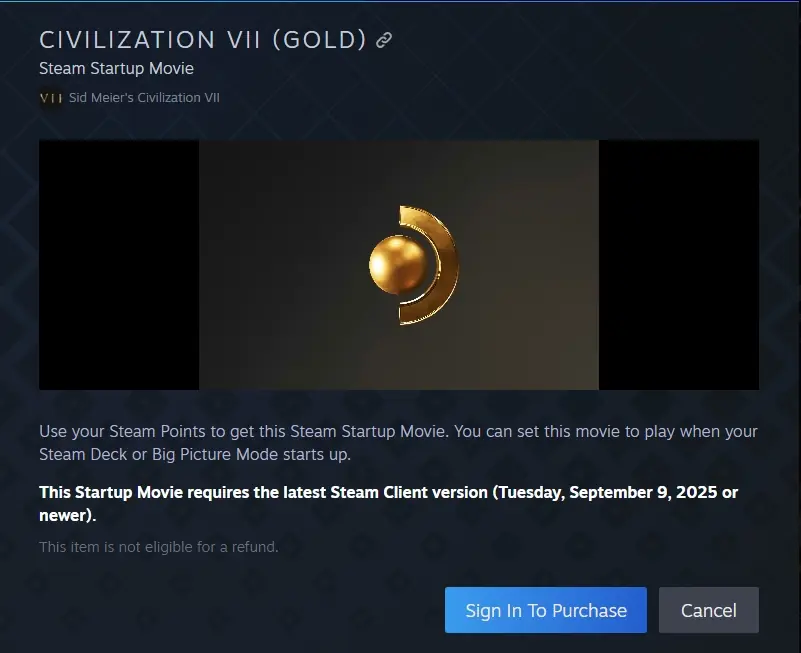
- Fixed certain startup movies not playing correctly.
Steam Input
- Fix glyphs for the Legion Go S the Last of Us: Part 2
If you enjoyed this article, check out the rest of the content on SteamDeckHQ! We have a wide variety of game reviews and news that will help your gaming experience. Whether you're looking for news, tips and tutorials, game settings and reviews, or just want to stay up-to-date on the latest trends, we've got you covered!

RECENT NEWS
Categories
Accessories
Anbernic
Android
ASUS ROG Ally
ROG Xbox Ally
Classics on Deck
Community
Cryobyte33
Deals
Deck Mods
Emulation
Events
Featured Post
Game News
Game News
General Game News
HandheldHQ
Hardware
Lenovo
Linux
MagicX
MSI
Nintendo
ONE-NETBOOK
Opinion
Other Reviews
Accessory Reviews
Handheld Reviews
PlayStation
Proton
Retro Handhelds
Anbernic
AYANEO
AYN
GPD
MagicX
MANGMI
Miyoo
Retroid
Rumors
TrimUI
SDHQ
Steam
Steam Controller
Steam Frame
Steam Machine
SteamOS
The Unsupported Report
Uncategorized
Uncategorized
VR
Recent Tips & GUIDES
recent reviews




Steam Deck has improved significantly in recent years, but several key aspects of the console experience remain lacking. Valve seems unlikely to address these issues, such as the inability to navigate the Steam interface using a controller, which can lead to lost progress and the need to start over. Additionally, random crashes during docking and disconnects when using two Bluetooth controllers are frustrating. Steam Remote Play is also a joke, as you can’t even wake up your PC. These are just a few of the issues I recall, but I’m sure there are many others. It seems Valve is more focused on expanding its OS to more devices to increase revenue rather than improving the software at the hardware they sell.