

If you haven't yet, follow us on X (Twitter), Mastodon, or Bluesky to know when we post new articles, and join our Reddit or Subscribe to us on YouTube to check out our content and interact with our awesome community. Thank you for supporting us!
When a new AAA title launches in 2026, we Steam Deck users usually start praying for a semi-decent experience. But every now and then, developers optimize their games so well that we end up asking ourselves, “How does this run so great?” Thankfully, our first impressions of 007: First Light suggest that IOI has done an excellent job with optimization here, to the point where you can actually prioritize either high frame rates or better visual quality depending on your preference.
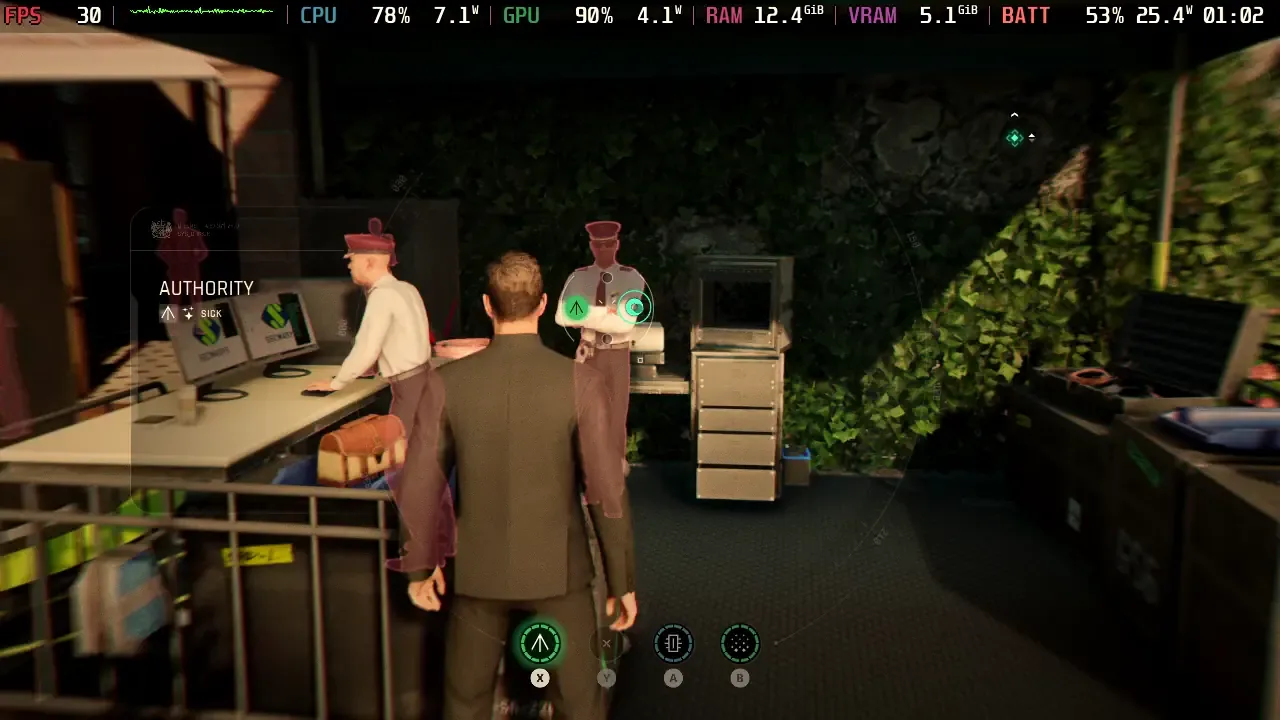
When I first booted up the game, every single setting was pushed to the absolute lowest possible values, even FSR was set to Performance mode. Naturally, that made us very nervous at first. But once I actually got into gameplay, I was surprised to see frame rates hovering between 50-70 FPS, and most of our concerns immediately faded away.
In more demanding NPC-heavy areas, performance starts fluctuating between 40-50 FPS on the default settings. Unfortunately, the game only offers two frame rate cap options: 30 and 60 FPS. I experimented with raising several settings, including switching the upscaler to Quality mode and increasing most options to Medium, with textures set to High. Performance then dropped into the 32-40 FPS range. However, considering the scale and visual complexity of the game, it still looked genuinely impressive. Locking the game to 30 FPS ended up providing the most enjoyable overall experience without sacrificing too much visual fidelity.
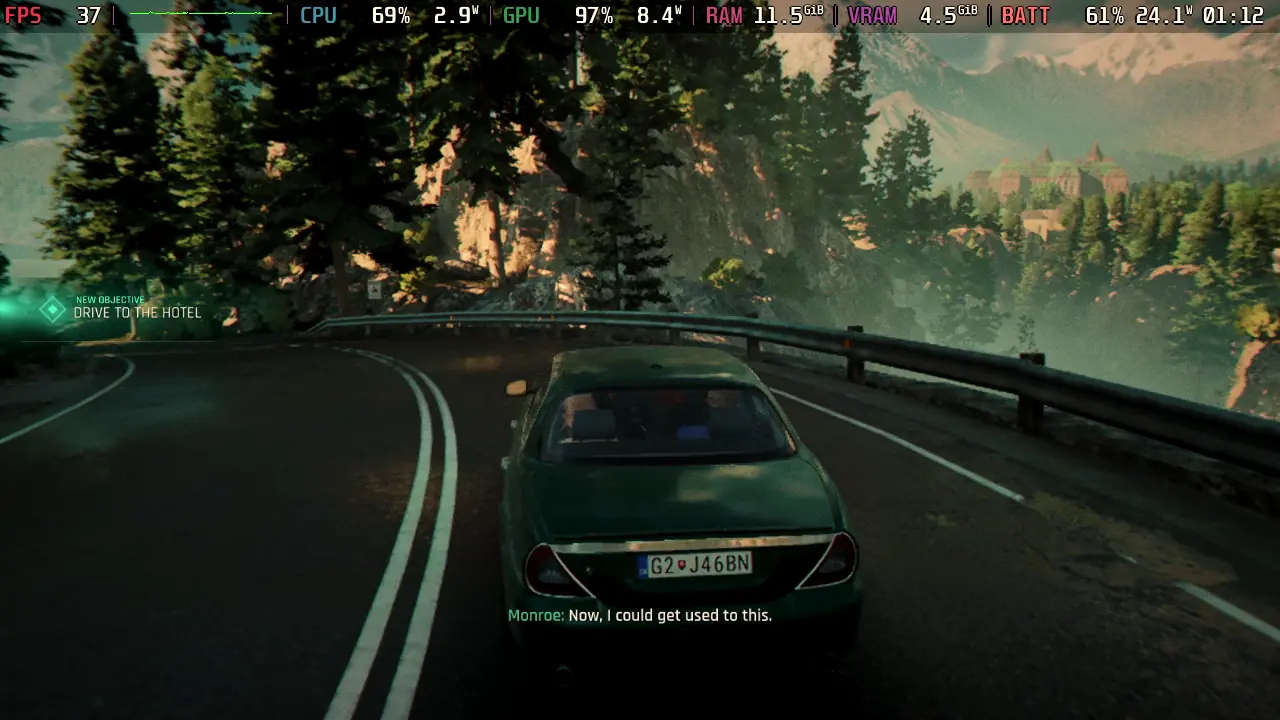
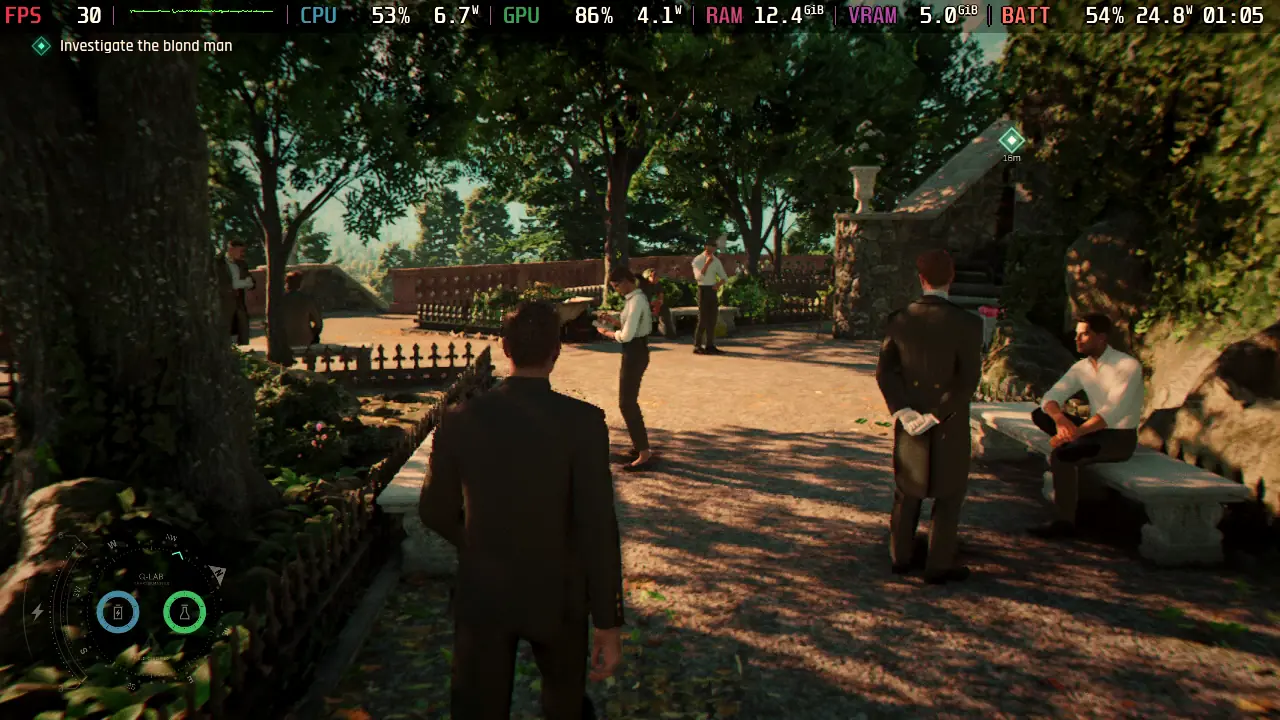
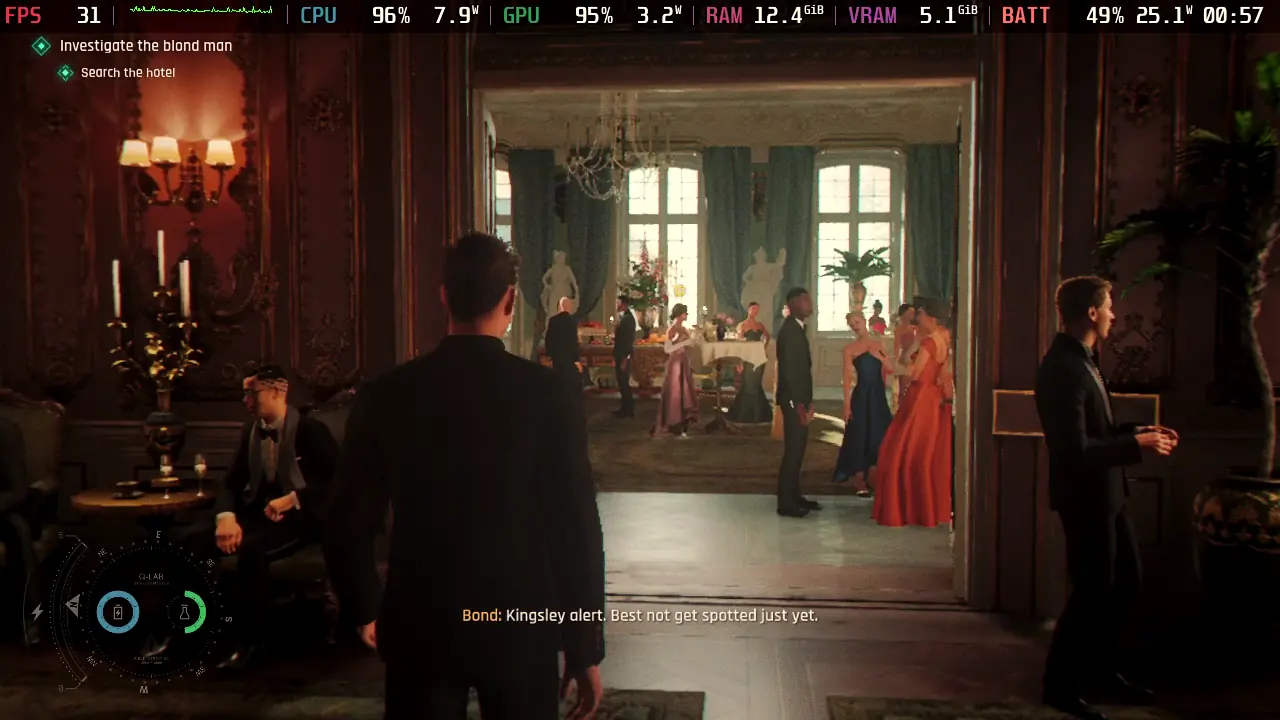
You can also keep the default settings and use the Steam Deck’s built-in 45 FPS limiter, but in my experience, that introduced noticeable input lag, which made the game feel much worse to play. Because of that, I can’t really recommend it. If you want a high frame rate experience, your only realistic option is to stick with the lowest default settings and tolerate the fluctuating performance.
Shadow quality and hair rendering are especially demanding and can heavily impact performance, but aside from those settings, the visuals never turn into a complete blurry mess. And honestly, Steam Deck users are already used to playing demanding modern games at 30 FPS, often with visuals far worse than this. So for now, our recommendation is definitely the 30 FPS locked setup.
Here are our specific settings that we are using right now:
- VSync - On
- VSync Interval - 2.2
- Transfer Function - 2.2
- FSR Quality
- Texture Quality - High
- Terrain Quality - Medium
- Shadow Quality - Medium
- Reflection Quality - Medium
- Volumetric FOC - Low
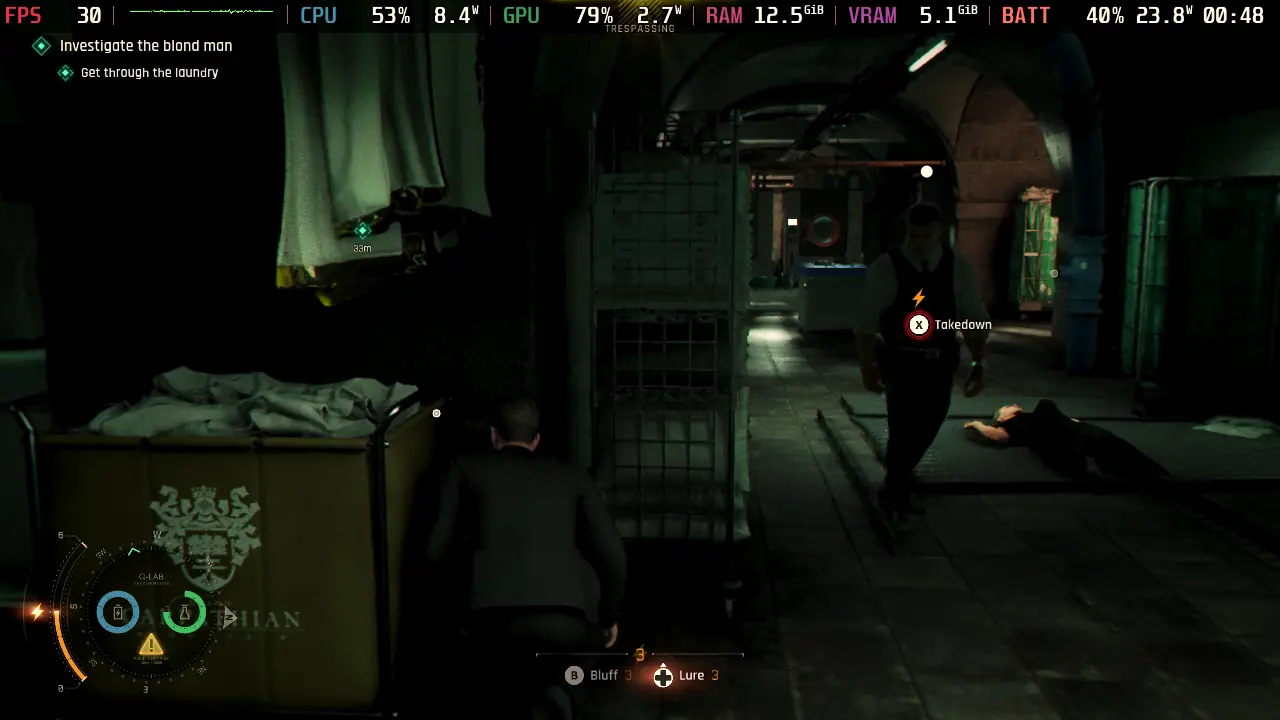
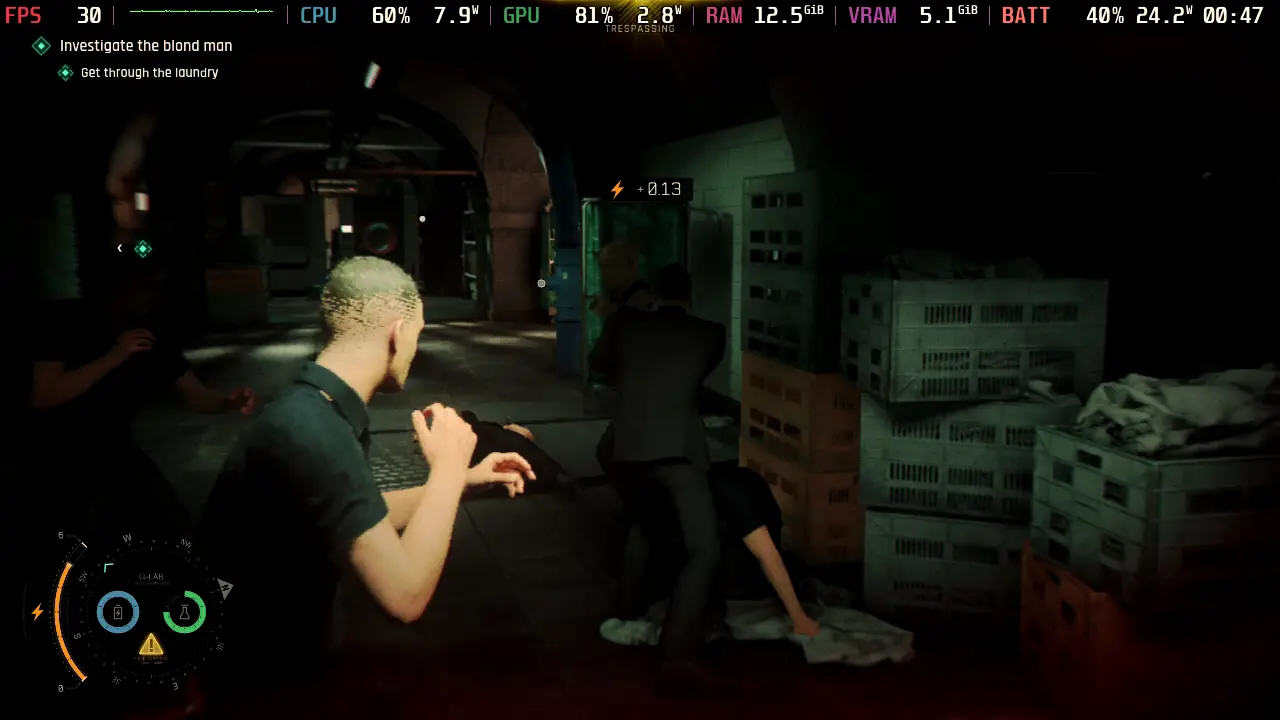
So, the experience has been quite surprising on the Deck so far. Most AAA require lots of compromises to run well, but 007: First Light doesn't feel like this. It is quite playable and looks good, even on the lowest settings, and sticking to 30 FPS doesn't feel like a stretch either. We will have a full recommendation with our full review, which we are working on, but for now, it's safe to say this will be wonderful to take on the go.
007: First Light can be purchased for $69.99 on Steam.
If you enjoyed this article, check out the rest of the content on SteamDeckHQ! We have a wide variety of game reviews and news that will help your gaming experience. Whether you're looking for news, tips and tutorials, game settings and reviews, or just want to stay up-to-date on the latest trends, we've got you covered!
RECENT NEWS
Categories
Accessories
Anbernic
Android
ASUS ROG Ally
ROG Xbox Ally
Classics on Deck
Community
Cryobyte33
Deals
Deck Mods
Emulation
Events
Featured Post
Game News
Game News
General Game News
HandheldHQ
Hardware
Lenovo
Linux
MagicX
MSI
Nintendo
ONE-NETBOOK
Opinion
Other Reviews
Accessory Reviews
Handheld Reviews
PlayStation
Proton
Retro Handhelds
Anbernic
AYANEO
AYN
GPD
MagicX
MANGMI
Miyoo
Retroid
Rumors
TrimUI
SDHQ
Steam
Steam Controller
Steam Frame
Steam Machine
SteamOS
The Unsupported Report
Uncategorized
Uncategorized
VR
Xbox
Recent Tips & GUIDES
recent reviews


Excellent first impressions! I completely agree that locking the game to 30 FPS provides the most stable experience here, especially since the 45 FPS limiter introduces that frustrating input lag you mentioned. Since you noted that IOI did an amazing job with optimization, I was wondering how this baseline compares to other platforms or if there are specific network or regional restrictions for online features. For instance, do you know if the game requires a constant connection, or if it might face issues in certain regions similar to how regional licensing affects services like https://guiadecoderecolumbia.com or other location-dependent platforms when playing on the go?
Loving that this game runs well on SD.
Protip: I've started running my games at resolutions of either 1440x1080 or 1080p.
If the game is well made, the bump up in graphics actually help the look of the game at low settings.
Did this for Crimson Desert and was still running it at 30-40 fps.