まだの方は、X(Twitter)、Mastodon、Blueskyでフォローし、新しい記事が投稿されたらお知らせください。また、Redditに参加したり、YouTubeに登録して、私たちのコンテンツをチェックしたり、素晴らしいコミュニティと交流してください。応援ありがとうございました!
Despite not being too good at them, I am a fan of soulslikes. Elden Ring was a blast, and I had a ton of fun playing through Lies of P. That’s pretty much what got me interested in The Relic: First Guardian. It’s essentially a soulslike, where we will have to fight over 80 different bosses and traverse through a gritty, dark world.
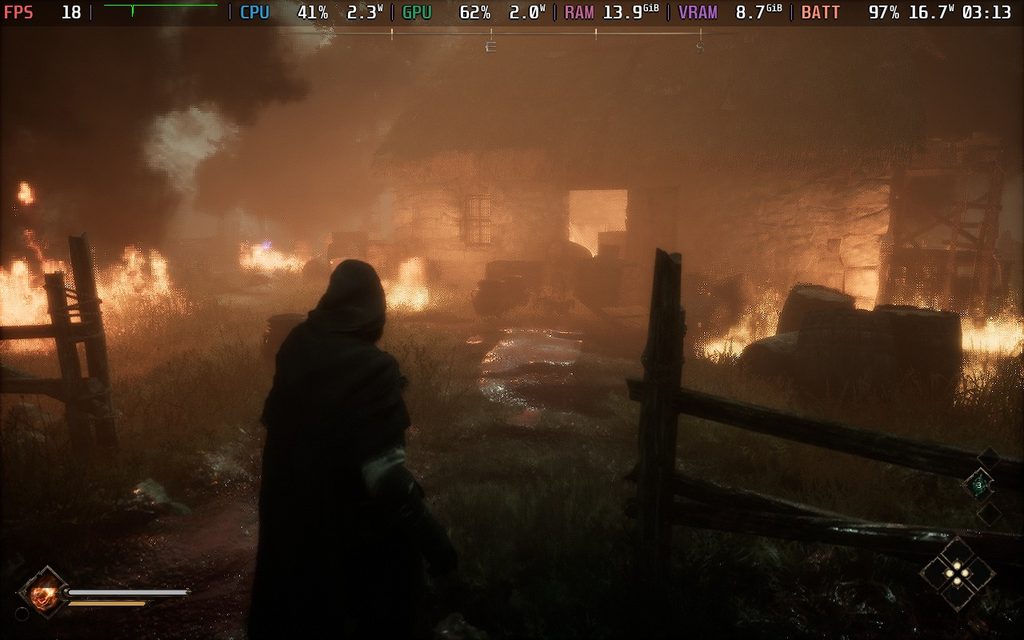
I’ve been playing enough to review the game, though I haven’t fully beaten it yet. So, I will save most of my thoughts on the gameplay for the review. I will say that it does have some interesting progression and skills, and I do like aspects of the fighting, but the combat overall can be janky and all over the place, and I’m not a fan of how we get the currency needed to upgrade our skills. At times, it feels half-baked, and I despise the lack of a stun bar to show how close we are to stunning the enemy after parrying.
However, in this article, I want to talk about how The Relic performs on the Steam Deck. It’s worth mentioning that publisher Perp Games did mention to me that the game will not be compatible with the Deck at launch, but they may look into it afterward. So, it’s important to keep that in mind, since it is not the focus of the deaf team for launch. It’s something I still wanna discuss, since I know there will be people who are curious or may purchase the game, hoping it will work.
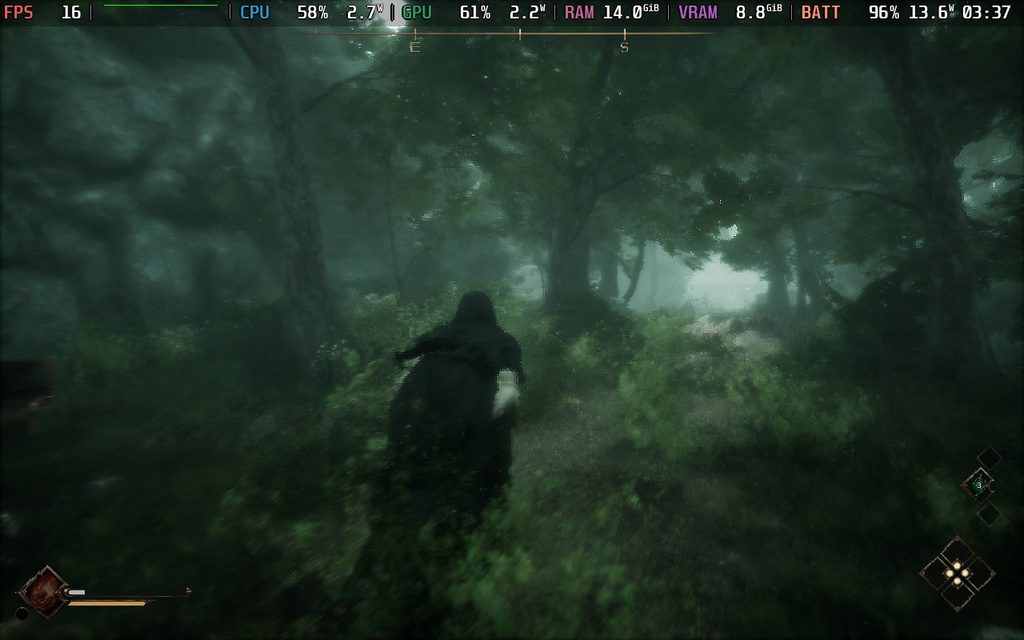
If I were to summarize the Steam Deck experience right now, I would say it is in dire need of native optimization. There are a multitude of issues that contribute to the difficulty of trying to play this on the Deck, some of which are not exclusive to the Deck and seem to be just an issue with the game itself. However, it’s ultimately not an experience I would recommend being played this way.
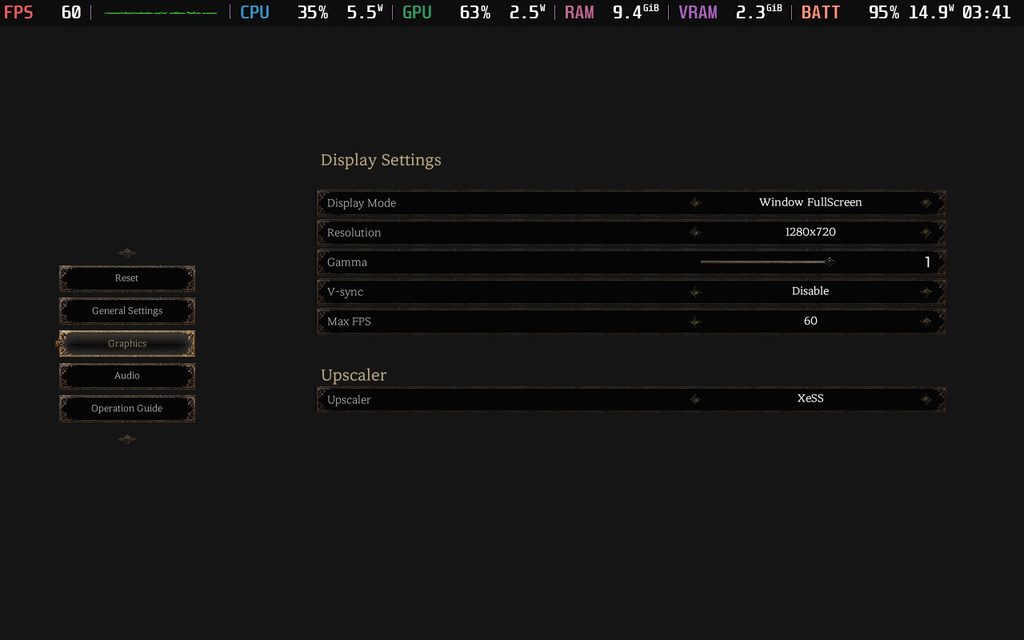
One of the biggest issues with the game is its lack of graphical options. The graphics menu is almost completely bare, only really allowing us to change resolution, VSync, max FPS, and the upscaler. There’s no indicator for advanced settings, so we can’t modify any specific settings. On top of that, the only upscaler we can use on the Deck is XeSS, which can be resource-hungry. There is no option for FSR, only XeSS (and DLSS on NVIDIA).
Also, there's no cloud save support here. I hope they add this in when the game releases, because trying to test this on multiple devices was rough.
Then we head into the game, which was a bit of a mixed bag on the surface. In the opening areas, it ran extremely poorly, constantly going under 30 FPS and averaging around 19 when walking around. However, I did reboot the game, and I started to get around 35 to 40. After that, I would generally stick around the 35 to 40 range, so it did feel smoother after the reboot.
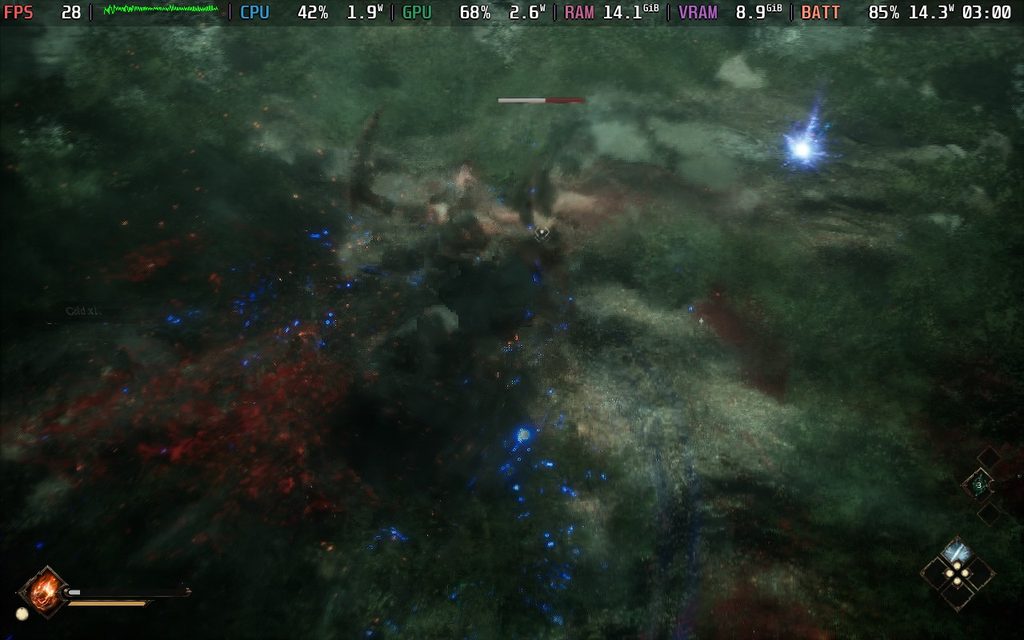
Then came the stuttering. There was so much stuttering that it could completely kill the experience. Some stutters would go down all the way to 1 FPS, which was awful. It could happen at random times, whether it be during combat, running around, or trying to make my way through cities.
This could be in part due to the insane RAM usage, which pushes the limits a lot of the time. I did test with the 4GB UMA Buffer, but it didn't help performance at all.
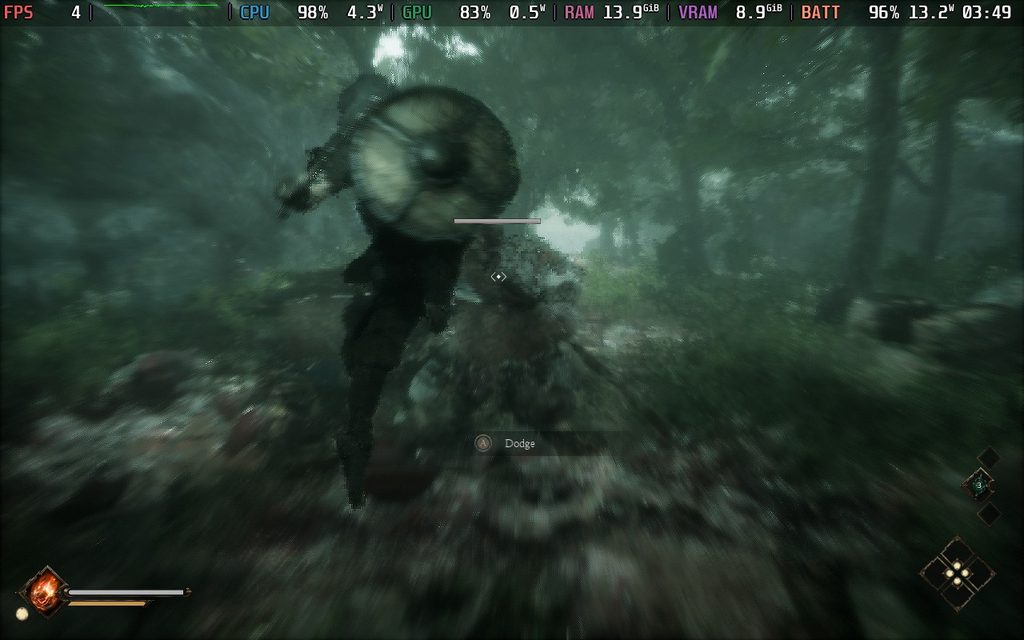
In all honesty, it felt like frame generation. The frame time bar exhibited similar behavior, and I did feel some minor input lag despite disabling the FPS limiter in SteamOS. However, since I couldn’t go into any specific options, I wasn’t able to fully confirm it. It just feels almost identical to frame generation in all of the worst ways.
There wasn't any graphical artifacting, but the low upscaling quality with XeSS makes the entire game look like a blurry mess most of the time.
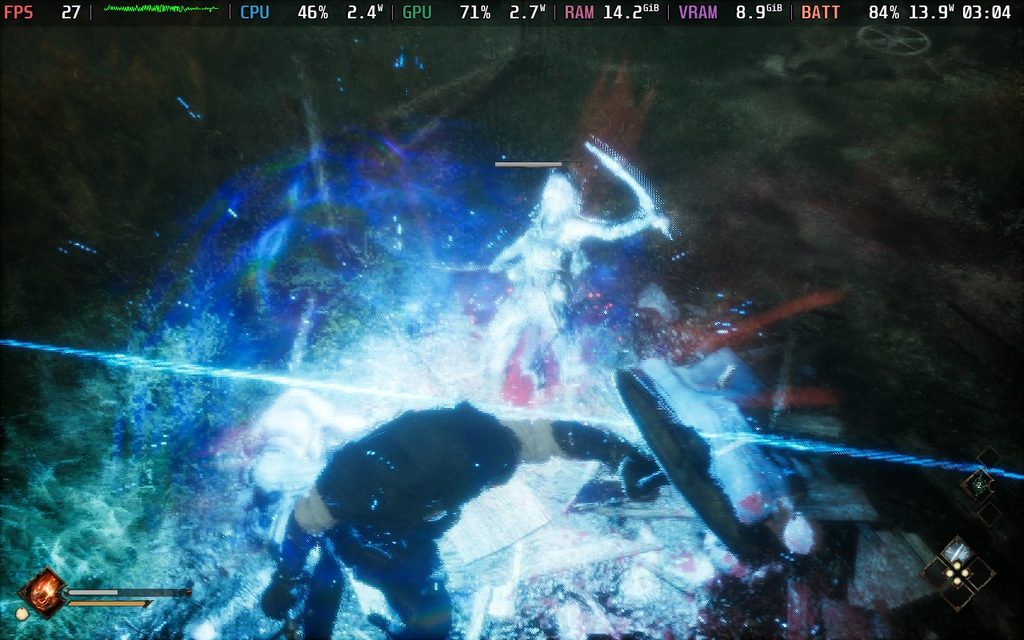
It also seems to underutilize some resources. We can push the GPU Clock Speed Frequency to 1600 and see an increase in frames, which looks nice, but we still have the frame generation problems, so it doesn't solve any of the stuttering.
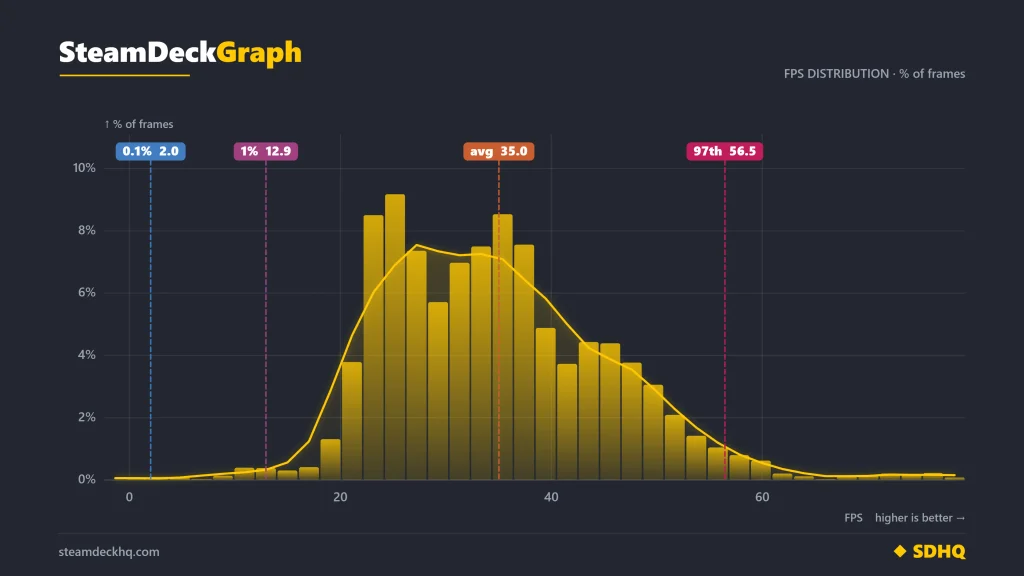
I decided to record and check out how the data looks. So, I played for over 5 minutes, running through towns, fighting enemies, and going through menus, all without any GPU Clock Speed Frequency lock. As we can see, the framerates are everywhere. The 1% and 0.1% lows are very far down, and we can see a lot of distribution of frames before and after the average. This notes that there's a lot of back and forth, which causes stutters.
So, at this point, this is a soulslike I would avoid on the Steam Deck. It’s possible The Relic could improve with patches down the line, but right now, it’s not ready to be played on the go. The lack of graphical options to change, along with the frame generation-like performance issues and stuttering, make this a less-than-enjoyable experience on the go.
The Relic: First Guardian can be wishlisted ahead of its July 31st release date.
この記事を楽しんでいただけたなら、SteamDeckHQ の他のコンテンツもチェックしてみてください!あなたのゲーム体験に役立つこと間違いなしのゲームレビューやニュースを幅広く取り揃えています。ニュース、ヒントやチュートリアル、ゲーム設定やレビューをお探しの方も、最新のトレンドを知りたい方も、ぜひご利用ください。

最近のニュース
カテゴリー
Accessories
Anbernic
Android
ASUS ROG Ally
ROG Xbox Ally
Classics on Deck
Community
Cryobyte33
Deals
Deck Mods
Emulation
Events
Featured Post
Game News
Game News
General Game News
HandheldHQ
Hardware
Lenovo
Linux
MagicX
MSI
Nintendo
ONE-NETBOOK
Opinion
Other Reviews
Accessory Reviews
Handheld Reviews
PlayStation
Proton
Retro Handhelds
Anbernic
AYANEO
AYN
GPD
MagicX
MANGMI
Miyoo
Retroid
Rumors
TrimUI
SDHQ
Steam
Steam Controller
Steam Frame
Steam Machine
SteamOS
The Unsupported Report
Uncategorized
Uncategorized
VR
Xbox
最近のヒント&GUIDES
新着レビュー