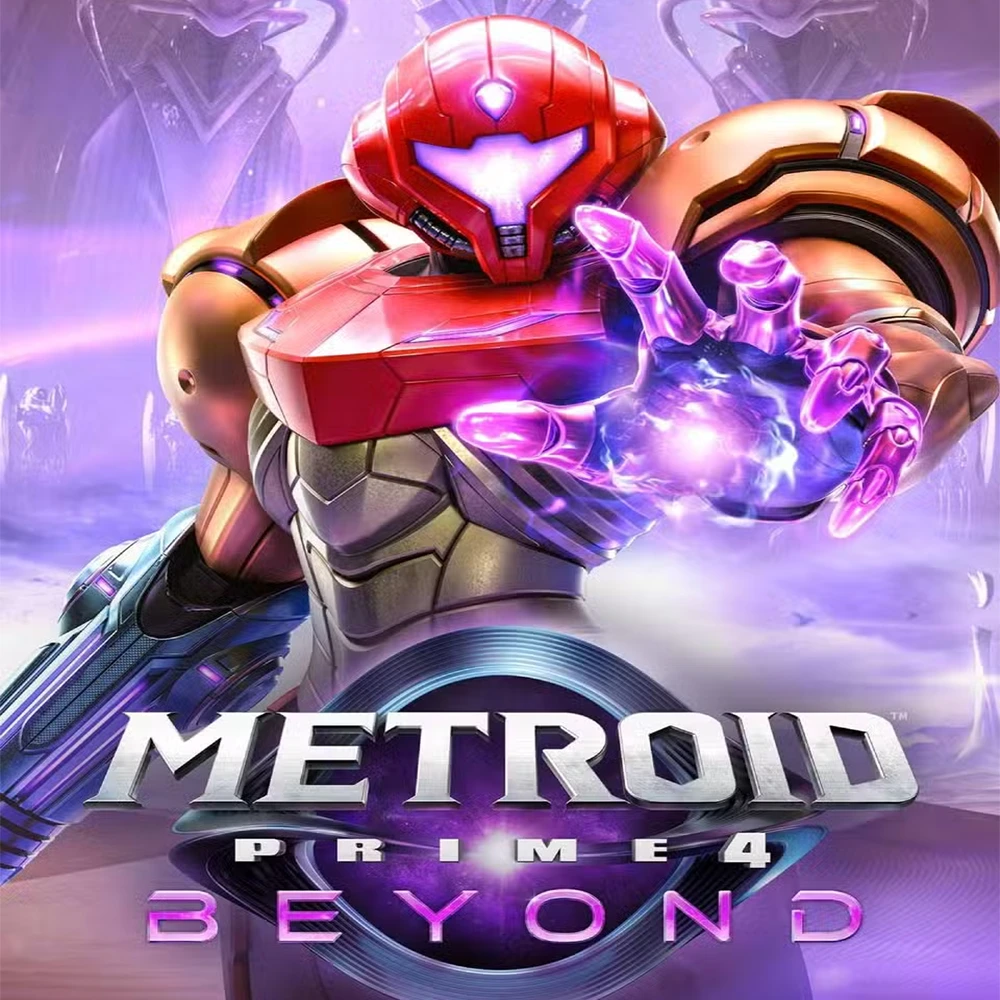
Metroid Prime 4: Beyond was provided by Nintendo for review. Thank you!
After years of silence, restarts, and sky-high expectations, Metroid Prime 4: Beyond finally arrived on Nintendo Switch 2, and its most defining trait is how firmly it refuses to stray from familiar ground. This is unmistakably a Metroid Prime game, constructed with reverence for the original trilogy and little interest in reimagining what the series could be after such a long absence. From the moment Samus steps back into first-person view, the cadence of exploration, combat, and progression feels immediately recognizable, offering a comforting sense of nostalgia that is both the game’s greatest strength and its most limiting flaw.
Mechanically, the foundation is as solid as ever. Exploration still revolves around carefully scanning environments, unlocking traversal upgrades, and gradually reshaping the world through newfound abilities. Combat remains methodical and deliberate, rewarding positioning and precision rather than spectacle, and boss encounters are competently designed evolutions of familiar ideas rather than bold departures. Nothing here feels broken or poorly considered, but very little feels surprising either. It is Metroid Prime operating at a professional, reliable baseline rather than pushing its systems forward.
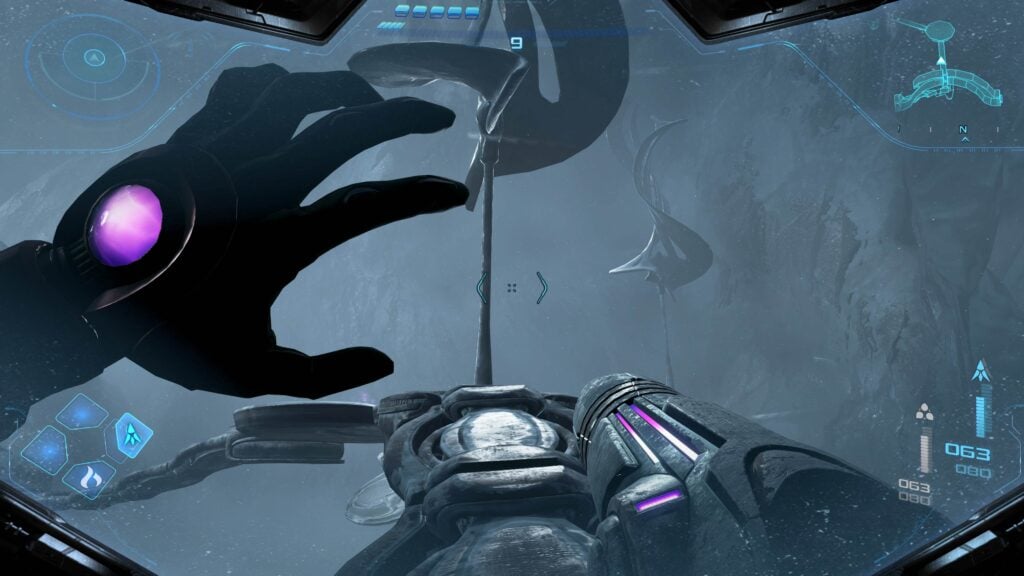
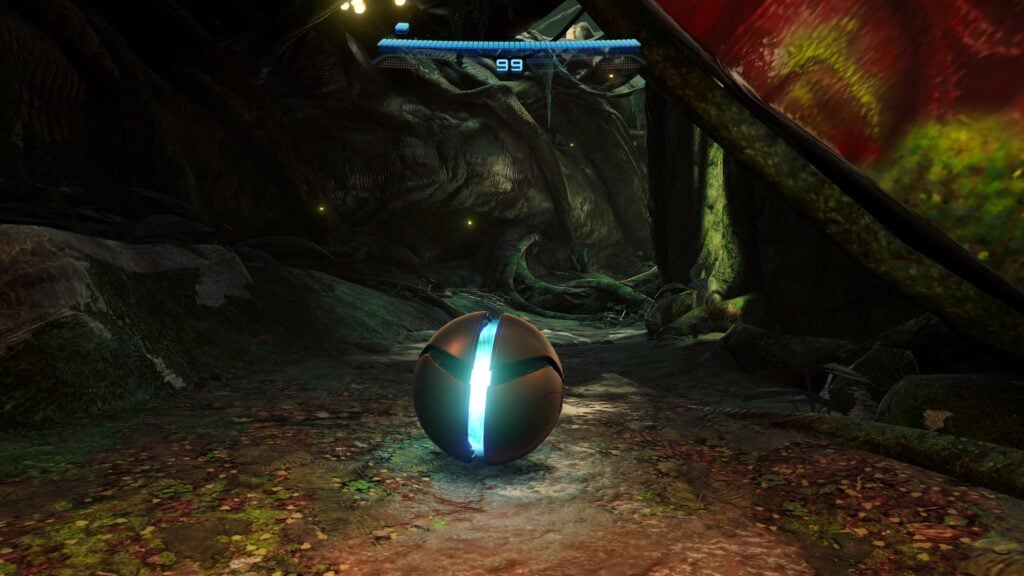
The move to the Nintendo Switch 2 offers clear technical benefits, though they rarely translate into a sense of genuine advancement. Multiple graphics options allow players to prioritise either higher frame rates or increased visual fidelity, and performance remains stable across both. Lighting, texture detail, and environmental effects are all improved, lending alien worlds more clarity and polish, particularly in handheld play. Despite these upgrades, the overall presentation remains conservative, rarely taking advantage of the new hardware to create moments that feel distinctly generational rather than simply refined.
One of the more notable additions is support for mouse-style controls via the Switch 2’s Joy-Con functionality. In practice, this is excellent. Aiming feels far more precise and responsive than traditional stick controls, significantly improving moment-to-moment combat and making fast-paced encounters feel cleaner and more controlled. It’s a genuinely modern enhancement and arguably the most impactful change the game introduces. However, even this refinement serves to improve execution rather than reshape design, sharpening systems that are already well-worn instead of redefining them.
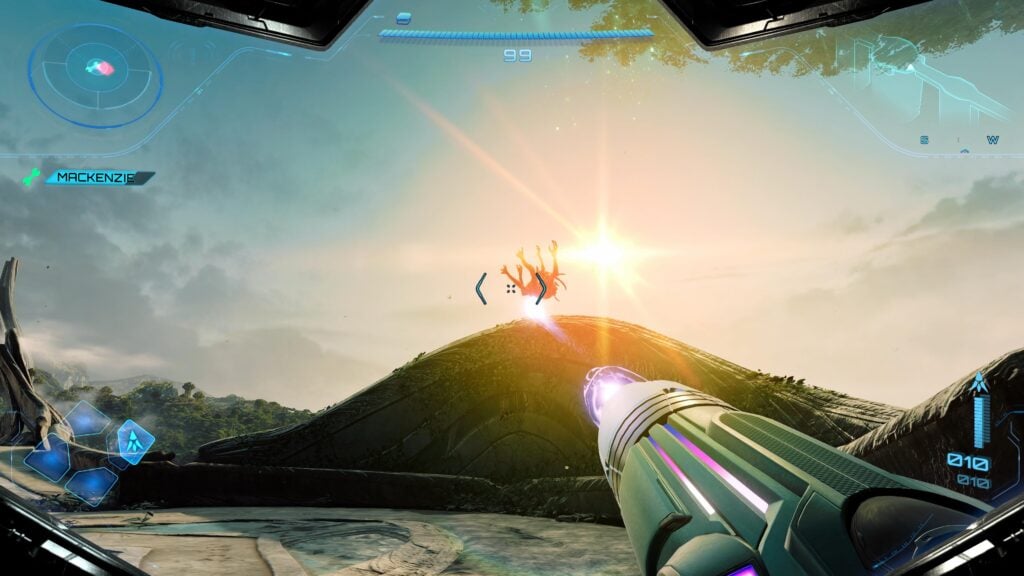
Where Metroid Prime 4 falters most is in its attempt to broaden its scope through open-world-inspired design choices. Larger, more open areas replace the tightly curated progression that once defined the series, and the result feels misguided. These spaces are expansive but often lack intent, introducing extended traversal that adds scale without tension or discovery. Instead of the carefully layered level design that made backtracking feel rewarding, openness frequently dilutes pacing and undermines the sense of deliberate progression and, at worst, offers boredom and nothing else. It’s a shift that feels imposed rather than earned, and one that runs counter to what Metroid Prime historically did best.
Narratively, the game leans slightly more toward explicit storytelling than previous entries, but it never fully commits to making that shift meaningful. Cinematic moments and dialogue provide context, yet they rarely elevate the experience beyond what environmental storytelling already accomplished more elegantly in earlier games. Samus remains compelling through atmosphere and action, but the surrounding narrative feels functional rather than impactful, leaving little lasting emotional weight.
Conclusion
In the end, Metroid Prime 4 is a competent, polished, and deeply nostalgic return that does exactly what it promises: deliver another Metroid Prime, but it doesn't go much further than that. It plays well, looks good, and feels reassuringly familiar, yet that familiarity becomes impossible to ignore given the length of its development and the leap to new hardware. For longtime fans, this conservatism may be comforting, even welcome. For a franchise returning after such a prolonged absence, however, it’s hard not to feel that simply being serviceable wasn’t enough. Metroid Prime 4 doesn’t fail, but it also doesn’t truly evolve, settling into safety when the series arguably needed ambition, excitement, and purpose.
SDHQ's Review Breakdown
In the end, Metroid Prime 4 is a competent, polished, and deeply nostalgic return that does exactly what it promises: deliver another Metroid Prime, but it doesn't go much further than that. It plays well, looks good, and feels reassuringly familiar, yet that familiarity becomes impossible to ignore given the length of its development and the leap to new hardware. For longtime fans, this conservatism may be comforting, even welcome. For a franchise returning after such a prolonged absence, however, it’s hard not to feel that simply being serviceable wasn’t enough. Metroid Prime 4 doesn’t fail, but it also doesn’t truly evolve, settling into safety when the series arguably needed ambition, excitement, and purpose.
Score Breakdown





RECENT NEWS
Recent Tips & GUIDES
recent Nintendo reviews