Avatar Legends: The Fighting Game was provided by the publisher for review. Thank you!
2026 has been one of the biggest years the fighting game community has seen in a long time. Invincible VS has already launched, while Marvel TOKON and Saturday AM Battle Manga are on the way and continuing to build excitement. Yet through all of it, there was one game that seemed to dominate every conversation: Avatar Legends. Ever since its reveal at NYCC 2025, players have praised its gorgeous 100% hand-drawn visuals and strong competitive foundation. Now that the full game is finally here, we played the hell out of it, and it's time to find out whether it truly lives up to the hype.
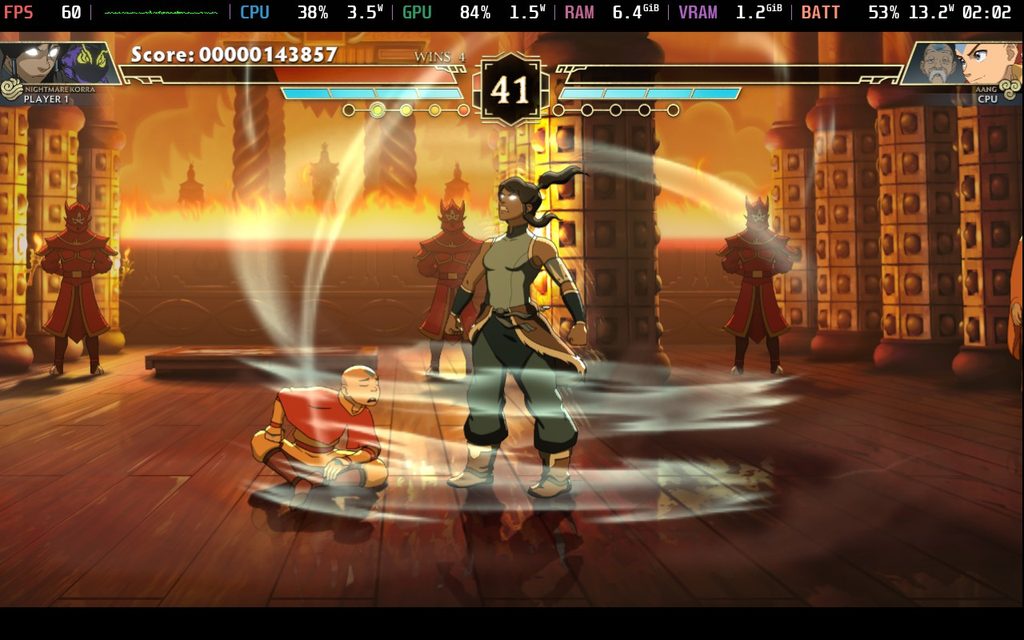
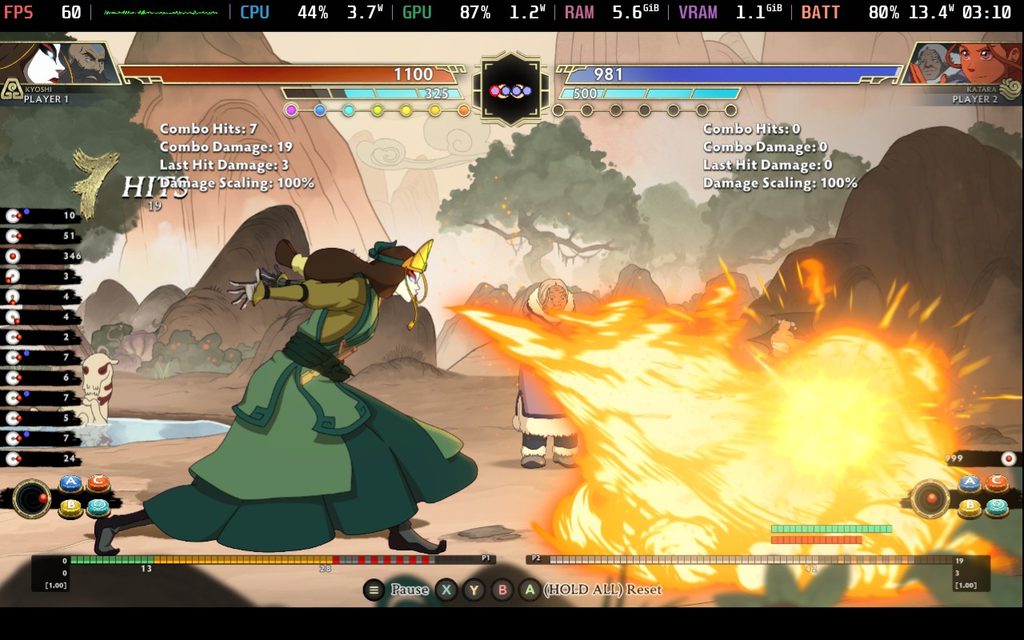
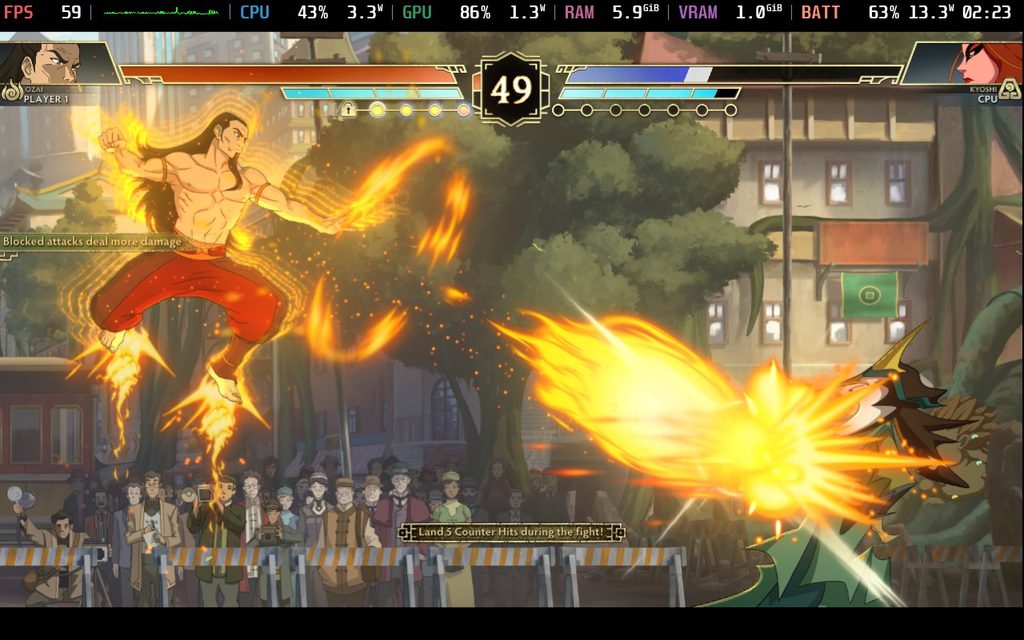
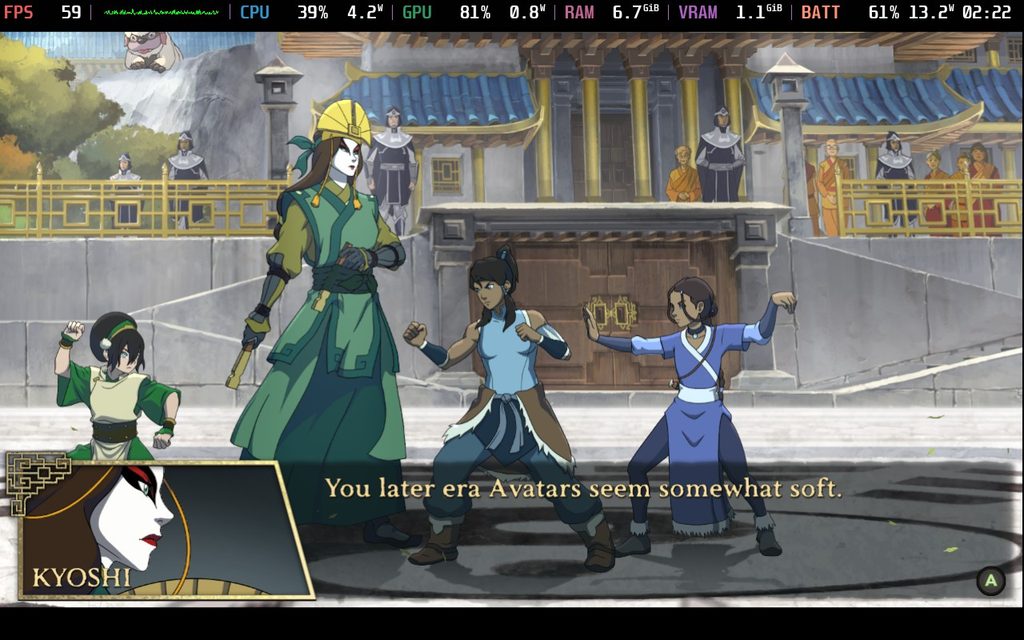
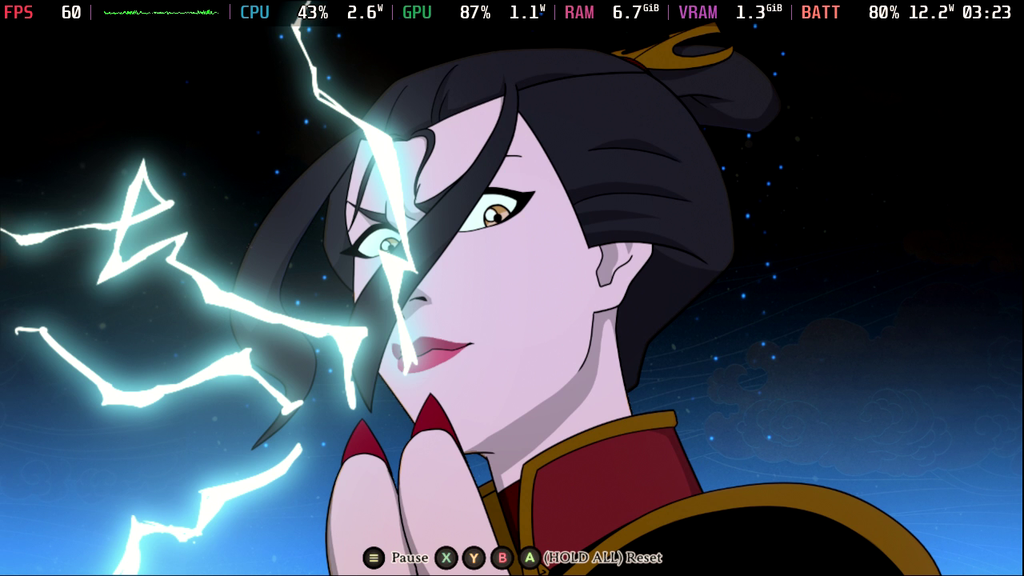
When I first booted up the game, I was mesmerized by its incredible hand-drawn visuals. Every frame of every move was drawn by hand, with over 900 frames per character. The artistic effort behind it is undoubtedly impressive, and the result is nothing short of a masterpiece. Every stage, animation, and special effect looks like it came straight out of the childhood animated series, blending together perfectly to create a visual spectacle that no other fighting game even comes close to. I'm a longtime fighting game player and have played hundreds of titles over the years, from anime fighters to realistic 3D titles. Avatar Legends is, by far, the most visually impressive fighting game I've ever seen.
At its core, the game is a fast-paced 1v1 fighter that puts a heavy emphasis on movement and defensive options. It features Light, Medium, and Heavy attacks that automatically chain into one another, much like traditional anime fighters, while also incorporating unique attacks and motion inputs inspired by games like Street Fighter and The King of Fighters. On the surface, its core gameplay is built around blending the fundamentals of these two distinct fighting game styles.
Once you dive deeper into the mechanics, however, one system immediately stands out: Flow. It's the game's defining mechanic, and easily your most valuable resource. Instead of simply blocking, Flow allows you to evade attacks by dashing, rolling, or launching yourself out of danger depending on the situation. Think of it as a defensive mechanic, like a parry, but with a huge emphasis on movement instead.
Flow doesn't stop there, though. It can also be used to cancel unique attacks, certain special moves, and even jump-cancel normals to extend combos. On top of that, it enables Flow Dashes, pressure escapes, combo breakers, wake-up recovery rolls, and countless character-specific techniques. Nearly every advanced interaction in Avatar Legends revolves around mastering Flow, making it the heart of the game's combat system and an incredibly satisfying mechanic to experiment with.
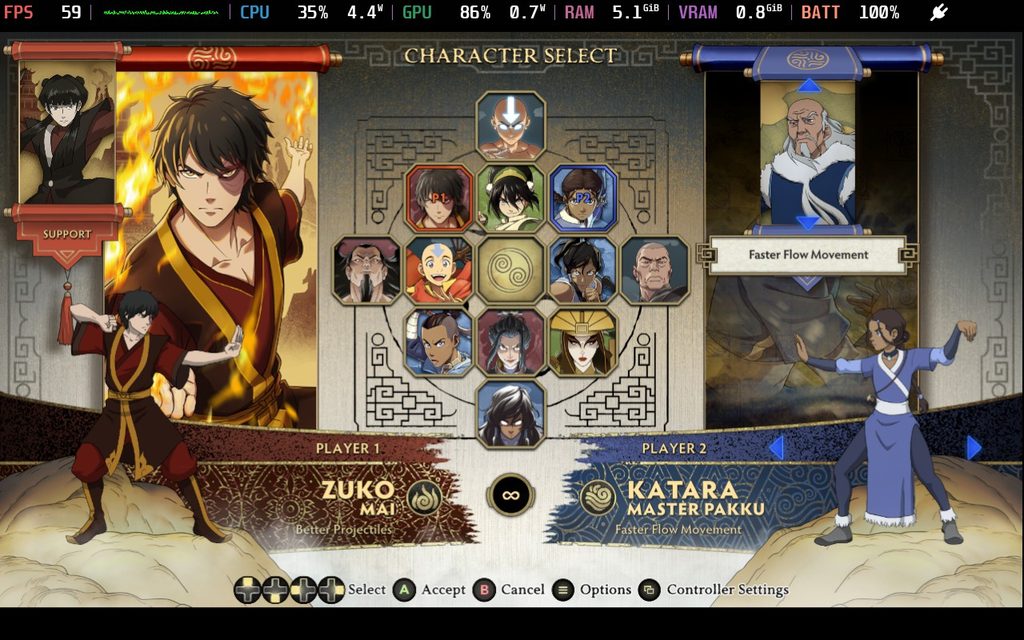
The game also uses some sort of "Assist" or "Support Character" system, but unlike Mortal Kombat 1's Kameos or a tag fighter's active assists, they only give you buffs that drastically change your playstyle and combo routes. It's more like a mix of Mortal Kombat X's Variations and Street Fighter Alpha's fighting styles (A-ISM, V-ISM), but presented in a cute and creative way. It's probably my favorite feature of the game altogether. Experimenting with different support characters and what they offer is great, and you can also counter bad matchups without having to learn an entirely different character that way. It creates solutions, and I'm all for it.
Some characters also have unique mechanics, almost like little "mini-games" built into their kits. For example, Korra (my main) has an Element bar, and if you hit your opponent with the corresponding elements in the order the game shows you, you enter an enhanced Avatar State that amplifies your next special move, giving it entirely different properties. Zuko also has a unique sword mechanic that builds up whenever he uses special moves. Once the sword gauge is full, he can cancel one special move into another, opening up entirely new combo routes and zoning opportunities.
Avatar Legends is surprisingly difficult, and I genuinely mean that as a compliment. Everything from jump-cancel instant special moves and frame-perfect combo timings to meaty setups and countless advanced mechanics I've seen throughout the years is present here.
Fighting game developers have continuously tried to make the genre more approachable in a lot of ways. Motion inputs have become more forgiving, modern control schemes introduced one-button special moves, combo timings have been widened, and execution barriers lowered all across the board. While I completely understand why newcomers may find the genre intimidating, this philosophy has also stripped away much of the player expression and rewarding execution that long-time fighting game fans grew to love.
That's exactly why Avatar Legends surprised me. An Avatar game is the last place I expected to find an old school fighting game philosophy, especially considering it also needs to appeal to fans of the series who may have never touched the genre before. Yet instead of simplifying its mechanics, the developers tackled what I believe has always been the real problem: teaching players how to play.
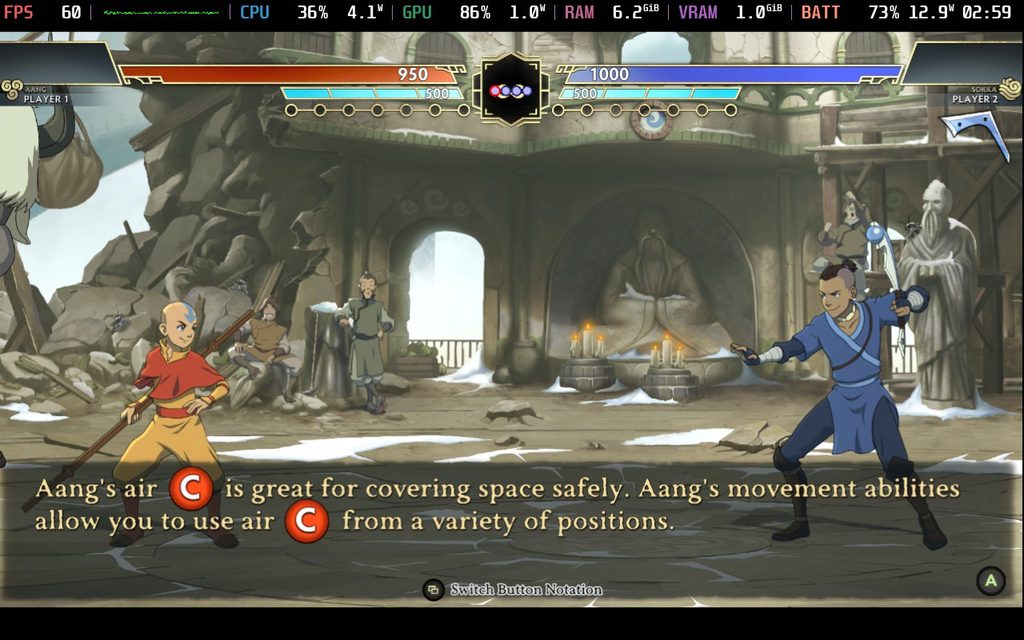
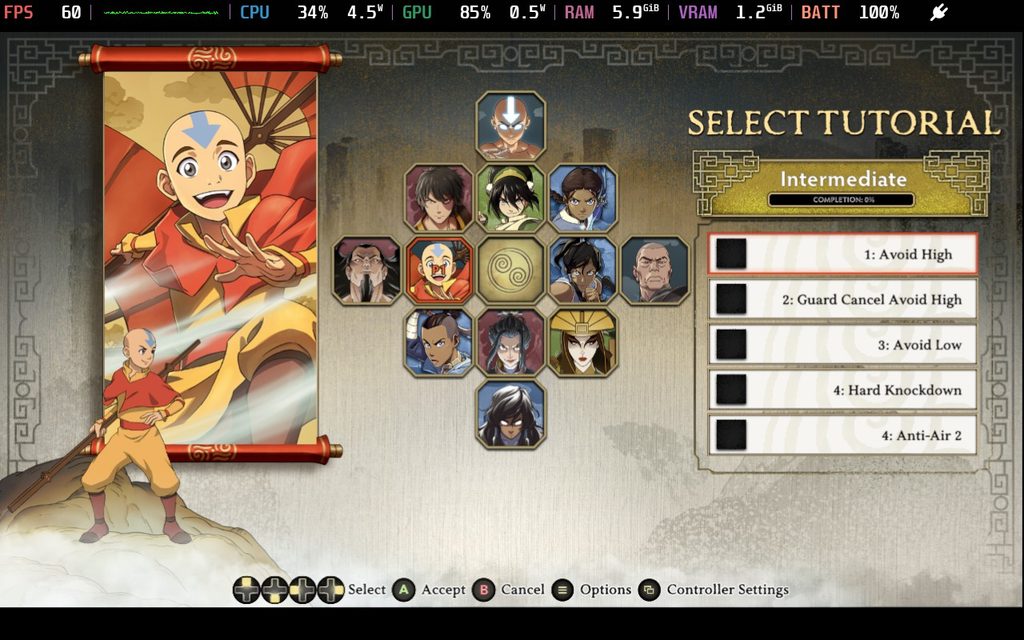
Avatar Legends features one of the most comprehensive tutorials I've ever seen in a fighting game. From beginner lessons covering the absolute basics to in-depth character guides and advanced mechanics, nearly every system is explained in detail. Even the Combo Trials include a Breakdown mode that lets you perform each input step by step while explaining exactly where you're making mistakes. The character tutorials don't just teach combos, they cover fundamental concepts that transcend across the entire roster.
At the same time, the game doesn't abandon casual players. Auto combos mapped to single buttons make it easy for newcomers to jump in and enjoy the game without immediately learning difficult execution. It's an excellent compromise. Avatar Legends preserves the mechanical depth veteran players crave while providing enough learning tools and accessibility options for complete beginners. In my opinion, it's one of the best examples of how fighting games should approach accessibility going forward.
The roster consists of 12 characters, and I have to say this: every single one feels like they're playing a completely different game. I honestly can't remember the last time I saw such creative and diverse character design in a fighting game. Zaheer focuses on summoning his followers, Korra completes missions to unlock her Avatar State, Azula traps opponents with lingering flame traps, Toph bulldozes through attacks with armor while creating pillars and obstacles, and Ozai spends half the match flying through the air with lightning and fire before suddenly turning into a command-grab character with an active parry. Every character is masterfully crafted, and no two playstyles feel remotely alike.
The funny thing is that, when I first looked at the character select screen and saw both Avatar Aang and Nightmare Korra. I immediately assumed they would be lazy copy or "evil clone" characters, similar to Evil Ryu in Street Fighter or Kuma and Panda in Tekken. As a reviewer, I thought I'd found something to criticize. Instead, they turned out to be completely unique characters with their own mechanics, animations, and gameplay identities. It was a nice surprise that made me love the game even more.
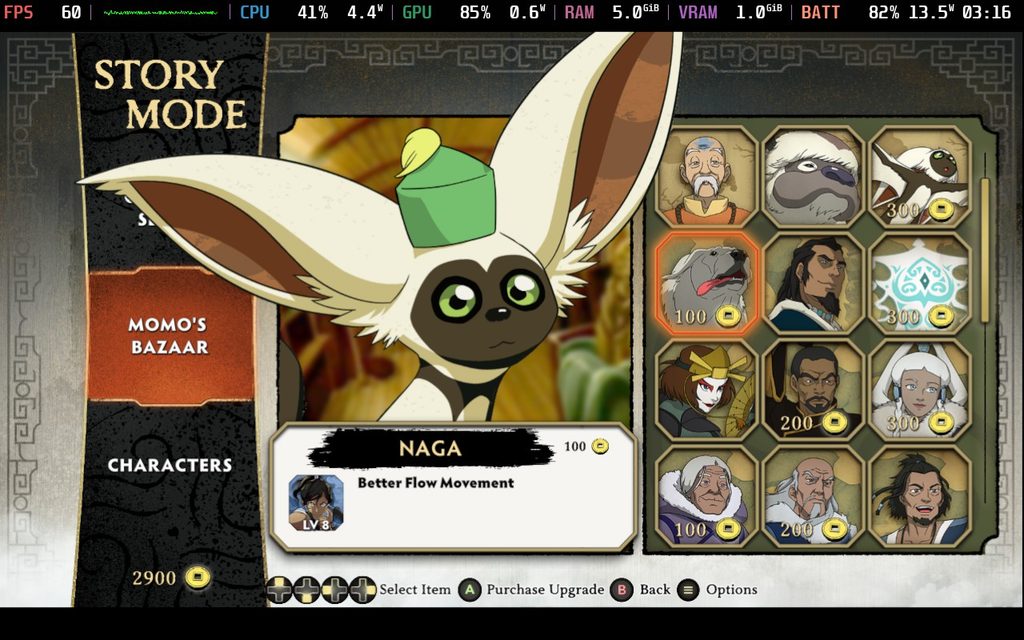
Avatar Legends has a separate Story Mode in addition to the familiar Arcade Mode, and it's also something I've never seen in this genre. The Story Mode is a whopping 27-chapter narrative with roguelike elements. As your characters fight in Story Mode, they level up, unlock stronger attacks, gain more Focus and EX bars, and become stronger. What is unique, though, is that you earn coins from each fight, and you can spend those coins to unlock support characters from Momo's Shop. The Story Mode also has small challenges for many of the fights that require you to perform three air throws, finish the match with a Super, etc., which reward you with more coins as well.
The craziest part is that, unlike the regular game, you can have multiple support characters active on a single character. I personally even went back to Story Mode with Korra to do some impossible combos with those combinations just for fun. It really is a tiny, great addition.
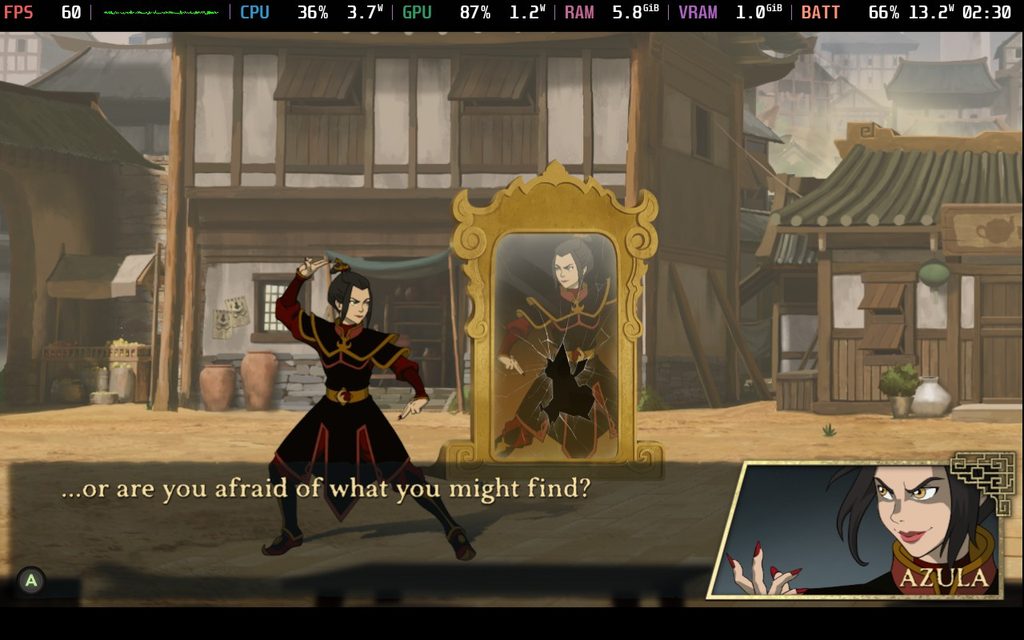
The story itself is written by Tim Hedrick, an absolute legend in the Avatar community who wrote ten episodes of the original series and numerous comic books set in the universe. However, when I first started the story, it didn't make any sense at all. The characters were acting weird, the script felt awfully confusing, and it came across as some kind of cliché multiverse nonsense. It felt a little disappointing at first. I want to avoid major spoilers, so I won't say what happens, but once you reach a certain point, you realize all of those moments were intentional, and everything suddenly makes sense. From that point on, it felt like a true Avatar episode, full of the cringey, cute, wholesome moments the series is known for.
The only thing that bugged me was the presentation. It plays out like a visual novel, with characters talking while in-game animations play in the background. Luckily, I got used to it over time, and honestly, it started to feel unique and has a certain charm, although I would still prefer fully animated cutscenes. Still, they nailed this creative way to tell a story.
Arcade Mode's character-specific stories share that same charm and wholesome character interactions we love. They fit the game's tone perfectly, and it was genuinely fun going through each character's story and exploring their unique dialogue and personal moments.
The voice acting is absolutely phenomenal. While I was playing the game, I genuinely thought they were using the original voice actors from the animated series. I realized that wasn't the case when I reached the Story Mode credits, and it made me appreciate the casting even more. All of the soundtracks are extremely well made, unique, and perfectly fit the Avatar universe. The sound design also deserves praise, as every character's moves have distinct, impactful sound effects that greatly enhance their identity and overall immersion. Masterful audio work!
For Online Play, the game uses solid rollback netcode with minimal lag. It feels much more responsive than many other 2D fighters I've played. As long as you're not playing against someone overseas or with a poor connection, the experience is more than acceptable.
The only issue is that the online modes are limited to Ranked, Quick Match, and Player Lobbies. As I say in all of my fighting game reviews, not having an Online Training Mode in 2026 is a huge dealbreaker, even for a masterpiece. Especially in a difficult game with so much combo freedom, being able to figure things out together, practice, or teach your friends would be incredibly fun.
Avatar Legends: The Fighting Game - Steam Deck Performance
I'm extremely happy to say that Avatar Legends is a flawless experience on Steam Deck. You get a stable 60 FPS. There are no graphics settings (since the game is hand-drawn), and there is zero input lag or stuttering. The game looks just as gorgeous as it does on a 4K screen, and the art style fits perfectly on an OLED display.
My only issue was the battery drain. By default, the game consumed around 17–19 watts, which is a lot for a hand-drawn game. Luckily, after setting the TDP to 7W, it dropped to around 12–13 watts, which is perfect for long gaming sessions on the go. You can go even lower, but 7W is the limit for a perfect 60 FPS experience with zero drops. 6W is acceptable for non-competitive players as well.
Online play also works without issues, and with a solid Wi-Fi connection, the game offers great netcode with minimal lag, which is good news since online play has traditionally been the weakest part of the genre on handhelds.
2D fighters were already a joy in the palms of our hands, and having a gorgeous one like this join the list is extremely satisfying.
Conclusion:
Avatar Legends is a masterpiece. It takes everything that makes fighting games special and executes it at an incredibly high level, while remaining welcoming to newcomers through its outstanding tutorials and accessibility options. Combined with its breathtaking 100% hand-drawn visuals that perfectly capture the spirit of the animated series, it stands as one of the most impressive and memorable fighting games I've ever played.
The Steam Deck experience is just as impressive. With a flawless locked 60 FPS and a 8W TDP limit, Avatar Legends feels right at home on the Deck. If you're looking for one of the best fighting games to play on Steam Deck, this is the easiest recommendation of my life.
Our review is based on the PC version of this game.
If you enjoyed this review, be sure to check out the rest of the content on SteamDeckHQ! We have a wide variety of game reviews and news that are sure to help your gaming experience. Whether you're looking for news, tips and tutorials, game settings and reviews, or just want to stay up-to-date on the latest trends, we've got your back.
SDHQ's Build Score Breakdown
Avatar Legends: The Fighting Game is a masterpiece, finding a great balance for newcomers and veterans, while offering unique mechanics to keep it exciting. It's also fantastic on the Steam Deck.
Onat has been immersed in gaming since childhood, witnessing the industry evolve across generations of hardware. Over time, his curiosity shifted from simply playing games to understanding how they run. A former competitive fighting game player, he developed a deep appreciation for performance precision, responsiveness, and mechanical depth. Today, he specializes in handheld performance optimization, particularly on the Steam Deck, analyzing frame pacing, power efficiency, and graphics scaling to push portable hardware to its limits.
Let us know what level of playability you consider Avatar Legends: The Fighting Game to be. Help our community determine the viability of playing this game on Steam Deck!
We use cookies on our website to give you the most relevant experience by remembering your preferences and repeat visits. By clicking “Accept”, you consent to the use of ALL the cookies.
This website uses cookies to improve your experience while you navigate through the website. Out of these, the cookies that are categorized as necessary are stored on your browser as they are essential for the working of basic functionalities of the website. We also use third-party cookies that help us analyze and understand how you use this website. These cookies will be stored in your browser only with your consent. You also have the option to opt-out of these cookies. But opting out of some of these cookies may affect your browsing experience.
Necessary cookies are absolutely essential for the website to function properly. These cookies ensure basic functionalities and security features of the website, anonymously.
Cookie
Duration
Description
cookielawinfo-checkbox-advertisement
1 year
Set by the GDPR Cookie Consent plugin, this cookie is used to record the user consent for the cookies in the "Advertisement" category .
cookielawinfo-checkbox-analytics
11 months
This cookie is set by GDPR Cookie Consent plugin. The cookie is used to store the user consent for the cookies in the category "Analytics".
cookielawinfo-checkbox-functional
11 months
The cookie is set by GDPR cookie consent to record the user consent for the cookies in the category "Functional".
cookielawinfo-checkbox-necessary
11 months
This cookie is set by GDPR Cookie Consent plugin. The cookies is used to store the user consent for the cookies in the category "Necessary".
cookielawinfo-checkbox-others
11 months
This cookie is set by GDPR Cookie Consent plugin. The cookie is used to store the user consent for the cookies in the category "Other.
cookielawinfo-checkbox-performance
11 months
This cookie is set by GDPR Cookie Consent plugin. The cookie is used to store the user consent for the cookies in the category "Performance".
CookieLawInfoConsent
1 year
Records the default button state of the corresponding category & the status of CCPA. It works only in coordination with the primary cookie.
viewed_cookie_policy
11 months
The cookie is set by the GDPR Cookie Consent plugin and is used to store whether or not user has consented to the use of cookies. It does not store any personal data.
Functional cookies help to perform certain functionalities like sharing the content of the website on social media platforms, collect feedbacks, and other third-party features.
Cookie
Duration
Description
loid
2 years
This cookie is set by the Reddit. The cookie enables the sharing of content from the website onto the social media platform.
Performance cookies are used to understand and analyze the key performance indexes of the website which helps in delivering a better user experience for the visitors.
Analytical cookies are used to understand how visitors interact with the website. These cookies help provide information on metrics the number of visitors, bounce rate, traffic source, etc.
Cookie
Duration
Description
__gads
1 year 24 days
The __gads cookie, set by Google, is stored under DoubleClick domain and tracks the number of times users see an advert, measures the success of the campaign and calculates its revenue. This cookie can only be read from the domain they are set on and will not track any data while browsing through other sites.
_ga
2 years
The _ga cookie, installed by Google Analytics, calculates visitor, session and campaign data and also keeps track of site usage for the site's analytics report. The cookie stores information anonymously and assigns a randomly generated number to recognize unique visitors.
_ga_VF6TNG7YS7
2 years
This cookie is installed by Google Analytics.
_gat_gtag_UA_232930512_1
1 minute
Set by Google to distinguish users.
_gid
1 day
Installed by Google Analytics, _gid cookie stores information on how visitors use a website, while also creating an analytics report of the website's performance. Some of the data that are collected include the number of visitors, their source, and the pages they visit anonymously.
CONSENT
2 years
YouTube sets this cookie via embedded youtube-videos and registers anonymous statistical data.
Advertisement cookies are used to provide visitors with relevant ads and marketing campaigns. These cookies track visitors across websites and collect information to provide customized ads.
Cookie
Duration
Description
__gpi
1 year 24 days
Google Ads Service uses this cookie to collect information about from multiple websites for retargeting ads.
edgebucket
session
Reddit sets this cookie to save the information about a log-on Reddit user, for the purpose of advertisement recommendations and updating the content.
IDE
1 year 24 days
Google DoubleClick IDE cookies are used to store information about how the user uses the website to present them with relevant ads and according to the user profile.
session_tracker
2 hours
This cookie is set by the Reddit. This cookie is used to identify trusted web traffic. It also helps in adverstising on the website.
test_cookie
15 minutes
The test_cookie is set by doubleclick.net and is used to determine if the user's browser supports cookies.
VISITOR_INFO1_LIVE
5 months 27 days
A cookie set by YouTube to measure bandwidth that determines whether the user gets the new or old player interface.
YSC
session
YSC cookie is set by Youtube and is used to track the views of embedded videos on Youtube pages.
yt-remote-connected-devices
never
YouTube sets this cookie to store the video preferences of the user using embedded YouTube video.
yt-remote-device-id
never
YouTube sets this cookie to store the video preferences of the user using embedded YouTube video.