まだの方は、X(Twitter)、Mastodon、Blueskyでフォローし、新しい記事が投稿されたらお知らせください。また、Redditに参加したり、YouTubeに登録して、私たちのコンテンツをチェックしたり、素晴らしいコミュニティと交流してください。応援ありがとうございました!
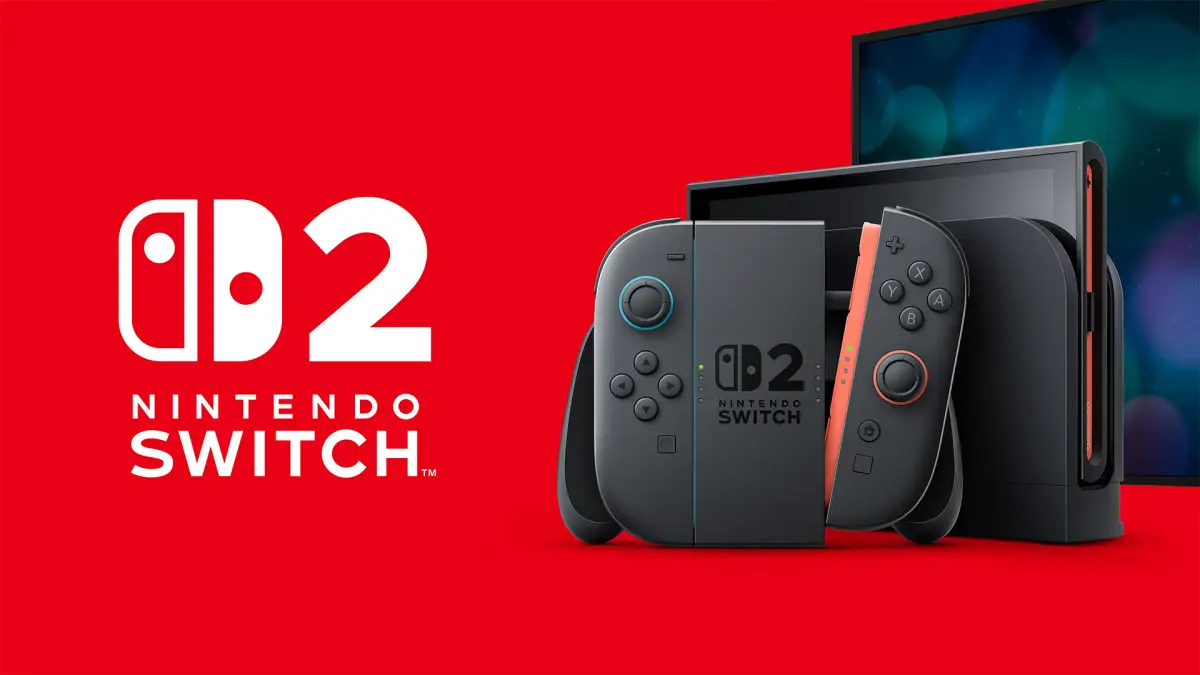
To no surprise, the follow-up to 2017’s Nintendo Switch, aptly named the Nintendo Switch 2, is considerably more powerful this time - 10 times more, supposedly. And, thanks to a recent Nvidia Blog post, we’re now just that bit wiser about the hardware powering this sure-fire hit of a hybrid console.
In a dedicated Nintendo Switch 2 Direct on April 2nd (read all about it here!), we learnt that the console supports 4K 60 when docked and up to 1080p 120fps when handheld, all while supporting HDR in both modes. What’s powering this, however, is a “custom NVIDIA processor featuring an NVIDIA GPU with dedicated RT Cores and Tensor Cores for stunning visuals and AI-driven enhancements.”

What does this mean in the real world, then? The RT Cores enable real-time ray tracing, allowing lifelike lighting, reflections, shadows, and more to deliver richer, more immersive worlds. We know we’re already getting Nintendo Switch 2 Enhanced versions of The Legend of Zelda: Breath of the Wild and The Legend of Zelda: Tears of the Kingdom, but what I’d do to see them in a fully realised, ray-traced world… it gets me far too excited if I’m being honest with you.
The Tensor Cores, meanwhile, bring DLSS to the Switch 2, “boosting resolution for sharper details without sacrificing image quality”. It’s a much-used and relied-upon PC technology, so seeing it coming to the Switch 2 is indeed exciting. Outside of the games, though, the Tensor Cores also enable “AI-powered face tracking and background removal in video chat” for anyone considering partaking in such a frivolity.
The performance difference between Handheld and Docked will be much more significant this time, with the difference between 1080p and 4K considerably more noticeable than the 720p and 1080p of the original, respectively. There are no doubt more technical wonders and announcements to come our way, too - the last bullet point on the Nvidia blog mentions using NVIDIA G-SYNC, a type of Variable Refresh Rate (VRR) technology, ensuring “ultra-smooth, tear-free gameplay” whilst in handheld mode, even if frame rates aren't entirely stable.
Taking it away from Nintendo for a second, I’m hoping that such technologies being included and utilised for such a mass-market device could indicate what we may expect for any Steam Deck successor coming down the road. We already have RTX support on Valve’s dedicated handset, but to see it improved upon certainly wouldn’t go amiss.
What do you think of a Nintendo console finally getting ray-tracing and DLSS? Let us know below!
この記事を楽しんでいただけたなら、SteamDeckHQ の他のコンテンツもチェックしてみてください!あなたのゲーム体験に役立つゲームレビューやニュースを幅広く取り揃えています。ニュース、ヒントやチュートリアル、ゲーム設定やレビュー、最新のトレンド情報など、あらゆる情報をお届けします。 カバーしています!

最近のニュース
カテゴリー
Accessories
Anbernic
Android
ASUS ROG Ally
ROG Xbox Ally
Classics on Deck
Community
Cryobyte33
Deals
Deck Mods
Emulation
Events
Featured Post
Game News
Game News
General Game News
HandheldHQ
Hardware
Lenovo
Linux
MagicX
Nintendo
ONE-NETBOOK
Opinion
Other Reviews
Accessory Reviews
Handheld Reviews
PlayStation
Proton
Retro Handhelds
Anbernic
AYANEO
AYN
GPD
MagicX
MANGMI
Retroid
TrimUI
SDHQ
Steam
Steam Machine
SteamOS
The Unsupported Report
Uncategorized
Uncategorized
最近のヒント&GUIDES
新着レビュー