まだの方は、X(Twitter)、Mastodon、Blueskyでフォローし、新しい記事が投稿されたらお知らせください。また、Redditに参加したり、YouTubeに登録して、私たちのコンテンツをチェックしたり、素晴らしいコミュニティと交流してください。応援ありがとうございました!
The Miyoo Mini Flip was provided by MechDIY for review. Thank you!
Miyoo is one of the crowned jewels among retro handhelds. Retro handhelds gained a considerable amount of fanfare during the COVID-19 pandemic, largely due to the volume of posts being shared online about the original Miyoo Mini. It was small, portable, and could play nearly any truly retro console thrown its way. The Miyoo Mini Flip is, unsurprisingly, a continuation of that same ethos.
When the Miyoo Mini originally launched, not to be confused with the Miyoo Mini Flip, it quickly became one of my favorite devices. It's perfectly pocketable, small, and at the time, was easily replaceable. It hit all the marks for me, something that I could easily carry around with me and use momentarily while having access to a library of games that I grew up playing through a variety of different means.
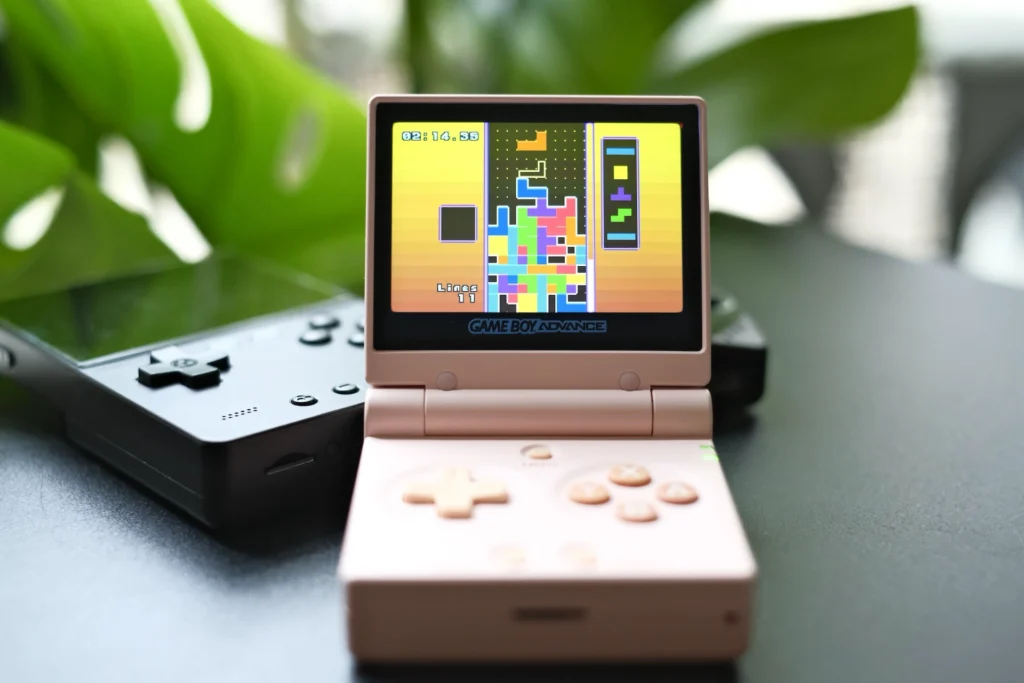
However, as time goes on, the retro handheld space has evolved and grown into a new beast. We have devices that are specifically made to emulate key handhelds from our past, while also having devices that can comfortably emulate a handful of PS3 games. All in the space of five years, we've seen innovation, growth, excitement, and change that evokes a sense of nostalgia that remains unparalleled through modern technology. Miyoo followed this same logic and essentially turned their Miyoo Mini into a clamshell, the Miyoo Mini Flip.
Looking Back: The Miyoo Mini Won Big
The Miyoo Mini did exactly what it was made to do. Give gamers a quick and easy way to play games from a plethora of old consoles with little fuss and simple controls. It boiled handheld features down to the bare minimum, similar to the original Game Boy Advance SP, and paired that with a four-button layout reminiscent of the Super Nintendo. It focused on the essentials and executed them well.
Making games playable was already possible thanks to the chipset inside the Miyoo Mini, the ARM Cortex-A7 dual-core 1.2 GHz. While it was not especially powerful, it was more than capable of handling GBA, SNES, NES, and a solid majority of PS1 titles. The original operating system had plenty working against it, but that issue did not last long.
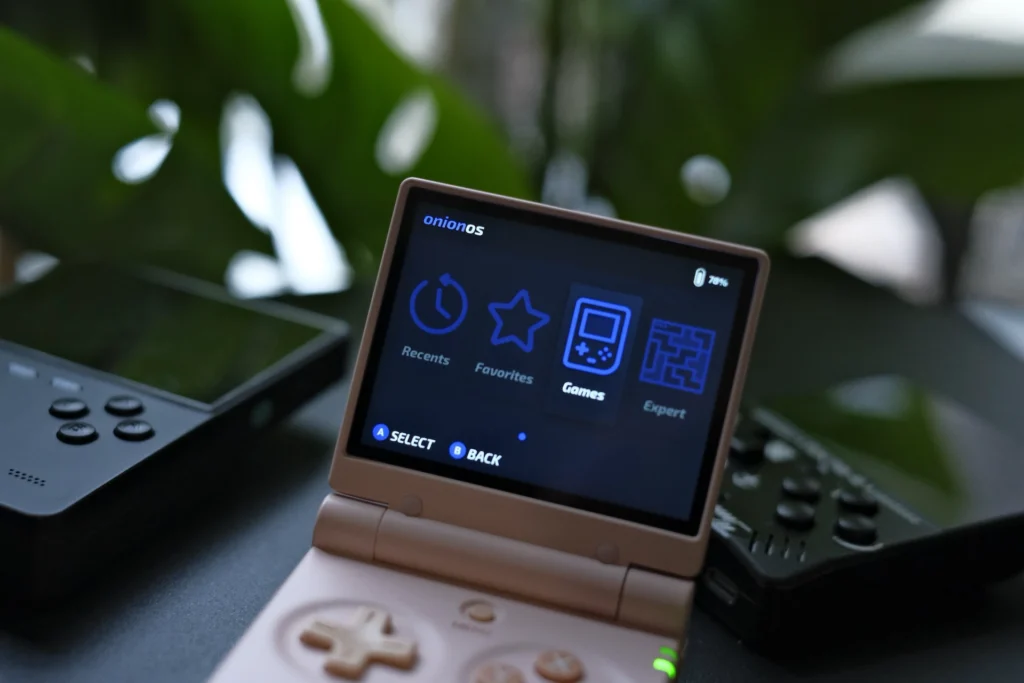
The introduction of OnionOS turned the handheld into a true standout in a sea of devices yearning for better operating systems. OnionOS makes everything intuitive and easy, while also allowing software modularity through third-party apps installed directly on the micro SD card. It took the device from loved to truly beloved.
And then there is the screen. One thing about me is that I love a good display. Monitors, TVs, handhelds, anything. I love the contrast and clarity OLED provides, but I also place a high priority on integer scaling for retro games and pixel art. My main area of focus is the GBA, so having a device that can integer scale GBA visuals properly is always preferred.
The original Miyoo Mini featured a standard 480p resolution, which works well for most home retro consoles. It allows many games to be at least 2x integer-scaled. For GBA, however, it is not ideal. The GBA uses a 3:2 aspect ratio at 240 x 160, and with a 640 x 480 screen, it falls just short of achieving a clean 3x integer scale.
That changed with the V4 of the Miyoo Mini, which introduced a new screen at the same 2.8-inch size but with a 750 by 560 resolution. With some black bars on the sides, GBA games can now hit a clean 3x integer scale, which makes a noticeable difference. Pixel density also plays a big role here. Packing such a high resolution into a screen under three inches makes colors feel denser, pop more, and ultimately look more appealing.
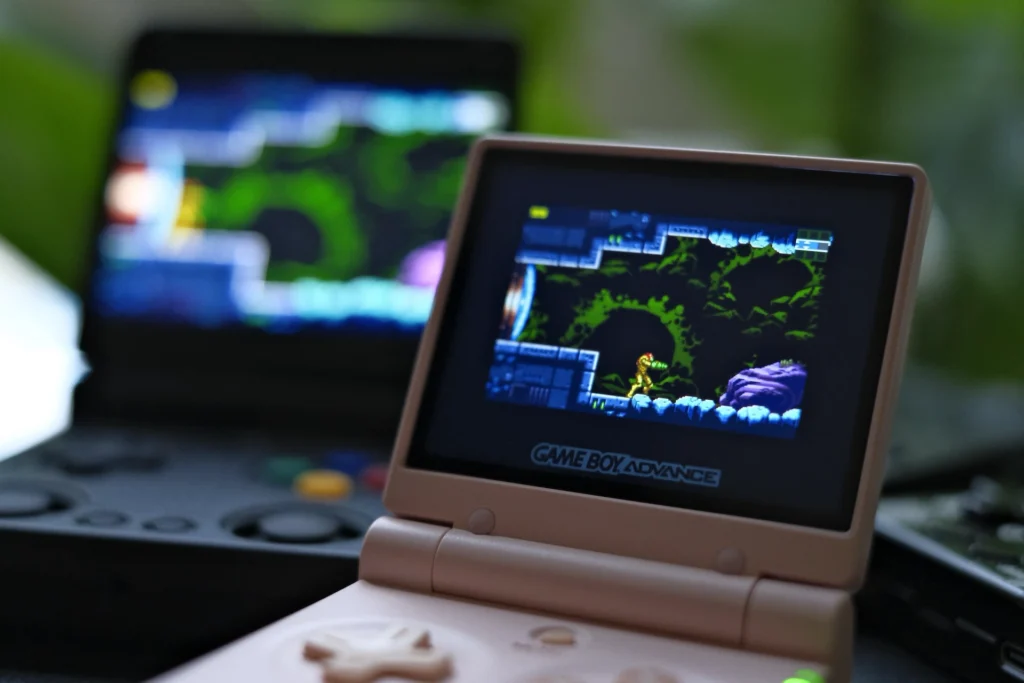
The screen does feel like a relic of its time, however. Not that it's bad, but since the release of devices like the RG34XX SP, which have a native 3x integer scale on GBA titles, and sit at 3.4 inches diagonally, paired with arguably the best panel we have seen in the budget handheld arena, it doesn't compare. The Miyoo Mini Flip gets the job done and leans heavily on pixel density to do so. Perfect Overlays within OnionOS make GBA games look great with a 3x integer scale and minimal black bars, but the actual panel being used for the screen still falls short of what Anbernic was able to accomplish with both the RG34XX and RG34XX SP.
The original, V2, and V3 all use the 480p screen, with newer revisions making slight changes to the overall device. The V4 stands out by improving the screen in a way that benefits GBA significantly. However, that being said, the Miyoo Mini Flip merges portability and clamshell design meta into one single package in a way that other devices have yet to explore.
Miyoo Mini Flip is a Mini Clamshell King
Clamshell devices became a fan favorite throughout 2024 and beyond. We saw the Retroid Pocket Flip back in 2023, but the love for the design goes all the way back to the Game Boy Advance SP. Hinge design, usability, and necessity have always made clamshells tricky to get right, but Miyoo may have found the perfect use case here, especially given how small the device already was.
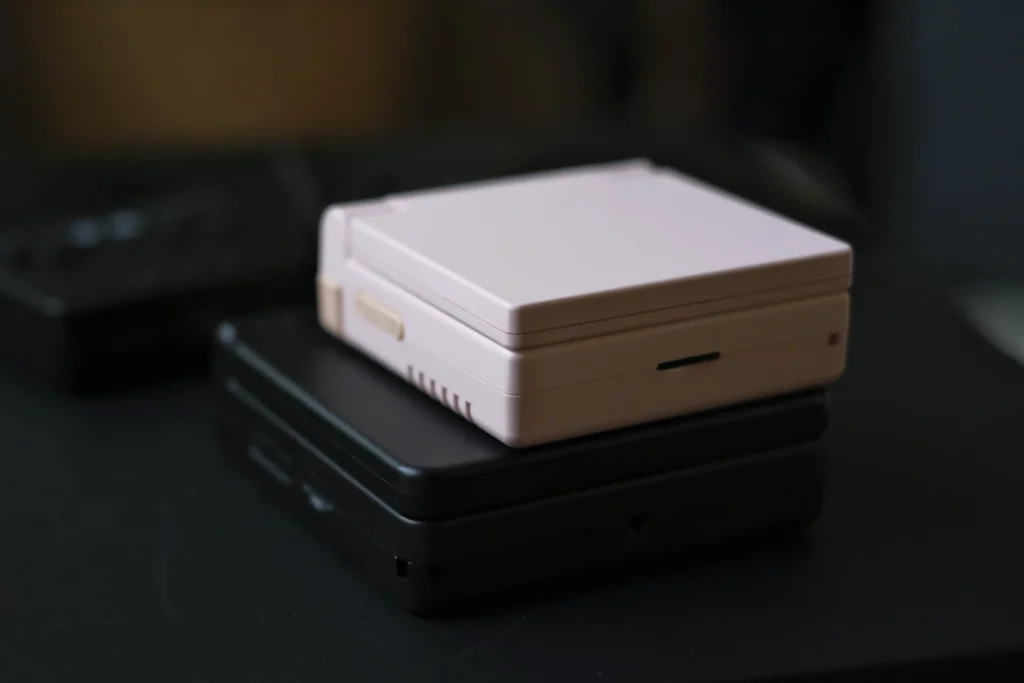
The original Miyoo Mini stood just 3.68 inches tall, making it an easy device to toss into a pocket. Turning it into a clamshell not only protects the screen when stored, but also reduces its height to about 2.6 inches when closed. When opened, it stretches to nearly 4.9 inches tall, offering more space during use while maintaining a smaller footprint when not in use.
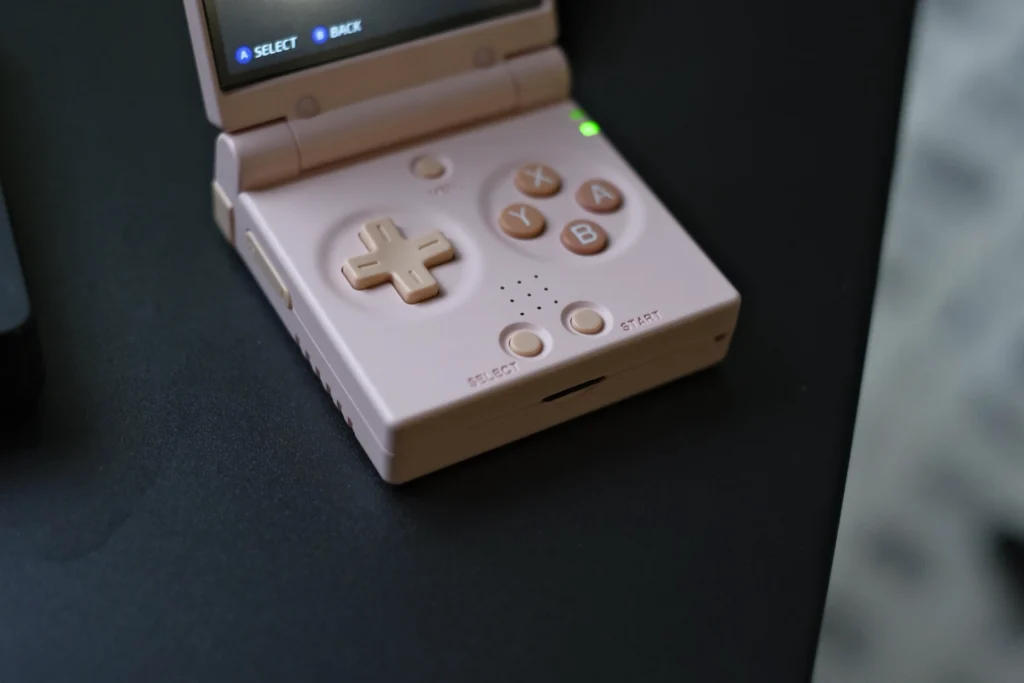
Miyoo Mini Flip Specs
CPU: Cortex-A7 1.2 GHz (dual-core)
Operating System: Linux / OnionOS
Display: 2.8 inch IPS
Resolution: 750 × 560 (4:3)
Wi-Fi: 2.4 GHz (no Bluetooth)
Battery: Built-in 2500 mAh (approx. 5–6 hours)
Storage: microSD expansion support
Playing on the Mini Flip feels natural, but also a bit too subtle for my tastes. Small devices are a treasured lane for me, but at the same time, the introduction of the RG34XX SP, which mirrors the base design of the original GBA SP, is a preferred experience overall. It's larger, by a wide margin, but it's still going in the same pocket the Miyoo Mini Flip would. It has a 3:2 screen by design, does 3x integer scaling on GBA, and is as vibrant as ever. The Miyoo Mini Flip fills a small niche, though, for a small, pocketable handheld that can fly under the radar. Granted, we do have the pink one for review, and it still shines when in use.
A "better" experience may be possible on a larger clamshell, but with a device this small, the marvel of being able to see home consoles emulated in such a small package with such high pixel density, its niche cannot be filled by any of its competitors. It feels like playing is the focus, not managing the hardware.
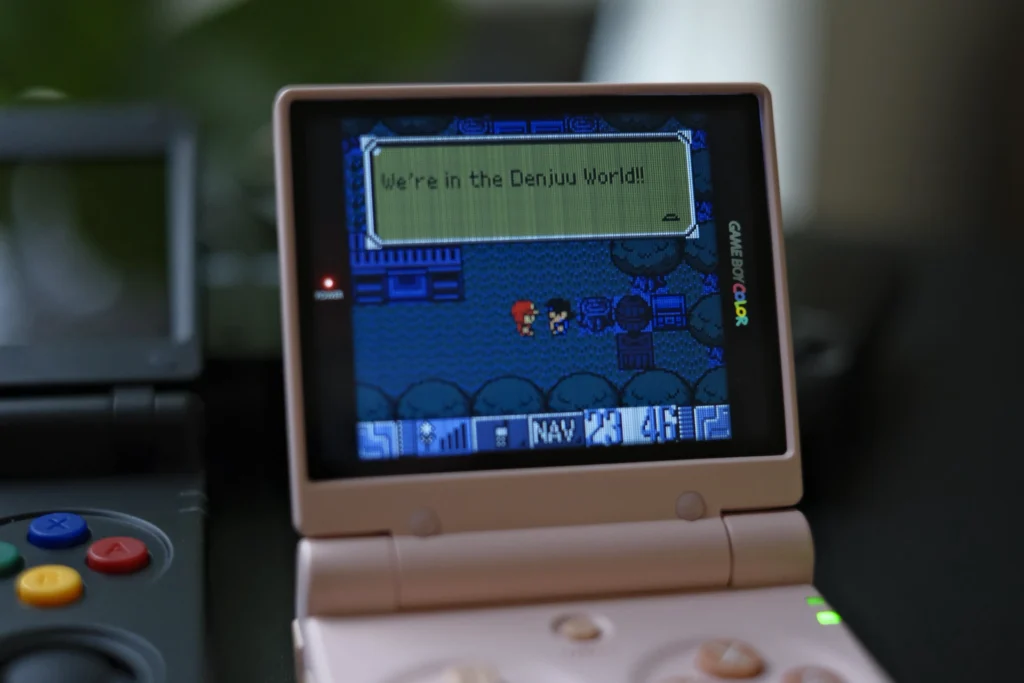
The Miyoo Mini Flip handles everything up through PS1 with little to no issue. Some PS1 games benefit from analog sticks, which are naturally off the table here, but the majority of classic titles feel right at home. Playing GBA on the Mini Flip, though, is something special.
Function Meets Form
Going back to OnionOS, the Mini Flip takes full advantage of its design philosophy. The way games save, how quickly they launch, and how intuitive navigation feels all complement short play sessions perfectly. OnionOS does not officially support the Miyoo Mini Flip, but modders have taken it upon themselves to introduce lid support to the console. It's a small addition, but the inclusion of a new feature baked into the most widely used CFW for the Miyoo Mini is a semblance of another high point for the Miyoo community.
Throughout all of Miyoo's releases, the community has been the main leading force in its prominence. Etsy sellers will create mods to make the shoulder buttons better, improve the internal speaker, create 3D printed shells and cases, lanyards that dock into the headphone port, concave and convex button mods, and everything. Even OnionOS is largely a community effort made to specifically make using the Miyoo Mini Flip a better experience than the stock firmware. And the community has largely pushed the company forward from the Miyoo Mini, to the Mini Plus, to the V4 Mini, and now, the Mini Flip.
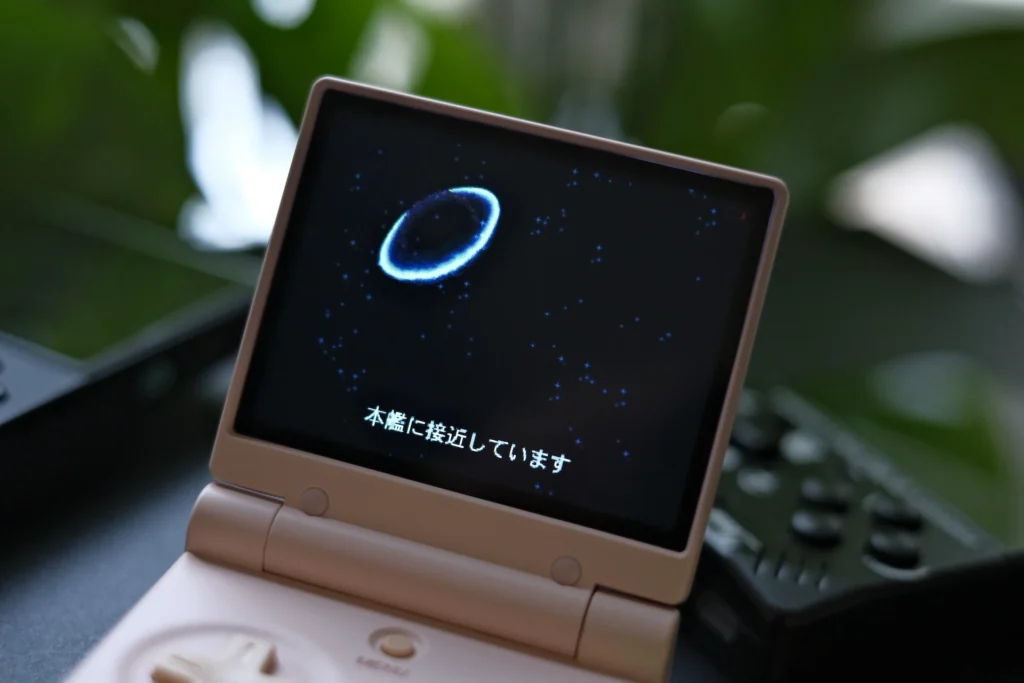
When it comes to older systems like SNES, NES, Genesis, and most consoles released before the Nintendo 64, the Mini Flip is simply fun to use. This is also where I think many reviews get a bit clouded. Devices like this are not meant to be powerhouses or push technical boundaries. They are designed for a specific purpose, and when judged within that context, they excel.
If your goal is PS1 and earlier, the Mini Flip is perfect for pocketability. If you want something tiny, portable, and easy to travel with, it is perfect for that. I like to think of this tier of handhelds the same way I think about tractors. A tractor is not going to win a street race or haul furniture from IKEA, but it will plow and till soil better than anything else. This clamshell cannot be beat in the size-to-performance-to-usability realm, which is where it currently sits at the top of.
The Miyoo Mini Flip is a star in my eyes. Not just because of my love for the GBA library, but because it is so perfectly suited to its purpose. Clamshells have occupied the retro handheld space for a while now, but it is refreshing to see Miyoo return to one of its most beloved designs and refine it further.
For me, this is a worthwhile daily companion. Other handhelds may offer a larger screen, more power, perfect integer scaling, but none of them do it in such a small, teeny-tiny package and do so with a great OS found in OnionOS. For what the Miyoo Mini Flip excels at, it does so sweepingly.
If you want to pick one up for yourself, you can buy the Miyoo Mini Flip directly from MechDIY, and our readers can save an additional 12% by using code SDHQ12 at checkout. If this overview and introspective look into the Miyoo Mini Flip is anything to go by, you are in for a memorable experience in one of the smallest handheld forms available today.
The Miyoo Mini Flip links above are using an affiliate link from MechDIY, the supplier of the handheld for this article. The affiliate link gives us a little back from sales at no extra charge to you. All proceeds go back into SDHQ and its development.
この記事を楽しんでいただけたなら、SteamDeckHQ の他のコンテンツもチェックしてみてください!あなたのゲーム体験に役立つゲームレビューやニュースを幅広く取り揃えています。ニュース、ヒントやチュートリアル、ゲーム設定やレビュー、最新のトレンド情報など、あらゆる情報をお届けします。 カバーしています!


最近のニュース
カテゴリー
Accessories
Anbernic
Android
ASUS ROG Ally
ROG Xbox Ally
Classics on Deck
Community
Cryobyte33
Deals
Deck Mods
Emulation
Events
Featured Post
Game News
Game News
General Game News
HandheldHQ
Hardware
Lenovo
Linux
MagicX
Nintendo
ONE-NETBOOK
Opinion
Other Reviews
Accessory Reviews
Handheld Reviews
PlayStation
Proton
Retro Handhelds
Anbernic
AYANEO
AYN
GPD
MagicX
MANGMI
Miyoo
Retroid
TrimUI
SDHQ
Steam
Steam Machine
SteamOS
The Unsupported Report
Uncategorized
Uncategorized
最近のヒント&GUIDES
新着レビュー