

DispatchはAdHoc Studioよりレビューのために提供されました。ありがとうございました!
マイケル・チュン、ニック・ハーマン、デニス・レナート、ピエール・ショレットといったTelltaleの名だたる卒業生たちが設立したスタジオ、AdHoc Studioが開発した本作『Dispatch』は、強制的に引退させられたヒーロー、ロバート・ロバートソンに扮し、スーパーヒーロー派遣ネットワーク、略してSDNで働くことになる。とはいえ、元悪党をヒーローとして "更生 "させるフェニックス・プログラムの監督を任されたのだから、仕事そのものはもっと大変だ。ご想像の通り、これは順風満帆とはいかず、衝突する性格、歴史、忠誠心すべてが、団結したチームが結成され、主要な仕事であるヒーロー側の仕事が遂行されるのを邪魔する。
After spending several hours with Dispatch, having completed its first two chapters, I’ve already found myself in awe of the world, characters, and the story. It’s rare for a game to grab me this early and as quickly as it managed, but Dispatch does so with a mix of superb storytelling, immersive atmosphere, and an unexpectedly rich management layer that quickly reveals more depth than I had ever anticipated. And I, for one, genuinely cannot wait to see this story through to its conclusion. Then, replay it, albeit with different choices selected. It’s that good.
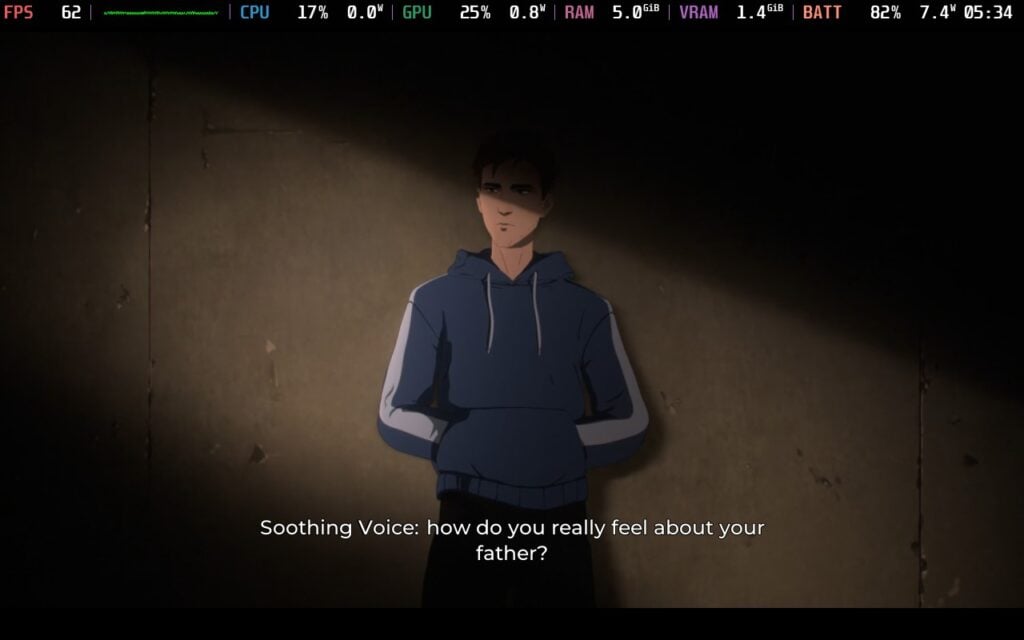
物語は間違いなく、ここでの傑出した要素である。 Dispatchは驚くべき精度で緊張感を高め、注意深く組み立てられた会話や、常に自分のコントロール感覚を問われるダイナミックなイベントを通じてストーリーを展開する。同時に、必要な場面では実に陽気で軽快であり、Telltaleの旧作を含む他の物語選択型ゲームが時折感じるような人工的な印象は一切ない。至って自然であり、この完璧に近い芸術的な力強さは、ありがたいことに、全体を通して見事な声優陣によって補完されている。
アーロン・ポール(『ブレイキング・バッド』、『ブラック・ミラー』、『ニード・フォー・スピード』)、ローラ・ベイリー(『ラスト・オブ・アス Part II』、『クリティカル・ロール』)、ジェフリー・ライト(『カジノ・ロワイヤル』、『ハンガー・ゲーム』、『バットマン』)ら、アドホック・スタジオが創り上げたオリジナルの世界と物語を支える才能は、明らかに最高のものだ。にもかかわらず、物語と演技は互いに影を落とすことなく、また少しもバランスが取れていないように見えることもなく、むしろ本当に互いにふさわしく、難なくシンクロしている。
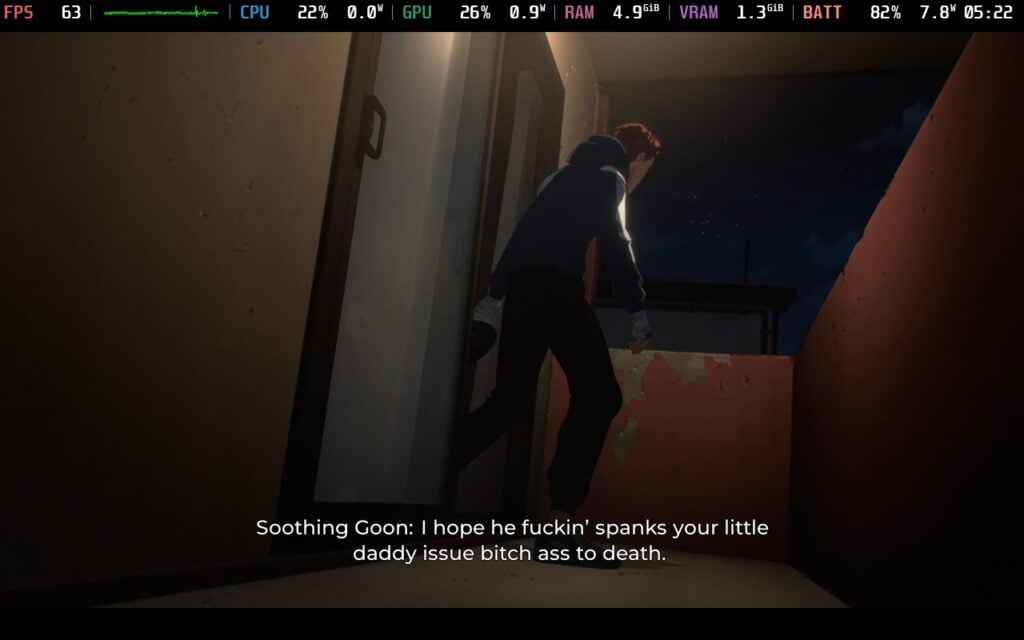
私はクリエイティブ・ライターではないし、特に何もないところから物語を構築するようなことはできない。しかし、自分がそのような専門家だと思い込んだり、手を出したりしたときはいつも、物語の冒頭で苦労してきた。魅力的で魅力的な世界を構築し、各テーマを紹介し、現状を説明し......。そんな私のモヤモヤがここまでエスカレートしたのは、冒頭の注釈とDispatchの第1章全体のおかげである。
完璧、メモなし、また観たい、10/10、でも水が多すぎる、などなど。メカマンことロバート・ロバートソンの登場シーンは、鼻血を流しながら床に横たわる彼の姿、画面外の戦い、そして正体不明の敵との尋問と、すんなりと興味をそそるもので、そこからさらに続いていく。
第2章では、特にフェニックス・プログラムのキャストが紹介され、この特別なプログラムの参加者が、管理されるべき単なる事件ファイルではなく、深く欠点を抱えた魅力的なキャラクターであり、その動機や道徳観が、最初に見かけられたものよりもはるかに複雑であることがすぐにわかる。この着実なエスカレーション、システムの秘密とその中での自分の位置の両方が徐々に明らかになっていく感覚は、この作品を 派遣を魅力的なものにしている。特に、たとえゲームがはっきりとそう言わなかったり、思いがけない言い返しや視線で決定を台無しにしたりしても、すべての会話とすべての結果が重要であることは明らかだ。
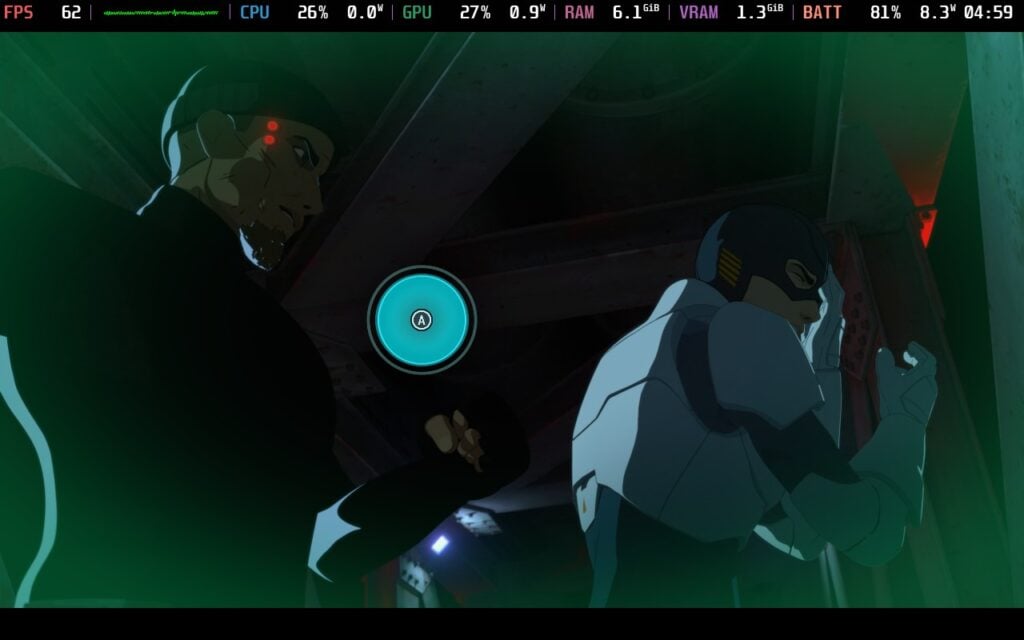
Dispatchを"単なるシナリオ・ゲーム "以上のものにしているのは、フェニックス・プログラムの管理面である。手作業で仕事を割り振り、報告書を確認し、依頼を承認したり拒否したりと、表面的にはシンプルなシステムに見えるかもしれないが、プレイを進めていくうちに、その奥深さに気づかされる。例えば、ミッションで特定のスロットに配置されると、特定のバフを発揮するキャラクターがいるなど、基本はシンプルだが、さらなる複雑さの可能性も確かに存在する。
ゲームプレイとストーリーが見事に融合している。2つの別々の要素をつなぎ合わせたような感じではなく、マネジメントの仕組みがストーリーに影響を与え、あなたの決断にリアルな質感とインパクトを与えている。ゲーム内で一日一日が経過するごとに高まる責任感は手に取るように感じられ、時には、可能な限り良い意味で純粋にストレスを感じることもある。

After a strong, if somewhat hesitant, start with Episodes 1 and 2, Dispatch returns this week with Episodes 3 and 4 — and it’s clear that the series has found its rhythm. The story takes a noticeable step forward, raising both the narrative stakes and emotional weight while continuing to lean into its loveably unique blend of workplace comedy and superhero drama.
The writing - naturally - remains a standout element, mixing sharp humour with sincere character development, all focused on the ever-important dynamic between Robert Robertson and his team of reformed villains, which continues to evolve, revealing new shades of vulnerability and loyalty that make their interactions genuinely compelling. The voice performances once again elevate the experience throughout, with the ensemble cast bringing a real sense of personality and charm to each scene.
These episodes also introduce new complications - narratively and gameplay-wise - with the surfacing of possible romance, tension-filled choices that truly feel they may make a difference, and a management system that finally begins to show some heroic (or otherwise) teeth. Assigning heroes to missions and balancing team dynamics now feels a little more strategic and contextualised with the aforementioned narrative, adding a much-needed texture to what was previously a lighter gameplay loop.
That said, some of the earlier criticisms still linger. The management elements, while deepening, can still feel a bit shallow in comparison to the narrative moments, and the episodes’ short runtime means they can play out more like an interactive TV show than a full-fledged game. It’s a format that works — especially given the quick release cadence — but those expecting a broader interactivity, ala Telltale's other titles, may still find it a touch limited.
Even so, Episodes 3 and 4 prove that Dispatch is more than just another episodic experiment. The story is confidently moving toward something bigger, making unexpected, but welcome, choices throughout, and it's one I'm wholeheartedly locked into now. Roll on next week.
Chapters 5 and 6 are where Dispatch really begins to show what kind of game it wants to be. After a slow-burn opening built on tension and atmosphere, this mid-game stretch sharpens the narrative, raises the stakes, and introduces a stronger sense of mechanical purpose. It’s still very much the intimate thriller it started as, but these chapters shift the experience from passively observing strange events to actively managing them.
Chapter 5 continues to lean on the game’s core strengths — atmosphere and escalation — but now there’s more complexity in how you interact with incoming calls. New scenarios force you to juggle multiple interpretations at once, giving the chapter a welcome increase in difficulty. It’s not punishing, but it demands more attentiveness, and the script is confident enough to let you sit with uncertainty.
This is also the point where the story starts tightening its grip. Background details you may have brushed off suddenly feel relevant. There’s a creeping sense that you’re not just responding to emergencies — you’re being pulled into something orchestrated.
If Chapter 5 is about building tension, Chapter 6 releases it — but not in a comforting way. The tone becomes more frantic, and the calls feel more connected to the overarching plot rather than standalone incidents. There’s a standout sequence here that’s easily one of the most memorable moments in the game so far, mixing player agency with narrative dread in a way that feels earned.
Mechanically, the game doesn’t drastically change, but the stakes absolutely do. Small choices feel heavier, and the chapter leans into moral discomfort without being heavy-handed. You start to sense that the protagonist is no longer just reacting — they’re spiralling.
Chapters 5 and 6 are where Dispatch finally clicks. The pacing tightens, the writing becomes sharper, and the gameplay steps into a more confident rhythm. By focusing on emotional tension rather than bombastic twists, the game manages to feel bigger without losing its intimate, claustrophobic core. If the early chapters were about learning the job, these chapters remind you how quickly that job can consume you, and that the stakes are indeed high.
Episodes 7 and 8 serve as the culminating stretch of Dispatch, pushing the tension, narrative threads, and psychological pressure to their limits. As the game reaches its finale, these chapters bring the experience to a close that’s unsettling, tightly constructed, and thematically consistent with everything that came before.
Episode 7 is the final deep breath before the plunge. The familiar rhythm of juggling calls begins to fracture as the narrative becomes more confrontational. Ambiguity is no longer a storytelling tool — it’s a weapon. Calls feel heavier, more interconnected, and more targeted, creating a sense that you’re no longer just fielding emergencies; you’re being dragged into something personal.
The writing is at its sharpest here. Voices on the other end of the line carry a new weight, and the world beyond the dispatch desk feels like it’s collapsing in real time. The result is a chapter that ratchets the tension without losing the grounded, human core that makes the game work.
As the final chapter, Episode 8 doesn’t explode so much as it constricts. The tension tightens, the pacing accelerates, and the protagonist’s fragile grip on control finally snaps. Instead of offering a neat resolution, the game leans hard into emotional and psychological fallout. The calls in this chapter strike the darkest balance yet between narrative relevance and moral discomfort, forcing you to confront the consequences of your decisions — or your perceived inability to control them.
Mechanically, Episode 8 doesn’t reinvent anything, but it doesn’t need to. It uses the systems you’ve learned against you: overlapping calls, urgent ambiguity, and a sense that every choice is both vital and futile. The finale lands not because of spectacle, but because of escalation — an ending that feels inevitable, even if you weren’t ready for it.
As a concluding pair, Episodes 7 and 8 bring Dispatch to a fitting end. The game stays true to its strengths: intimate tension, morally loaded decision-making, and a narrative that spirals inward rather than outward. It’s a finale that favours emotional impact over clear and predictable answers, leaving you sitting in the afterglow of both immediate pleasure at a story well done, and a slight sense of sadness at the journey having come to a deserved end — exactly the ending a game like this thrives on.
If you saw this story through to its conclusion, the final chapters effortlessly deliver precisely what they should: not only closure, but consequences of your time spent with arguably some of the most fleshed out and personable characters seen in a video games in a long, long time.
スチームデッキで ディスパッチは完璧に動作する。インターフェイスは小さな画面にもうまく対応し、鮮明なテキストと直感的なナビゲーションで窮屈さを感じさせない。同様に印象的なパフォーマンスも今のところ揺るぎなく、無傷の60fpsに固定され、ロード時間も速く、くつろげる。バッテリーの使用量も7W~10Wと軽く、信頼できる充電器から離れた場所での長時間のプレイに最適だ。
Steamデッキでプレイするには素晴らしいゲームだ。
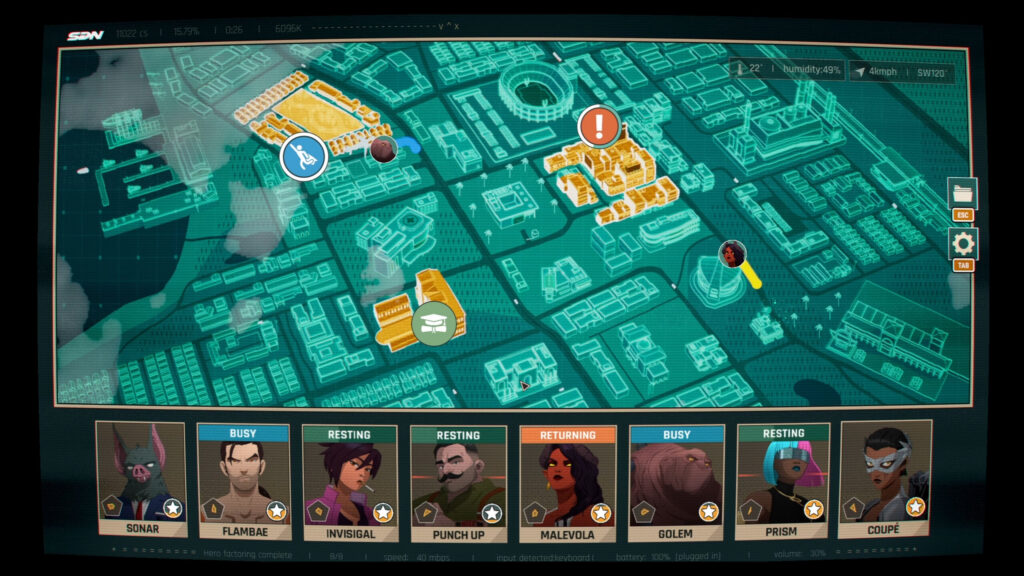
特定のアクセシビリティ・タブがあり、色覚異常モード、強度、視覚的ワーピングと付加効果の切り替え、テキスト・サイズの変更などがサポートされている。また、クイックタイム・イベントの処理方法や、ハッキングの試行回数を無制限にするかどうか、字幕や背景の効果を変更することもできる。サウンドバーの変更、マウスとキーボードの再バインドを変更する面白い方法、冒涜と視覚的検閲のためのフィルターもある。
このゲームは16:10の解像度をサポートしていないが、クラウドセーブとコントローラーをサポートしている。HDR設定はない。
Dispatch sticks the landing. Across its eight episodes, it transforms what begins as a quirky, tightly contained dispatching sim into a genuinely gripping narrative about responsibility, identity, and the weight of every choice you make from behind the console. The constant push-and-pull between chaos and control keeps the tension sharp, and the writers never lose sight of the human core beneath the superhero satire.
It also helps that the game runs beautifully on Steam Deck — fast loading, clean UI scaling, and stable performance that lets the writing and voice acting shine without distraction. AdHoc Studio’s blend of Telltale-style storytelling with clever management mechanics makes Dispatch feel fresh, focused, and surprisingly emotional right up to its final moments.
As a whole, this is a confident, compelling debut that proves you don’t need capes or bombast to tell a great superhero story — just good characters, sharp choices, and a headset full of trouble you can’t quite switch off.
Now, bring me Season 2.
このレビューはPC版に基づいています。
このレビューをお楽しみいただけたなら、SteamDeckHQ の他のコンテンツもぜひご覧ください!あなたのゲーム体験に役立つゲームレビューやニュースを幅広く取り揃えています。ニュース、ヒントやチュートリアル、ゲーム設定やレビューをお探しの方も、最新のトレンドを知りたい方も、ぜひご利用ください。
自信に満ちたストーリーテリング、魅力的なキャラクター、重層的な管理メカニクスの間で、『Dispatch』は私がこれまでプレイした中で最も魅力的な物語主導型タイトルのひとつになるだけでなくなりそうだ。