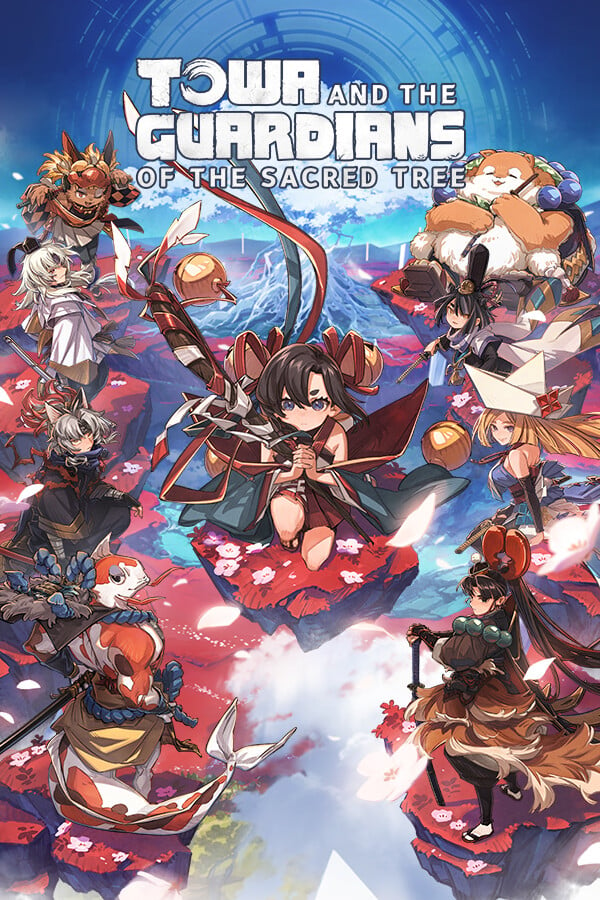

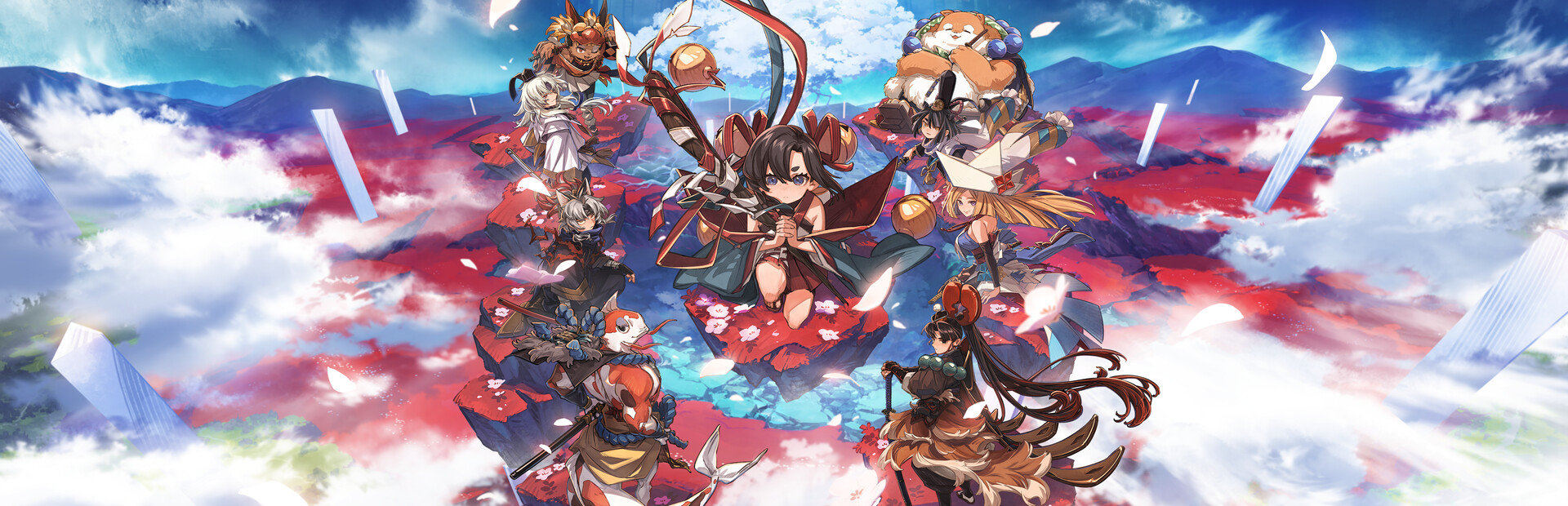



Towa and the Guardians of the Sacred Tree was provided by Bandai Namco for review. Thank you!
Not too long ago, I had the pleasure of checking out Towa and the Guardians of the Sacred Tree ahead of its release for a preview, and it captivated me. I loved the visuals, the combat was solid, and the customization options, like swordsmithing, were awesome. With so many roguelikes out there right now, especially ones that take the Hades-style and try to make their own version of it, these games have to really stand out and make an impression. While there are parts of Towa I really like, and it does stand out, the execution of it all makes it a less enjoyable experience than it could be.
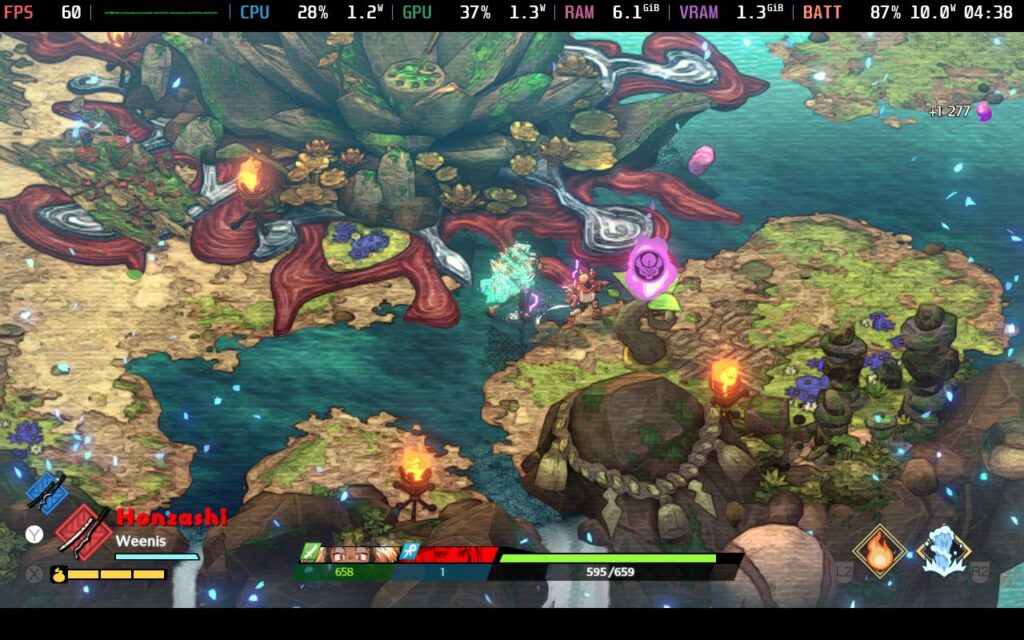
The aspect of Towa that truly stands out immediately is its presentation. Visually, it's gorgeous. I love the vibrant art style and great character designs. The environments are really beautiful as well, with a decent variety throughout the town and the biomes we will encounter. The characters themselves are pretty interesting and the voice acting is great as well. Mix in the fantastic soundtrack, and we have a game where it's just a joy to be in.
The story takes center stage here as well, and while it is interesting, there are some holes that keep me from loving it. You are on a quest to bring peace back to the land, playing as nine fighters, all with varying personalities and movesets, with Towa as their guide. You have to fight against Magatsu and the evil that sprouts, all to restore the timeline and bring your well-deserving heroes home.
The tale aims to be an emotional one, where the bonds between the heroes, Towa, and Shinju Village come center stage. It's intriguing watching it all unfold, and while there are some genuine moments tucked in, it doesn't always hit the mark. There are a lot of conversations between the people and our controllable heroes, to the point where it feels like it can interrupt the gameplay. This is a fast-paced roguelike, so it feels a little off to sit through long conversations when going into runs consistently is the focus.

The emotional moments do hit in the moment, but can feel sullied later on. The gameplay is structured similarly to story chapters, where you move to the next chapter once you complete the run. However, at the end of it, we have to sacrifice one of our heroes. It's sad, and the decision can be tough as we slowly whittle down our options of heroes to keep alive with us. In a way, this feels sullied later on in the story, which I was a little let down by. It also just feels like the heroes don't care as much, seeing that they have to sacrifice their companions. On one hand, they are prepared for it, but on the other, they seem pretty content to just go with the flow.
I do like seeing how the town evolves and changes as the story progresses. It's an interesting idea that I thought was captivating as people we knew and had met previously had grown up or passed away. This made coming back to the village after each chapter and talking to people to see what had changed more enjoyable.
If you have played Hades before, then the gameplay of Towa and the Guardians of the Sacred Tree will come like second nature. You run around and attack enemies, using your assortment of moves, dodging, and upgrades you get in each run to make yourself more powerful and get as far as you can. It's fast-paced, chaotic, and when everything works, it's a ton of fun.
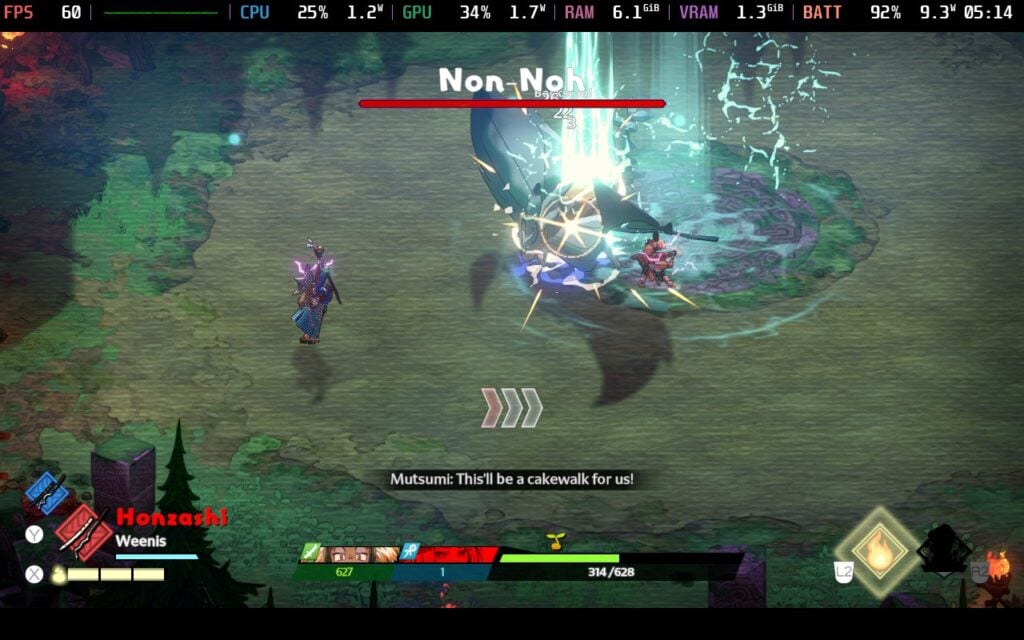
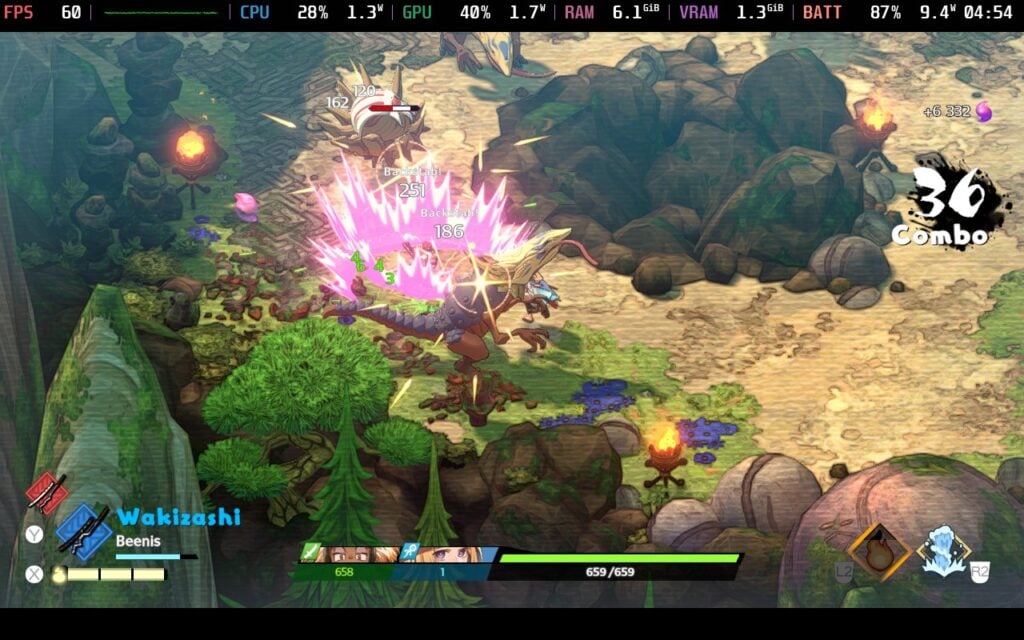
To separate itself from the pack, Towa has you controlling two characters instead of one. You have a primary that you mainly control and attack with, and the other who will cast two different spells to assist you. Each has their own health bar, and you only lose once both characters have lost all their health and die. We also have two swords to manage, with one giving us a basic combo attack and the other being a chargeable Area of Effect attack. They each have durability, so we will have to continuously swap between the two to deal maximum damage.
The more unique in-run progression grew on me the more I played as well. Instead of just flat upgrades, we have an assortment of themed upgrades to modify our run. These are sectioned off by their secondary abilities, usually giving a damage increase while also a modifier, like a gust of whirlwind coming out for extra damage or regaining some health with each hit. There can only be one upgrade like this per type of damage you do, so you can only have one linked to each sword, quick draw, and Fatal Blow attack. This wasn't something I liked at first, but being able to link different modifiers to the different attacks was interesting. There are also some standard upgrades as well, like increased attack speed or reroll attempts, as well as some spots in-game to just heal up, shop, or get temporary buffs.
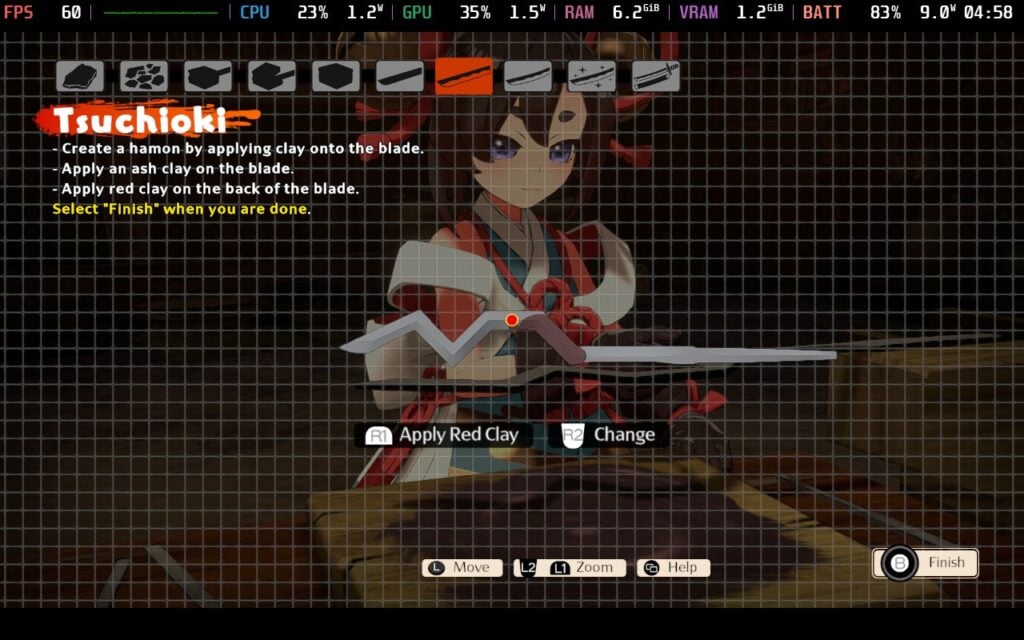
Outside of each run, there are a variety of ways to improve your stats. My favorite of which is creating and forging your own sword. It's a pretty in-depth minigame that allows you to customize your own sword, changing an assortment of stats along with it and how it looks. This is quite possibly my favorite part of the game, and I loved creating some crazy looking swords that I could somewhat see when fighting. There are upgradeable Virtues to help heal more in-run, Jewels to modify what kind of rewards you could get, Skill Points to boost base stats of each person, Inscriptions to further modify health and different attacks, and the ability to construct and upgrade buildings that can affect your runs. While each person has their own skill points, I do appreciate that when we get more points, it applies to all of our fighters instead of just one.
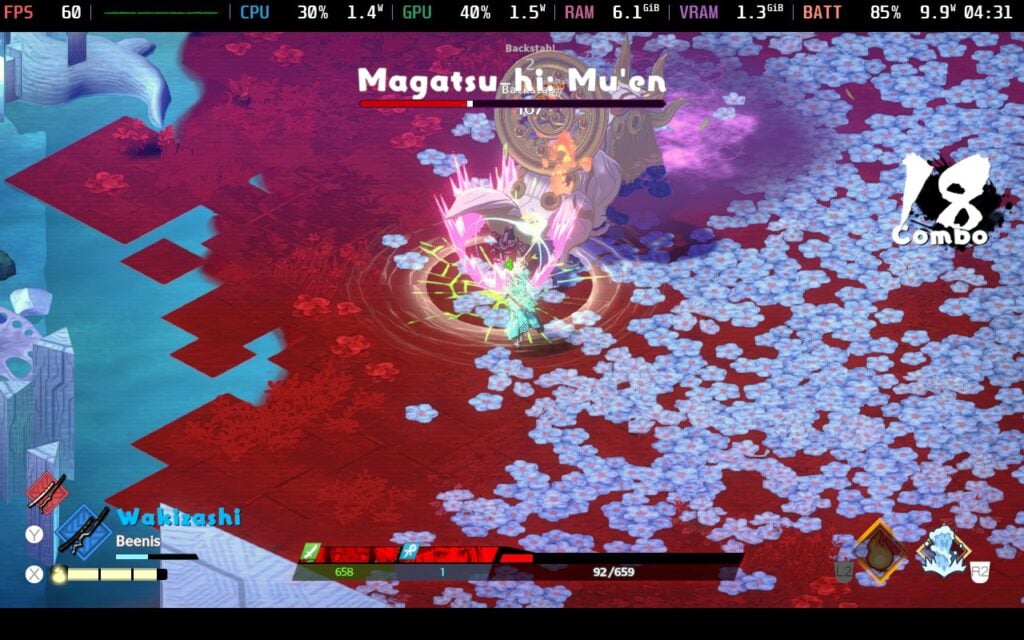
While the combat and its progression systems grew on me, there were a couple of issues that reared their ugly heads just as often. With how frantic combat could be, I found it hard to predict where the enemy would attack, and in the chaos of battle, I would end up being struck. The red outlines of where the enemy would attack blended in with the chaos just too easily, and I would suffer the consequences.
This led directly into the next big issue I had, balancing. Especially in the beginning, it feels like enemies just have too much health and deal too much damage. This is less of a problem with the grunts, but the bosses just felt completely unbalanced. They have a ton of health and deal hundreds of damage, with chained attacks that could just kill in one to two hits. Even with the incremental improvements to health, attack damage, and speed, nothing ever changed the outcome. It took a while with tons of grinding to get to a point where I would be able to defeat the bosses that stopped me in my tracks, and it ultimately made me feel like I was making no progress at all for some time.
It never got to a point for me where I wasn't enjoying combat, but it definitely started to feel repetitive enough to take breaks. I love the mechanics involved with bringing in two people, and there were genuine moments of joy in fights where I was beating down enemies with a smile on my face, but the chaos drowns out enemy attack indicators, and the balance between enemies, bosses, and myself forces more grinding than I would have liked.
It all comes down to execution. The combat and progression systems are fantastic, and I love the ideas with the story and evolving town, but the execution just doesn't hit. There is some fun to be had here, and I enjoyed going back into the grind, but it was so repetitive that I was exhausted and had to take some breaks. The balancing needs some reworking as well, with some bosses just feeling way too overpowered.
Towa and the Guardians of the Sacred Tree established itself through previews, showing me how well the game can run on the Steam Deck. Developer Brownies Inc. did a fantastic job optimizing the game, and it rightfully deserves that Verified badge.
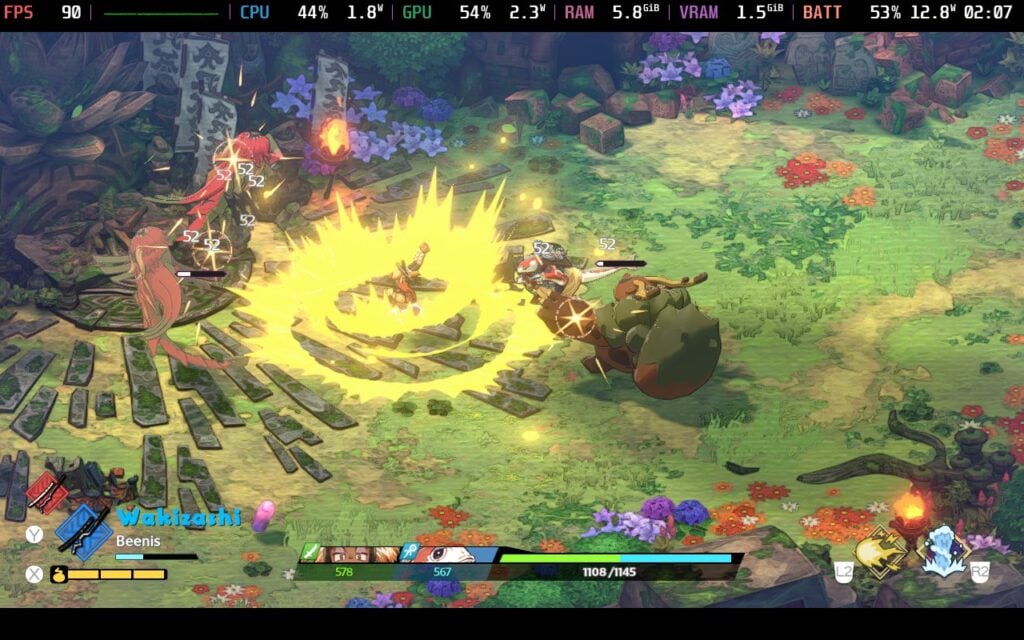
90 FPS is possible throughout the game, though it can start to drop slightly later on as fights get more hectic. Personally, I went with a 60 FPS lock to keep the smoothness the entire time and stop the battery from draining too high. You could lower some settings to keep 90 FPS if you really want to, but I didn't find it necessary and still enjoyed the game at 60 with some extra battery life.
So, I do recommend just playing at 60. The game looks beautiful on the default settings with a great battery life, draining only around 9W - 10W on average. It's the best of all worlds.
In the game, you can change camera distance and shake, the dialogue auto-playing, controller vibration, difficulty, and audio settings.
The game doesn't support 16:10 resolutions, but it does have cloud saves and controller support. There are no HDR settings.
Towa and the Guardians of the Sacred Tree is a game with fantastic ideas and execution that doesn't do them justice. The combat and progression are unique and have tons of great mechanics, while the presentation keeps it a step above the rest. However, execution hampers it, keeping the game from reaching the full potential it should have. It's not necessarily unplayable, but there are too many smaller problems that can end up being very aggravating.
For those who want to enjoy it on the go, I can happily say it's incredible on the Steam Deck. It looks and performs extremely well, and even at 60 FPS, it's smooth with over 5.5 hours of battery life. It's a great game to play portable, despite the issues it has.
Our review is based on the PC version of this game.
If you enjoyed this review, be sure to check out the rest of the content on SteamDeckHQ! We have a wide variety of game reviews and news that are sure to help your gaming experience. Whether you're looking for news, tips and tutorials, game settings and reviews, or just want to stay up-to-date on the latest trends, we've got your back.
Towa and the Guardians of the Sacred Tree is filled with great ideas in both combat and progression, but poor execution that makes it harder to enjoy altogether.