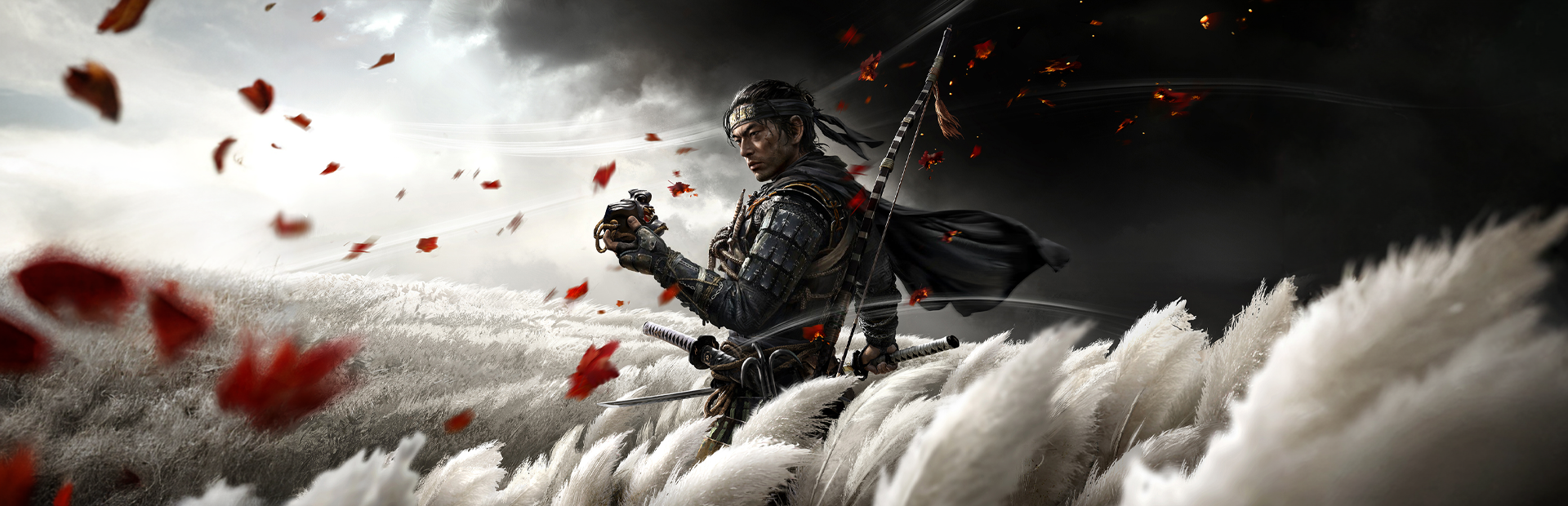
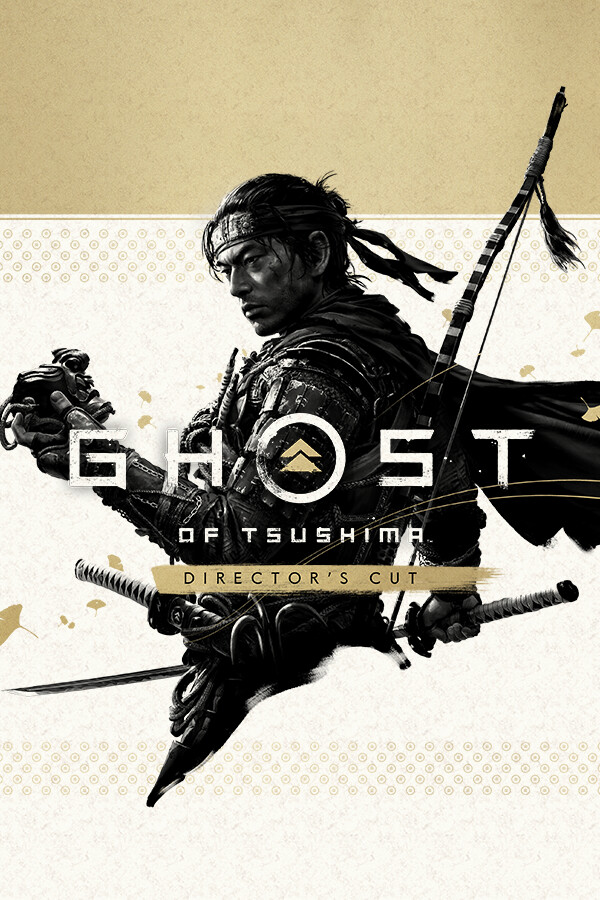
When Ghost of Tsushima launched in 2020 as a PS4 exclusive, it quickly became one of Sony’s most beloved and successful titles. Players had been craving an open-world samurai experience set in feudal Japan for years, and Sucker Punch delivered exactly that. What’s more interesting is that, compared to other Sony first-party titles, its budget was relatively modest. While it’s still a AAA production, it didn’t rely on massive funding seen in games like The Last of Us: Part II or Horizon: Forbidden West. Instead, Sucker Punch proved that strong artistic direction, a clear vision, and determination can be just as impactful as sheer budget.
The game follows Jin Sakai, a samurai who loses his father at a young age and is raised by his uncle, Lord Shimura, the leader of Tsushima and a strict believer in the samurai code. The story begins with a large-scale invasion as the Mongol Empire clashes with the samurai of Tsushima. The battle ends in a devastating defeat for the samurai, with most presumed dead and Lord Shimura taken captive.
Jin, however, survives after being rescued by a mysterious woman, becoming one of the few remaining warriors on the island. With all hope seemingly lost, he sets out on a mission to rescue his uncle, forging new alliances and recruiting powerful allies across Tsushima along the way.
The story starts off strong and highly cinematic. However, it feels as if it deliberately shifts into separate narrative arcs, allowing players to connect with different key characters who share similar goals. While this structural change initially adds to the immersion, it also introduces a major issue: inconsistency. Some storylines are thoroughly engaging and memorable, while others fall into tired cliche territory. At times, certain arcs feel rushed or cut short, preventing them from reaching their full potential.
This issue becomes even more apparent in the side quests. While some offer storytelling that rivals, or even surpasses, the main narrative, others rely on repetitive, uninspired setups like “go kill this” or “they took my brother,” turning them into forgettable chores.
Despite these flaws, the game still delivers several incredibly well-written moments, morally ambiguous themes, and thrilling action sequences. For a historical setting, maintaining this level of narrative engagement is no easy task, yet Sucker Punch manages to shine where it matters most.
When it comes to gameplay, it's a mixed bag. The game features a vast open world, a beautiful island to fully explore. Yet, it’s full of emptiness and Ubisoft-esque objectives. They managed to make the game feel empty and filled with unnecessary chores and collectibles at the same time.
The game offers a very simplistic upgrade and loot system. You loot components, upgrade your gear. You gain XP to gain new techniques or improve the existing ones. Sadly, to do all these, you have to progress through uninteresting and repetitive side content. At its core, the game does a terrible job at keeping players on track with the main mission while improving their character.
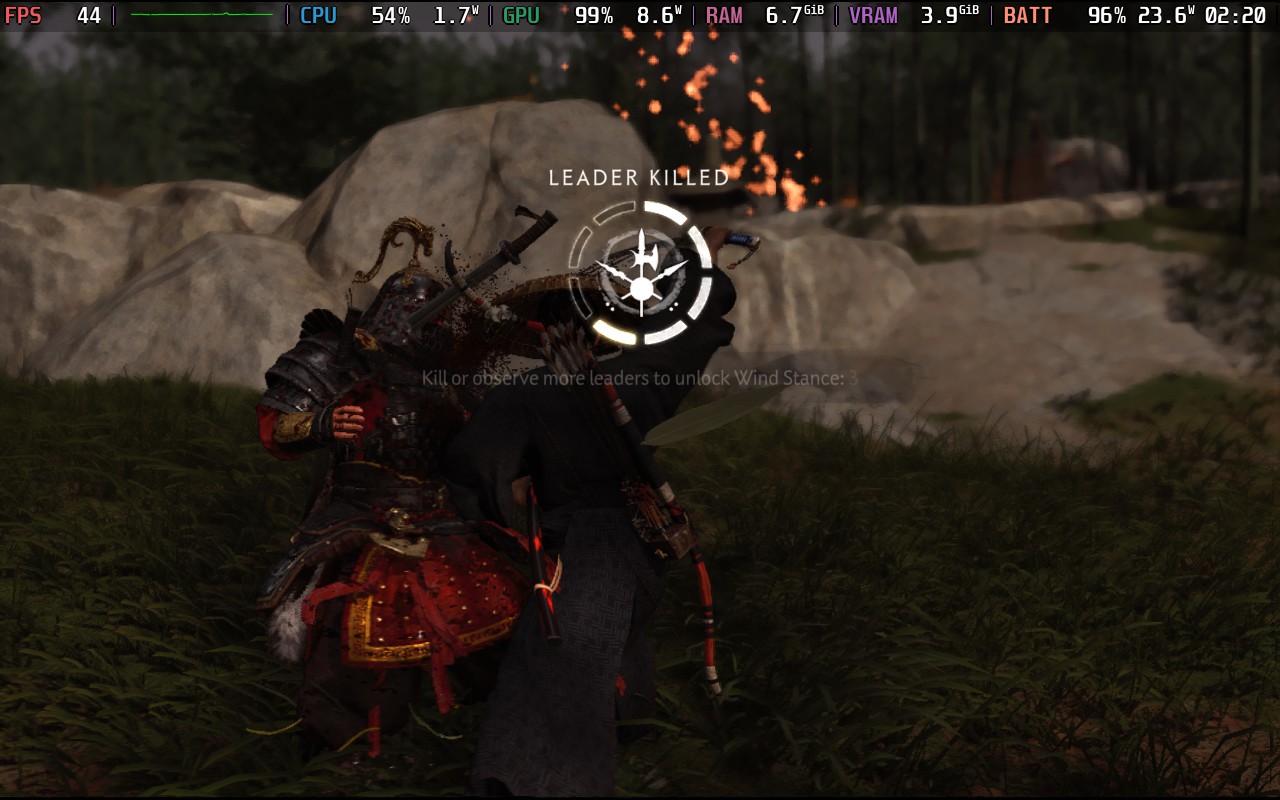
When it comes to combat, Ghost of Tsushima deserves all the praise it gets. It features one of the most satisfying and well-designed combat systems I’ve experienced in an open-world game.
What stands out the most is the variety of mechanics and playstyles, and more importantly, how they are integrated into the game’s overall design. In many open-world games with character customization, players are often pushed into committing to a single build or playstyle. Ghost of Tsushima takes a different approach.
The encounter design constantly encourages you to adapt. You can engage in precise swordplay, take down enemies from a distance with archery, or rely on stealth, and all of them feel essential rather than optional. There are unavoidable duels and ambushes that test your swordsmanship, elevated enemies that demand ranged solutions, and high-stakes scenarios where prisoners' lives force you into stealth. Each situation naturally pushes you toward a different approach.
This constant shift in gameplay keeps combat fresh and prevents it from ever feeling repetitive or forced. More importantly, it all flows seamlessly with the game’s immersion. It’s a complete masterclass in encounter design.
In the early hours of my playthrough, swordplay and the core dodge, hit, and parry mechanics felt flat. However, as the game opens up and you unlock new techniques and stances, combat gradually becomes far more engaging. The introduction of different enemy types, combined with thoughtful encounter design and the important impact of upgrades, elevates the system into something satisfying. Each new tool and ability adds a layer of depth that keeps fights dynamic and rewarding.
I personally leaned heavily into the perfect parry mechanic, building my playstyle around it. On higher difficulties, this approach felt remarkably close to Sekiro, which features one of my personal favorite sword combat systems.
My only real criticism is the lack of impactful sound design. For a samurai-focused experience, the audio feedback, especially during sword clashes and perfect parries, feels underwhelming, and it hinders immersion immensely.
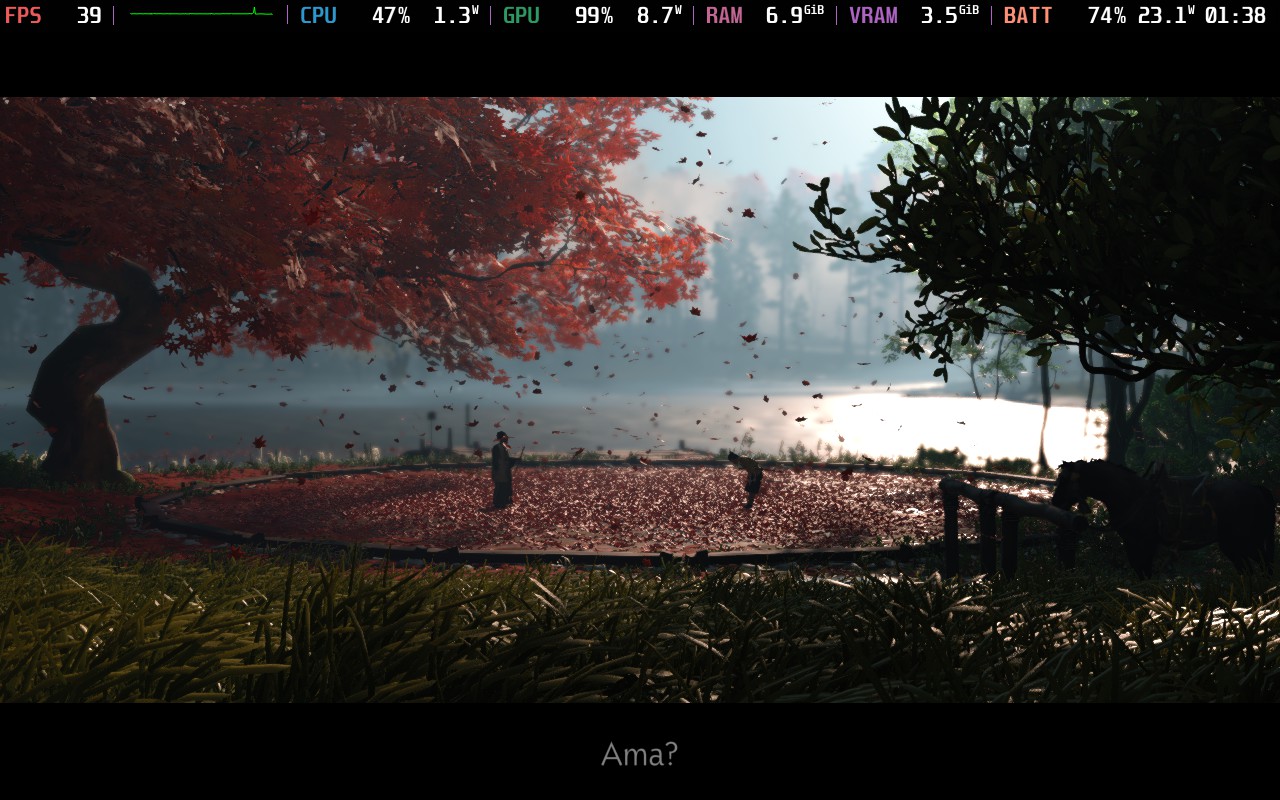
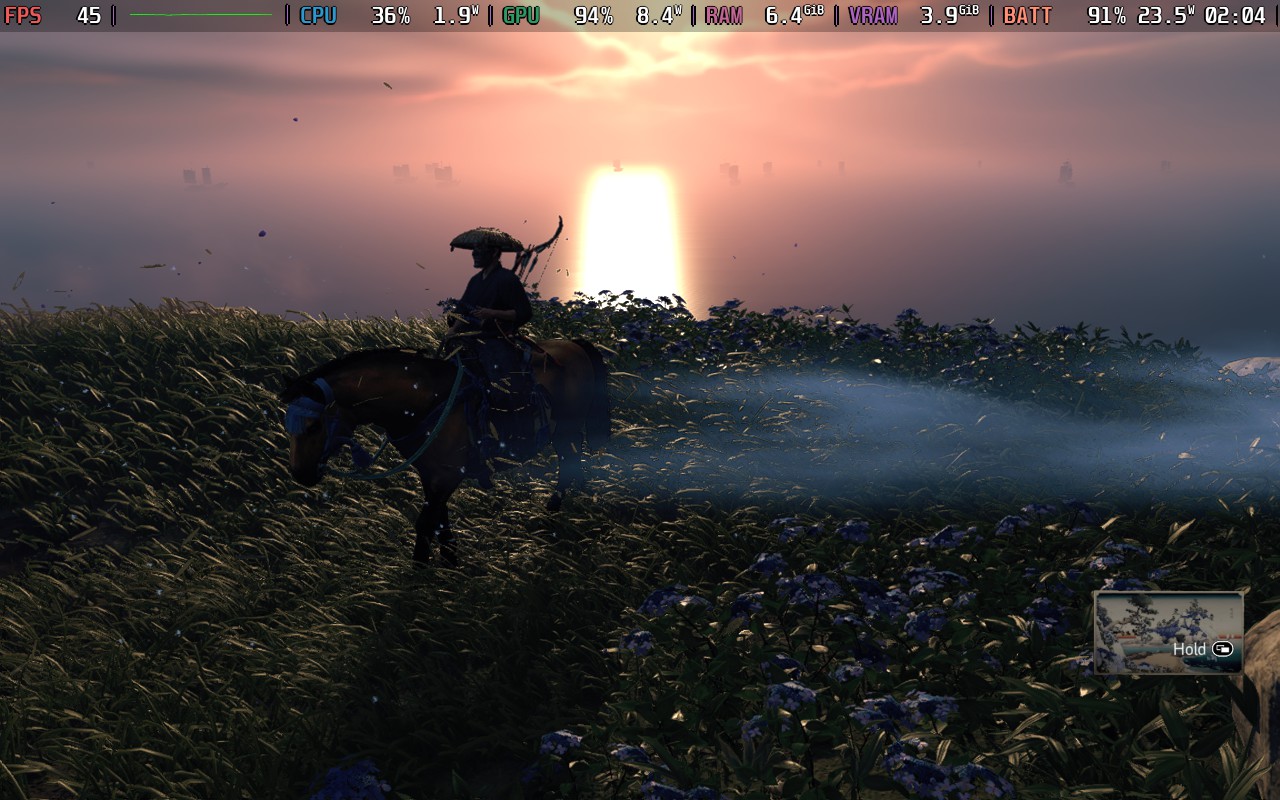
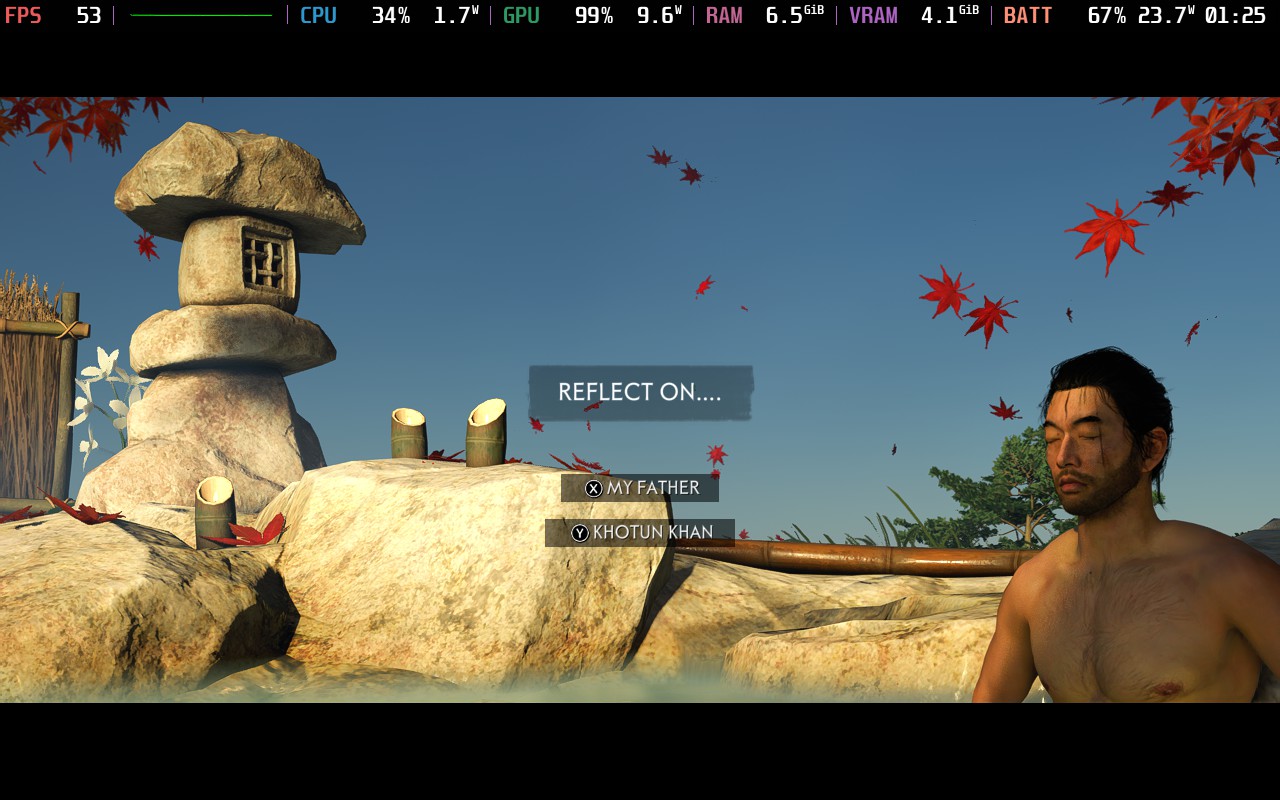
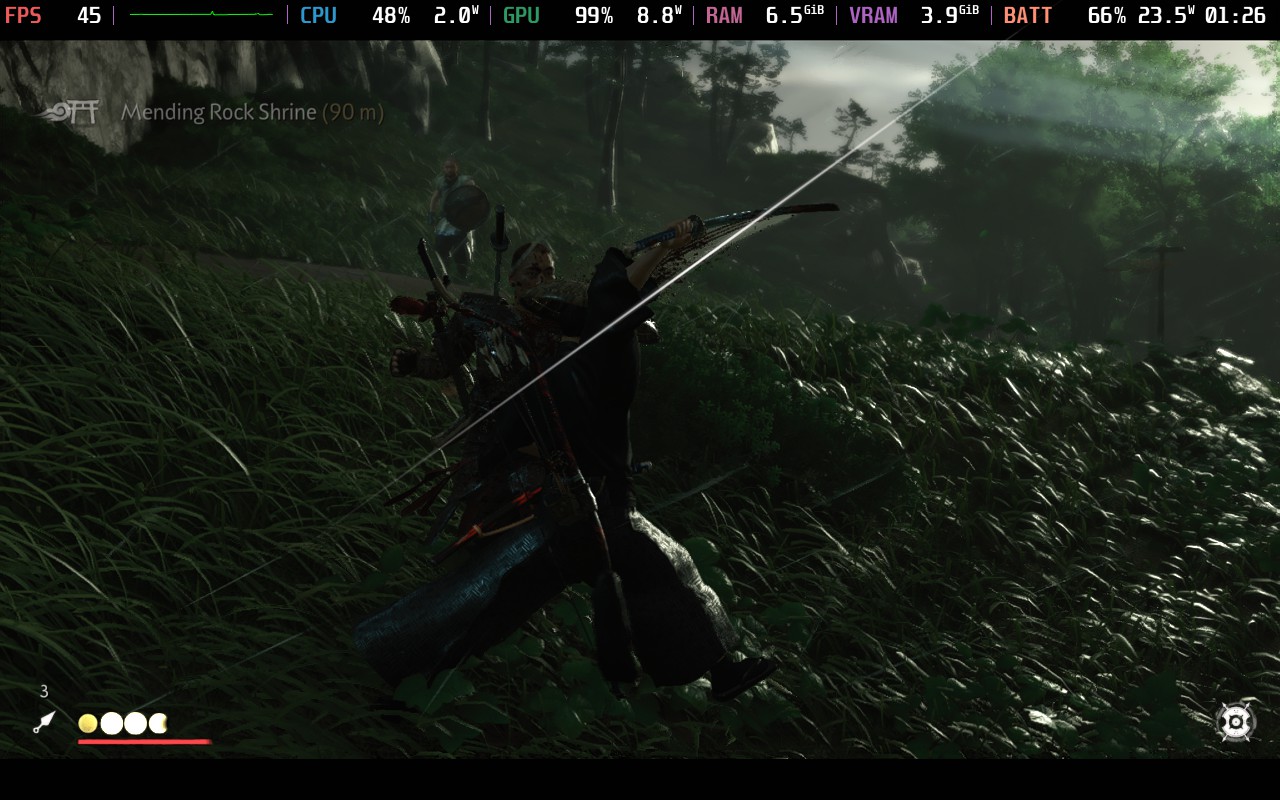
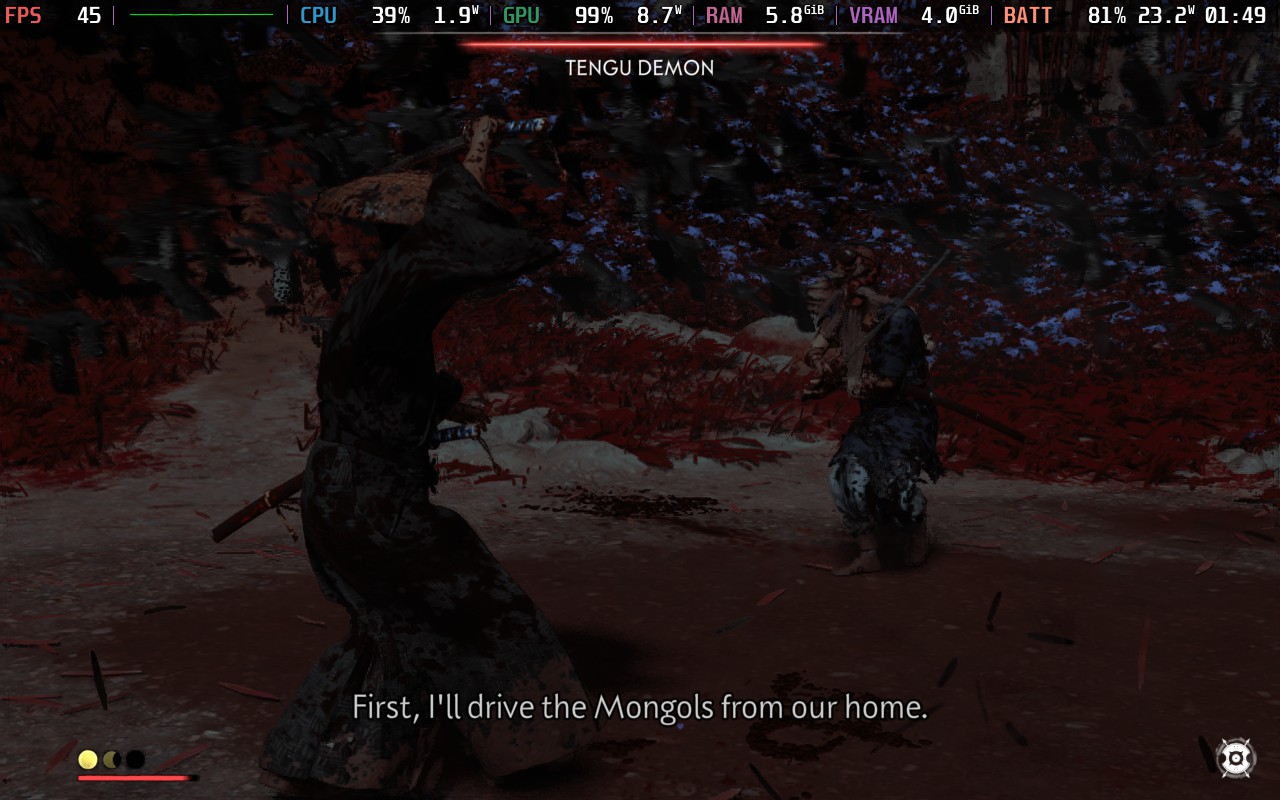
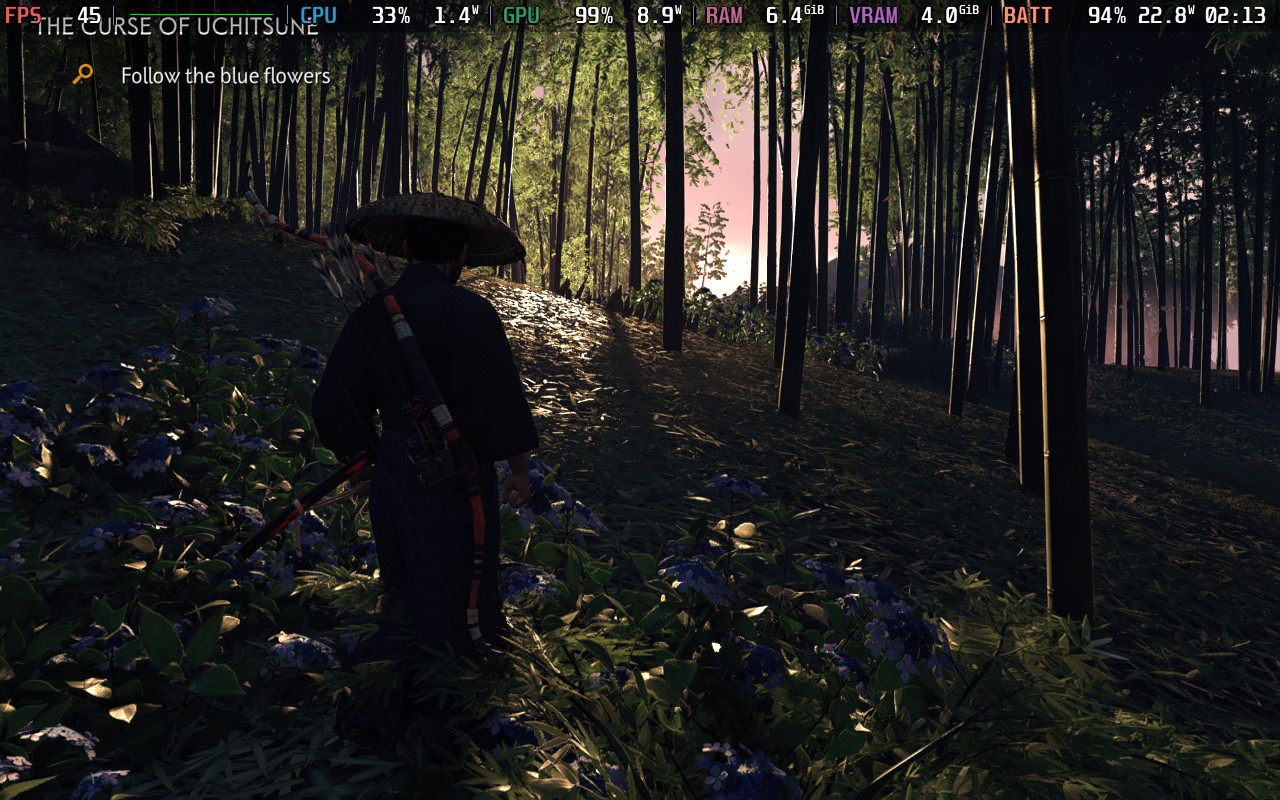
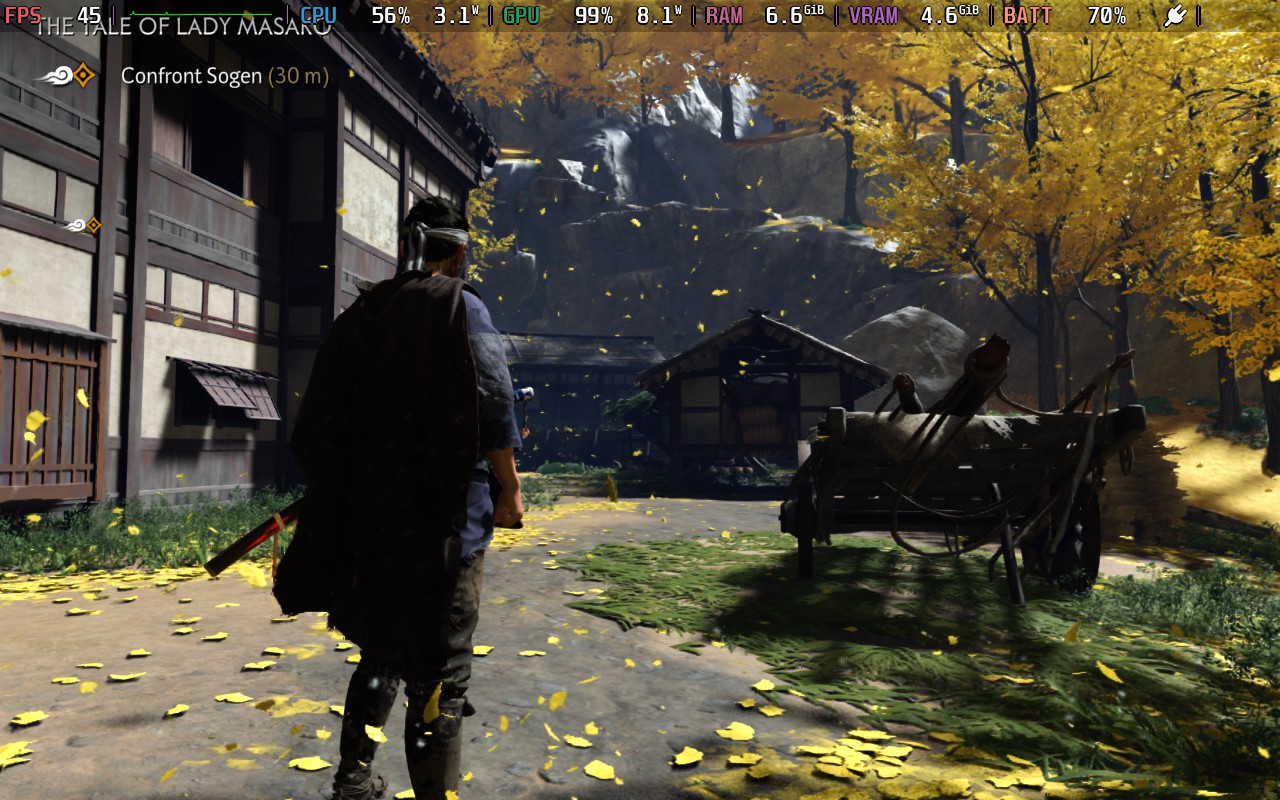
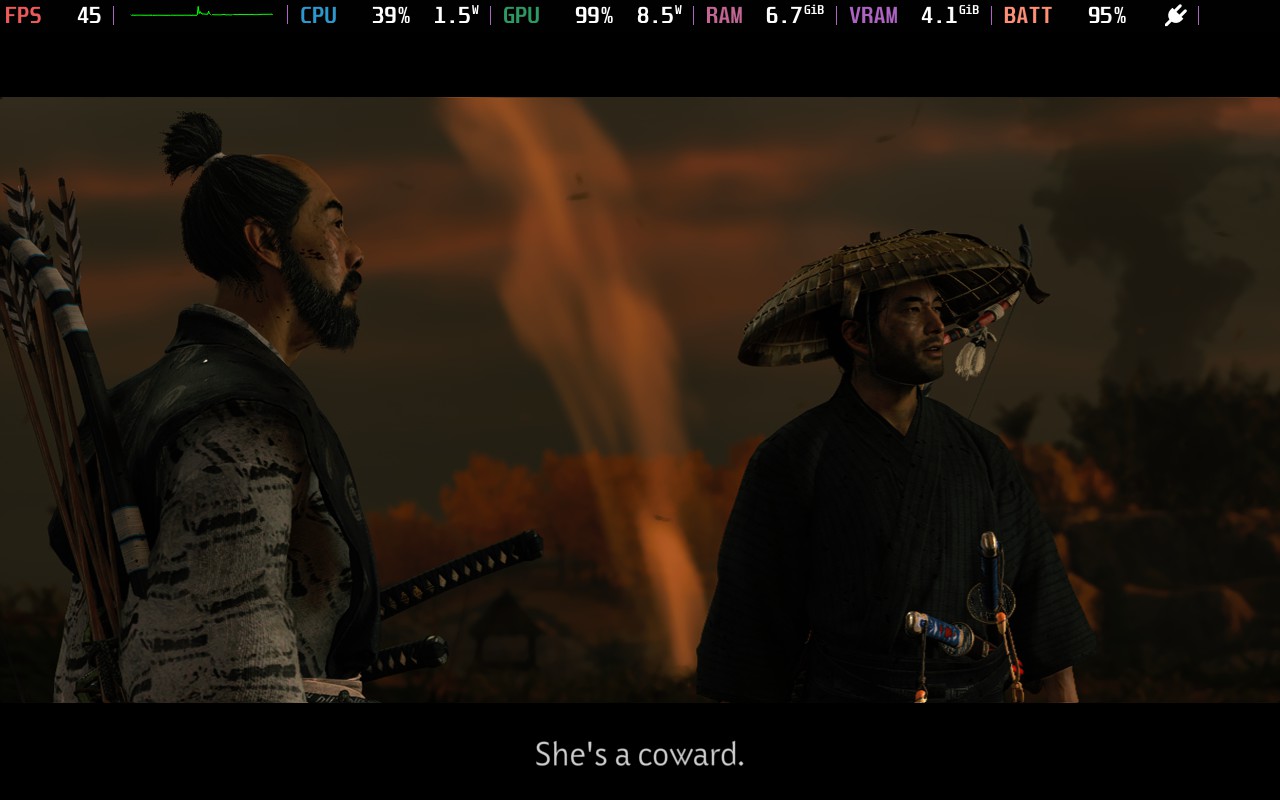
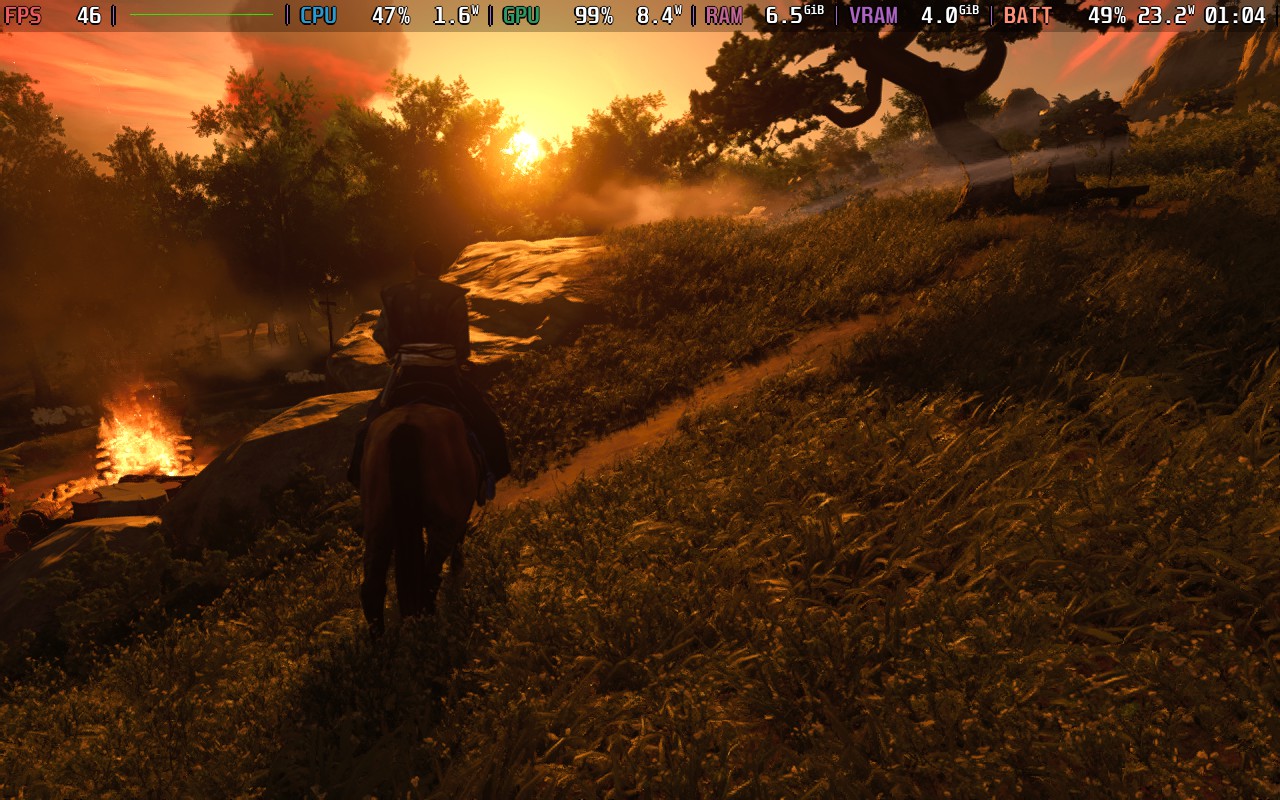
When it comes to raw technical graphical fidelity, the game isn’t particularly impressive on the Steam Deck, which is to be expected, considering it was originally developed for the PS4. However, where it truly excels is in its art direction. The combination of stunning environmental design and masterful use of lighting makes almost every scene feel like it’s pulled straight from a film or a Renaissance painting. Flowing grass fields, vibrant trees, dynamic weather effects, and stylized animations all come together beautifully. These elements elevate the visuals beyond pure technical limitations and give the game a timeless quality.
There are occasional issues, such as stiff or out-of-place facial expressions and lower-quality foliage, rocks, and textures. But overall, these gripes feel like nitpicking, as they rarely detract from the game's immersive qualities.
Sound design and music are one of the weakest aspects of the game. It’s surprising to see a title that excels in immersion in so many areas fall short in its audio direction.
From voice acting to environmental sounds, the overall audio experience can feel lacking in impact. As mentioned earlier, even swordplay, one of the game's core elements, often lacks the weight and presence you would expect, which is disappointing for a samurai-focused experience.
The music, while present, rarely leaves a lasting impression. Outside of a few key moments, much of the game feels unusually quiet, especially during exploration. Whether this was an intentional design choice or a limitation of the production, it doesn’t always complement the otherwise rich atmosphere.
That said, it ultimately feels like a missed opportunity. With such a strong visual identity and immersive world, the game deserved a more memorable and impactful audio experience.
Ghost of Tsushima - Steam Deck Performance
All in all, Ghost of Tsushima runs extremely well on the Steam Deck.
The game includes a built-in Steam Deck preset, but I strongly recommend avoiding it. In my experience, it’s both unstable and visually underwhelming, failing to justify its performance trade-offs. With the default settings, performance fluctuates between 30 and 45 FPS, which feels majorly inconsistent.
With our optimized settings, you can achieve a stable 45 FPS experience with minimal visual compromise. Throughout testing, I encountered no stutters, performance drops, or noticeable input lag. Interestingly, this result was largely made possible by the dynamic resolution upscaler. Ironically, I generally dislike variable resolution or scaling techniques, since they often introduce unwanted blur or general inconsistencies. However, in this case, it delivers a surprisingly clean and stable image.
No matter how much I tweaked the graphical settings alone, I couldn’t achieve a consistent 45 FPS lock. The game would either dip into the high 30s or introduce slight input lag when relying on Steam’s frame limiting instead.
The only issue I could find was HDR. I don’t tend to use HDR in my playthroughs, both personal and professional, so I usually keep it disabled, but this game is unplayably dark without HDR, and I couldn’t find a fix. Even at max brightness, the game looks extremely dark.
Setting dynamic resolution to target 45 FPS allows the game to intelligently adjust its internal resolution during demanding scenes, maintaining a stable frame rate without introducing any noticeable input lag.
My previous experience with dynamic resolution in Horizon: Forbidden West was far less positive. There, aggressive scaling often resulted in a blurry, almost cloud-like streaming image. In contrast, Ghost of Tsushima handles it remarkably well. I experienced consistent 45 FPS gameplay from start to finish, with no significant visual compromises and surprisingly strong image quality.
For the graphical settings, my goal was to strike a careful balance between performance and visuals. I prioritized options that have a meaningful impact on image quality while minimizing their performance cost. The result is a mix of lower settings where the visual difference is negligible, and higher settings where they truly matter, creating a well-balanced and highly playable experience.
It is possible to achieve a stable-ish 60 FPS experience, but it comes at the cost of significant visual compromises that diminish the game’s standout atmosphere and lighting. On the other hand, a visually impressive 30 FPS setup preserves the game’s beauty but makes the fast-paced, precision-based combat feel less responsive and increasingly frustrating.
Because of this, I strongly recommend playing the game at a locked 45 FPS with our optimized settings, as they offer the best balance between visual fidelity and responsiveness.
Conclusion
Ghost of Tsushima is a visually stunning experience that excels in combat and art direction, but falls short in areas like repetition, a cliche narratives, and underwhelming sound design. It stands as a contradictory “mixed bag” game, frustrating at times, yet undeniably impressive in what it achieves. Despite its flaws, it successfully delivers on the long-awaited samurai fantasy many players have been craving for years.
Thanks to its origins as a PS4 title and its excellent optimization, the game runs exceptionally well on the Steam Deck. It stands out as a rare AAA experience that not only performs great on the platform but also feels tailor-made for it, making it an easy recommendation for Steam Deck users.
Our review is based on the PC version of this game.
If you enjoyed this review, be sure to check out the rest of the content on SteamDeckHQ! We have a wide variety of game reviews and news that are sure to help your gaming experience. Whether you're looking for news, tips and tutorials, game settings and reviews, or just want to stay up-to-date on the latest trends, we've got your back.
SDHQ's Build Score Breakdown
Ghost of Tsushima is a mixed bag with incredible combat, a fluctuating story, and some amazing Steam Deck performance.
Onat has been immersed in gaming since childhood, witnessing the industry evolve across generations of hardware. Over time, his curiosity shifted from simply playing games to understanding how they run. A former competitive fighting game player, he developed a deep appreciation for performance precision, responsiveness, and mechanical depth. Today, he specializes in handheld performance optimization, particularly on the Steam Deck, analyzing frame pacing, power efficiency, and graphics scaling to push portable hardware to its limits.
FSR 3.1 Dynamic
DRS: 45
FG: OFF
Texture Quality: Medium
T.Filtering : 4x Anisotropic
Shadow Quality: Low
Level of Detail: Medium
Terrain Detail: Low
Volumetric Fog: Low
Depth of Field: Medium
Screen Space Reflections: Medium
Screen Space Shadows: Low
Ambient Occlusion: SSAA Performance
Projected Battery Usage and Temp
~23W
70-75C
2-2.5 hours
Community Rating
0
0
0
0
Let us know what level of playability you consider Ghost of Tsushima to be. Help our community determine the viability of playing this game on Steam Deck!
We use cookies on our website to give you the most relevant experience by remembering your preferences and repeat visits. By clicking “Accept”, you consent to the use of ALL the cookies.
This website uses cookies to improve your experience while you navigate through the website. Out of these, the cookies that are categorized as necessary are stored on your browser as they are essential for the working of basic functionalities of the website. We also use third-party cookies that help us analyze and understand how you use this website. These cookies will be stored in your browser only with your consent. You also have the option to opt-out of these cookies. But opting out of some of these cookies may affect your browsing experience.
Necessary cookies are absolutely essential for the website to function properly. These cookies ensure basic functionalities and security features of the website, anonymously.
Cookie
Duration
Description
cookielawinfo-checkbox-advertisement
1 year
Set by the GDPR Cookie Consent plugin, this cookie is used to record the user consent for the cookies in the "Advertisement" category .
cookielawinfo-checkbox-analytics
11 months
This cookie is set by GDPR Cookie Consent plugin. The cookie is used to store the user consent for the cookies in the category "Analytics".
cookielawinfo-checkbox-functional
11 months
The cookie is set by GDPR cookie consent to record the user consent for the cookies in the category "Functional".
cookielawinfo-checkbox-necessary
11 months
This cookie is set by GDPR Cookie Consent plugin. The cookies is used to store the user consent for the cookies in the category "Necessary".
cookielawinfo-checkbox-others
11 months
This cookie is set by GDPR Cookie Consent plugin. The cookie is used to store the user consent for the cookies in the category "Other.
cookielawinfo-checkbox-performance
11 months
This cookie is set by GDPR Cookie Consent plugin. The cookie is used to store the user consent for the cookies in the category "Performance".
CookieLawInfoConsent
1 year
Records the default button state of the corresponding category & the status of CCPA. It works only in coordination with the primary cookie.
viewed_cookie_policy
11 months
The cookie is set by the GDPR Cookie Consent plugin and is used to store whether or not user has consented to the use of cookies. It does not store any personal data.
Functional cookies help to perform certain functionalities like sharing the content of the website on social media platforms, collect feedbacks, and other third-party features.
Cookie
Duration
Description
loid
2 years
This cookie is set by the Reddit. The cookie enables the sharing of content from the website onto the social media platform.
Performance cookies are used to understand and analyze the key performance indexes of the website which helps in delivering a better user experience for the visitors.
Analytical cookies are used to understand how visitors interact with the website. These cookies help provide information on metrics the number of visitors, bounce rate, traffic source, etc.
Cookie
Duration
Description
__gads
1 year 24 days
The __gads cookie, set by Google, is stored under DoubleClick domain and tracks the number of times users see an advert, measures the success of the campaign and calculates its revenue. This cookie can only be read from the domain they are set on and will not track any data while browsing through other sites.
_ga
2 years
The _ga cookie, installed by Google Analytics, calculates visitor, session and campaign data and also keeps track of site usage for the site's analytics report. The cookie stores information anonymously and assigns a randomly generated number to recognize unique visitors.
_ga_VF6TNG7YS7
2 years
This cookie is installed by Google Analytics.
_gat_gtag_UA_232930512_1
1 minute
Set by Google to distinguish users.
_gid
1 day
Installed by Google Analytics, _gid cookie stores information on how visitors use a website, while also creating an analytics report of the website's performance. Some of the data that are collected include the number of visitors, their source, and the pages they visit anonymously.
CONSENT
2 years
YouTube sets this cookie via embedded youtube-videos and registers anonymous statistical data.
Advertisement cookies are used to provide visitors with relevant ads and marketing campaigns. These cookies track visitors across websites and collect information to provide customized ads.
Cookie
Duration
Description
__gpi
1 year 24 days
Google Ads Service uses this cookie to collect information about from multiple websites for retargeting ads.
edgebucket
session
Reddit sets this cookie to save the information about a log-on Reddit user, for the purpose of advertisement recommendations and updating the content.
IDE
1 year 24 days
Google DoubleClick IDE cookies are used to store information about how the user uses the website to present them with relevant ads and according to the user profile.
session_tracker
2 hours
This cookie is set by the Reddit. This cookie is used to identify trusted web traffic. It also helps in adverstising on the website.
test_cookie
15 minutes
The test_cookie is set by doubleclick.net and is used to determine if the user's browser supports cookies.
VISITOR_INFO1_LIVE
5 months 27 days
A cookie set by YouTube to measure bandwidth that determines whether the user gets the new or old player interface.
YSC
session
YSC cookie is set by Youtube and is used to track the views of embedded videos on Youtube pages.
yt-remote-connected-devices
never
YouTube sets this cookie to store the video preferences of the user using embedded YouTube video.
yt-remote-device-id
never
YouTube sets this cookie to store the video preferences of the user using embedded YouTube video.