After almost six years since its first reveal trailer, it's safe to say that Cyberpunk 2077 lives as one of the most anticipated games the industry has ever seen. At the time, it was hard to grasp the idea of CD Projekt RED, the Poland-based development team behind the masterpiece The Witcher 3, one of the defining trademarks of the RPG genre, releasing a brand-new massive RPG set in an entirely different environment. Expectations were sky-high, but sadly, it didn’t live up to them on launch. In fact, it was the exact opposite.
When Cyberpunk 2077 launched, it became one of the biggest disappointments in recent gaming history. Countless game-breaking bugs, underwhelming visuals and animations, horrendous enemy AI, frequent crashes; too many problems to count. I played it on release day, and it felt noticeably unfinished, almost as if it had never been properly play-tested. The situation became so severe that refunds were offered across all game stores regardless of playtime or purchase date.
Still, the gaming industry has seen some incredible comebacks. No Man’s Sky, Fallout 76, and Final Fantasy XIV all launched in rough states, faced massive criticism, and were buried with their disappointment. Yet with enough determination, vision, and relentless support, they proved there was a gem hidden beneath the surface. Polish, and lots of it, is what makes the gem shine.
And Cyberpunk 2077 ultimately endured the same redemption arc after countless hotfixes, the massive 2.0 update in 2023 that fundamentally reworked core systems, and most importantly, showcased a genuine labor of love from the developer. Today, it offers players a smooth, immersive experience in its wild dystopian future, a beautiful and ambitious RPG that finally feels complete.
In Cyberpunk 2077, we control V, a charismatic mercenary with big plans and even bigger dreams. In a city like Night City, dreams are currency. Everyone wants to become a legend, and V is no different. Alongside their partner Jackie, V takes on increasingly dangerous jobs, climbing the ladder in a world ruled by corporations, gangs, and power-hungry elites. Things start small: street deals, fixer contracts, risky gigs. But one job changes everything.
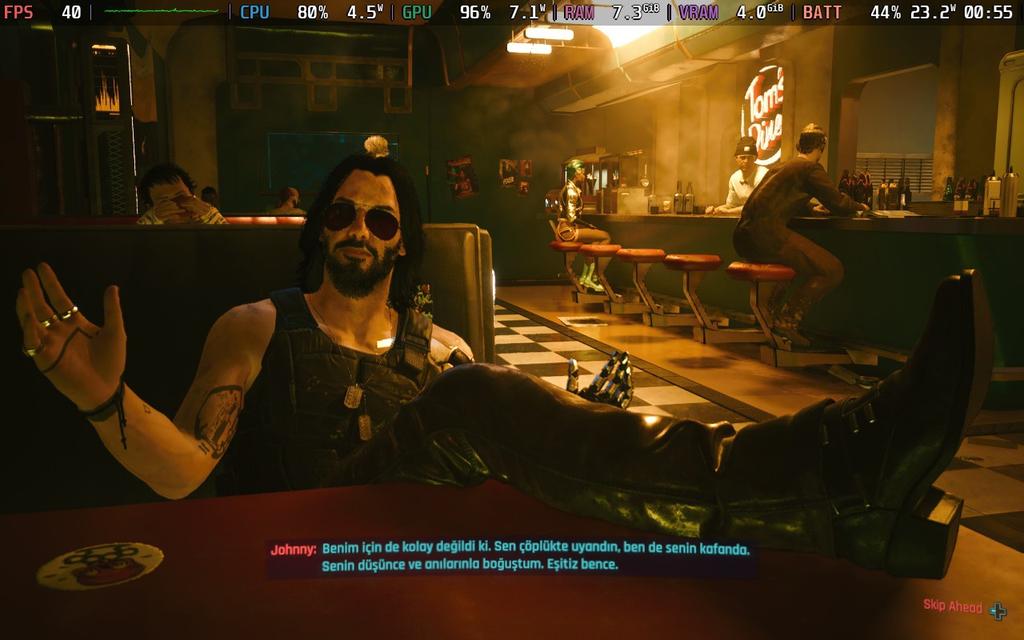
A high-profile heist that promises fame and fortune goes horribly wrong. In the chaos, V ends up with a mysterious biochip implanted in their head. That chip carries the digital personality of Johnny Silverhand, a long-dead rockstar and terrorist with a deep hatred for the corporate world. Johnny isn’t just a voice in V’s head; he’s slowly overwriting V’s mind.
From that point on, the story becomes more personal than political. It’s no longer about becoming a legend; it’s about survival. V is racing against time, trying to find a way to remove the chip before it completely erases who they are. Along the way, they form fragile alliances, dive into Night City’s darkest corners, and question what identity, legacy, and freedom really mean in a world where even your mind can be altered.
At its core, Cyberpunk 2077 isn’t just about dystopian tech or corporate conspiracies. It’s about mortality. About what it means to leave a mark. And about whether becoming a legend is worth losing yourself.
Initially, the game offers three different life paths: Nomad, Corpo, and Street Kid. On paper, this is a very risky design choice. If the differences between them are too small, the whole system feels pointless. Why even pick a background if it changes nothing? But if the differences are too drastic, then you’re basically locking major content behind multiple playthroughs, forcing players to replay the entire game just to see everything.
Thankfully, your chosen life path doesn’t completely rewrite the main story. You won’t feel like you’re playing three entirely separate campaigns. At the same time, it’s far from meaningless. It changes dialogue options, offers unique ways to approach certain situations, unlocks additional context in conversations, and makes some relationships feel more believable depending on your background.
It’s not a Resident Evil 2 situation where you feel like you’re missing half the story if you don’t replay it. But it’s also not a cosmetic choice that exists just for flavor. The balance is smart. Players who want to experience the game once won’t feel punished, and hardcore fans who replay it will still discover new perspectives and subtle differences that enrich the experience.
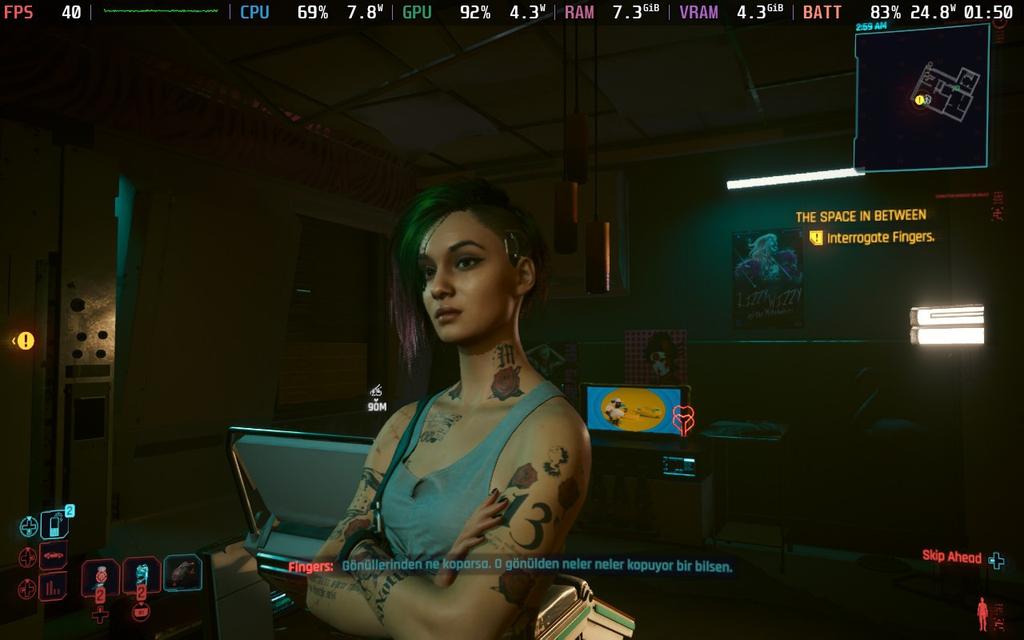
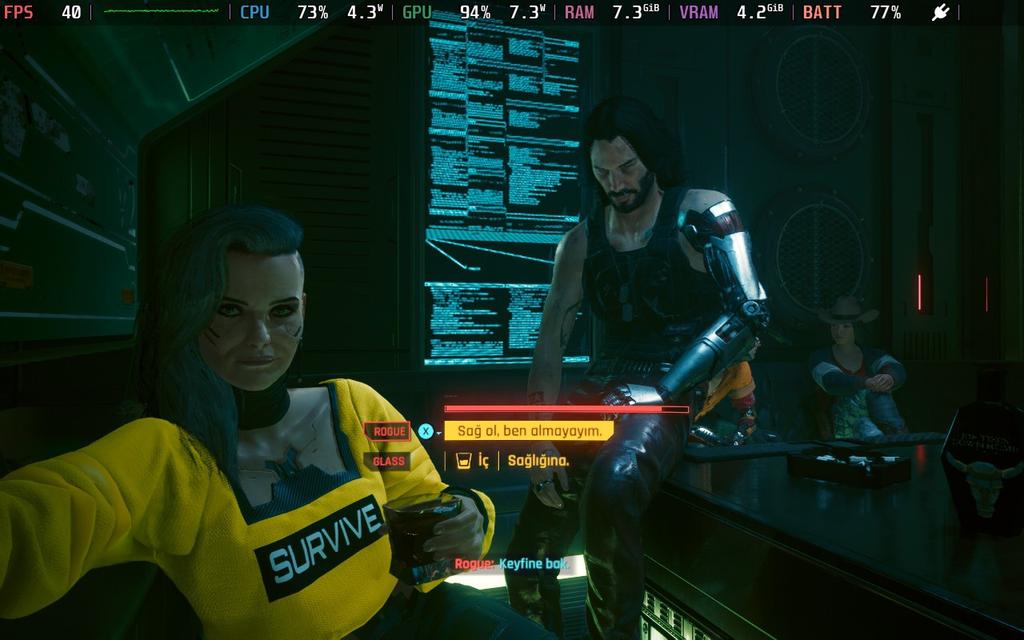
One of Cyberpunk 2077’s greatest strengths is its characters. Night City doesn’t just feel alive because of its lights and chaos. It feels alive because of the people in it. The game does an exceptional job of writing characters that feel layered, flawed, and human. They have their own motivations, fears, and agendas. They’re not just quest givers standing around waiting for you.
Conversations rarely feel like filler. Dialogue flows naturally, and many choices feel meaningful and personally reflective of the characters and world around you. You can build trust, burn bridges, form genuine bonds, or create lasting resentment. What makes it even stronger is that the game gives you space to care. You spend time with these characters outside of main missions, seeing their vulnerable sides, ambitions, and mistakes. At some point, you realize you’re no longer just completing objectives; you’re making decisions that affect people you’ve grown attached to. You can admire them or hate them, disappoint them, or you make them proud. That emotional involvement makes the bigger story moments hit much harder.
Let’s talk about the gameplay… and yeah, we really need to talk about it. Not because it’s purely amazing or terrible, but because there’s just so much happening at all times. Cyberpunk 2077 feels like a “jack of all trades, master of none” kind of game, at least when it comes to gameplay variety.
You can play it as a full run-and-gun shooter, kick down doors, steal cars, cause chaos GTA style, and just go loud every single mission. Or you can slow things down, plan your approach, put a silencer on your weapon, and move like you’re in a stealth military game. You can barely be seen, barely be heard, and clear entire areas without anyone realizing what happened. And if that’s not your thing, you can lean into hacking and basically play as a cyber-mage, taking down enemies without even pulling the trigger. Or you can go full swordsman, rushing in with blades, parrying attacks, reflecting bullets, and turning every fight into a fast-paced bloodbath.
Then, there’s the RPG side of it. You can completely immerse yourself in your own version of V, shape your build through skills, perks, cyberware, weapons, and loot, and approach situations in ways that genuinely feel different. It’s not just cosmetic customization; your build changes how you think, move, and solve problems.
At times, it almost feels like playing several subgenres at once. Shooter, stealth, action RPG, immersive sim, all blended into one package. But here’s the problem. Every aspect I just talked about has already been done better somewhere else.
The gunplay feels solid, but not groundbreaking. It works, it’s satisfying enough, but it doesn’t have that tight, refined punch you’d expect from a pure shooter. Stealth can be fun, but it’s often too forgiving and a bit shallow compared to games that are fully built around stealth. Melee combat, especially early on, can feel clunky rather than precise and skill-based. And honestly, all of those are understandable because when a single mission can be approached in five or six completely different ways, you can’t realistically expect each of those paths to feel like a fully fleshed-out standalone subgenre.
It would be unrealistic to design a deep military stealth system, a top-tier FPS combat loop, a complex hacking simulator, and a refined melee action game all within the confines of one single game. So no, the combat isn’t bad, it just rarely shines. It’s there to experiment with, to toy around, and to express your build. It serves the role-playing, and that supports the experience, but it doesn’t dominate it.
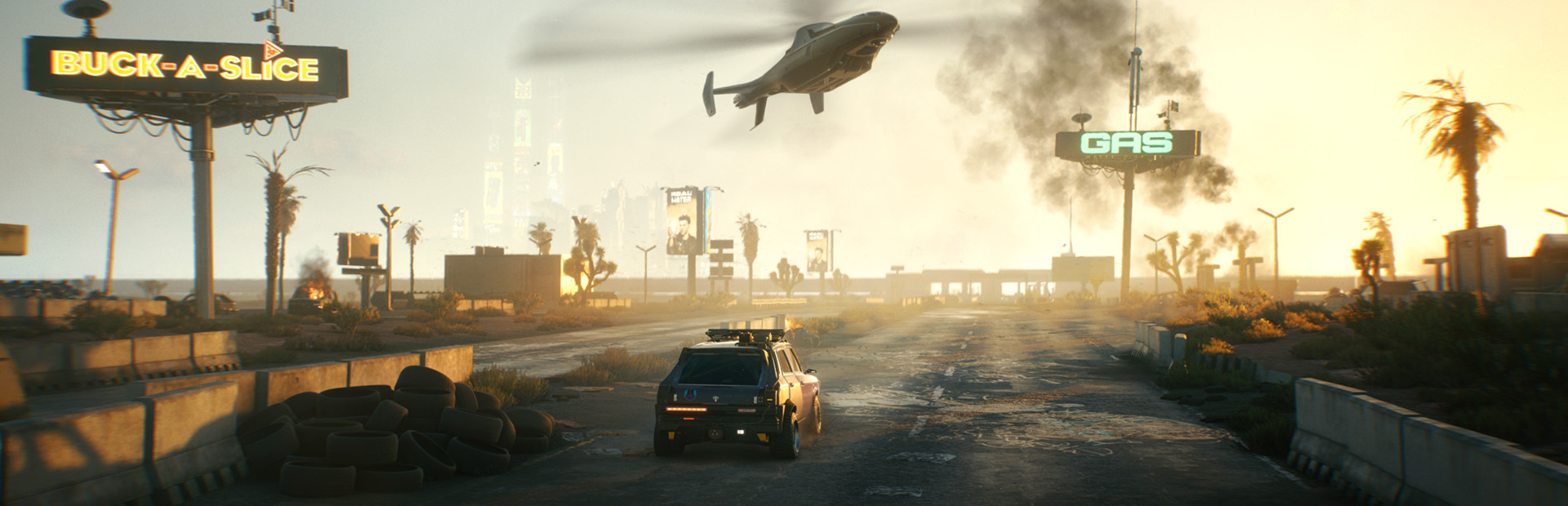
However, the best parts of this game are found in the world-building and atmosphere. I wouldn’t be exaggerating if I said this is one of the most impressive worlds I’ve ever seen in a video game. From the spectacular visuals to the bold artistic direction, everything feels carefully crafted. But more importantly, it feels alive.
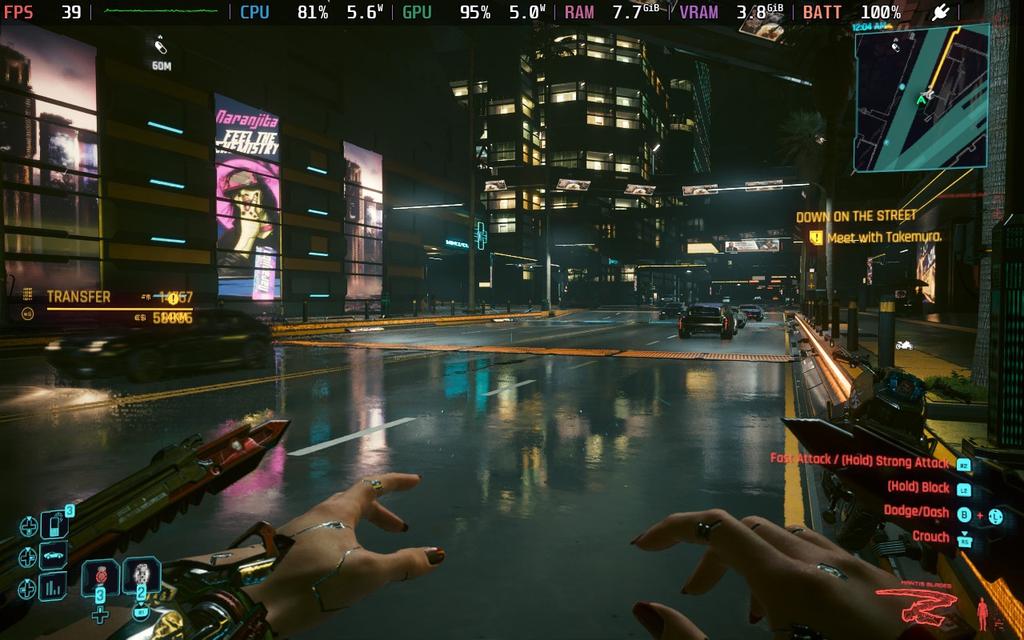
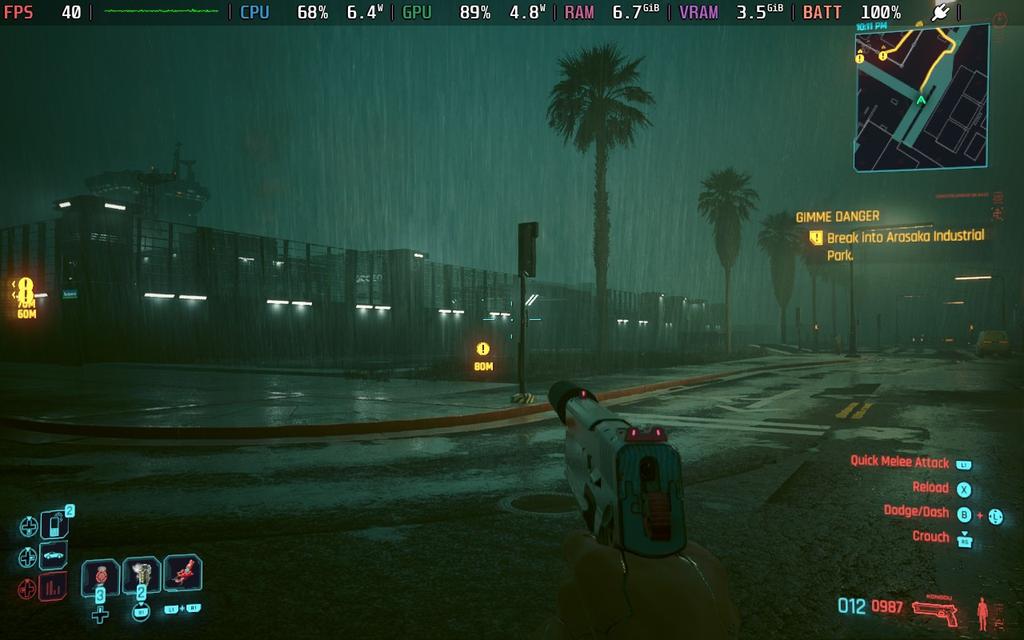
The lightning is genuinely phenomenal. Neon signs reflect off wet streets, shadows stretch across alleyways, and every district carries its own visual identity. The city feels crowded, noisy, and constantly in motion. NPCs aren’t just placed there to fill space; they make the world feel active, unpredictable, and lived-in. When all of this comes together, the futuristic design, the density, the atmosphere, it creates something special. Something that goes beyond just “good graphics.” This is a six-year-old game, yet visually it still competes with major releases in 2026.
The atmosphere is so immersive and mesmerizing that it genuinely changes how you play the game. I’m usually someone who fast-travels everywhere without thinking twice. But in Cyberpunk 2077, I found myself doing the exact opposite. I would drive manually, letting the city unfold before me, or taking the long way on purpose just to experience it. Watching the gorgeously crafted environments and listening to the distant noise of the city turn simple travel into part of the experience.
Despite all the improvements over the years, some visual bugs still pop up from time to time. They’re not game-breaking, but they can momentarily pull you out of the immersion with certain areas that feel a bit repetitive. The overall aesthetic of Night City is strong, but it sometimes leans too heavily on the same visual theme. After dozens of hours, you start noticing familiar layouts and similar environmental patterns.
And then there’s the sound design in public spaces with constant commercials and looping advertisements that can become grating. Hearing the same voices every few minutes starts to wear thin. A bit more variety would have gone a long way in making the city feel even more alive and organic.
Sound design and music are often praised in Cyberpunk 2077. And while I understand the appeal, I personally found parts of it surprisingly generic. The heavy EBM and techno tracks that dominate combat and high-intensity moments are definitely hype-inducing. They fit the on-screen chaos and amplify the action, but beyond that initial energy, they never felt particularly memorable. There wasn’t a single theme that truly stuck in my head after I stopped playing.
I’m not saying the music is bad. It works, especially during combat, and it supports the immersion, but the repetitiveness and the lack of standout identity make it feel somewhat uninspired.
Sound effects also feel a bit inconsistent. Gunshots have weight, but melee combat in particular can sound underwhelming, which makes close-range fights feel less impactful than they should.
On the other hand, the performances and voice acting are exceptional. The delivery of the lines captures the characters' emotional tone perfectly. Keanu Reeves as Johnny Silverhand is arguably one of the strongest casting choices in modern gaming, going a step further to define his character's presence.
Despite everything the game does right, there are areas where it struggles. One of the biggest issues, especially in the early hours, is how overwhelming it can feel. From the start, you’re introduced to life paths, attributes, perk trees, cyberware, weapon stats, crafting systems, quickhacks, and street cred. It throws a lot at you all at once.
At first, it almost feels unnecessarily complex. As if the game expects you to understand a dozen interconnected systems before you’ve even had time to settle into the world. But as you keep playing, you slowly realize it’s not as complicated as it first appears. The systems start making sense. The upgrades become intuitive, and the game opens up instead of suffocating you.
And then there’s the stealth issue. While missions technically allow multiple approaches, the narrative tone often nudges you toward staying quiet. Characters repeatedly suggest avoiding attention, not causing chaos, and keeping things clean. Even though going in loud is always an option mechanically, it sometimes feels like the story subtly discourages it.
From a pure gameplay standpoint, you’re free, but from a roleplay perspective, it can feel like you’re being steered in a certain direction, and that can slightly hurt immersion, especially if your version of V isn’t the sneaky type.
Side quests are also a mixed bag. Some of them are genuinely excellent. They can be funny, unexpectedly emotional, or surprisingly creative. At times, they allow you to get to know certain characters on a deeper level, strengthening your relationship with them in ways the main story alone wouldn’t. These quests feel fluid, well-written, and thoughtfully designed. In many cases, they don’t feel like side content at all, but like essential pieces of the overall narrative.
But when it comes to gigs, my experience was different. At first, they feel exciting with new locations, new objectives, and new contracts to complete. But after a while, the formula becomes noticeable. Go to point A, neutralize or retrieve something, leave the area, and repeat. Individually, they’re fine, but collectively, they start to become extremely repetitive and bloat our map due to the sheer number of them.
After dozens of hours, I found myself doing gigs less because I was curious about the story, and more because I wanted the XP, money, and materials. They slowly shifted from feeling like captivating mercenary contracts in a living city to feeling like a checklist of chores. They’re not poorly designed. They just lack enough variation to stay consistently engaging in the long run.
Phantom Liberty Review:
This isn’t just another expansion thrown on top of an already massive game. Phantom Liberty stands as one of the most fully fledged and complete DLC experiences I’ve ever played. It doesn’t feel like side content; it feels essential to the base game's narrative.
One of the smartest decisions CD Projekt RED made was not placing this expansion after the main game's ending. Instead, Phantom Liberty triggers at a middle point within the main story. It blends naturally into the narrative, without feeling forced or detached. Whether you’re deep into your playthrough or just recently started, the transition feels natural. It doesn’t interrupt the flow; it enhances it.
Dogtown, the new region introduced in the expansion, brings a completely different atmosphere to the table. While Night City is chaotic and flashy, Dogtown feels tense, controlled, and political. The environment is tighter, more oppressive, more focused. It carries a different energy, giving the expansion a flavor that sets it apart from the base game.
But the real gem is the story. Phantom Liberty focuses heavily on political themes, moral ambiguity, and character motivations. The narrative feels more cinematic, linear, and far more intense. The writing is spectacular. The dialogue carries more weight. The choices feel heavier.
In many ways, the storytelling here surpasses even the base game. The characters are more complex, the conflicts feel more grounded, and the emotional stakes hit harder. You’re not just completing missions. You’re navigating loyalties, betrayals, ideologies, and consequences.
I don’t want to go into too much detail about the story here because it deserves to be experienced firsthand. In short, Phantom Liberty is not just a great DLC expansion, but a worthwhile, strong, and plentiful addition to the overall RPG genre.
Cyberpunk 2077 - Steam Deck Performance Review
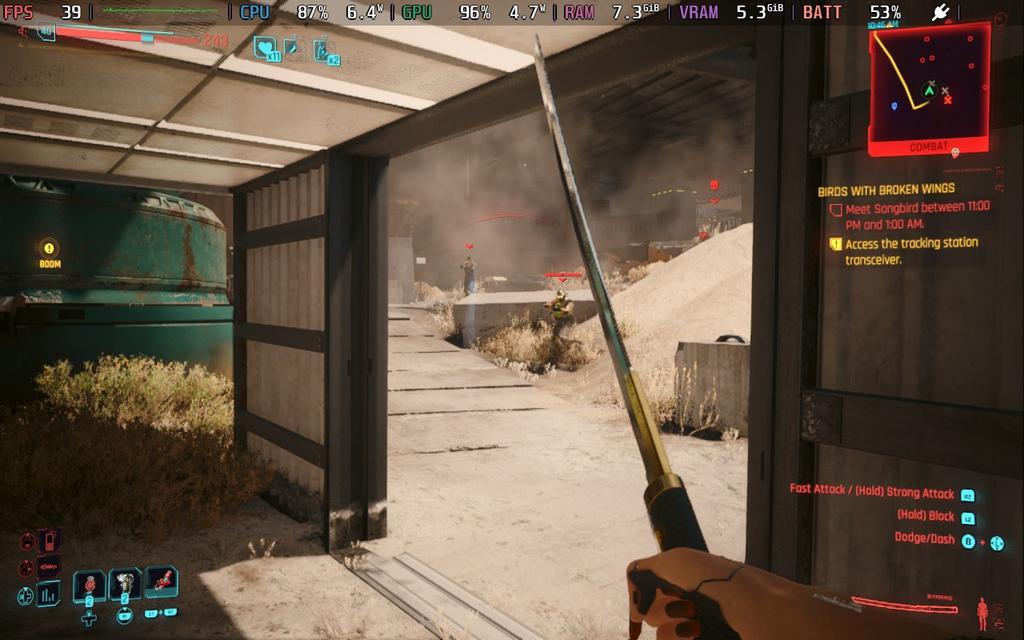
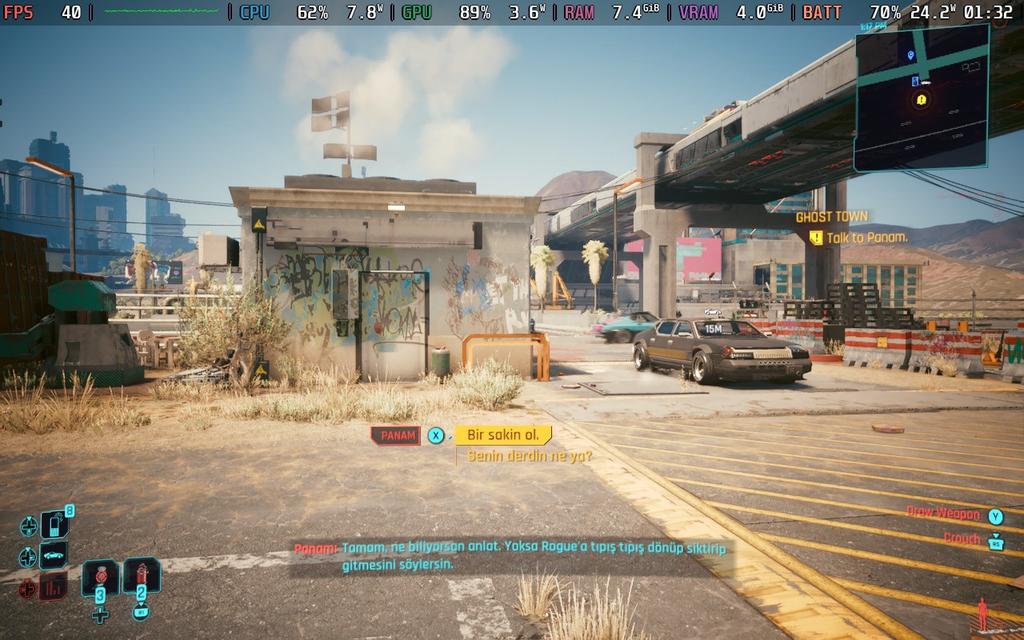
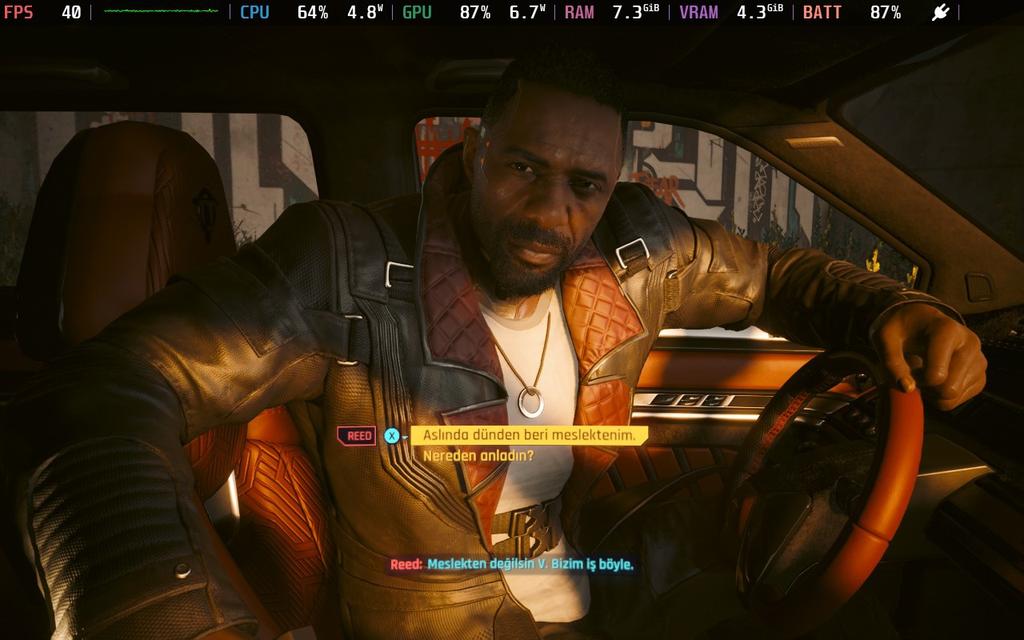
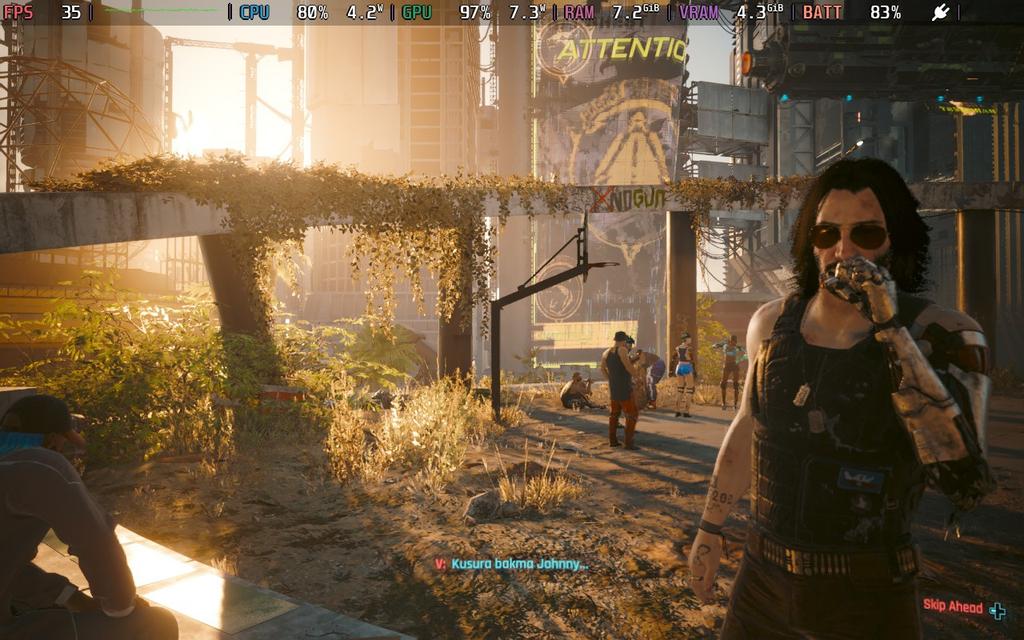
Even though Cyberpunk is a very demanding game with gorgeous visuals, it runs surprisingly smoothly on the Steam Deck. There is a default “Steam Deck” preset, but I highly recommend not using it. It’s locked at 30 FPS, and it feels way too clunky. It occasionally drops to the low 20s, especially in open-world areas and the Phantom Liberty expansion. Also, the visuals don’t really justify losing frame rate. My recommended preset looks just as gorgeous as the default Deck preset, but manages to lock the game at a solid 40 FPS.
The first thing I tried was giving up on FSR 2.1 scaling and setting it to XeSS. On most games, it works wonders, but here it felt a bit cheap and rough around the edges. Even though it helped with the blurry image, it caused the game to lose immersion and left a bad taste in my mouth. By default, the game uses the Balanced preset for FSR 2.1. Setting it to Quality mode gives perfect sharpness, allowing you to lower the detail settings without much sacrifice.
Setting motion blur to low or off is usually a matter of preference, but with a game running in the low-40s FPS range, I personally think disabling it gives a much better experience. If you like the effect, you can set it to low, like I did, since the previous FSR 2.1 Quality setting already made the game crisp enough. Other settings mostly involved turning some lower-priority options from high to medium, or medium to low. I targeted a perfect 40 FPS even in the most demanding parts of the game, and I mostly achieved it.
In the base game, most of the time it’s going to be a smooth 40 FPS. The only exceptions are when driving cars in vast open-world areas. But those drops are rare enough that they’re hardly noticeable.
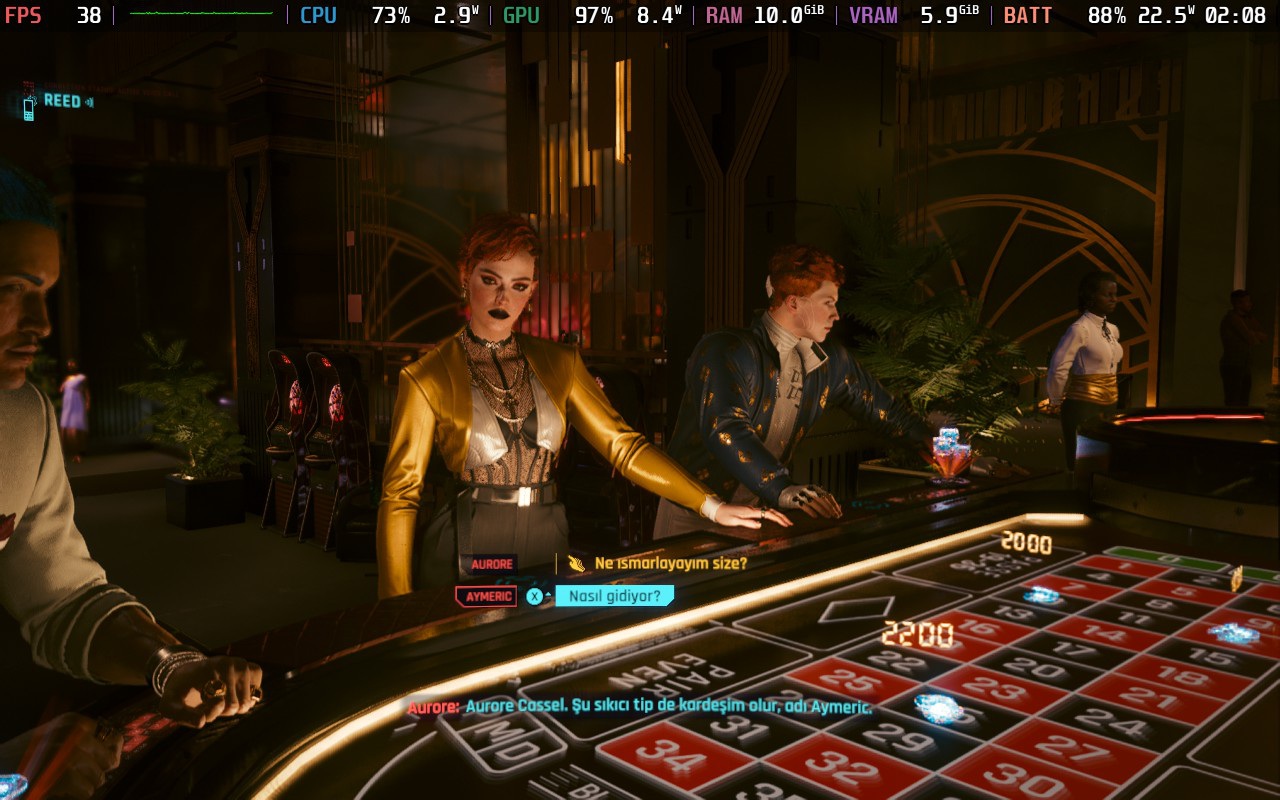
The major performance issues lie in Phantom Liberty itself. Even though it’s a DLC, it’s a huge one. It contains the full foundation of the 2.0 update, and the new Dogtown map is a very demanding place to be. In open areas of Dogtown, expecting a solid 40 FPS is unrealistic. It consistently drops into the low 30s and can even dip to 28.
The good news is that during main story quests and indoor sections, it maintains the smooth 40 FPS experience. Especially after playing the game for hours at higher FPS, locking it below 30 would hurt immersion.
It’s still highly playable and looks as gorgeous as ever. The only Deck-specific issue I found was the small HUD and hard-to-read text, but luckily, you can fully adjust it in the Accessibility tab, and I highly recommend doing so.
Accessibility
There is a dedicated accessibility settings tab in the game, and it’s an incredibly detailed and well-thought-out option set. There are a couple of color blind modes, adjustable HUD sizes, and even a center-of-screen dot overlay.
You can also customize subtitles in various ways, including different sizes and colors. There is aim assist for both ranged and melee combat, and it’s highly customizable as well. It’s clear that CD Projekt RED put real effort into making the game accessible for as many players as possible across all platforms and styles.
Conclusion:
What once launched as a huge disappointment has now become one of the strongest comeback stories. Cyberpunk 2077 is now an immersive RPG that combines multiple types of gameplay in very solid ways. Its freedom, both in gameplay and in its open world design, is top-tier. No matter the platform you play it on, including the Steam Deck, it remains one of the most gorgeous-looking games available.
The early hours can feel overwhelming, some gigs become repetitive over time, and certain gameplay systems don’t fully shine compared to games that specialize in them. But despite all of that, the incredible atmosphere, engaging storylines, and well-written characters are what make Cyberpunk 2077 such an awesome experience.
Our review is based on the PC version of this game.
If you enjoyed this review, be sure to check out the rest of the content on SteamDeckHQ! We have a wide variety of game reviews and news that are sure to help your gaming experience. Whether you're looking for news, tips and tutorials, game settings and reviews, or just want to stay up-to-date on the latest trends, we've got your back.
SDHQ's Build Score Breakdown
Despite it's demanding nature, Cyberpunk 2077 works like a charm on Steam Deck. It's a gorgeous world to dive in and spend hours in.
Onat has been immersed in gaming since childhood, witnessing the industry evolve across generations of hardware. Over time, his curiosity shifted from simply playing games to understanding how they run. A former competitive fighting game player, he developed a deep appreciation for performance precision, responsiveness, and mechanical depth. Today, he specializes in handheld performance optimization, particularly on the Steam Deck, analyzing frame pacing, power efficiency, and graphics scaling to push portable hardware to its limits.
Maximum FPS:40
1280x800
FSR 2.1 Quality 0.50 Sharpening
Ray Tracing: Off
Crowd Density: Low
Contact Shadows: On
Improved FLG: On
Anisotropy: 8x
Local Shadow Mesh: Medium
Local Shadow: Medium
Cascaded Shadows Range: Low
Distant Shadows: Low
Volumetric Fog: Medium
Volumetric Cloud: Off
Max Dynamic Decals: Medium
Screen Space Reflections: Medium
Subsurface Scattering: Medium
Ambient Occlusion: Low
Color Precision: Medium
Mirror Quality: Low
LOD: Medium
Projected Battery Usage and Temp
25W
80C
2-2.5 Hours
Community Rating
0
0
0
0
Let us know what level of playability you consider Cyberpunk 2077: Ultimate Edition to be. Help our community determine the viability of playing this game on Steam Deck!
What I criticized from the beginning and it was the reason why I still could not finished the game despite the fact I already played it many ours and restarted multiple time - the environment feels dead. Sure npcs running or standing around but the reaction of the npcs when something is happening around them is so basic it's scary and boring to look at. It's not just GTA we k ow as a open world game looking amazing when just reaction with the environment - Watch Dogs 2 a game many people don't like and is often overlooked by many has such a great city feeling when watching the people and the things they sometimes do by themselves. Cyberpunk just looks static when you look to closely:( so for me the gameplay was maybe improved but the disappointment that I felt at the release is still there.
It looks amazing on screenshots and tie dialogue and story is really well told but I can't stop look around and explore when someone gives me an open world map so while I'm impressed how well it works on medium and sometimes higher (no RT) with Optiscaler and FG on the Deck it's just not the big thing CD project promised here and they really promised a lot over the time of the development.
But of course that's just my opinion and I'm happy for everyone that enjoys the game. My best friend is playing it over and over again and I'm happy about it:)
We use cookies on our website to give you the most relevant experience by remembering your preferences and repeat visits. By clicking “Accept”, you consent to the use of ALL the cookies.
This website uses cookies to improve your experience while you navigate through the website. Out of these, the cookies that are categorized as necessary are stored on your browser as they are essential for the working of basic functionalities of the website. We also use third-party cookies that help us analyze and understand how you use this website. These cookies will be stored in your browser only with your consent. You also have the option to opt-out of these cookies. But opting out of some of these cookies may affect your browsing experience.
Necessary cookies are absolutely essential for the website to function properly. These cookies ensure basic functionalities and security features of the website, anonymously.
Cookie
Duration
Description
cookielawinfo-checkbox-advertisement
1 year
Set by the GDPR Cookie Consent plugin, this cookie is used to record the user consent for the cookies in the "Advertisement" category .
cookielawinfo-checkbox-analytics
11 months
This cookie is set by GDPR Cookie Consent plugin. The cookie is used to store the user consent for the cookies in the category "Analytics".
cookielawinfo-checkbox-functional
11 months
The cookie is set by GDPR cookie consent to record the user consent for the cookies in the category "Functional".
cookielawinfo-checkbox-necessary
11 months
This cookie is set by GDPR Cookie Consent plugin. The cookies is used to store the user consent for the cookies in the category "Necessary".
cookielawinfo-checkbox-others
11 months
This cookie is set by GDPR Cookie Consent plugin. The cookie is used to store the user consent for the cookies in the category "Other.
cookielawinfo-checkbox-performance
11 months
This cookie is set by GDPR Cookie Consent plugin. The cookie is used to store the user consent for the cookies in the category "Performance".
CookieLawInfoConsent
1 year
Records the default button state of the corresponding category & the status of CCPA. It works only in coordination with the primary cookie.
viewed_cookie_policy
11 months
The cookie is set by the GDPR Cookie Consent plugin and is used to store whether or not user has consented to the use of cookies. It does not store any personal data.
Functional cookies help to perform certain functionalities like sharing the content of the website on social media platforms, collect feedbacks, and other third-party features.
Cookie
Duration
Description
loid
2 years
This cookie is set by the Reddit. The cookie enables the sharing of content from the website onto the social media platform.
Performance cookies are used to understand and analyze the key performance indexes of the website which helps in delivering a better user experience for the visitors.
Analytical cookies are used to understand how visitors interact with the website. These cookies help provide information on metrics the number of visitors, bounce rate, traffic source, etc.
Cookie
Duration
Description
__gads
1 year 24 days
The __gads cookie, set by Google, is stored under DoubleClick domain and tracks the number of times users see an advert, measures the success of the campaign and calculates its revenue. This cookie can only be read from the domain they are set on and will not track any data while browsing through other sites.
_ga
2 years
The _ga cookie, installed by Google Analytics, calculates visitor, session and campaign data and also keeps track of site usage for the site's analytics report. The cookie stores information anonymously and assigns a randomly generated number to recognize unique visitors.
_ga_VF6TNG7YS7
2 years
This cookie is installed by Google Analytics.
_gat_gtag_UA_232930512_1
1 minute
Set by Google to distinguish users.
_gid
1 day
Installed by Google Analytics, _gid cookie stores information on how visitors use a website, while also creating an analytics report of the website's performance. Some of the data that are collected include the number of visitors, their source, and the pages they visit anonymously.
CONSENT
2 years
YouTube sets this cookie via embedded youtube-videos and registers anonymous statistical data.
Advertisement cookies are used to provide visitors with relevant ads and marketing campaigns. These cookies track visitors across websites and collect information to provide customized ads.
Cookie
Duration
Description
__gpi
1 year 24 days
Google Ads Service uses this cookie to collect information about from multiple websites for retargeting ads.
edgebucket
session
Reddit sets this cookie to save the information about a log-on Reddit user, for the purpose of advertisement recommendations and updating the content.
IDE
1 year 24 days
Google DoubleClick IDE cookies are used to store information about how the user uses the website to present them with relevant ads and according to the user profile.
session_tracker
2 hours
This cookie is set by the Reddit. This cookie is used to identify trusted web traffic. It also helps in adverstising on the website.
test_cookie
15 minutes
The test_cookie is set by doubleclick.net and is used to determine if the user's browser supports cookies.
VISITOR_INFO1_LIVE
5 months 27 days
A cookie set by YouTube to measure bandwidth that determines whether the user gets the new or old player interface.
YSC
session
YSC cookie is set by Youtube and is used to track the views of embedded videos on Youtube pages.
yt-remote-connected-devices
never
YouTube sets this cookie to store the video preferences of the user using embedded YouTube video.
yt-remote-device-id
never
YouTube sets this cookie to store the video preferences of the user using embedded YouTube video.










What I criticized from the beginning and it was the reason why I still could not finished the game despite the fact I already played it many ours and restarted multiple time - the environment feels dead. Sure npcs running or standing around but the reaction of the npcs when something is happening around them is so basic it's scary and boring to look at. It's not just GTA we k ow as a open world game looking amazing when just reaction with the environment - Watch Dogs 2 a game many people don't like and is often overlooked by many has such a great city feeling when watching the people and the things they sometimes do by themselves. Cyberpunk just looks static when you look to closely:( so for me the gameplay was maybe improved but the disappointment that I felt at the release is still there.
It looks amazing on screenshots and tie dialogue and story is really well told but I can't stop look around and explore when someone gives me an open world map so while I'm impressed how well it works on medium and sometimes higher (no RT) with Optiscaler and FG on the Deck it's just not the big thing CD project promised here and they really promised a lot over the time of the development.
But of course that's just my opinion and I'm happy for everyone that enjoys the game. My best friend is playing it over and over again and I'm happy about it:)