Every once in a while, you come across a piece of media that resonates with you for years on end. The emotional impact, countless hours spent absorbing the music, characters, atmosphere; it all comes together to create something uniquely mesmerizing. The kind of experience that makes you silently realize you're deep into one of your favorite games of all time.
Clair Obscur is the very first game from indie studio Sandfall Interactive, and before release, almost nobody expected it to become such a massive hit and dominate award shows the way it has. This small team of 33 passionate French developers delivered something gigantic, and its impact will likely leave a mark on the overall gaming industry for years to come.
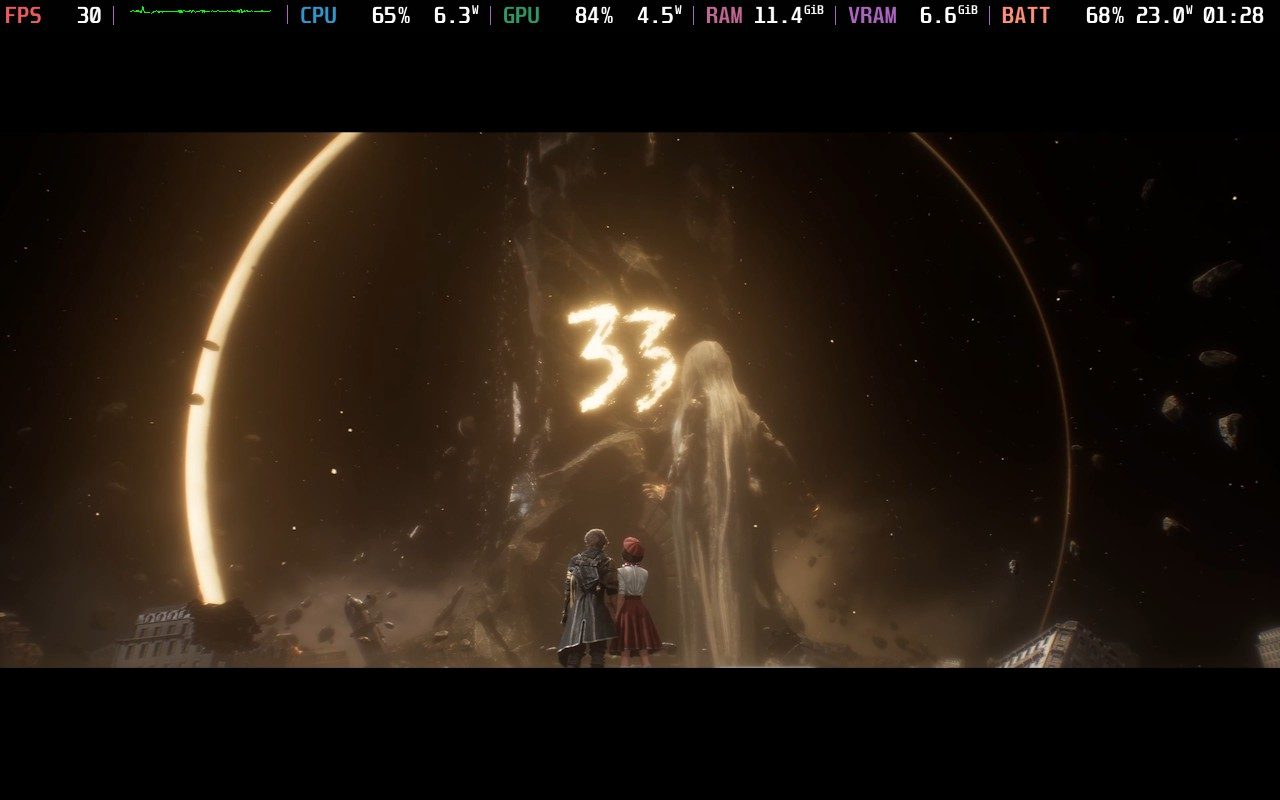
Set in a breathtaking dark fantasy world inspired by the Belle Époque golden age in France, Clair Obscur: Expedition 33 tells the story of a civilization slowly approaching extinction. Every year, a mysterious being known as the Paintress awakens and paints a number upon a massive monolith. Anyone matching that age instantly vanishes without a trace. With the number decreasing year after year, humanity sends an expedition into the unknown each time, hoping to find the Paintress and finally end the cycle. Expedition 33 follows the 67th expedition, a group of people marching toward an almost impossible mission, knowing that their own remaining time is running out. What follows is an emotional and deeply personal journey filled with loss, mystery, and the constant fear of inevitable death.
The story and writing are etched with a level of screenplay and dialogue quality that competes with film classics. Without diving into spoilers, the narrative constantly evolves through multiple emotional and philosophical layers. Much of the experience revolves around mystery, slowly connecting fragmented conversations, hidden meanings, and puzzling dialogue pieces together. That constant feeling of trying to understand the truth behind everything is what made the story so addictive.
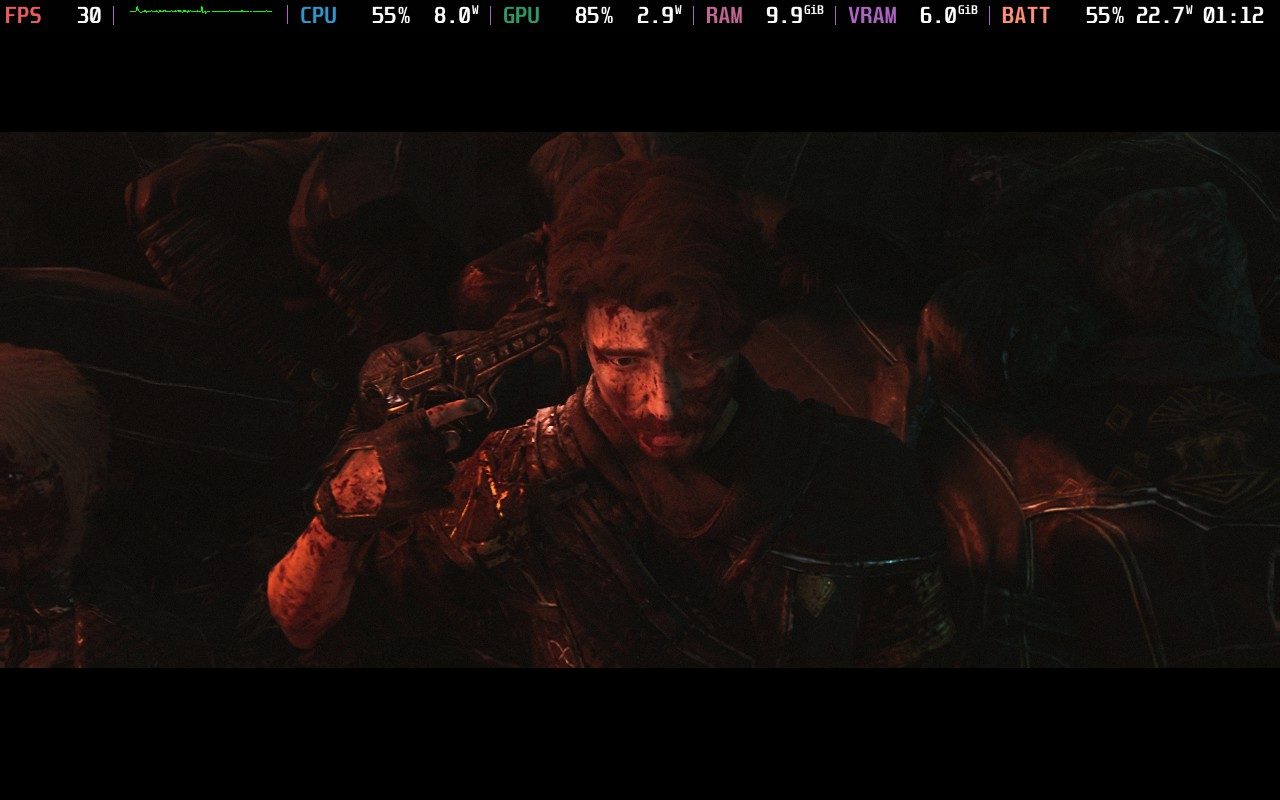
Clair Obscur distinguishes itself from its peers through its characters. From major cast members to side characters you may only speak to once, nearly everyone feels carefully written and memorable. One of the smartest decisions in the script is that no character feels completely devious or maligned. The game masterfully captures the grey areas of humanity, constantly pushing the player to empathize with actions that may be wrong, desperate, or forced by circumstances.
Story and writing are personally the most important aspects of a video game for me. With most games, I usually find myself nitpicking certain flaws or decisions I didn’t fully like. But in Expedition 33’s case, I genuinely struggle to think of anything I would change. The writing quality throughout the experience is nothing short of masterful. It made me cry, laugh, reflect, and constantly kept me emotionally invested from beginning to end. It was a complete rollercoaster of emotions.
When it comes to gameplay, my favorite way of describing Expedition 33 is “the best of both worlds.” The combat system feels like a near-perfect blend of classic turn-based Final Fantasy combat and the reaction-based defensive mechanics of Souls-like games such as Sekiro: Shadows Die Twice. While adding active reaction mechanics into turn-based games is not an entirely new concept, Expedition 33 is in a class of its own.
At first glance, combat starts like a traditional turn-based RPG. You build a party with different characters, unique strengths, playstyles, and skill combinations, carefully strategizing your way through encounters. However, once enemies begin attacking, the game transforms into something far more interactive. You can dodge, parry, or jump over attacks entirely through player reaction and timing.
Parrying, in particular, becomes one of the most satisfying mechanics in the game. It is extremely difficult to master, but also incredibly rewarding. Every successful parry grants AP, allowing you to build resources even while defending. Perfectly parrying entire enemy combos triggers devastating counterattacks that feel impactful every time. After hundreds of hours of gameplay, landing a full counter never stops being satisfying.
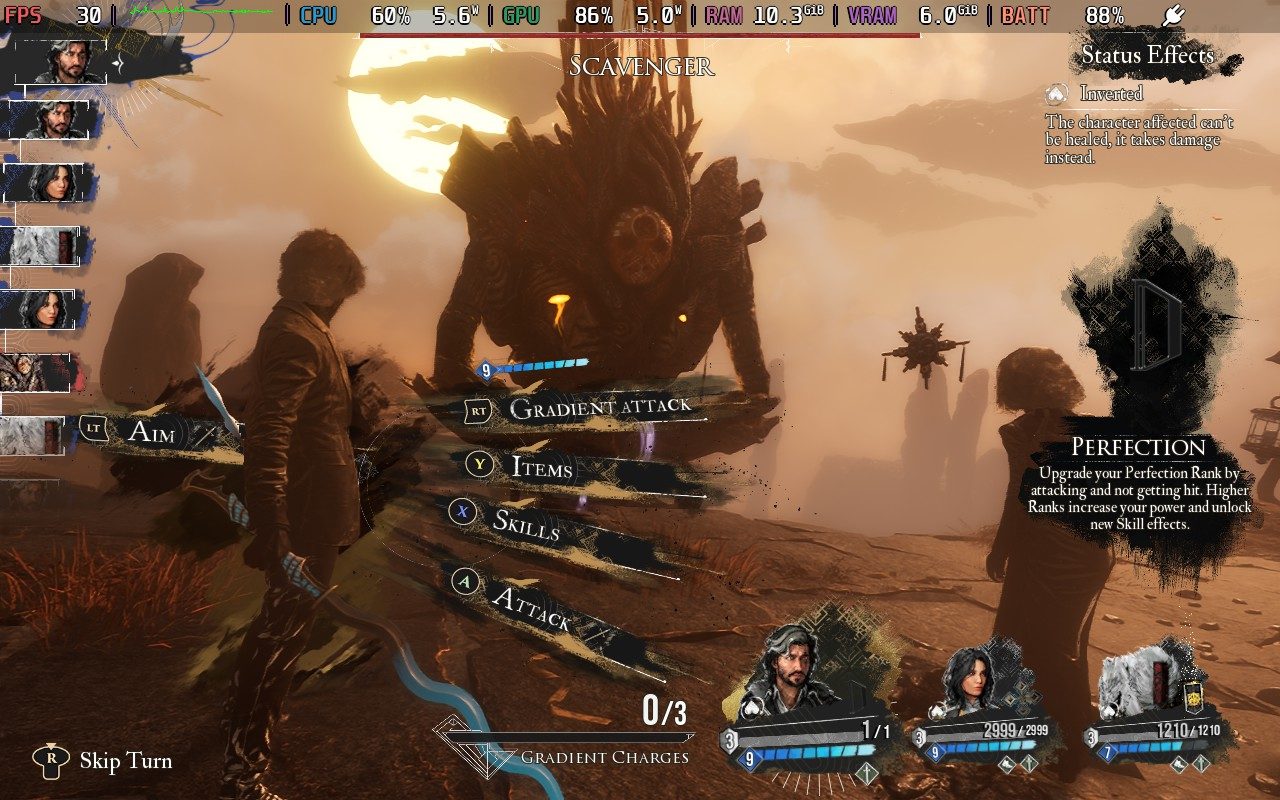
There are a total of six playable characters in the game, and each of them feels both unique and surprisingly deep mechanically. Each character introduces their own gameplay system and combat identity. For example, Lune functions as a mage who utilizes elemental “Stains” to create different effects and empower specific abilities, while Sciel fights using a card-based system that grants buffs, applies debuffs, and shifts her between different combat stances and modes.
The game also includes a character inspired by the classic “Blue Mage” archetype from Final Fantasy, allowing you to collect enemy abilities and use their own attacks against them. The amount of combat variety and combo potential across the cast is nuanced and contributes to the game's overall atmosphere.
On top of the turn-based combat, the game features a Free Aim system that feels like a small third-person shooter mechanic. You can manually target enemy weak points, interrupt attacks, or trigger special interactions during battle. What makes it even more impressive is how deeply this mechanic can be integrated into character builds. You can fully specialize certain characters around Free Aim and essentially turn them into machine gun-style damage weapons that seem to draw inspiration from first-person shooters. The sheer amount of build variety gives the combat system an unforeseen level of replayability and experimentation.
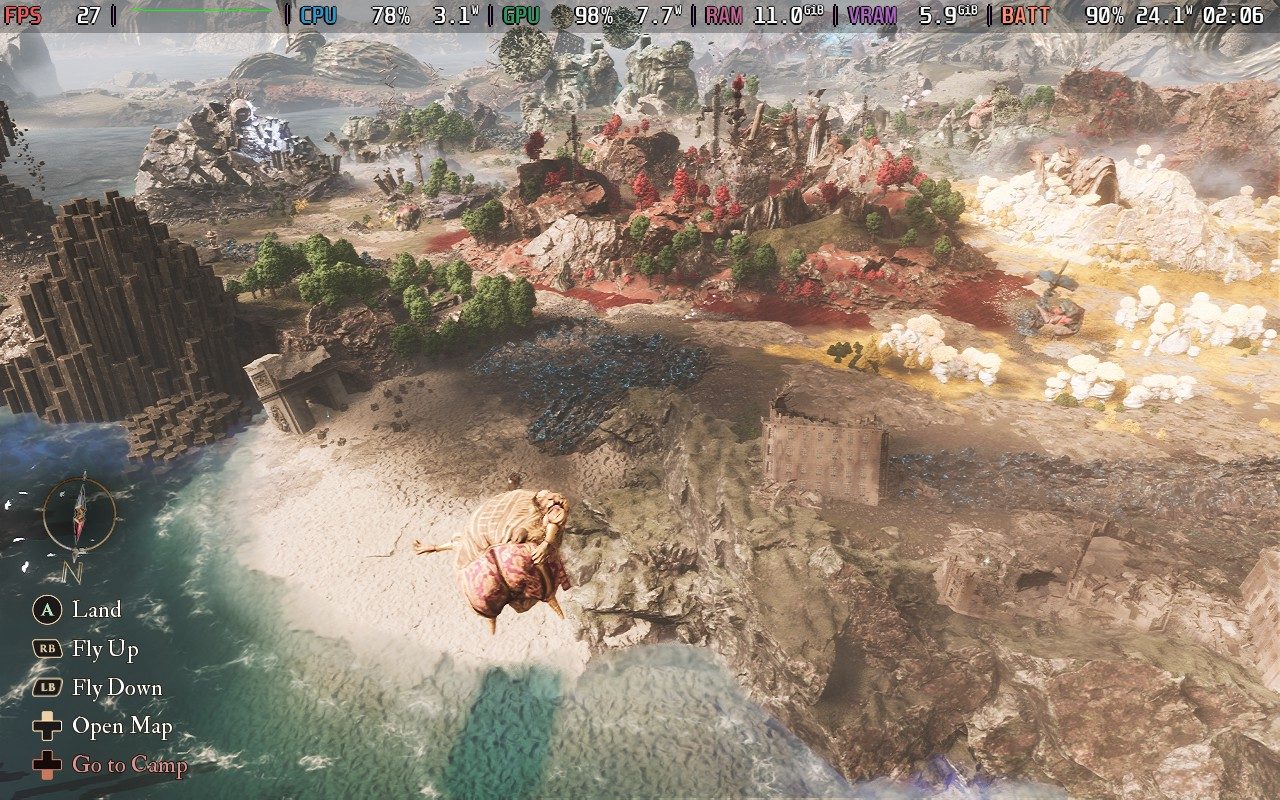
Clair Obscur: Expedition 33 uses a unique world structure that blends open exploration with more focused level design. While there is a large overworld where you can freely travel, fight optional bosses, discover loot, and unlock side activities, the main gameplay loop revolves around the game’s individual locations.
These locations function almost like large dungeon-style areas with semi-open layouts. They are filled with enemies, platforming sections, hidden paths, optional encounters, shortcuts, puzzles, and combat challenges, all of which constantly reward exploration. Each area is mechanically distinct, introducing new enemy combinations, traversal ideas, and gameplay scenarios rather than repeating the same structure over and over.
By avoiding the typical “open world checklist” design, the game becomes more enjoyable. Exploration feels focused and gameplay-driven rather than bloated, keeping a strong pace throughout the entire experience.
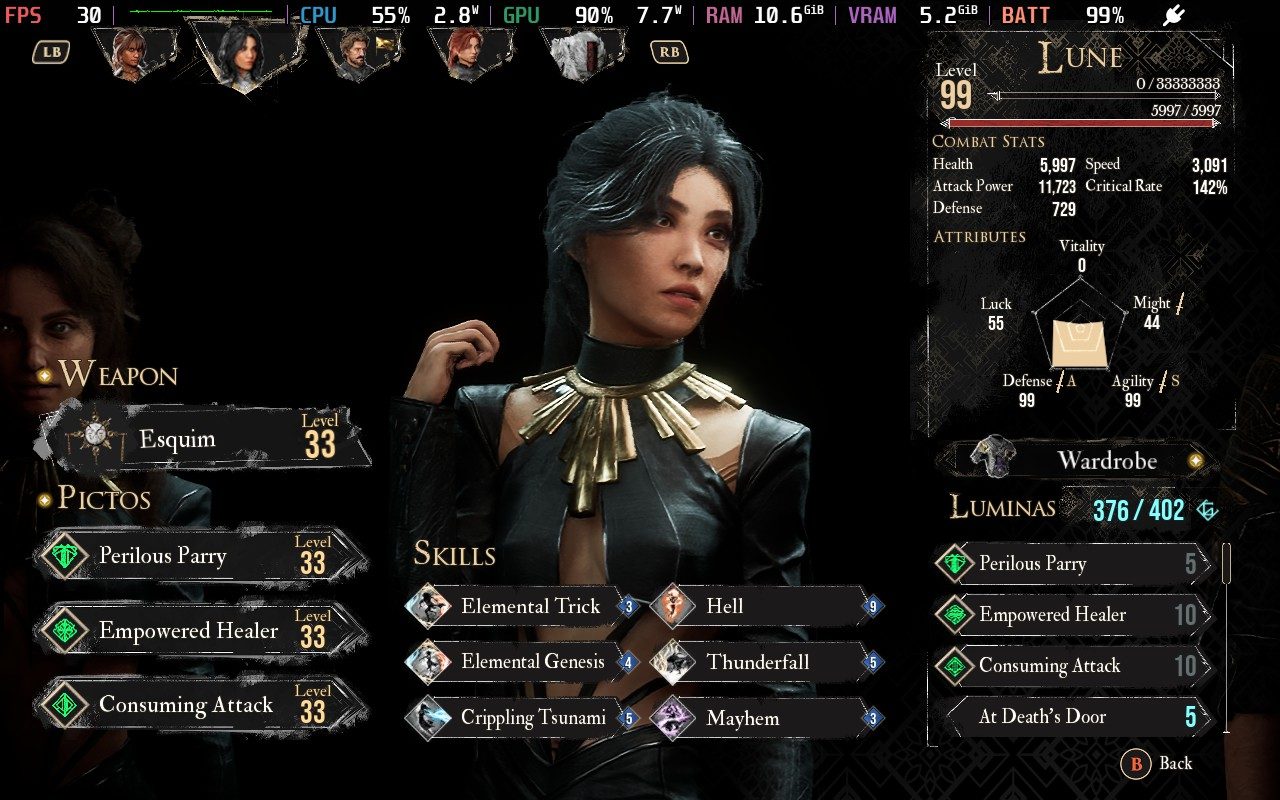
At first glance, character progression looks deceptively simple. You level up your characters, improve stats, unlock new skills, and equip stronger gear, much like you would in a traditional RPG. However, the game's real depth comes from its Picto and Lumina systems.
Pictos are special equipment pieces that not only provide stats but also unique passive abilities that can drastically change your playstyle. The clever part is that after winning four battles with a Picto equipped, its passive ability is permanently unlocked as a “Lumina.” Once unlocked, you can equip that passive separately without needing to keep the original Picto on your character, essentially letting you stack and combine countless different effects together.
Throughout the game, you constantly collect Lumina points that expand your Lumina capacity, allowing for increasingly powerful and creative builds. The feeling of gradually becoming stronger is satisfying, especially because the system constantly rewards experimentation.
There are well over a hundred different Pictos for Luminas in the game, creating an enormous amount of specialized build variety. Even after reaching the level cap for your characters, weapons, and equipment, you can continue farming Lumina points to further improve your builds. This progression system adds a huge amount of replayability, especially for New Game Plus runs where you can experiment with entirely different playstyles and absurdly powerful combinations.
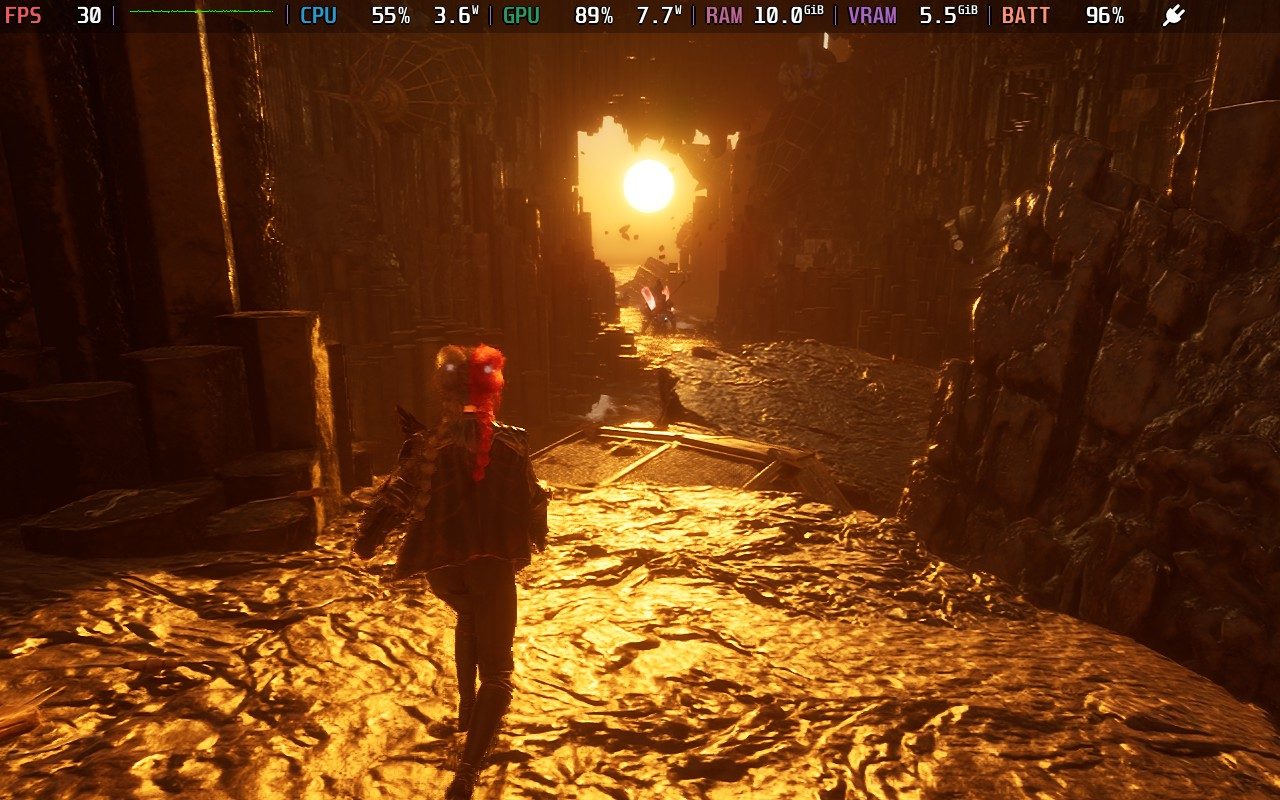
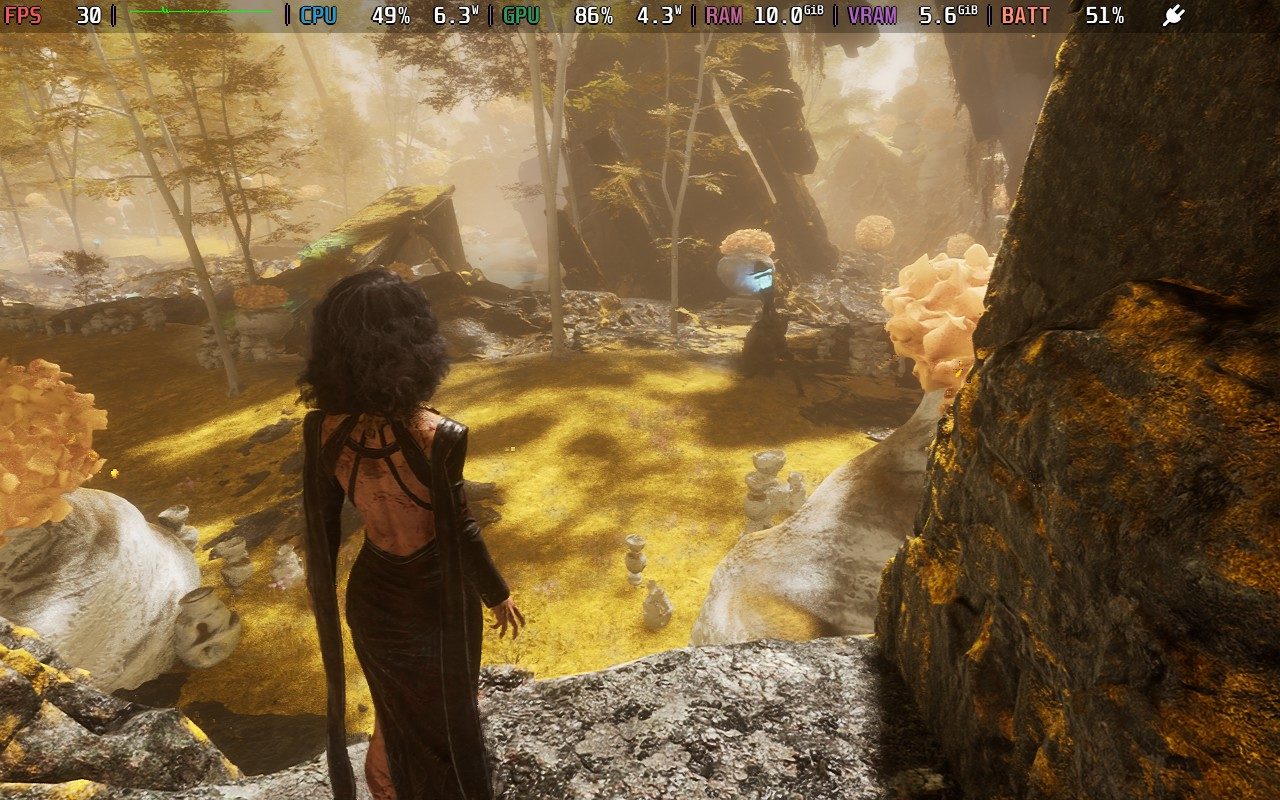
At first glance, the graphical quality in Expedition 33 may seem like a fairly standard Unreal Engine 5 presentation with solid but familiar texture work. What elevates the visuals is the incredible attention to atmosphere, particle effects, lighting, and artistic direction. Nearly every area in the game feels as if it were pulled from a painting, constantly presenting the player with unique visual themes and memorable scenery.
The game makes extremely smart use of cinematic techniques such as depth of field, lighting contrast, fog, and environmental effects to enhance the overall presentation. Rather than forcing realism through an enormous budget, Expedition 33 uses its artistic strengths intelligently, often masking technical limitations in ways that feel almost magical. The result is a game that looks breathtaking despite being developed by a relatively small team.
The cinematic presentation quality is so good that some scenes feel closer to watching a professionally edited, scripted movie than to playing a video game developed by a small team in France. And thanks to the talented motion capture performers and the game’s strong directorial vision, the cinematics become far more emotionally immersive than most RPGs. The facial animations, body language, camera work, and performances all come together brilliantly, making the visual presentation during story moments pull you deeper into the experience and make even simple conversations feel impactful.
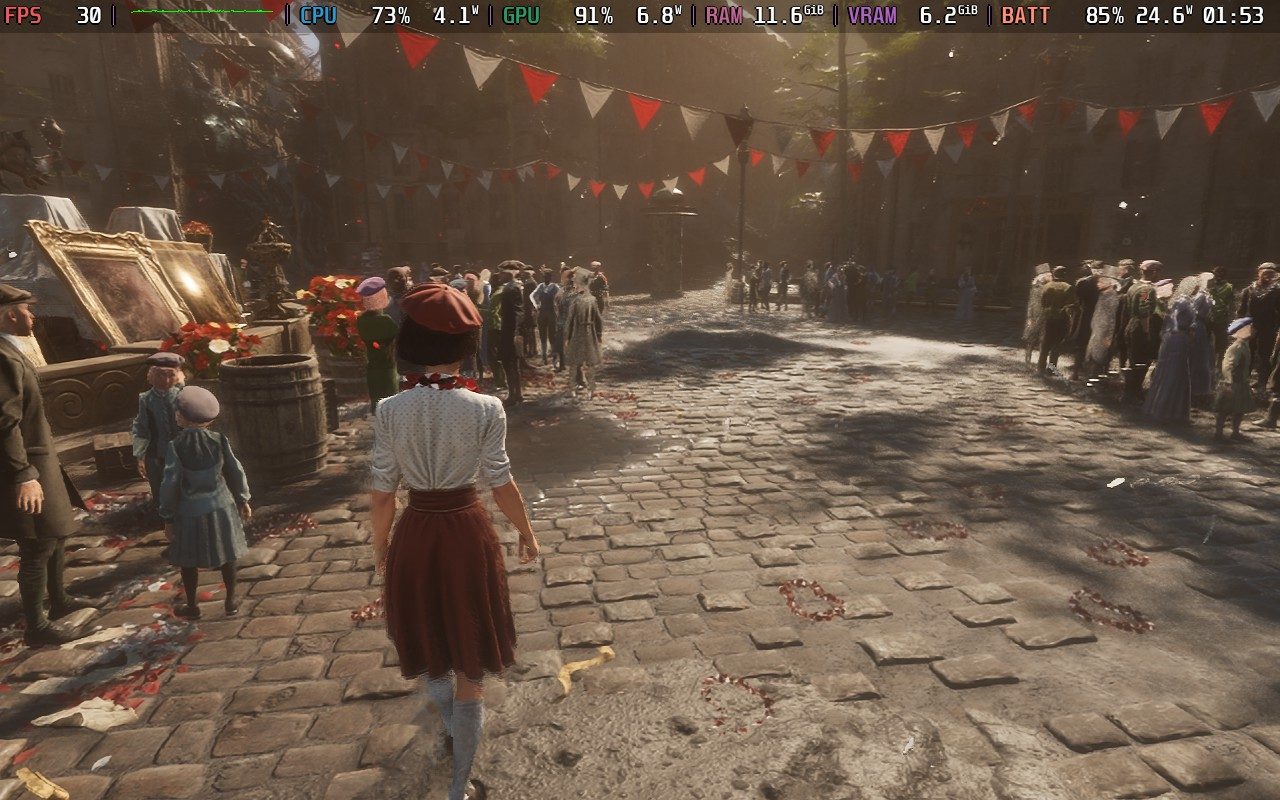
The only noticeable technical issue I found was with the character models. Both important story characters and random NPCs can sometimes look a little too similar facially, making it fairly obvious that many of them share very similar base models underneath their designs.
While this is ultimately a minor complaint, it can occasionally diminish immersion and create unintended confusion during certain scenes. At times, I found myself wondering whether a character was intentionally connected to another, related somehow, or part of a future reveal, simply because some faces looked so similar. It’s one of the few areas where the game’s smaller budget becomes slightly more noticeable.
Also, the aggressive use of depth of field causes some blurriness issues. On hair, it causes an effect that looks a little bit underwhelming. But other than that, the game looks absolutely gorgeous.
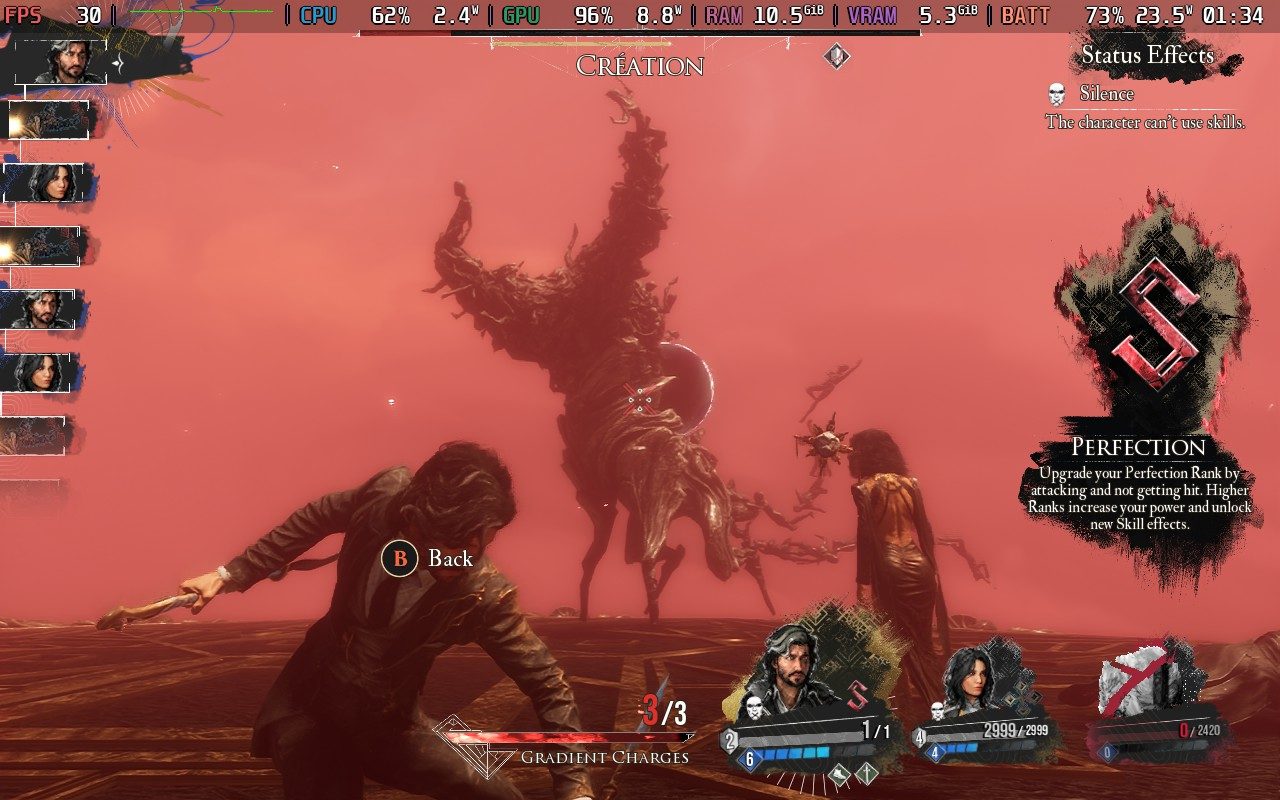
Music... music... music... I seriously don’t even know what to say here. I feel unqualified trying to review Lorien Testard’s work because the soundtrack is simply awe-inducing. With 154 different tracks, this is easily one of the most robust soundtracks I’ve ever heard in a video game.
The differentiation is insane. Some tracks are emotional and melancholic, some are peaceful and atmospheric, while others suddenly turn into intense boss themes that make fights feel ten times more impactful.
What makes it even more special is how memorable everything is. Hours after playing, I still had multiple tracks randomly stuck in my head. The music carries so many emotional scenes and elevates the entire experience constantly. There were moments where I just stopped moving for a minute and listened to the sounds coming through my speakers.
Sound design and voice acting, as presented, are top-tier. The impact and feedback during combat feel incredible, especially when it comes to parries and powerful skills. Every hit, counter, explosion, and attack has this heavy, satisfying feeling to it that makes combat even more addictive.
Voice acting is fantastic across the entire cast as well, with emotional scenes feeling natural and believable instead of overly dramatic or forced. Honestly, the entire sound package, from music to effects to performances, is a work of art.
I want to start with a small disclaimer here. If you simply download the game and play it using the default “Verified” settings, you are honestly going to have a pretty terrible experience. Out of the box, the game uses heavily restricted settings that look extremely blurry, suffer from unstable performance, and introduce noticeable input delay due to the uncapped fluctuating frame rate.
By default, the game does not properly allow you to lock the frame rate, meaning performance constantly jumps around between 30 and 50 FPS, depending on the area. In most games, this would already be annoying, but in a reaction and parry-heavy game like Expedition 33, inconsistent frame pacing actively hurts gameplay.
Thankfully, there is an easy workaround. By adding:
SteamDeck=0 %command%
into the Steam launch options, you can bypass the game’s restricted Steam Deck preset and gain full access to the graphics settings menu, including proper frame rate limiting options. This alone massively improves the experience and immediately makes combat feel far more responsive.
The second thing I highly recommend doing is injecting an FSR 4 file. Thankfully, this process is extremely simple and dramatically improves image quality without heavily impacting performance. There are multiple ways of doing it, but the easiest method is downloading the amd_fidelityfx_upscaler_dx12.dll file directly from AMD’s official files and replace the existing one through Desktop Mode.
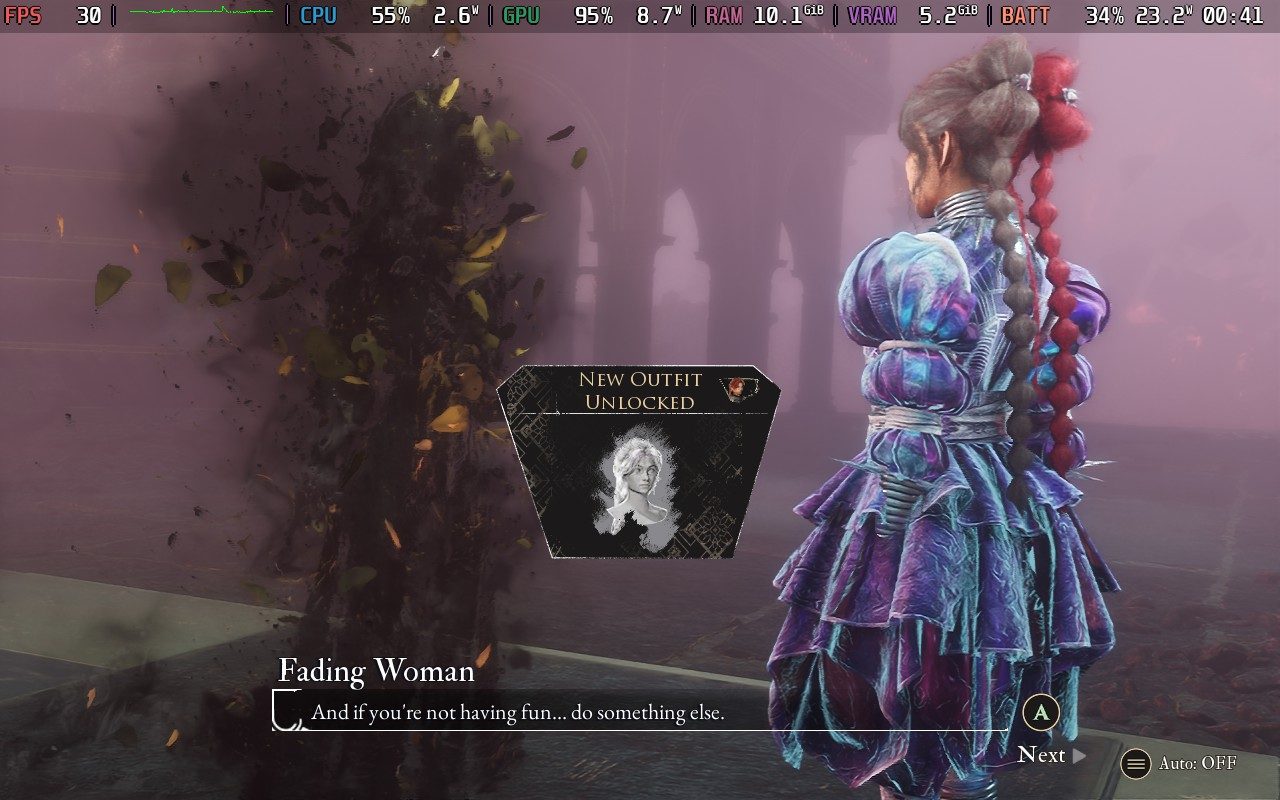
Once both of these tweaks are applied, the visual difference is shocking. The game transforms from a blurry, unstable mess into one of the sharpest and most visually impressive games available on Steam Deck. Here’s a comparison between the default FSR 3.1 implementation and FSR 4 running on the Performance preset.
Once properly configured, the game manages to hold a surprisingly stable and responsive 30 FPS lock on Steam Deck for the vast majority of the experience. Around 99% of gameplay feels smooth and consistent, which is extremely important for a reaction-heavy combat system like this one.
There are a few exceptions. Some larger open-world sections and certain chaotic 3v3 encounters can occasionally dip into the 24-27 FPS range, but these drops are relatively minor and rarely occur during actual gameplay. Overall, the experience still feels very comfortable and responsive on the Deck.
There is little visual sacrifice made while using lower settings. Even on desktop hardware, the difference between the lowest and highest presets is surprisingly subtle in many areas. Thanks to the game’s creative use of art direction and lighting, Expedition 33 still looks absolutely gorgeous on Steam Deck despite running on the lowest available settings.
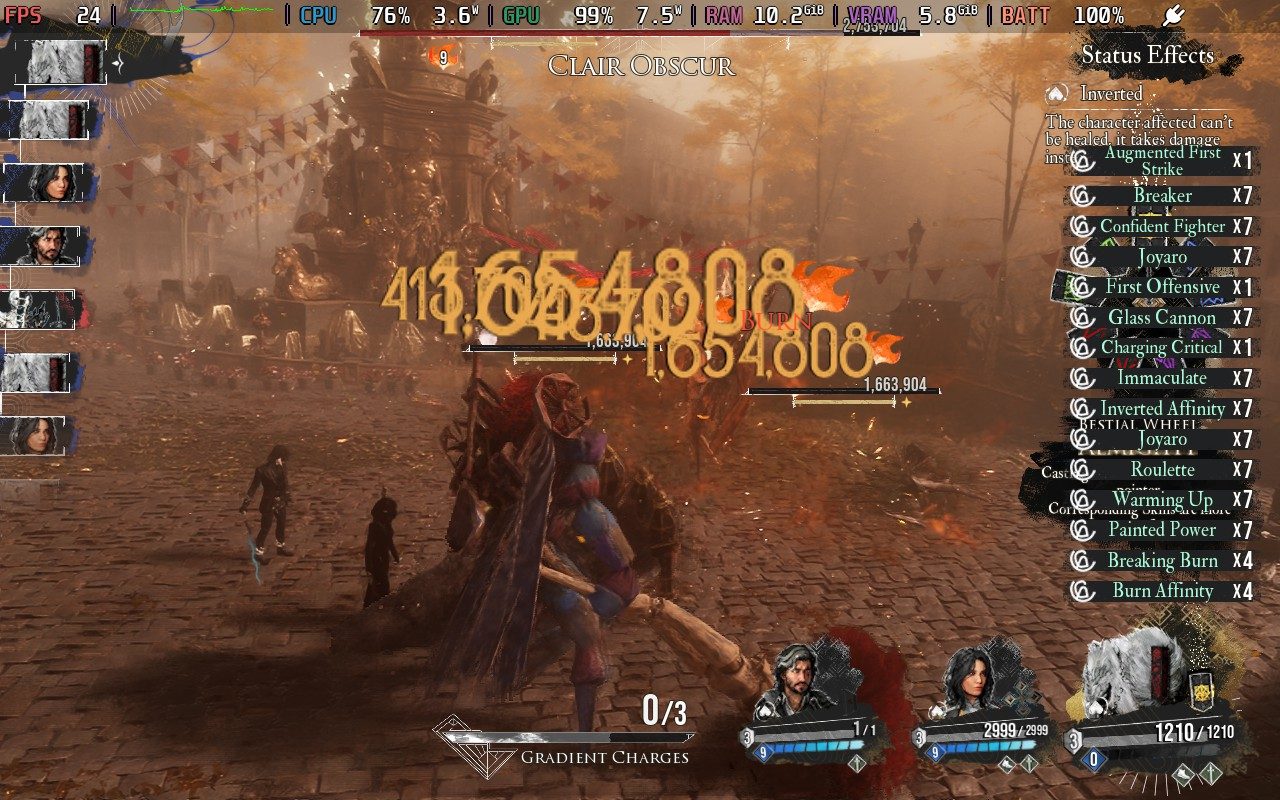
Clair Obscur: Expedition 33 is one of the rare games that reminds me why I fell in love with video games in the first place. Between its masterfully written story, unforgettable characters, addictive combat system, incredible soundtrack, and beautiful artistic vision, this is an experience that will stay with you long after the credits roll.
On Steam Deck, the experience is also far better than the default settings initially suggest. While the out-of-the-box “Verified” profile is disappointing, a few simple tweaks transform the game into a surprisingly stable and visually stunning handheld experience.
It feels surreal that this is the very first game from Sandfall Interactive. If this is what the studio is capable of on their debut title, I cannot wait to see what they create next. Clair Obscur: Expedition 33 is not just one of the best RPGs I’ve played in years. It is probably the best game I've ever played, period.
このレビューはPC版に基づいています。
このレビューをお楽しみいただけたなら、SteamDeckHQ の他のコンテンツもぜひご覧ください!あなたのゲーム体験に役立つゲームレビューやニュースを幅広く取り揃えています。ニュース、ヒントやチュートリアル、ゲーム設定やレビューをお探しの方も、最新のトレンドを知りたい方も、ぜひご利用ください。
Of Ash and Steel was provided by tinyBuild for review. Thank you!
Of Ash and Steel presents itself as an unapologetic throwback to RPGs of yore, where UI elements were limited, combat was challenging, and the sense of exploration was unmatched. It's certainly hit the mark with some of its manifesto, and I think it's a game that will prove quite divisive.
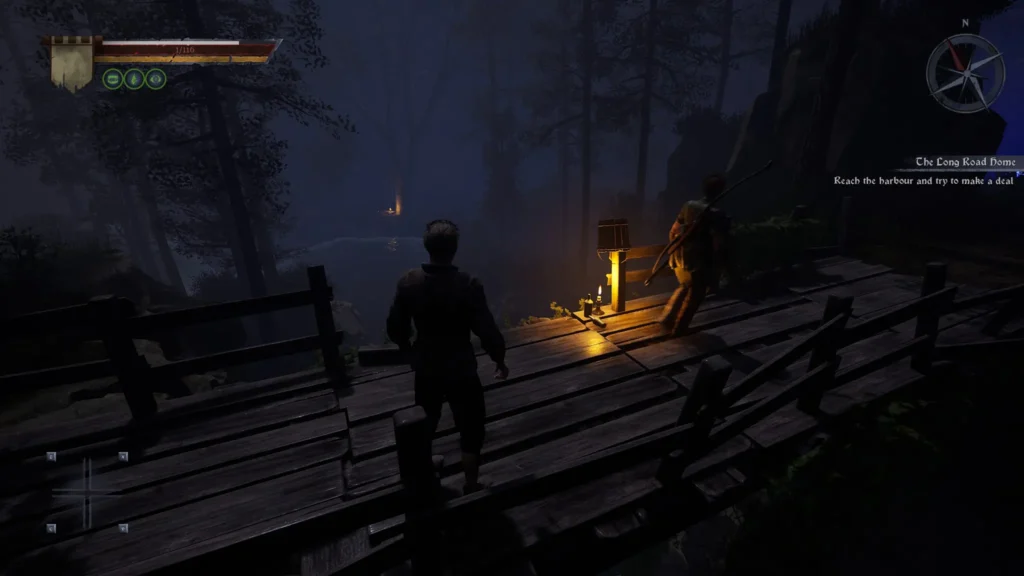
Of Ash and Steel starts with a rather lengthy prologue, in which we're introduced to our main player character, a cartographer. We also get a tease of how the game's quest system works, where you have to pay attention to dialogue and notes to find out what to do, because beyond some simple text telling you the objective, there is no path or marker for objectives to tell you where to go.
At first, this is a bit of a novelty; it's almost pleasant not to be told where to go all the time. But the game offers no alternative routes to your destination. You can't ask the NPCs where specific locations are that you're trying to find, and the journal you have often doesn't tell you either, and so you frequently find yourself wandering aimlessly trying to find your objective. It ultimately quickly loses its appeal.
As someone who enjoys playing video games to relax, Of Ash and Steel does pretty much everything in its power to prevent that. It has all the standard RPG elements, leveling up, quests, and combat, but makes them as difficult to use as possible. Learning skills must be done with skill points, but only if you find someone to teach you that skill, have the gold to pay, and have the right ability stats to unlock it. Quests give you an objective, but no notes (or vague notes) of where the objective is or how to get there.
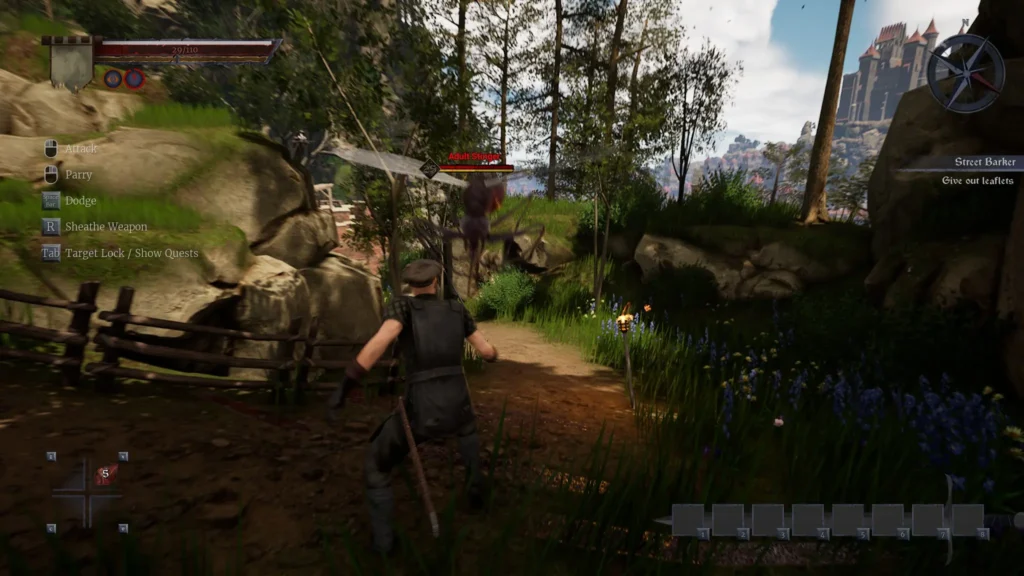
Of Ash and Steel has decent combat, but it does feel a little stilted. You can easily get caught in animations that can't be cancelled, and when your stamina runs low, this is even more of a problem, as your animations play much more slowly. Even worse, the AI pathfinding (for both friendlies and enemies) can get really messed up, resulting in NPCs randomly walking away from you or escort missions failing to complete as friendly NPCs can't path correctly. NPCs also only ever move at a walking pace, and if you run ahead, they will stop. It's nostalgic in all the wrong ways for me.
I also encountered an issue with "friendly fire"; if you're fighting alongside a friend and accidentally hit them with your weapon, they will turn on you and try to kill you, even if you're fighting closely against the same enemy, where hitting them is very likely. The saving grace is that if you can escape them, once they lose aggro, they don't stay hostile, but it's an annoying feature to have in the game.
The game is also quite challenging. If you aren't up for a frankly brutal experience, you will want to play on the easiest difficulty. Otherwise, it's a lot of parrying, dodging, and doing pitiful amounts of damage to very strong enemies that will kill you in 2 or 3 hits. I found myself just running past most enemies if I could. You also cannot change the difficulty for a save game once you select it, which is a shame, as you may not expect how tough the game is going into it, as the first bit of combat is a good hour or so into the game.
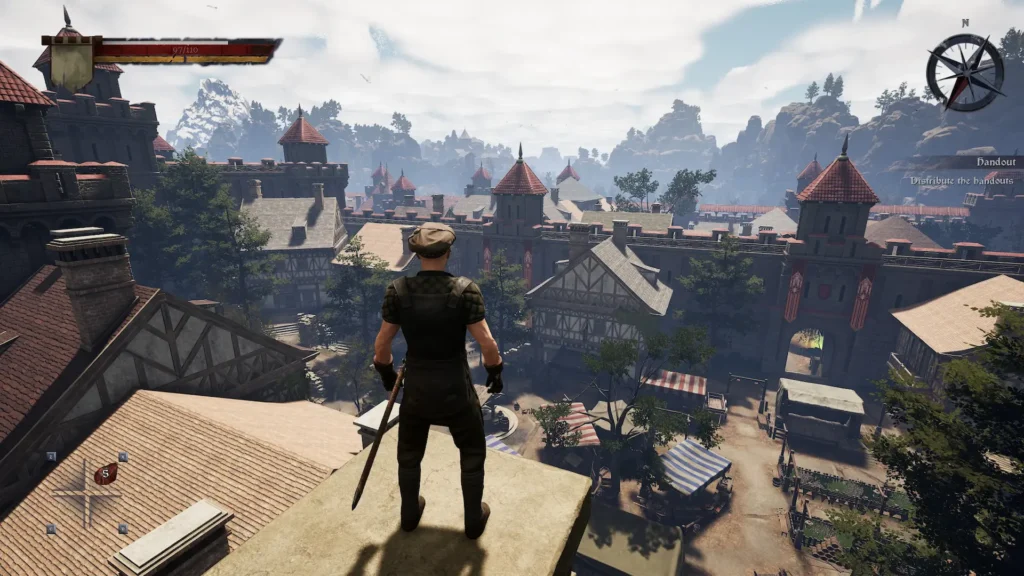
The storyline is decent. I have heard reports that the protagonist is uninteresting or bland, but I can't say I found that to be true. They're someone who is out of their depth, being hunted down, and with little knowledge of why or how to stop it. Of Ash and Steel at least does a brutally honest job of portraying that, making me feel aimless and overwhelmed most of the time.
What is somewhat bland, though, is the world. While parts of it are well presented, the city, in particular, seems to have many empty houses that serve no purpose. You can walk into the interior of many buildings, but some have sparse furniture and often no one living in them, which feels a little odd, like the developers planned for something to be there but ran out of time to actually do it.
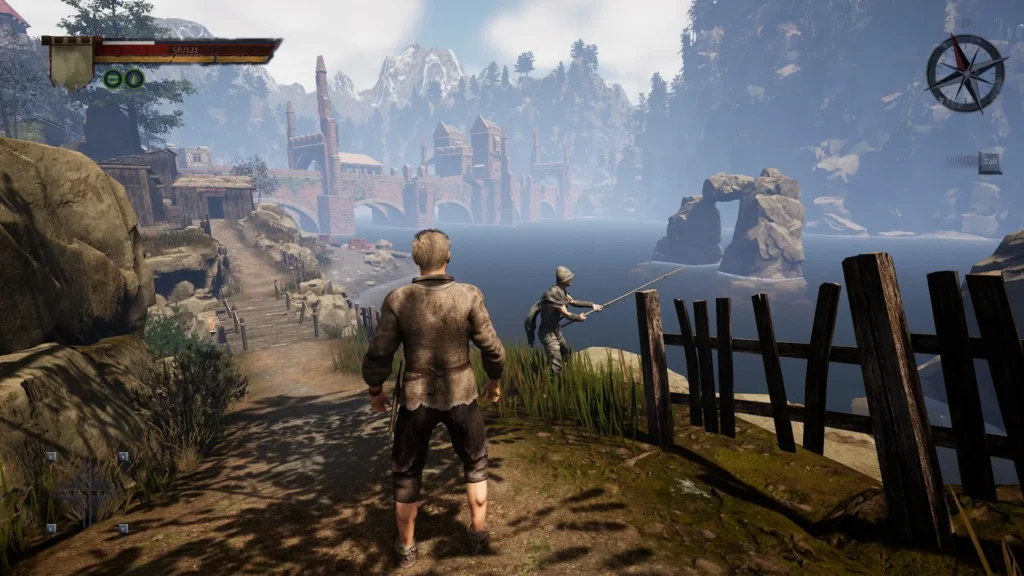
The graphics, at least, are pretty nice. I particularly enjoyed the wind effect, which makes the grass move, and isn't something we see given much attention in many games. Sounds are a mixed bag; both the music and voice lines can get a little repetitive. You will hear someone say, "Why is he wearing that junk?" almost every minute as you walk through villages and the city.
The saving grace here is the price. At just $30, this is a good-sized experience, with plenty of quests and content. If you are after an unapologetically brutal RPG, you should give this one a look and see if it's for you.
Unfortunately, Of Ash and Steel doesn't run on the Steam Deck. This is likely due to the game's high RAM/VRAM usage. The initial loading screen to enter gameplay uses over 6GB of VRAM, even on the lowest settings, and the Steam Deck crashes back to SteamOS shortly thereafter. Given how far out of the Steam Deck's comfort zone this is, we probably won't see the game playable on the Steam Deck.
You can technically get into the game if you use something like CryoUtilities to set the swap file size to 32GB, but the game devolves into a stuttering mess once you reach the open-world portion of the game, so it's still unplayable.
Of Ash and Steel doesn't have much accessibility. You can enable subtitles and rebind controls. The game prides itself on not hand-holding the player, so there is minimal UI in the way of objectives and where to go to progress. Combat is also very challenging and requires quick reactions.
Of Ash and Steel has some technical issues that can exacerbate the difficulty, but once these are fixed, we should have a very challenging, if not brutal, Action RPG on our hands that is likely to be enjoyed by a certain crowd. You can't really argue with the price for the amount of content you're getting, either. And while it isn't great on the Steam Deck, it's still an enjoyable game and one worth checking out if you are a fan of old-style RPGs.
このレビューはPC版に基づいています。
このレビューをお楽しみいただけたなら、SteamDeckHQ の他のコンテンツもぜひご覧ください!あなたのゲーム体験に役立つゲームレビューやニュースを幅広く取り揃えています。ニュース、ヒントやチュートリアル、ゲーム設定やレビューをお探しの方も、最新のトレンドを知りたい方も、ぜひご利用ください。
King of Meat was provided by Amazon Games for review. Thank you!
King of Meat is one of those video game titles that grabbed me from the beginning. Do I want to be a ruler of meat? Of course! King of Meat is more than just a catchy title, but a coop dungeon crawler that packs a ton of features into one enjoyable experience.

Glowmade is comprised of ex-Media Molecule alumni, and the Little Big Planet vibes seep through King of Meat like blood through a gauze bandage. Everything feels vibrant and over-the-top, with excellent production quality and voice acting to boot. When I first saw that it would be $30, I initially had some concerns. This type of game often comes in a free-to-play model with microtransactions. While it may seem high, I’ve found King of Meat’s premium quality design to be worth the asking price. It’s not just your traditional dungeon crawler to enjoy solo or with friends, but an infinite dungeon creator as well.
The premise is simplicity at its finest. In the monster world of Loregok, King of Meat is the only entertainment channel on TV, and the best, of course. Contestants of all walks of life throw everything they have into their deadly dungeons for a chance of glory, sacrificing even their lives. Think of it as a cross between the fantastic dystopian game Showgunners and Fall Guys if it were created by a group of very charismatic psychopaths, mixed with a little bit of Dungeon Keeper. Now, that is every bit as bonkers and brilliant as it sounds, and the game charmed me from the onset.
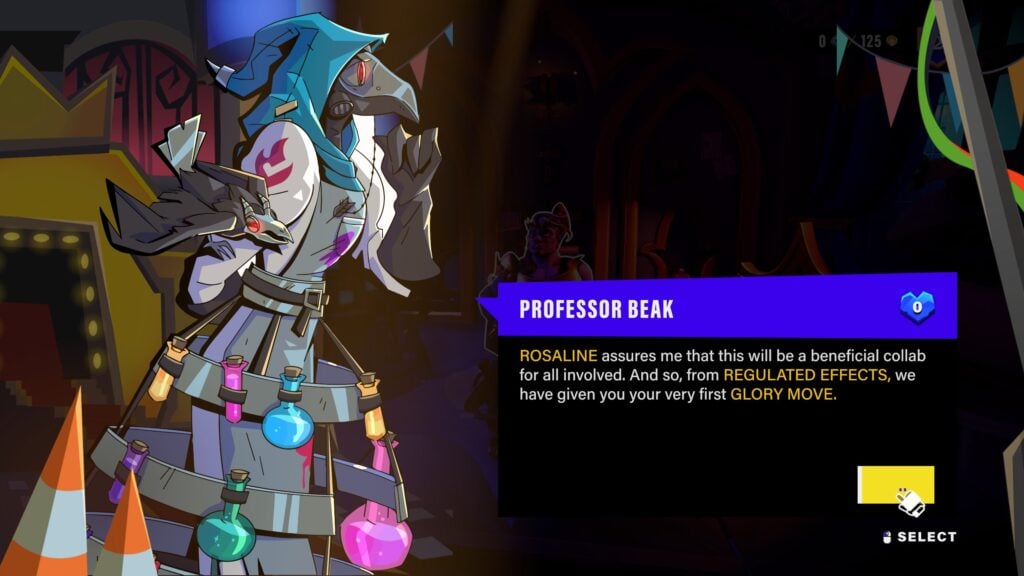
There are beautifully animated cutscenes with some superb voice acting, great characters to meet, and the dungeon episodes are packed with character and hilarious commentary. You have a relatively short tutorial to get through before the central hub opens up to you, but it doesn’t take very long. While I was more interested in getting into the dungeon-making part, the mechanics come together rather well, and I willingly jumped back into the dungeon runs because I wanted to see what happened next.
The visuals and sound design are fantastic. Just like with cutscenes and voice acting, the production quality on display is impressive, and it's clear how much effort Glowmade has put into all this. The dungeons are full of detail, and it feels like I’m running through a gauntlet created by some monstrous TV studio for survival with all the chaos happening around me. Combine the cartoon graphics with the larger-than-life sound and music, and King of Meat is a pleasurable experience. Combat is quite varied, and while your champion starts as a lowly melee fighter, that loadout expands quickly with a wide range of weapons, skills, and magic. These feel great to use across the board, although I found I gravitated to the melee style of combat most of the time.
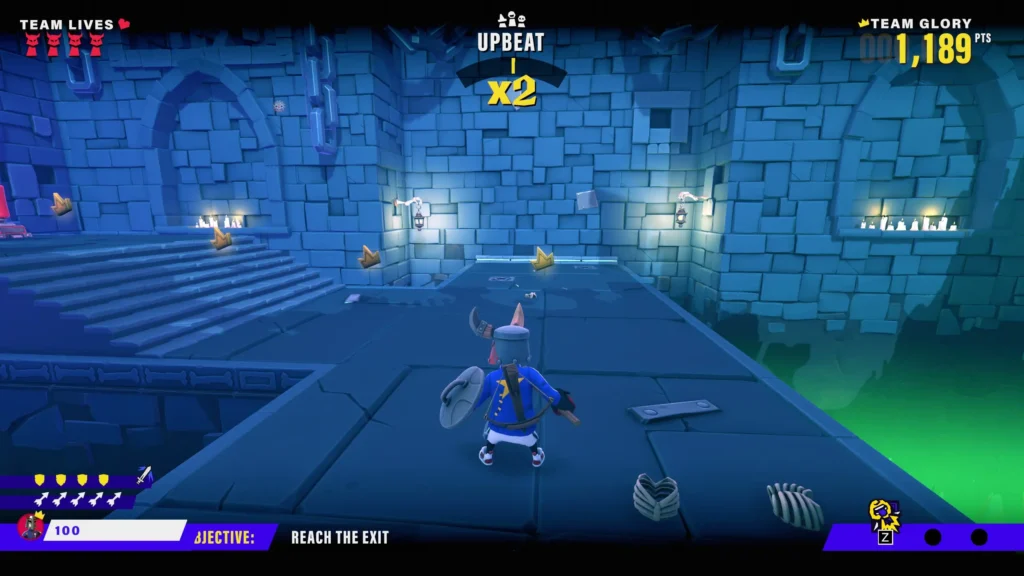
Once the main gameplay features are unlocked, the content may seem overwhelming at first. Like many games that follow a 'live-service' model, King of Meat offers a variety of vendors and interactions, including bonus missions, loadouts, weapons, abilities, and a wide range of cosmetics. These can be purchased using in-game currency earned through dungeon runs or through the option to buy currency.
I’m no fan of this, like many others, but I guess it is there if there’s something you really want. However, it doesn’t feel like the game experience is detracted by the cash shop, which was my original concern. There is a certain amount of grind for some items, and I’ve noticed that some options require a good chunk of currency to unlock. That might be an issue down the line, even if it’s not a significant concern currently. However, I still think it’s important to mention.
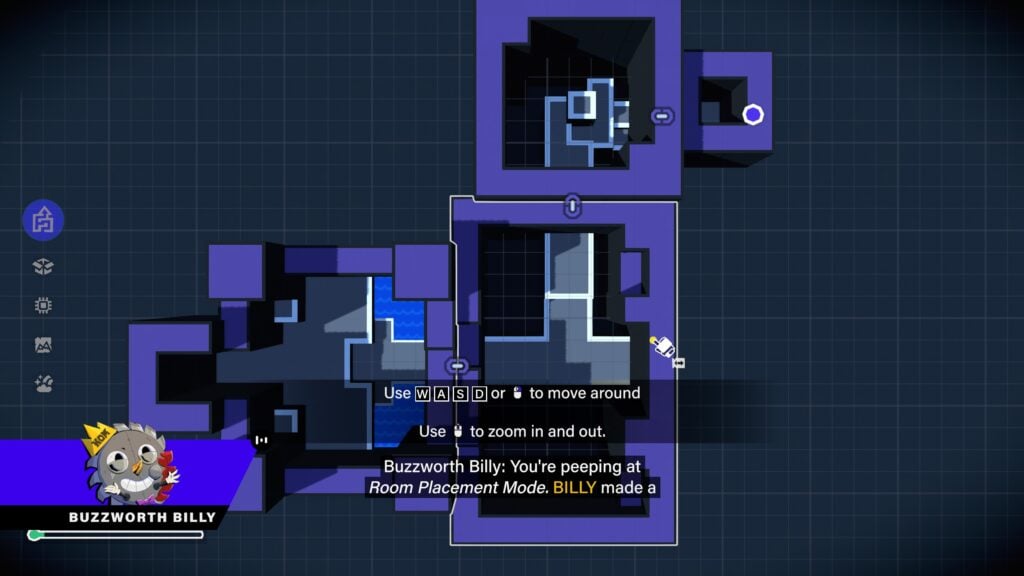
The big thing I was excited about was the dungeon creator, and given the influence of Media Molecule, as seen in LittleBigPlanet, Dreams, and even the legacy of Lionhead Studios and Bullfrog Productions, I went in expecting great things. The option unlocks quickly, which is refreshing, and it comes with a fully voiced, interactive tutorial that has the same charm as everything else in the game. There’s a serious amount of clout in this dungeon mode, although not everything is unlocked from the get-go. Despite that, this is probably where I spent the majority of my time. As much as I enjoy digging into the dungeon fights for glory and riches, I’m a dungeon baron at heart.
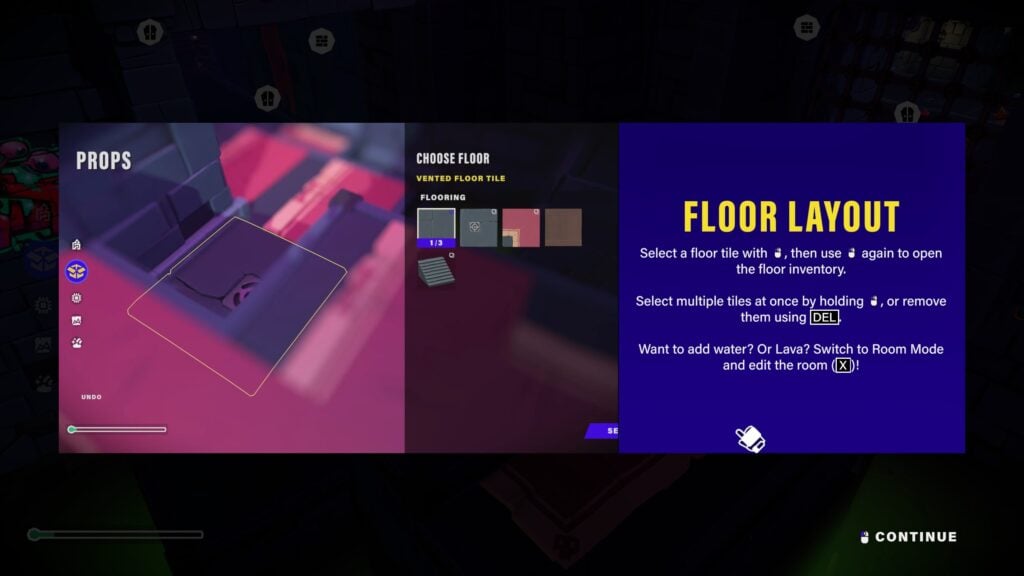
To publish the dungeons for others to play, you need an Amazon Games account, which is an unfortunate limitation. A lot of the unlocks for the Creator mode require other players playing your dungeons, so this might be a deal breaker for some. The base dungeon creator tools have numerous features and props; however, I didn’t feel hamstrung by this, but it is something to consider. You don’t need one to play dungeons that other players have created, however.
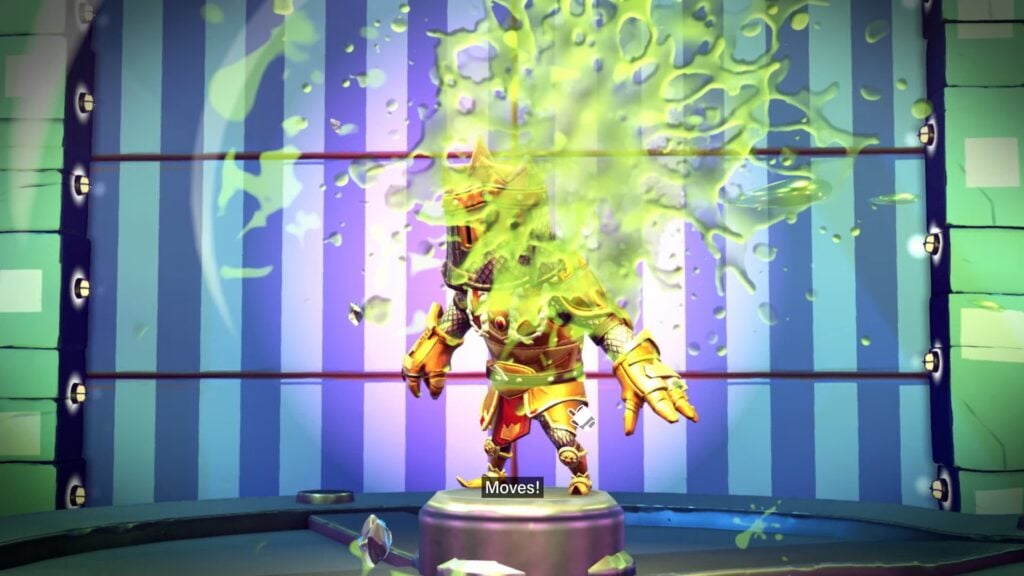
To sum things up, there is so much I like about King of Meat. The core gameplay is excellent, the visuals are vibrant, and the voice acting, as well as the overall production quality, are top-notch. You can really feel how much fun Glowmade has had making this game, and that transfers over into both the dungeon building and dungeon crawling segments. The performance is also fairly solid, according to my testing, although Steam Deck performance has yet to be determined due to the game’s prerelease status. My primary concern is longevity. There’s a lot of content in King of Meat, but how things will be 6-12 months down the line is anybody’s guess. As with many live-service style games, this is a challenging road to travel.
We are working on Steam Deck performance and recommendations, and this will be updated shortly.
King of Meat is available in English, French, Italian, German, Spanish, Portuguese, and Spanish (Latin America). Only Italy and Latin America lack a complete audio translation of these.
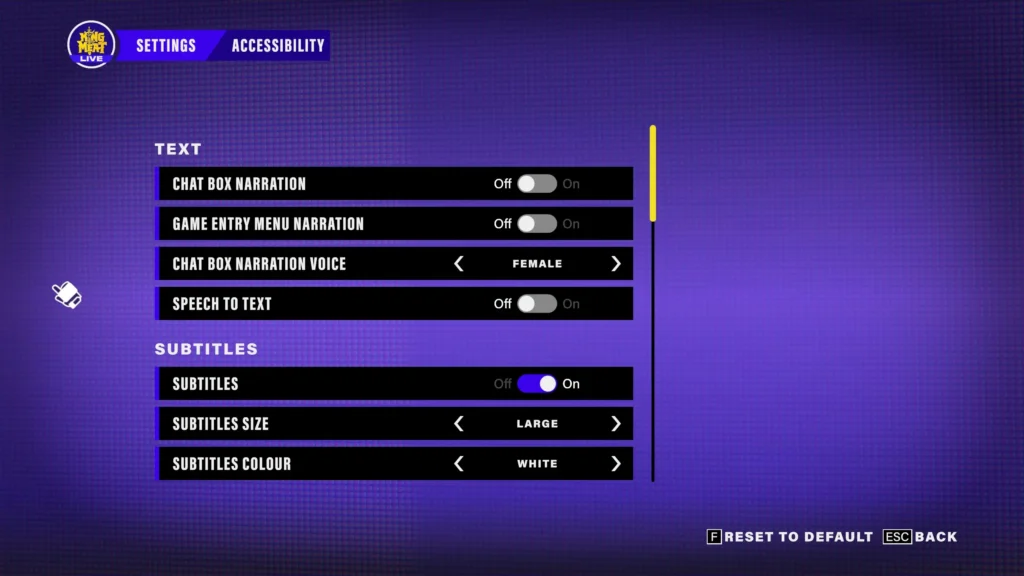
I was pretty impressed with the number of accessibility features King of Meat includes. Players can toggle crossplay, streamer mode, toggle photosensitivity’s damage flash effect, turn off motion blur, camera effect, adjust subtitle sizes, speech to text, turn on menu and chat narration, and several toggles to controls in both standard gameplay and creator mode. There are even more included than this, so it is good to see Glowmade put a lot of emphasis on accessibility.
King of Meat is a breath of fresh air for me. I’ve wanted a game like this for some time, especially being able to craft my own wicked dungeons packed with danger and monsters. I’ve had positive experiences with War of the Overworld, but dungeon builders are a scarce breed now. The King of Meat’s high production quality and solid features sold me on it, despite the high price tag and concerns about its live service longevity.
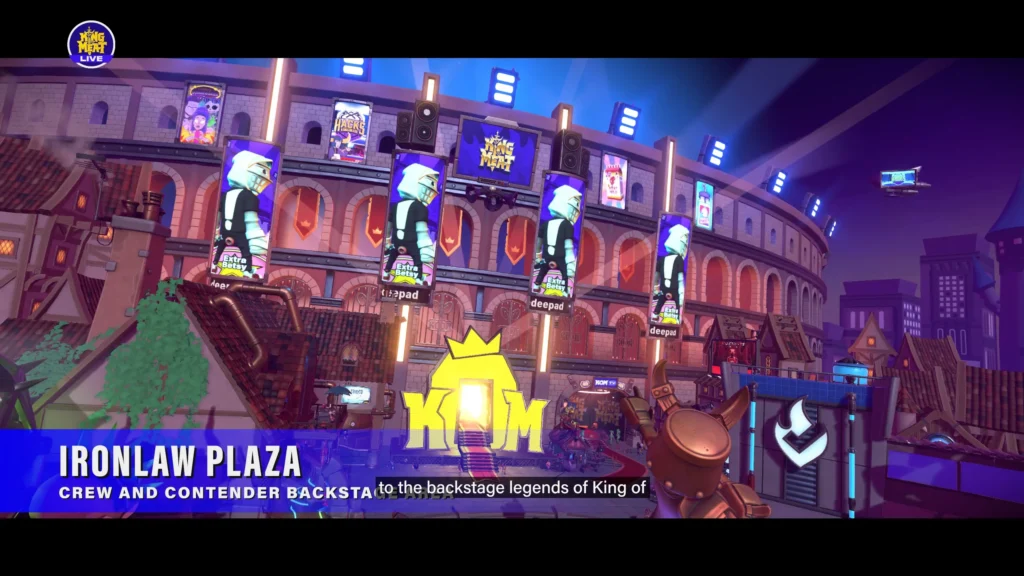
I’m not much of a multiplayer person, but I see myself continuing to play King of Meat even with other people. While that is the main draw, as things usually are with a game such as this, there is more than enough content for solo players to dig into between the challenge dungeons, solo play, and the dungeon creator.
このレビューはPC版に基づいています。
このレビューをお楽しみいただけたなら、SteamDeckHQ の他のコンテンツもぜひご覧ください!あなたのゲーム体験に役立つゲームレビューやニュースを幅広く取り揃えています。ニュース、ヒントやチュートリアル、ゲーム設定やレビューをお探しの方も、最新のトレンドを知りたい方も、ぜひご利用ください。
エルデン・リング ナイトレイン」はバンダイナムコ様よりレビュー用にご提供いただきました。ありがとうございました!
ソウルズライクは大好きだが、自他ともに認める下手くそだ。ストーリーの構成や奥深いゲームプレイの仕組みは大好きなのだが、体力をわずかに削る一撃を入れるためにタイミングよくかわそうとすると、すぐにイライラしてしまう。ボスを倒したときは非常にやりがいを感じるが、途中で苛立ちを覚えることもある。しかし、開発元のフロム・ソフトウェアが『エルデン・リング ナイトレイン』を発表したとき、これは絶対にプレイしなければと思った。このゲームはソウルライクとローグライクというジャンルを組み合わせたもので、私はローグライクが大好きだ。大きな期待を抱いていたが、結果は想像以上に素晴らしく、今年のお気に入りゲームのひとつになりそうだ。
ソウルのようなゲームとローグライクの要素をどう融合させるのか心配だったが、フロム・ソフトウェアは両方のジャンルの美しさを際立たせ、エルデンリングの楽しさを犠牲にしない形で融合させる方法を見つけた。
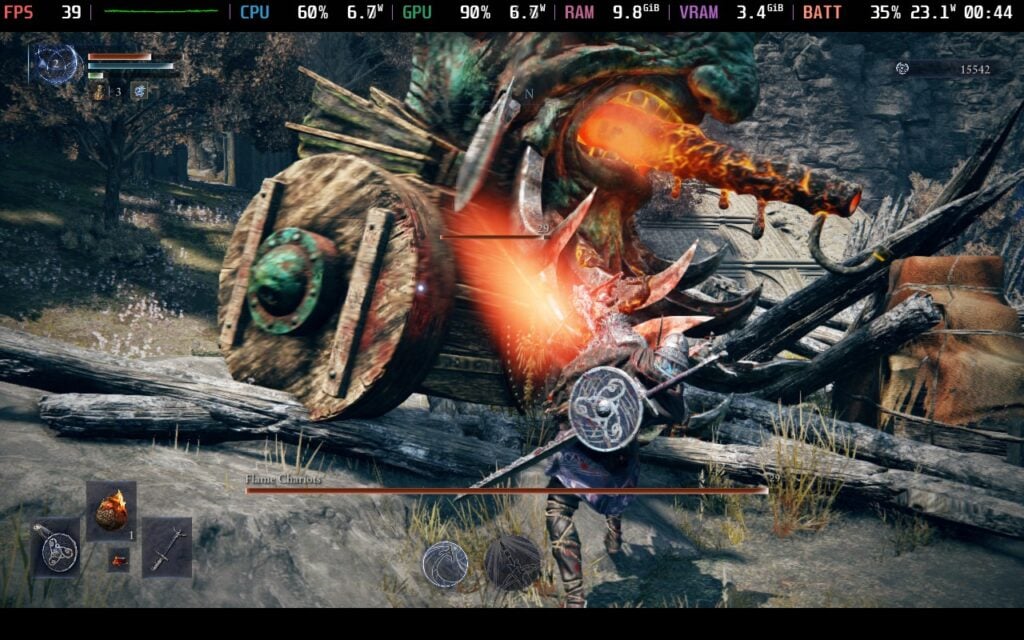
戦闘は『エルデン・リング』で覚えたとおりのものだが、『ナイトレイン』で追加された新機能のために若干の調整が加えられている。攻撃計画を正確に立て、適切なタイミングで身をかわし、敵の攻撃パターンを覚えてこっそり攻撃や呪文を繰り出さなければならない。これは古典的なソウルズのような戦闘で、以前『エルデン・リング』をプレイしたことがある人なら、とてもなじみのあるものだろう。Ashes of War」や「Spirit Ashes」がないため、比較すると少し簡略化されているように感じるが、それでも「エルデン・リング」らしさは健在だ。
しかし、従来の型から脱却する大きな変化がある。巨大なアクションRPGの世界に入るのではなく、遠征先を選んだり、キャラクターをカスタマイズしたりするハブであるラウンドテーブル・ホールドからスタートする。そして、行くべき遠征隊を選び、ローグライクを始めるために飛び立つ。敵やミニボス、遠征隊のメインボスを倒すのに役立つアイテムやアップグレードがある場所などで埋め尽くされた、より凝縮されたリムフェルトのマップを進むことになる。
最初の2日間はレベルアップやアップグレード、アイテムや武器の入手を行い、ボスと戦う3日目に備える。最初の2日間を通して、青い炎の輪が迫ってきて(フォートナイトの輪のようなもの)、ミニボスとの戦いになる。青い炎が近づくと、どの報酬やアイテムが手に入るか、フィールド上のミニボスの位置が表示される。チェストで新しい武器や消耗品を見つけたり、フラスコのチャージをアップグレードしたり、武器をアップグレードするための素材を見つけたりすることができるが、ミニボスはバフやステータス効果を選べるさらに強力な武器や、物理攻撃力や抵抗力の増加といった永続的なインランアップグレードを提供してくれることもある。
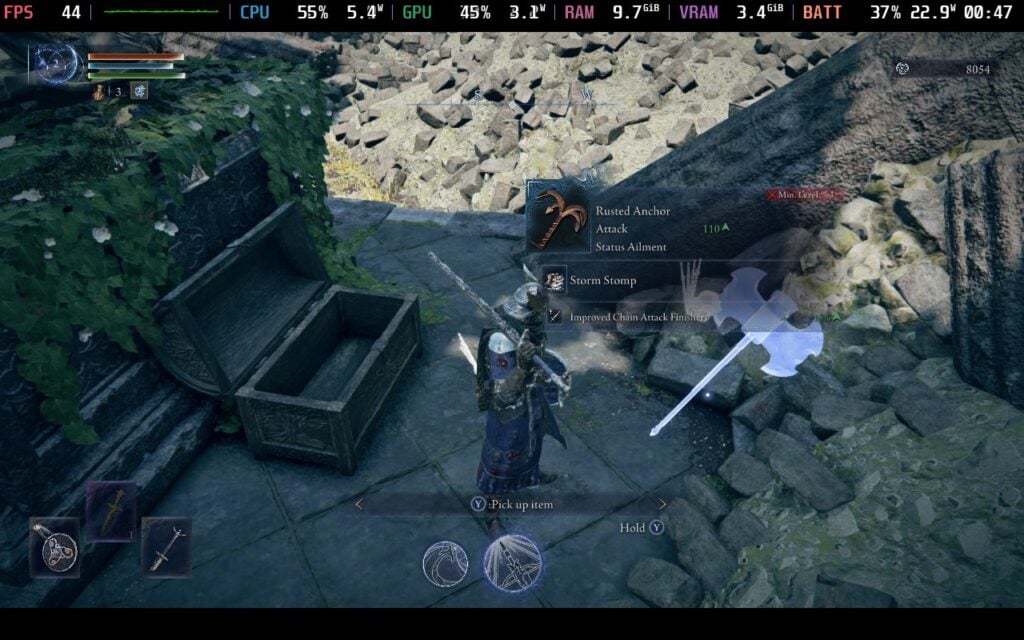
私はフロム・ソフトウェアがこのゲームプレイスタイルのマッシュアップで見つけたバランスが大好きだ。タフな敵や正確な戦闘といったエルデン・リングの体験はまだ得られるが、何度も繰り返しプレイしたくなる中毒性がある。サージ・スプリントやスピリットストリームのような高速移動メカニクスと組み合わせることで、ソウルライクなゲームが設定したスローな規範を保ちつつ、より速く感じられる。新しい武器やアイテムを手に入れたり、自分のプレイに役立つパッシブアップグレードを見つけたりすると、やりがいを感じ、ボスを倒すチャンスを求めて何度も足を運びたくなる。
また、世界のあちこちで見つかる武器やアイテムも気に入っている。拾った研ぎ石でアップグレードできるさまざまな武器があるだけでなく、それぞれにパッシブバフやアビリティがある。
ローグライクから受ける感覚と同じだが、背後にいる開発者や関連シリーズのおかげで、クオリティが一段階上がっているように感じる。流動的で、エキサイティングで、テンポが速く、そしてまだ私たちが知っているソウルのようなゲームのように感じられる。これ以上嬉しいことはない。単純化されたレベルアップシステムもとても気に入っていて、「失われた恩寵の地」に行ってルーンを使うだけで一律にレベルアップできる。特定のステータスを選んで上げることもないし、そのシンプルさがいい。
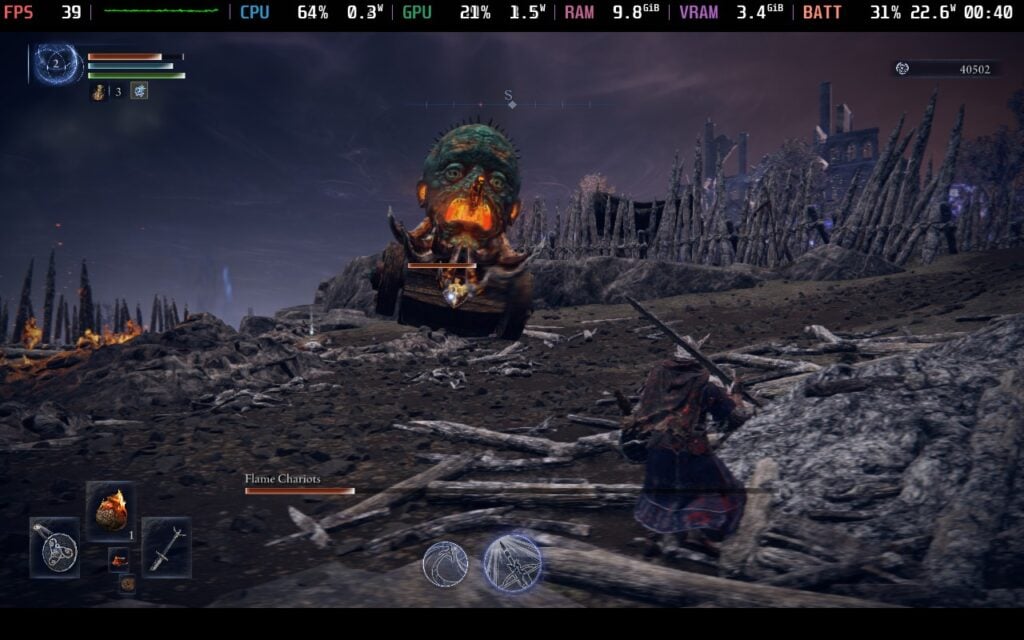
また、マップをユニークに変化させるイベントもいくつか発生する。マップの中央で巨大な火山クレーターが噴火したり、緋色の腐葉土がはびこる森林地帯がマップに忍び寄ったり、凍りついた巨大な山が現れたりする。世界を変えるようなイベントはランダムに起こり、最終ボスに備える限られた時間の中で戦略を変えることができるように感じられる。
ローグライクと同様に、永久的な進行の形があるが、少し基本的だと感じることもある。遠征が成功するか否かにかかわらず、遠征を終えるたびにレリックを手に入れることができ、遠征前に選択したキャラクターのいずれかに装備させることができる。各キャラクターには色に対応した特定のレリックがあり、それを装備することができる。レリックはランダムに生成され、ランダムなバフやステータス上昇、あるいは各キャラクターが持つ特定の能力を強化するレアな効果が含まれていることもある。必要であれば、Roundable HoldのバザーでRelicを購入することもできる。
これらの聖遺物にはさまざまな効果があり、これには驚いた。Dexterity(器用さ)やStrength(強さ)のような通常のステータス上昇を予想していたが、さらに深い効果がある。レアリティによって、最大3つの異なる効果があり、これらのバフによって開始時の武器に炎ダメージを与えたり、連続攻撃でFPを回復させたり、ガードカウンターを向上させたり、異なる武器で特定のダメージバフを与えたり、異なるアイテムで開始したり、他にもいろいろある。私はこれらのバラエティーが大好きで、ランダムであるため、プレイを続けて新しいものを手に入れるモチベーションをたくさん見つけた。
時間が経過し、遠征を完了すると、各キャラクターのコスメやストーリーコンテンツをアンロックすることができるが、レリック・システムは、ラン以外でよりパワフルになるための主な手段になるだろう。面白いシステムだと思うし、ランダムで生成されるのは、何度も通って新しいものを手に入れるモチベーションを維持する上で嬉しいが、圧倒されるような感覚は拭えない。ほとんどのローグライクには、より強くなるための根気強い進行オプションがあるせいかもしれない。それでも、飽きさせないだけの面白さはあるのだが、もう少し何かあればと思う。

キャラクターといえば、自分で作成するのではなく、それぞれ長所と短所を持つさまざまなキャラクターから選ぶことになる。表面的には、近接戦闘向きと思われるキャラクターもいれば、遠距離呪文向きと思われるキャラクターもいるが、各キャラクターはそれぞれ異なる能力、スキル、ステータスを持ち、完全にユニークな存在となっている。死ぬような一撃でも一度は死を免れる能力、適切なタイミングで使えば絶大なダメージを与えるリステージ、片手でクロスボウを使いながらもう片方の手にはシールドを持つ強さなど、さまざまなものがある。
私はよく死ぬので結局Wylderを一番使うことになったが、Guardianは素晴らしい近接タンクで、Recluseは遠くから呪文を唱えることに集中できて楽しかった。各キャラクターには、通常アーツとアルティメットアーツという独自のアビリティもある。アルティメットアーツは使うタイミングによっては大きな助けになる。
これはすべて協力プレーのための鍵であり、公式を大きく変えるものだ。お望みならソロプレイも可能だが、楽しさは2人でプレイしたときに真価を発揮する。互いを補い合えるキャラクターを選んでリムベルトを駆け回り、一緒にボスを倒し、アップグレードして新しいアイテムを見つけ、戦略を練るのは、このゲームでの私のお気に入りの時間だ。一人でも楽しめるし、ソロプレイの方が難易度が上がって少し楽になるとはいえ、他人を巻き込んでこそ真価を発揮する。

戦略を練るのもナイトレインの好きなところだった。協力し合えるキャラクターを選ぶのは不可欠だし、各遠征隊のボスを攻略するために必要なものを手に入れようとゲームプランを考えるのはエキサイティングだった。各ボスには弱点とパターンがあるので、それを把握して一緒に挑戦するのはとても楽しかった。2人組を3人組にするためにランダムな人と一緒にプレイするときでさえ、周りにいる人たちが一緒にやってくれていると思うと、よりやりがいを感じることができた。
Nightreignには包括的なストーリーと、日誌という形で登場人物それぞれの物語がある。あなたがプレイする人々は記憶を失い、ナイトロードと戦うためにスカウトされた。プレイ中、彼らの過去を暴くための手がかりを発見することができ、大体は面白いのだが、ゲームのハイライトではないことは間違いない。決して悪くはないし、演じるキャラクターについて知るのは楽しかったが、それ以上に私を魅了することはなかった。
ひとつだけ言っておくと、『エルデン・リング』のファンにとっては賛否が分かれるだろう。伝承はそれほど興味深くなく、詳細でもなく、ベースゲームからの再利用アセットもあり、通常のソウルズライクほど詳細には感じられない。しかし、ソウルライクやローグライクが好きな私にとって、このゲームはとても魅力的で、何度もプレイしたくなる理由がたくさんある。
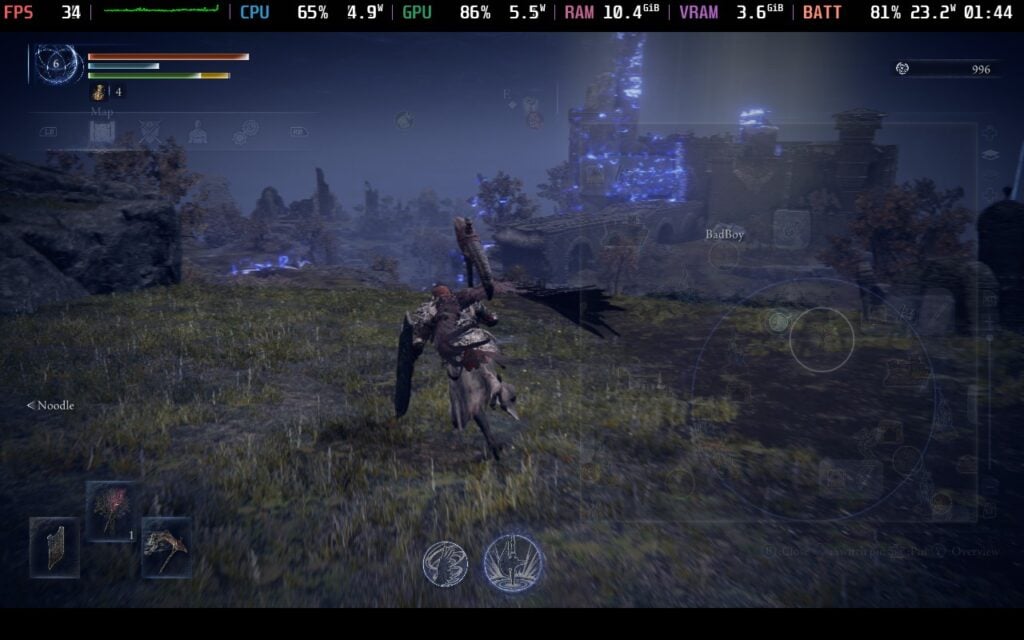
Steam Deckで『エルデン・リング』がうまくプレイできたとしても、『エルデン・リング ナイトレイン』には心配事があった。フロム・ソフトウェアはソウルズゲームのPC移植でいくつかの機能を見落とす傾向があり、今回も例外ではないだろうと心配していた。幸い、システム要件は同じなので、動くだろうと楽観視していた。
Nightreignは1人でも2人でもプレイでき、それぞれ異なるパフォーマンスを発揮する。一人でプレイしたほうがフレームレートが高くなり、40FPSに近くなる。一人で30FPSでプレイすることでより高いグラフィッククオリティを達成することもできるし、もっと犠牲を払って40FPSを目指すこともできる。どちらでも良いが、ここでは30FPSを目指した方が良いだろう。

他の2人と一緒にプレイすると、システムへのストレスが大幅に増え、特にオープンエリアやみんなでボスと戦っているときに、より多くのドロップが発生します。ここでは、最低設定で40FPS以上をコンスタントに叩き出すのはほぼ不可能なので、30FPSを下回らないように低画質と中画質をミックスした設定を維持できる。それでも非常にプレイしやすく、見た目もしっかりしているが、他の人とプレイするときにパフォーマンスを押し上げるためにできることはあまりない。
ビジュアル面で私が遭遇した最大の問題はアンチエイリアス処理で、一部の表面で奇妙にぼやけて見えることがある。これを修正するのは簡単で、パフォーマンスもそれほど犠牲にならないが、物事を極端にシャープに見せてしまうので、オープンワールドでは恐ろしいことになる。私は、アンチエイリアシングを「高」ではなく「低」にしてぼやけを抑えたほうが、オープンワールドがずっときれいに見える。
とはいえ、このゲームには2つの重要な設定が欠けているため、問題なく安定したフレームレートを得るのは難しいだろう:フレームレートの制限」と「V-Sync」だ。どちらも技術的にはSteamOSのおかげでクイックアクセスメニューから行うことができる。しかし、これは入力ラグを引き起こし、Elden Ring Nightreignのようなゲームでは非常に有害だ。ラグがまったくない安定した上限フレームレートを得る唯一の方法は、ゲームから直接行うことだが、残念ながらそのようなオプションはない。
インプットラグを追加することなくフレームレートを安定させられるかどうか、MangoHUDの起動オプションも試してみたが、残念ながらうまくいかなかった。
そこで私たちは選択を迫られる。フレームレートを安定させ、バッテリーの消費を抑えることができるが、わずかな入力ラグが発生するようにするか、バッテリーの消耗が激しいが、より良いエクスペリエンスが得られるように上限を設けないようにするか。両方を試した結果、私は後者を選んだ。私は通常、安定したフレームレートを好むが、入力ラグが実際にゲームプレイに影響し、キーとなるドッジロールを見逃すことがあったため、他の人に勧めることはできなかった。
それでも、変動が耳障りだとは思わなかった。ベッドに座りながらチームとプレイしたり、レストランで一人でプレイしたりと快適に過ごせた。コントローラーのサポートはしっかりしているし、オフラインでプレイできるし、ゲームは有機ELのSteam Deck画面を含むHDRディスプレイをサポートしている。いくつかの妥協点があり、最大化するためにもっとできることがないのは残念だが、うまくいっているし、満足している。
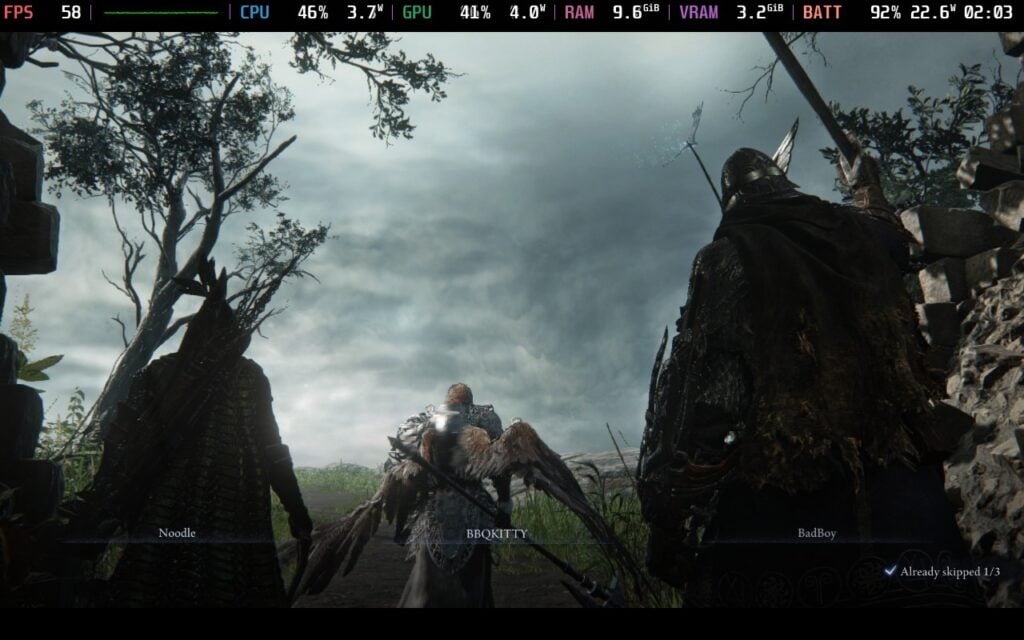
文字は少し小さい方だが、まったく読めないということはなかった。目を酷使することなく、何が書いてあるのかを把握することはできたが、ちょっと小さすぎるというのが正直なところだ。
オンラインマルチプレイはSteamデッキで動作するが、フレームレートの問題でオンラインが自動的に無効になる起動が何度かあった。ゲームを終了して再起動することで修正し、その後は全く問題なく動作したが、あちこちでポップアップが発生した。しかし、このゲームはソロでも完全オフラインでもプレイでき、獲得したレリックはオンラインプレイにも引き継がれる。
設定では、オートターゲットとオートロックオン、マップカーソルの速度、カメラの速度、反転の有無、自動回転と壁の回復、シネマティックエフェクト、字幕と血の表示の有無を切り替えられる。また、HUDを完全にオフにしたり、音量設定を変更したり、キーバインドを編集することもできます。
ゲームは16:10の解像度をサポートしていないが、クラウドセーブがあり、コントローラーもサポートしている。HDR設定もあり、有機EL画面も認識する。
Elden Ring Nightreign」は、フロム・ソフトウェアのソウルライクな方式と中毒性のあるローグライクがほぼ完璧にブレンドされた感じで、この体験は他のゲームより一歩抜きん出ていると感じた。戦闘は『エルデン・リング』や他のソウルライクなゲームと同じように感じられるが、探索のスピードが速く、一口サイズの探検ができるため、他のソウルライクなゲームよりも長い時間注意を引き付けられた。新しいローグライクメカニックは、それぞれの走りを個性的でインパクトのあるものに感じさせると同時に、体験をさらに高めるクオリティを維持している。
レリック・システムは少々物足りなく感じられるし、登場人物のストーリーもオリジナル・ゲームに比べると複雑さや意味深さが著しく劣っているように感じられるが、それでもNightreignが包含する各ジャンルのファンを満足させる、素晴らしいハイクオリティのローグライクであることに変わりはない。
また、フレームレートやビジュアルに多少の変動があるにせよ、Steamデッキではかなり良好に動作する。問題の多くは、V-Syncやゲーム内のフレームレートリミッターなど、必要不可欠な設定が欠けている圧倒的なPC移植に起因している。とはいえ、オンラインでもオフラインでも非常にプレイしやすく、この素晴らしい体験をプレイする堅実な方法であることに変わりはない。
このレビューはPC版に基づいています。
このレビューをお楽しみいただけたなら、SteamDeckHQ の他のコンテンツもぜひご覧ください!あなたのゲーム体験に役立つゲームレビューやニュースを幅広く取り揃えています。ニュース、ヒントやチュートリアル、ゲーム設定やレビューをお探しの方も、最新のトレンドを知りたい方も、ぜひご利用ください。
Avowed was provided by Xbox Game Studios for review. Thank you!
Avowed is the latest first-person RPG from the minds at Obsidian Entertainment. Famed in the past for making games like Star Wars: Knights of the Old Republic II, Fallout: New Vegas, Pillars of Eternity, and more recently, The Outer Worlds, Avowed takes a more "traditional" approach with a fantasy setting and a world full of magic and mystery, and for the most part, they pulled it off nicely.

The storyline is your fairly typical fantasy RPG affair. The game takes place in the wider Pillars of Eternity universe, but the events of either Pillars of Eternity game don't have a bearing on Avowed, so it's unnecessary to have played them. The basis of the storyline is that you are a "Godlike", someone who has been chosen by a god and receives special attributes from birth. Under the employ of the Aedyrian Emperor, you venture into "The Living Lands" to find the source of the "Dreamscourge", a plague threatening the land.
As you meet different characters and factions within The Living Land, you'll encounter many opposing viewpoints on how they think you should handle the situation. It'll be up to the player to decide the fate of The Living Lands. While the game doesn't delve quite as deeply into characters as a title like Baldur's Gate 3, you get some intrigue as you meet characters with differing opinions and political beliefs. For the most part, the characters are all pretty well voiced, too, with some interesting banter between the companions you encounter in the game.
One point I will bring up is that the game likes to give you lots of choices in dialogue, and while NPCs may react differently to your different options, a fair number of these choices appear inconsequential. There's no real difference between the choices that you pick for 90% of the decisions you make in the game. There are key points where the decision you make does matter, but the game does not indicate that being rude or kind to an NPC has any bearing on anything other than the next line of dialogue.

Combat is the main focus of Avowed, and it's a pretty great experience for the most part. You have various weapons to choose from, such as daggers, spears, hammers, bows, and wands, allowing you to play how you want to. If you want to be quick and maneuverable with a melee weapon, you can use a dagger, or want to hit like a truck? Choose a 2-handed melee like a Warhammer. Keep your distance with a bow or a wand and pick off foes while your party members take the hits.
You can specialize your character how you like with the skill tree, which lets you decide your "class" while you play, depending on which skill trees you invest your points into. You can also decide your party members' abilities, allowing you to mold them to benefit your playing style. Adding taunting abilities to a party member, for example, can be useful if you can't take many hits.

This is exactly the path I chose for my character build, opting for one of my loadouts to be a bow (later a gun), and the other to be a wand and spellbook (you can swap between your 2 loadouts with the press of a button), and then speccing my party members into being tanks or at least crowd control, allowing me to keep my distance and deal as much damage as possible from afar.
It worked well, although allies sometimes struggle to defend themselves. There's no way to equip them with armor or equipment, and it feels like they are quite a bit weaker than you in both attack and defensive capabilities.
I did find myself getting annoyed with spellcaster enemies, particularly healers and summoners, as the game seems to give them infinite "Essence" (mana), which means they can indefinitely heal their allies and summon an impossible amount of minions (5+), making it almost impossible to kill any other enemies before them.
I also found that the difficulty spikes in the game are pretty intense. You can go from feeling rather powerful with 1 or 2-shotting many enemies, to the next group of enemies requiring 15 shots to kill, it's pretty bizarre and frustrating. Thankfully, there are several difficulty options to choose from, which can reduce this issue if you're facing it. Although even on story mode, my party member got 1 shot by a spell against some fairly average enemies.

There's also plenty to do in the world of Avowed. There isn't a lot of space that can plague games like this; it doesn't take long heading in any direction before you stumble on a point of interest, and plenty of side quests keep you busy.
While this lack of empty space is a good thing, it can make the game feel a tad busy in the cities. Trying to find your way around the map to reach certain objectives or even find a merchant to buy some goods can be a hassle. There is no way to place a waypoint and no "breadcrumb" system in the game, so you'll just have to keep pausing and bringing up the map to figure out where you are in relation to a store or a quest giver and try to plot a route there yourself.
But again, I could see arguments from players as to whether that's a good or a bad thing. I found it frustrating trying to reach an objective behind a wall by walking one way around the wall and then the other until I found an opening to get inside. Others may appreciate the lack of hand-holding in this regard.
Things can get a little repetitive later, as enemies and items merely become better versions of their former selves. But if you focus on the game's story, it's not that long of a game, beatable in under 15 hours, and by the time you realize the items and weapons are the same, just with higher tiers, you're probably halfway through the game. Regardless, having some slight variations for items would have been cool, as if you find an item that you already have, it will always be identical (unless you have upgraded your item).

Avowed is a very pretty game. The sun-drenched streets, forests, and deserts play to the strengths of the Unreal Engine's lighting, and although it is quite a difficult game to run, it looks good enough to forgive that.
Ultimately, Avowed is a solid first-person RPG. It doesn't quite go as in-depth lore/story-wise as a game such as Baldur's Gate 3, nor is it quite as adventure and exploration-driven as a game like Skyrim, but it does form a neat little space in between those 2 games, with a fairly fleshed-out story and characters, as well as a good amount of action-packed combat and an interesting world.
Avowed has great controller support and supports 1280x800 resolution. It also has a UI Size slider, which I recommend you put on the largest or one below the largest, as it greatly helps with readability on the Steam Deck's screen.
Avowed sets itself to some low settings by default, but we need to adjust it lower. Make sure Ray-Tracing is turned off, as it was on for me, lower FSR3 to Balanced, and make sure all your Quality settings are on "Low". Once you're on these settings, the game switches between CPU and GPU bound, which means we're getting as good as we can get from the Steam Deck.
Your settings should look like the ones below, which I found to be the best for a close-to-30 FPS experience.


The game may appear to be holding 30 FPS, maybe even 40 FPS early on, but once you reach built-up, larger areas, the FPS falls, even on these lower settings, you can occasionally dip below 30 FPS. There are also frequent stutters.
Whether this represents a "playable" experience is a matter of opinion. Can you technically play the game all the way through, albeit at a disadvantage? Yes. But I'm not sure I would have been as generous as Valve was to grant the game a "Playable" badge. I've seen games perform better than those ranked as Unsupported on Steam Deck.

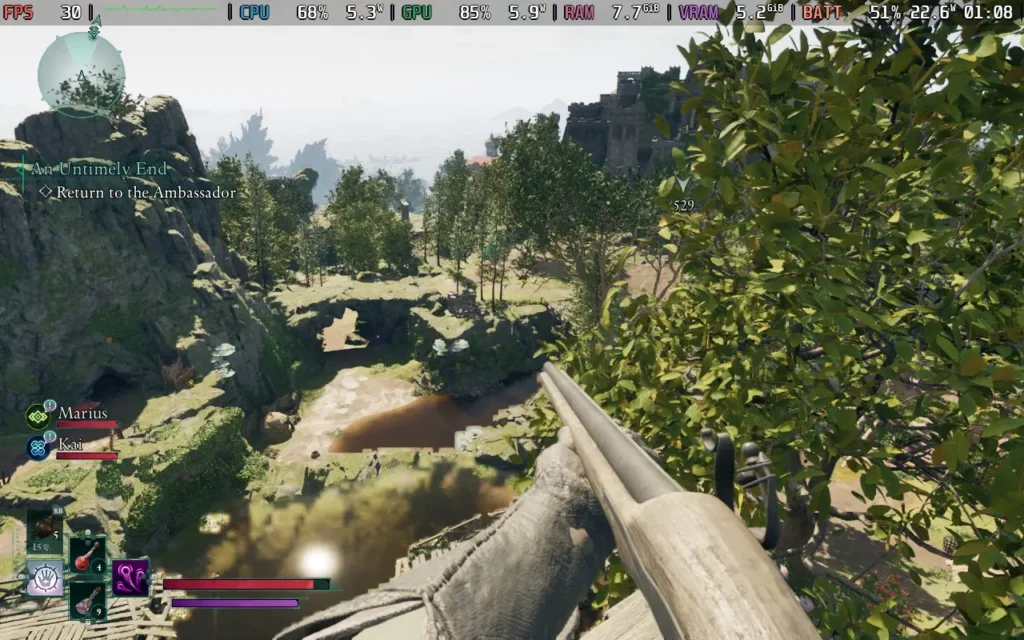

The power draw tends to be high, around 21W-23W, meaning you can only expect about 2 hours of battery life from a Steam Deck OLED and around 1.5 hours from a Steam Deck LCD. The temperature tends to stick around 70C.
Avowed has a UI size adjustment slider, as mentioned above, it also allows you to embolden certain text to make it easier to read, add subtitles to conversations, and make interactable objects more visible. You may also disable head bobbing, camera shake, and aim assist.
Avowed feels like a first-person CRPG-lite. Set in a universe with plenty of lore and depth, the story paddles near the surface, going deep enough to be interesting, but not too deep to require you to be well-versed in the lore to enjoy the game. The first-person perspective offers the chance for some action-packed combat, with plenty of variety in weaponry and how players can spec their characters, albeit with some balancing issues.
Steam Deck performance is, simply put, disappointing. The game looks great, even on the lowest settings, but the performance isn't there. Frequent drops below 30 FPS and constant traversal stutter make the game dubiously "playable". You can finish Avowed on the Steam Deck, but you would be forgiven for putting some of the blame for your deaths on an unfortunately timed stutter or frame drop.
このレビューはPC版に基づいています。
このレビューをお楽しみいただけたなら、SteamDeckHQ の他のコンテンツもぜひご覧ください!あなたのゲーム体験に役立つゲームレビューやニュースを幅広く取り揃えています。ニュース、ヒントやチュートリアル、ゲーム設定やレビューをお探しの方も、最新のトレンドを知りたい方も、ぜひご利用ください。
Dragonkin: The Banished was provided by Nacon for review. Thank you!
This is a review of an early access game; the content and performance of the game are subject to change.
Dragonkin: The Banished is a brand new Action RPG from Nacon, so brand new that it's still in Early Access right now. That being said, is the game worth picking up in its current state? Let's take a look at how the game currently holds up.

Dragonkin: The Banished starts with a rather lengthy prologue, which will run you through the story's premise and introduce the various factions and classes you'll be able to interact with. Unfortunately, as the game is in Early Access, the prologue is the only time you run into some of these, and you don't get the option to play as them once you make your character right now.
At first glance, Dragonkin: The Banished seems to take straight after games such as Diablo, Torchlight, and Path of Exile, and it pretty much does. If you've played those games, the UI is immediately familiar with the classic 2 "orbs" of health and mana pools. Your face buttons and the left analog stick for movement/aiming will dictate most of your attacks. So don't go into Dragonkin expecting innovation; the formula is generic.
A part of Dragonkin: The Banished that could be seen as innovative is that you have some control over the game's hub, the last bastion of humanity, Montescail. This allows you to upgrade parts of the city and thus gain access to new equipment and improve your abilities. It's a pretty neat mechanic, but the downside of this hub is that it's far too large for what it is, and most of it serves little purpose regarding gameplay, so you just end up fast-traveling around it all the time. Also, in Early Access, most of the upgrades are unavailable.
The same goes for the world in general in Dragonkin. The game feels very large and barebones right now, as if the developers have made the world and are now trying to make enough content to fill it rather than designing the world around the content. A large part of the game is simply walking from point A to point B in a straight line, occasionally encountering enemies that are quick to dispatch.

Dragonkin has a ton of difficulty levels; it's one of those games that starts numbering their difficulty levels because of how many there are, but playing on the default "Normal" setting is mind-numbingly easy. The combat of the Oracle class that I played consisted of holding the A button and pushing the stick in the direction of the enemy you wanted to defeat, I rarely ever took damage as the majority of enemies are melee and couldn't get close to me, and even the first dragon I fought died without getting me below half health once.
This might also partially be to do with the health potion mechanic, which lets you use a health potion every 8 seconds or so. You seem to have an unlimited amount of potions, so it's quite difficult to die, and even if you do die, respawning just gives you a small penalty to your max health until you visit a town again, allowing you to respawn straight back into the battle with no progress lost.
I understand feeling "powerful", but Dragonkin makes you feel way too powerful and way too quickly. I shouldn't be level 4 and able to dispatch hordes of bandits by holding a button; I should have a reason to use the dodge mechanic in the game.
The skill system is both interesting and a part of the problem, I feel. It allows you to create a grid of skills and place modifiers beside them on the grid to enhance those abilities. The right combination can make your character overpowered and incredible at Crowd Control, rendering the majority of enemies helpless against you.
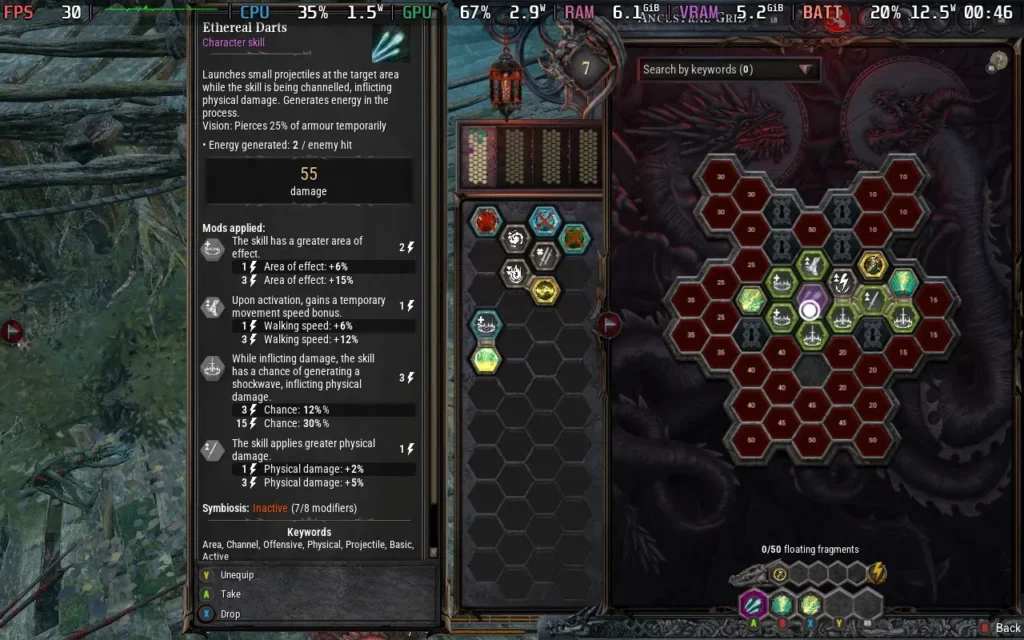
Visually, the game is fine; it's not amazing, but it doesn't look bad either. The sound design follows suit with the rest of the game, though, and gets repetitive hearing the same sounds repeatedly as you fight.
If I sum up Dragonkin: The Banished in one word right now, it would be "generic". The gameplay feels like it's taken straight out of other Action RPGs, but with less... action. The world is mostly empty except for random pockets of enemies, but you could take a screenshot in a zone, and you wouldn't be able to tell where that screenshot was taken, because everywhere in each zone looks identical.
Things could improve here, but there needs to be a lot more content (I got to the current "end-game" in less than 8 hours) and a lot more balancing of skills and abilities if Dragonkin: The Banished wants to compete against the kind of strong competition it's up against.

Dragonkin: The Banished has the basics in place for Steam Deck, namely good controller support. It does support 1280x800 as a resolution, so there are no black borders.
It also has quite flexible graphics settings, but we need to run the settings pretty low for the Steam Deck to get acceptable performance here.
I'd recommend putting all the quality settings on "Low" except Textures, which can stay on "Medium"; you'll want to use TSR as the upscaling method, and 50% on your Resolution Scaling with no Dynamic Resolution, then use the in-game frame limiter to limit the game to 30 FPS.


With these settings, the game will mostly hold 30 FPS, but expect some severe drops in cutscenes and drops into the mid-20s occasionally in large battles. This is because the game gets quite CPU-heavy when a lot of enemies are on screen.
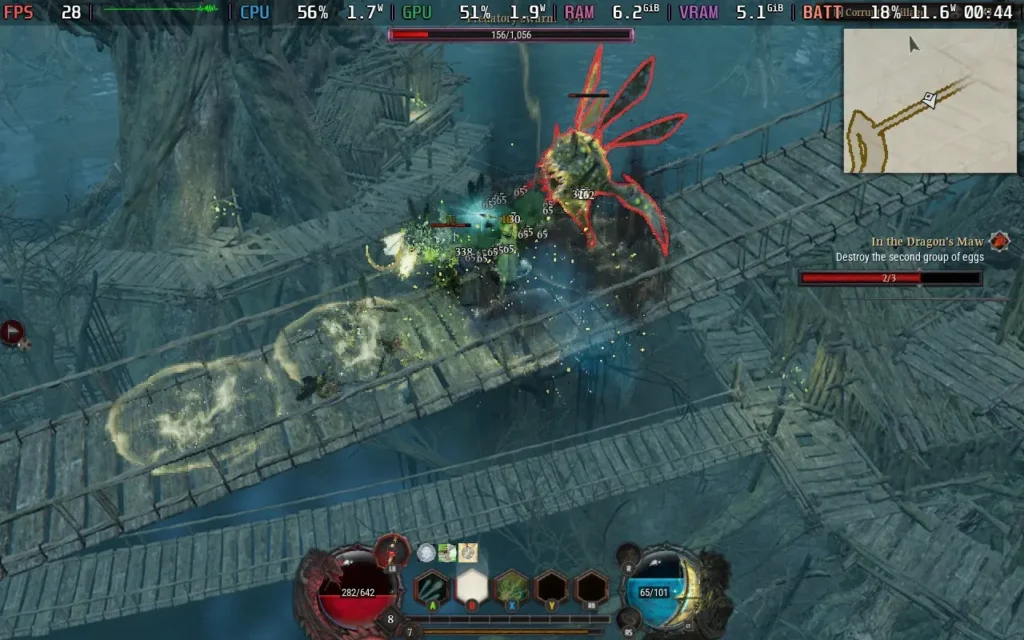


The power draw in the game varies depending on your area, but you should generally see around 12W-15W of usage in combat, with the city of Montescail using closer to 20W. Temperatures also vary, being between 60C-70C most of the time. You can expect around 2.5 hours of battery life from a Steam Deck OLED and around 2 hours from a Steam Deck LCD model.
There are subtitles and the option to increase/decrease their size, along with the game's cursor size.
I can't recommend Dragonkin: The Banished in its current state. The game world feels empty, and it seems too easy to become overpowered early on. Just as the story starts going anywhere, it ends, and you're expected to do "end-game" content. The roadmap the developers have put out doesn't even mention if they're expanding the story, which worries me. For now, I would stick to the safer alternatives like Diablo IV or Path of Exile 2.
Performance on the Steam Deck is ok, but you will occasionally see dips below 30 FPS. It's playable, but not the best way to play the game.
このレビューはPC版に基づいています。
このレビューをお楽しみいただけたなら、SteamDeckHQ の他のコンテンツもぜひご覧ください!あなたのゲーム体験に役立つゲームレビューやニュースを幅広く取り揃えています。ニュース、ヒントやチュートリアル、ゲーム設定やレビューをお探しの方も、最新のトレンドを知りたい方も、ぜひご利用ください。
Assassin's Creed Shadows was provided by Ubisoft for review. Thank you!
I know that Ubisoft has gotten a lot of flak for many different reasons as of late, but there is still something special about the games they create. They still run some of the most iconic series, like Far Cry, and have been able to create collaboration titles with big companies like Mario + Rabbids, but nothing has compared to their Assassin's Creed series. It's an iconic series with one of the most intriguing premises in any game I have played, and the newest entry, Assassin's Creed Shadows, may be one of my new favorites for the series.
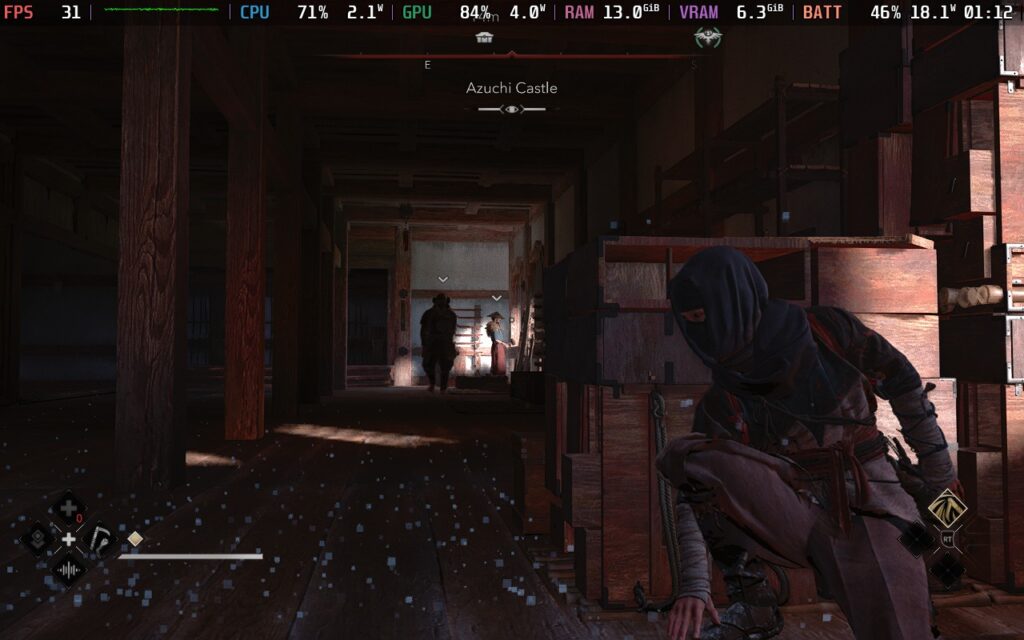
Of all the aspects of Shadows that hooked me, the world was probably the part that stood out the most. The premise of Assassin’s Creed fits perfectly into Japan, and taking time to examine the world and architecture was pretty wonderful. Visually, the world is stunning and is enhanced by some of the tech they have incorporated to make it feel more alive. This comes in the form of physics (rolling into doors to break them or cutting bamboo) to the slight grass tilt as you walk across it.
I also appreciate how drastically the world can change when the season does. So many aspects of the world feel different when the seasons change, making running through them more enjoyable. I am a fan of seeing the change from Winter to the other seasons more than anything, mostly due to snowfall during winter, but there’s something to love about each season.
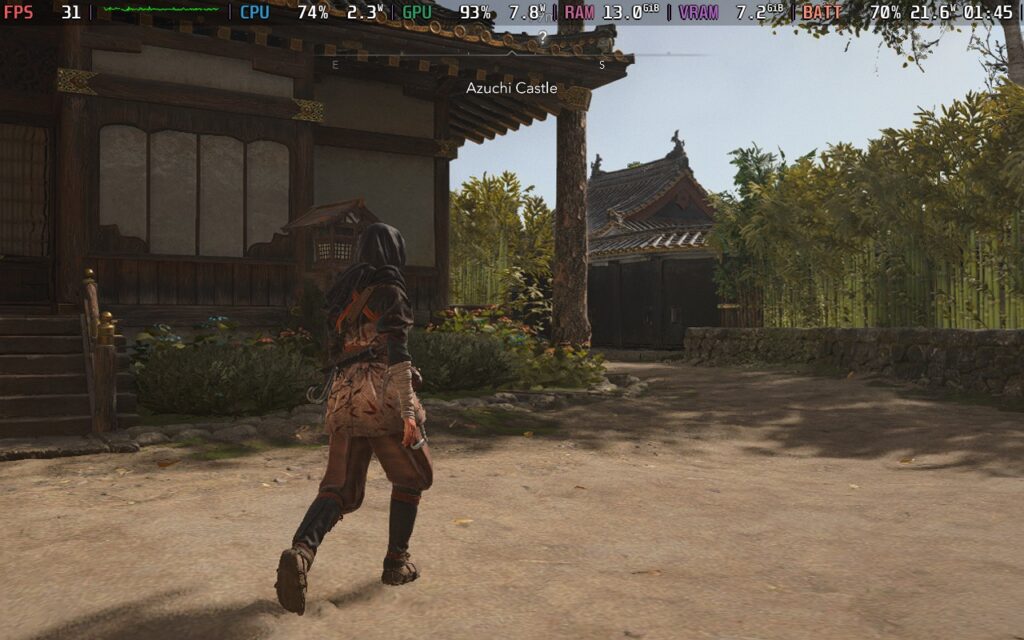
However, I have a love-hate relationship with the foliage. There’s a solid amount littered throughout the world to cloak yourself for assassinations, but there’s too much out in the open world. It ends up discouraging exploration off the roads. I can understand the mountains and other obstacles I may face, but the amount of shrubbery makes it nearly impossible to see where I’m going. There were a couple of times I powered through it, but it wasn’t fun. Sticking to the roads will solve this issue completely, but it's still a bit disappointing that trying to find my way through the woods wasn't as easy to accomplish.
I don't want to go too much into the story to avoid spoilers, but it's great for an Assassin's Creed game. It does the job and stays a bit predictable, but I found Naoe and Yasuke interesting with intriguing character arcs. I was invested in each character and wanted to see the conclusion to their stories and what would happen next. As someone very interested in Japan as a whole, I enjoyed seeing Ubisoft's take on their history.
The contrasting personalities of Naoe and Yasuke and their motifs keep the story interesting. I don't want to go too much into it, so you can experience the story for yourself, but it's one of the better storylines in the series.
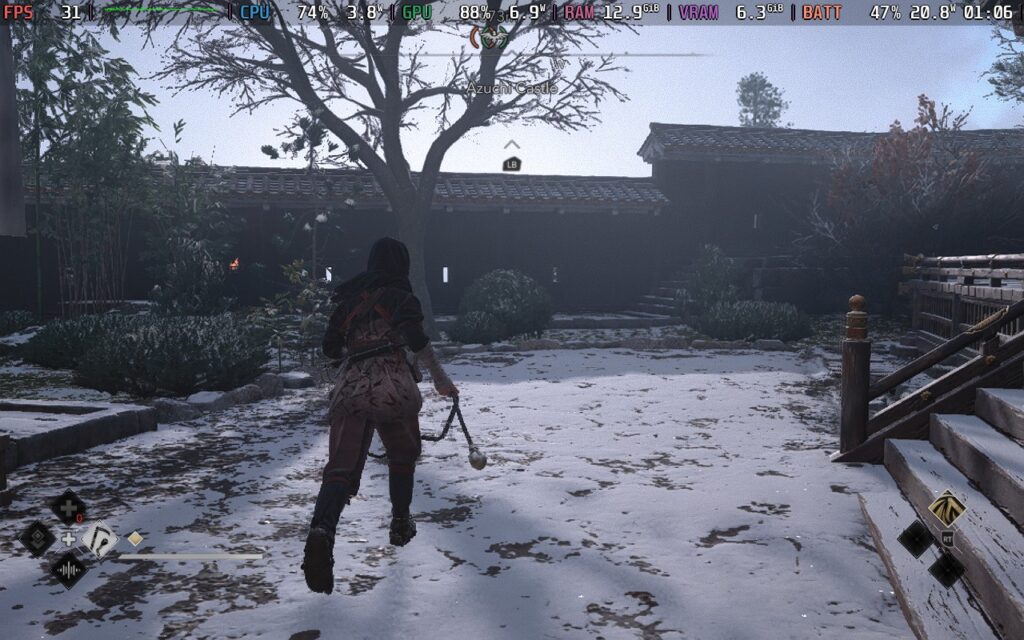
If you enjoyed the previous Assassin's Creed titles, especially Origins, Odyssey, and Valhalla, you will feel at home with Shadows. Close combat is quite on par with those games, giving you a light and heavy attack that can be charged up to deal extra damage to vulnerable enemies or break guard. There is a heavy emphasis on parrying, dodging, and blocking to sneak in strikes to consistently carve out the enemy's armor and health.
Assassinations are a key element of the game, as they have always been from the first entry in the series, but they don't feel as prominent as they used to be. The stealth system is great; using bushes, the tops of buildings, and even the shadows at night to kill without being seen is a treat. However, more powerful enemies can't be assassinated fully and will only take chunks of their health away. There is an option to turn on guaranteed assassinations to make this go away, but I wish this were the default. I miss some of the older games where there was a reliance on stealth and assassination over more action-packed combat. Thankfully, the close combat is really enjoyable, so I didn't mind the up-close fighting as much.
I feel this even more when we take control of our second protagonist. Throughout the game, we will switch between Naoe and Yasuke, who have contrasting playstyles. It was quite nice to play in different ways, with Yasuke not relying on stealth and going all in on brute force. Even though I miss the reliance on stealth, I enjoyed taking a break from the norm and trying something different. There's a certain charm in using gigantic weapons to smash enemies' faces in, that's for sure.
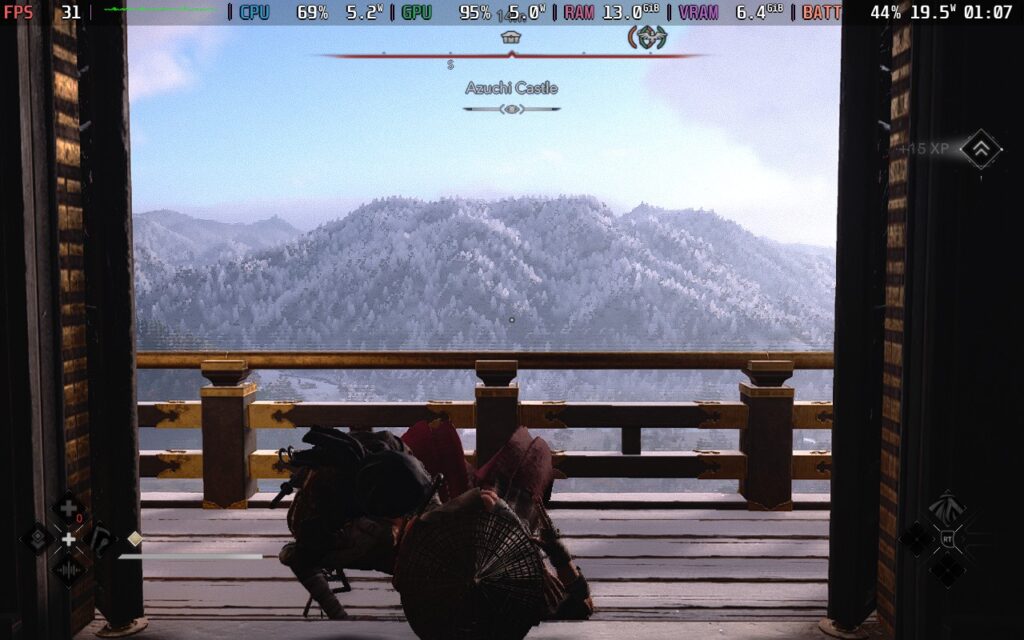
We can spice things up a bit with combat thanks to a range of tools and different types of weapons to use. Each of the different weapons feels different to use with unique movesets, tools like Kunai and Shuriken to kill from further away, and smoke bombs to help you escape a fight.
I loved using all of these, and it just made combat feel even better. Taking on a group of enemies with a combination of Kunai to eliminate some of them, come in with an assassination to take down more, smoke bomb myself away to assassinate another from the shadows, then use my Kusarigama to swing my around and attack the rest of them all at once and slice and throw others into each other. There were so many fights that I just had a blast in and had to readjust my strategy by using the weapons and tools given to me, and I enjoyed it a lot.
The progression systems are pretty fun to play with, too. Like Origins, Odyssey, and Valhalla, we have a generic RPG take on making yourself more powerful. You gain experience when you kill enemies and complete quests, which levels you up. The more you level, the more powerful gear you can use. You will also get mastery points to give yourself new abilities and passive bonuses in the skill tree, which can unlock necessary skills like assassinating two people at once and special combat abilities.
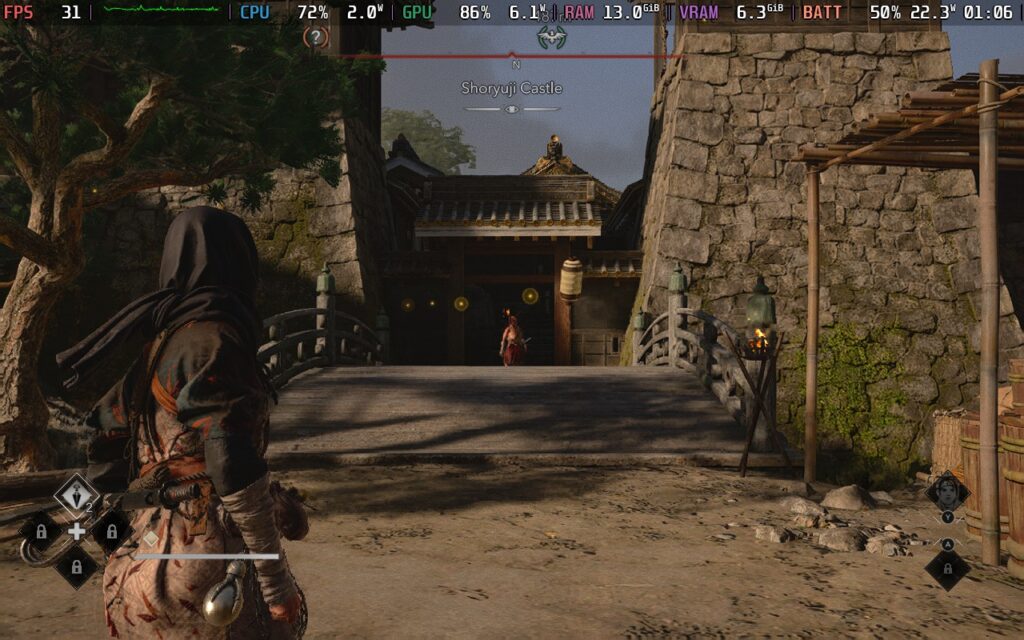
I also appreciate how easy it is to transmog and change appearance without changing the actual gear. It makes me happy to be able to customize how I look without always having to change out the gear I have grown attached to.
Even though this is a departure from the older Assassin's Creed formula, I enjoy these new systems. I like getting tons of different gear to play around with, and with each one having some randomized stats and unique abilities, I can prioritize the way I want to play. I like the gameplay loop of finding new loot and constantly checking out new gear; it feels meaningful.
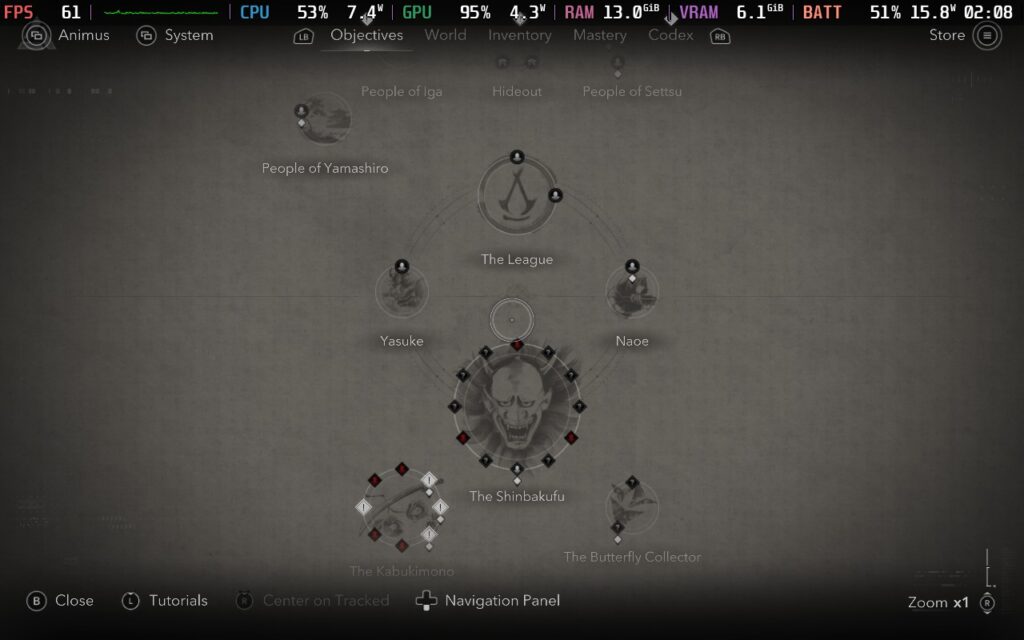
Besides the main quest line, Shadows has many side content to dive into. There are castles you can find in the world to liberate and get lots of gear, shrines to find and increase your knowledge to get access to new skills, and many other quests. I like the "objectives" menu in-game, which details quests available to help others, and specific extra targets to assassinate and get extra experience. It also clearly notes where the quests are coming from, so you know if you are working on the main questline, helping the "league" expand, assassinating groups of criminals, and more.
You also have a hideout to expand and upgrade with materials you find worldwide. I like that we can customize the placement and design of the buildings, and they do have a function outside of aesthetics, like the Forge to upgrade and dismantle weapons or the Dojo to train your allies. Placing these can increase your hideout level and give other bonuses like reduced costs for the Forge and expanding what the Scouts can bring back at the end of the season. There are some purely aesthetic options, like lights and pathways, so you can design your hideout.
The content feels much more organic than in past iterations of the game, and there's a solid amount of variety that helps your character grow. It always feels like there's something to discover, someone to assassinate, shrines to pray at, castles to liberate, art to paint, people to help, and it all feels fulfilling. I also appreciate that we can automatically follow people in missions instead of having to manually control the character.
I did encounter some minor issues while playing, like some weird animation glitches or killing someone on the ground, only for them to rise again for me to kill them a second time, but nothing that ever stopped me from enjoying the game. Assassin's Creed Shadows doesn't stray too far away from the established norms of the series, which isn't bad, but it won't bring back anyone who has already made a judgment call after the last few games. Still, Shadows is a bunch of fun and is even enjoyable on the Steam Deck.
After Ubisoft debated whether Assassin's Creed Shadows would run on the Steam Deck, I am still shocked at how well it's running. I expected a sub-30 FPS experience, and while it isn't perfect, it holds strong at 30 with solid visuals. It does have some moments where it can drop below 30 in some areas, like when turning around in crowded towns and bigger castles, and the RAM usage can spike a little bit, but it was still playable and never crashed.
In the Steam version of the game, we don't have all of the same graphical options in the base game, with some locked away, but we can change a few things around. We can change the upscaler (TAA, FSR, and XeSS) and the dynamic resolution range. After some testing, I found that TAA with a slightly reduced resolution range mitigates most of the framerate drops and still looks okay. There are slight differences between the upscalers, but I felt that TAA looked better when running around. You can choose any of the upscalers you'd like, but I recommend scaling the maximum resolution down to 35 or 40%.
I wouldn't expect the game to run any better than this, and it's pretty amazing that it's running as well as it is already. I wouldn't expect more than 30 FPS, and I don't recommend using frame generation either. It's going to drain the maximum amount of battery as well, but I genuinely can't see any way to improve performance without some significant visual compromises. You could reduce the maximum resolution range even more or force 1024x576 to make it run better, but it doesn't look nearly as good for not much other benefit, so I would say keeping it as is will be best.
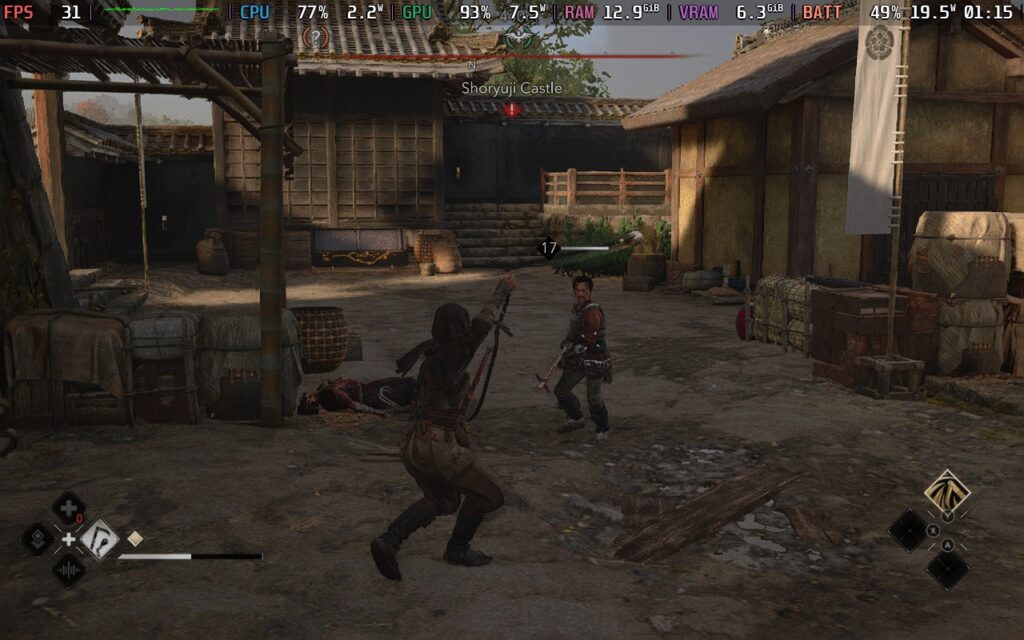
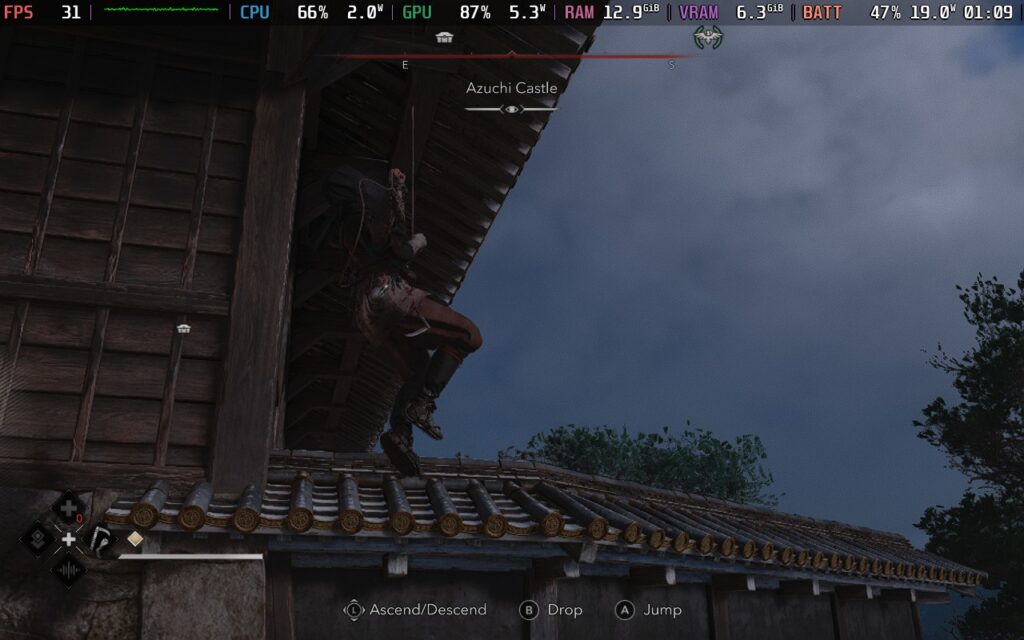
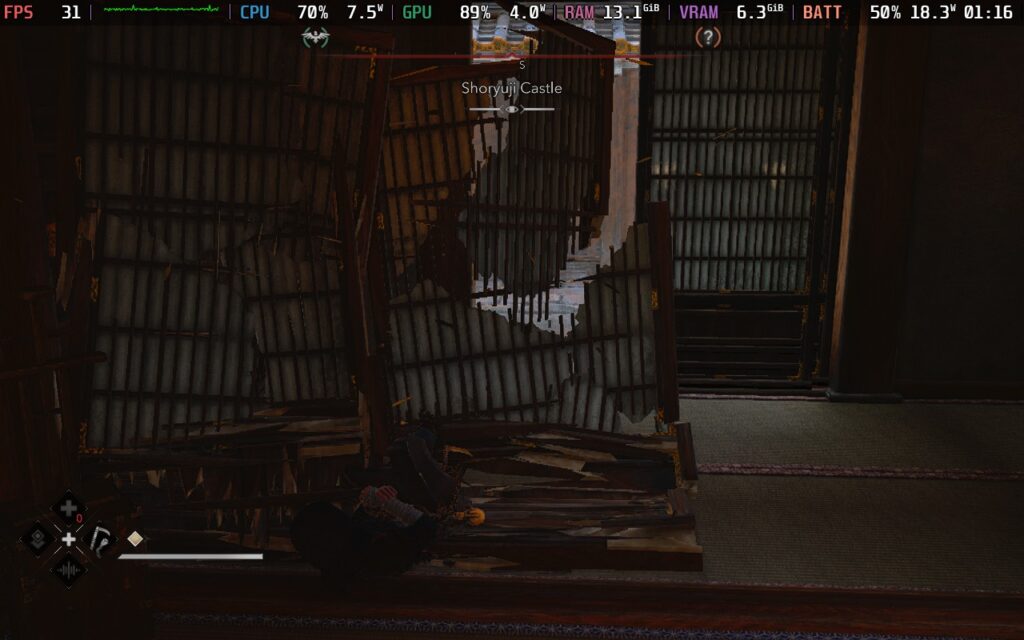
The Steam version of the game also goes through Ubisoft Connect, and while the launcher does have an offline mode, I did have trouble actually getting it into offline mode. Even though I played online beforehand, it wouldn't let me play without internet. I can confirm that if you start the game with WiFi, you can turn it off afterwards and continue playing without needing to connect, but starting the game offline may not be possible.
Assassin's Creed Shadows has a fantastic amount of settings to change. You can toggle the HUD, change walking speed, toggle auto movement and left-handed layouts, adjust controller vibration, invert camera, change deadzone for triggers and joysticks, and change audio volume and music frequency. We can also change text size and color, toggle subtitle details, turn on aim assist, toggle a button to get all loot around you, and so much more.
The game supports 16:10 resolutions and has both cloud saves and controller support. HDR is recognized on the Steam Deck OLED and can be found in the image calibration menu.
Assassin's Creed Shadows is one of the best games in the series in a long time, and is one of my favorites. The Japanese setting fits perfectly within the context of the game, and the world feels more alive thanks to the physics and changing seasons. The combat is very engaging, both in close quarters and when assassinating, and I looked forward to each fight. The story is a bit predictable, but the dual protagonists have very interesting character arcs that make them feel more compelling. Shadows isn't perfect, and it feels like more of what we have seen in previous entries, but the good outweighs the bad.
As for playing Shadows on the Steam Deck, I am truly amazed that it is playable at all. I wouldn't expect anything above 30 FPS with a high battery drain, but the fact that it is playable and mostly stable is quite amazing. It won't be 100% stable, but if you have no other way to play, it will be enjoyable on the go.
このレビューはPC版に基づいています。
このレビューをお楽しみいただけたなら、SteamDeckHQ の他のコンテンツもぜひご覧ください!あなたのゲーム体験に役立つゲームレビューやニュースを幅広く取り揃えています。ニュース、ヒントやチュートリアル、ゲーム設定やレビューをお探しの方も、最新のトレンドを知りたい方も、ぜひご利用ください。
Rise of the Ronin was provided by Koei Tecmo for review. Thank you!
When Rise of the Ronin was announced on the PS5, I was so intoxicated by the world being shown. Seeing a samurai with a gun flying around on a hanglider was so cool, and knowing that Team Ninja, the developers of Ninja Gaiden, were working on it sold me. Now, the game is finally here on PC, and I finally had the chance to play it. Even with some minor issues here and there, the gameplay more than makes this a worthwhile experience to enjoy.
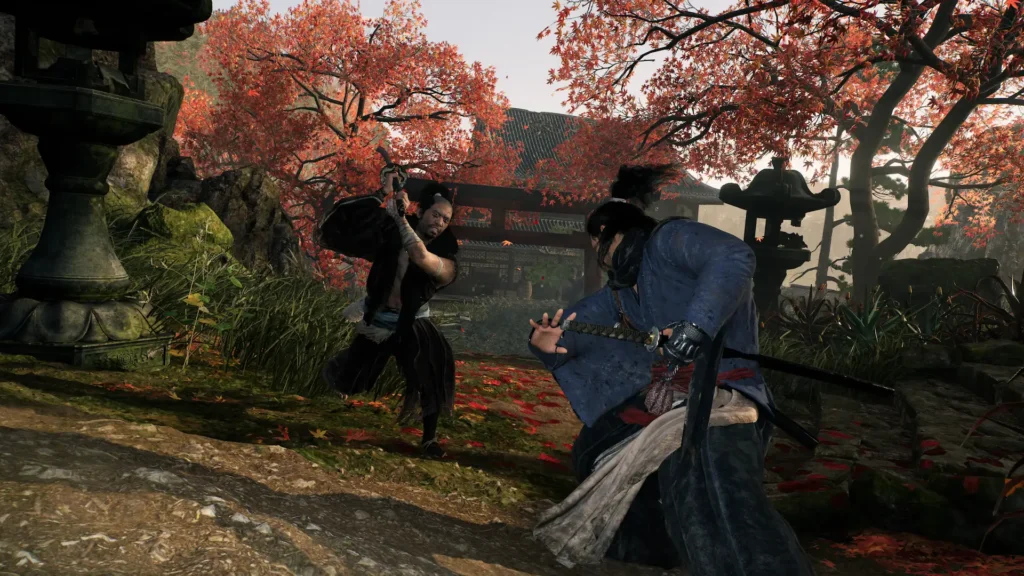
When it comes to making flashy, gratifying combat, Team Ninja is towards the top of that list. From the gorgeous fast-paced action of Ninja Gaiden to the souls-like esque Nioh, they have consistently shown they can make engaging and exciting gameplay that is hard to put down. Rise of the Ronin is in that camp and is easily the best part of the game.
It feels like a mix of their best games in a way. The faster-paced slicing mixed with the countering (or countersparks, as they call it in-game) strikes a nice balance between button mashy and necessarily strategic. You have multiple weapons to choose from that all feel different from each other and have fleshed-out move sets. On top of that, you have various combat stances to give you an edge against the foes you encounter, sub weapons like guns and a flame thrower, Martial Skills for stronger attacks, and items that can heal you or give you a quick out if you want to get away from a battle.
I truly love Rise of the Ronin's combat. Not only is it so satisfying to slice enemies up and change weapons and stances on the fly, but countering strikes coming at you is so delightful. The mix of the flash from the blades and the sound of metal hitting each other just works so well. This is great since countering is a crucial element of combat. Combined with the sub-weapons and items, the combat always feels fresh and versatile. I would find myself running around and seeking combat instead of keeping the main story going, a testament to how well the system works.
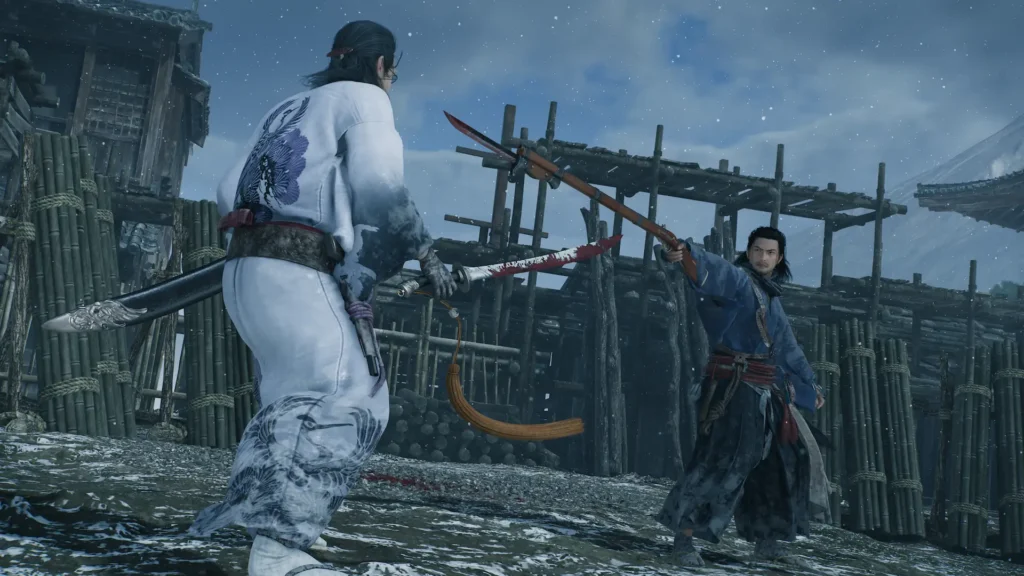
I also enjoy the stealth mechanics, and I feel that these were implemented nicely. It was enjoyable to sneak around and pick off enemies one by one. If I could change one thing, it would be that not all assassinations are one-shot kills. For stronger enemies, it can take away half or a quarter of their health, which I understand, but I feel like if you are sneaking up on someone, you have a chance to just kill them outright.
There are several ways to fine-tune your stats and make yourself more powerful. You will constantly get new and more powerful weapons and armor, which can have different stat buffs as you play. We also get experience from killing enemies, which can give you points to unlock new skills and increase weapon proficiency, and you can upgrade your weapons, armor, and combat stances. These mechanics work together to build yourself up and slowly, but surely, give you an edge over the enemy. I enjoy this kind of mechanic with constant, random drops with varying stats, giving me chances to build out my Ronin how I want to.
The experience you get is similar to a souls-like game, but it has some minor changes that I feel are an improvement. When you kill enemies, it fills up a bar to determine the number of skill points you will get. However, if an enemy kills you before you can make it to one of your checkpoints, the enemy will have a Vendetta assigned to them, and you will have to kill them to get all of your unclaimed experience back. I do appreciate that once you get to a checkpoint, all of your experience will be claimed, so you won't lose it anymore.
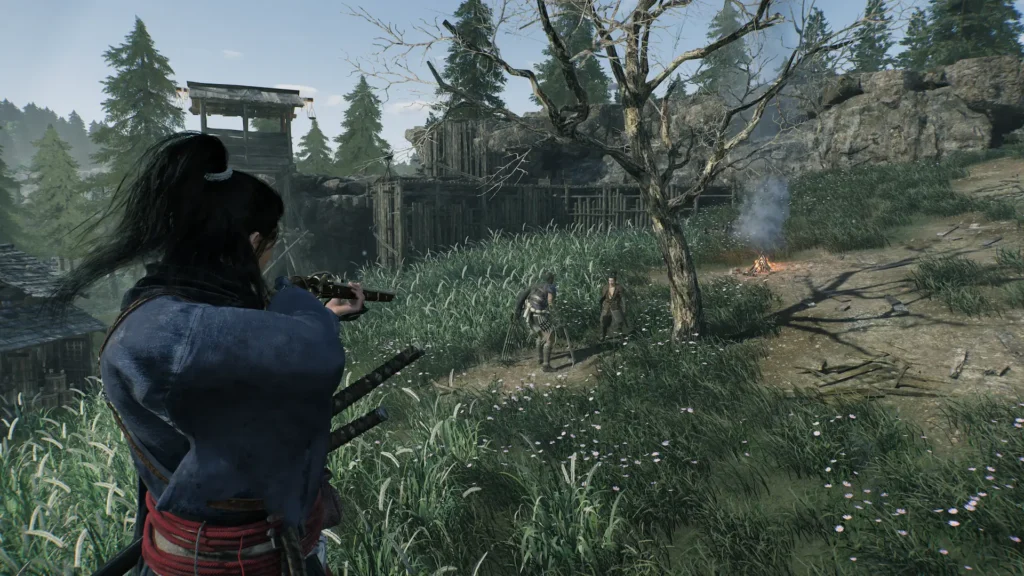
Rise of the Ronin’s open world is full of enjoyable activities that feel quite varied from each other. From fighting groups of enemies to restoring cities and helping random bystanders to finding cats across the map and shooting targets, it was easy to get lost in all the events that could pop up. None of it felt like filler, it was either quick and gratifying challenges or more combat, and I enjoyed it all.
However, I wasn’t the biggest fan of navigating this open world. Besides running around, we have our horse and glider to traverse more quickly and a grappling hook to get up some surfaces. The horse is quicker than running and does auto run, but it still wasn’t as quick as I would have liked it. As for the glider, it’s a cool concept, but it feels a bit stiff to use. I would have loved to see us with the ability to gain speed when going down or get a boost when using the grappling hook to propel forward into the air. It just didn’t feel as dynamic as I had hoped.
The grappling hook is more fun to play around with. We can use it to get up on ledges that are too high or pull enemies towards us, and there are some enjoyable parkour-ish challenges with it. I wish there were more surfaces to use it on or a way to use it on any ledge to pull us up, but it’s still enjoyable.
The tale of Rise of the Ronin is more fascinating than I expected. The setting of Japan in 1863, when American influence was starting to rise, led to some really interesting locals and people to meet. It's a big reason guns are in the game, making combat even more interesting. I like seeing the comparison between traditional Japanese architecture mixed with the more modernized American approach. It also leads to some interesting Japanese and American figures butting heads, which adds more to the period we are playing in.
The general story is intriguing, and your choices feel impactful, which can lead to one of the game's different endings. What started as a search for your Blade Twin thrusts you into conflicts that will dictate the future of Japan. There are two forces to choose from, and your decisions impact how the story ends and whether some characters die. I didn't expect this complexity, which is a nice touch.
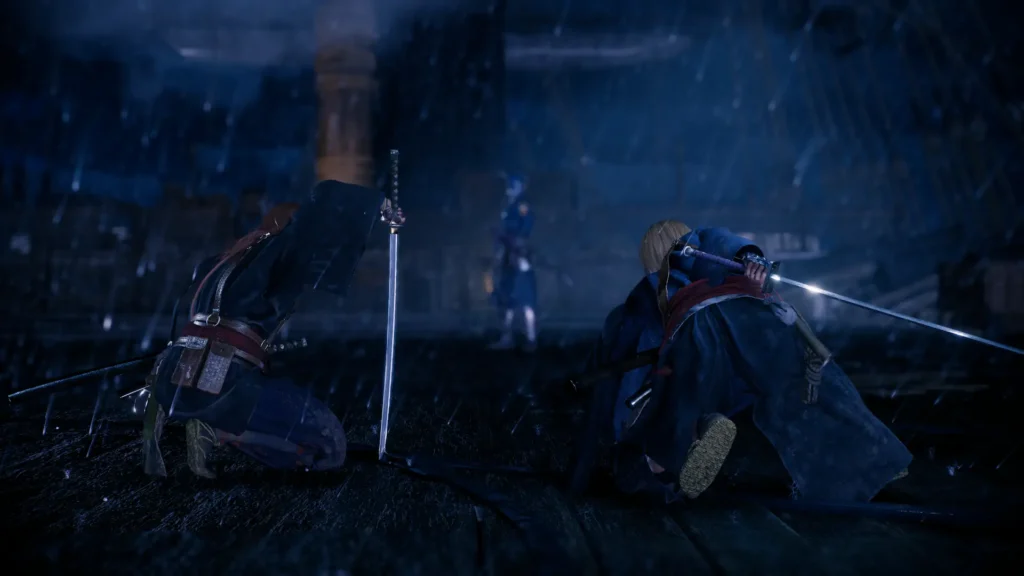
I didn't feel like there was a lot of variety in all of the missions I played through, but with how much I enjoyed combat, I didn't mind it too much. Most missions are just going through different locations, sneaking around, killing, or killing enemies. Even some missions where you must find something will require killing almost all enemies.
Graphically, Rise of the Ronin can be gorgeous. The models, animations, and environment are great, and I enjoyed seeing the sights. I found many great locations to sit, look at the world, and enjoy. I found multiple places I could take a picture and make it my wallpaper on my phone or desktop, and it would look fantastic. I wish the color pallette was a little more vibrant, but it still works well.
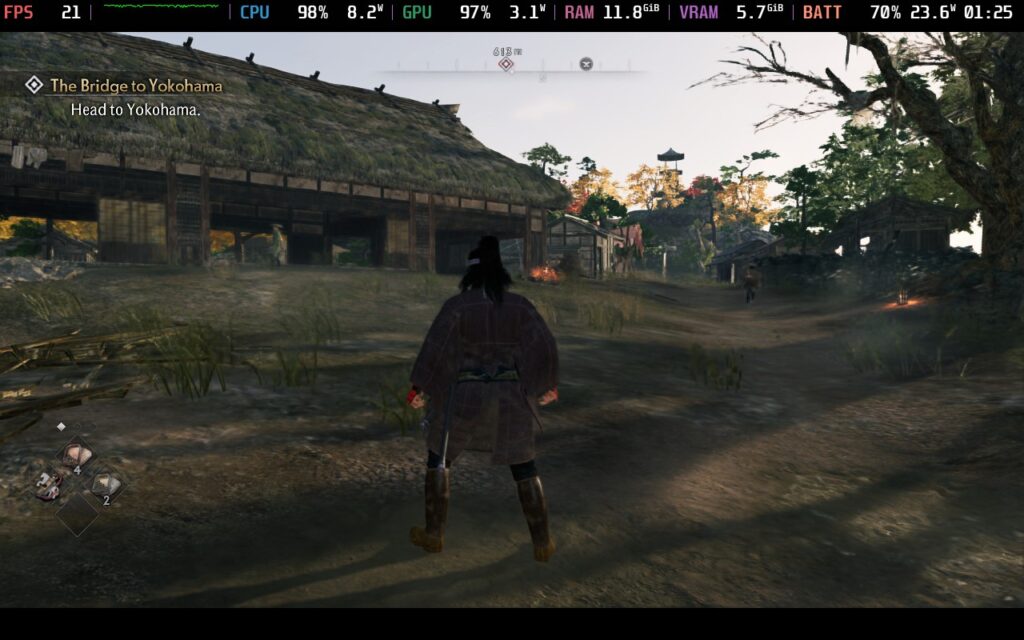
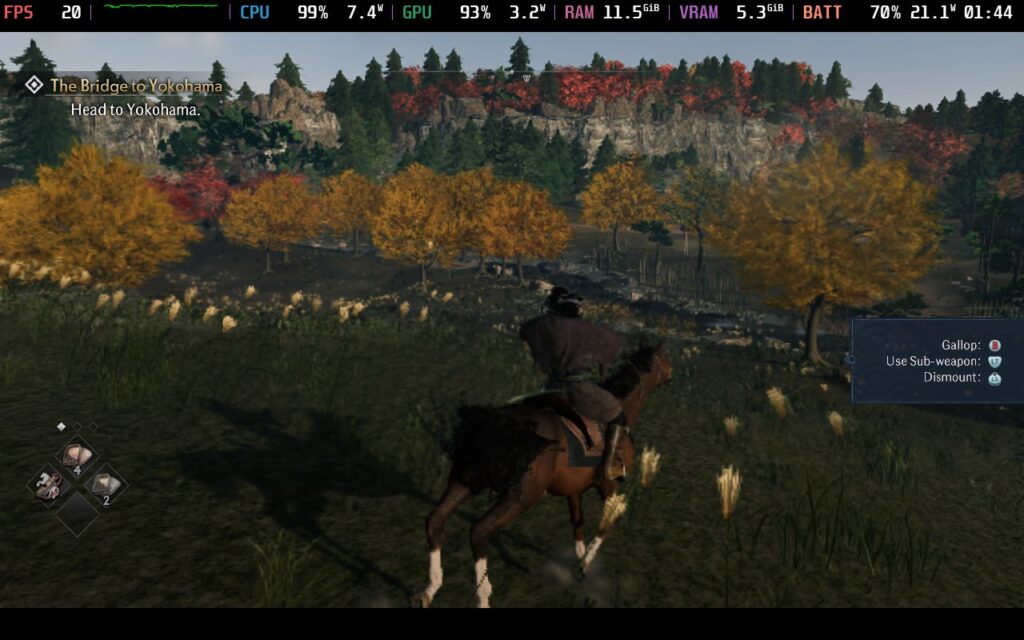
Rise of the Ronin is an awesome game to play, but it isn't playable on the Steam Deck. The game pushes the CPU and GPU of the Deck to the max, and will regularly drop frames, sticking around 18 - 23 FPS on the lowest possible settings. Because the game is pushing the CPU hard, we can't make many changes to get it running on the Deck comfortably, so I would say this is not playable.
I also recommend not using frame generation. It not only doesn't help, but it makes the entire experience much worse with extra input lag and stuttering.
Overall, I don't have any recommendations here since I can't get the game into a playable state. It would be better to stream this from a PS5 or Remote Play it from a more powerful Desktop PC.
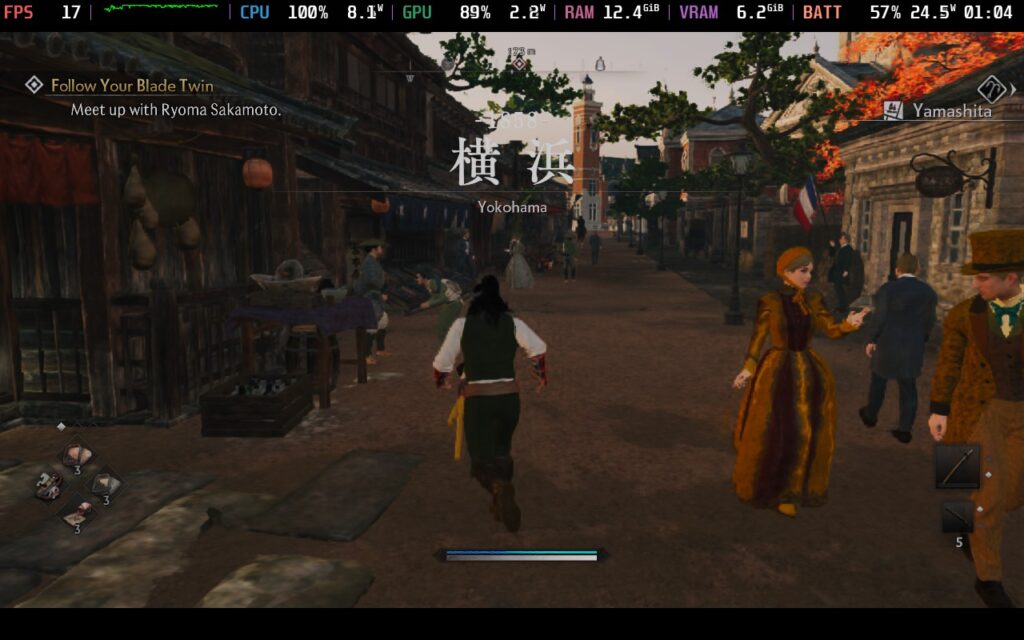
Rise of the Ronin does have a specific User Accessibility tab, which allows you to change controller mapping, whether you toggle or hold buttons for certain actions, automize certain actions like aiming, grabbing, crouching, and collecting items, subtitles and their size, and a toggling a range of effects like dismemberment, blood, motion blur, and more.
It doesn't support 16:10 resolutions, but it has great controller and cloud save support. It also does recognize the HDR screen of the OLED Steam Deck.
Rise of the Ronin is a great open-world action RPG that is fun to play. The combat is exquisite and a high point for this experience, and there are a lot of great activities to keep you busy. The story was surprisingly intriguing, with meaningful choices and an interesting tale. Navigating the open world wasn't as fluid as I would have liked it to be, and the missions can feel a bit repetitive, but it is overshadowed by the excellent gameplay mechanics and story being told.
I wish it could run on the Steam Deck, but unfortunately, there's no way to get it working without major compromises that still won't make it stable. Still, if you have a better computer to stream from, this is a great game to enjoy on PC.
このレビューはPC版に基づいています。
このレビューをお楽しみいただけたなら、SteamDeckHQ の他のコンテンツもぜひご覧ください!あなたのゲーム体験に役立つゲームレビューやニュースを幅広く取り揃えています。ニュース、ヒントやチュートリアル、ゲーム設定やレビューをお探しの方も、最新のトレンドを知りたい方も、ぜひご利用ください。
Ender Magnolia: Bloom in the Mist was provided by Binary Haze Interactive for review. Thank you!
There's no shortage of Metroidvanias out there these days. Indie studios, in particular, seem to be producing them quickly, so you have to make something special to stand out from the crowd. Does Ender Magnolia: Bloom in the Mist have what it takes? I definitely think so. This sequel to the well-received Ender Lilies is worth your attention if you're looking for a challenging Metroidvania experience.
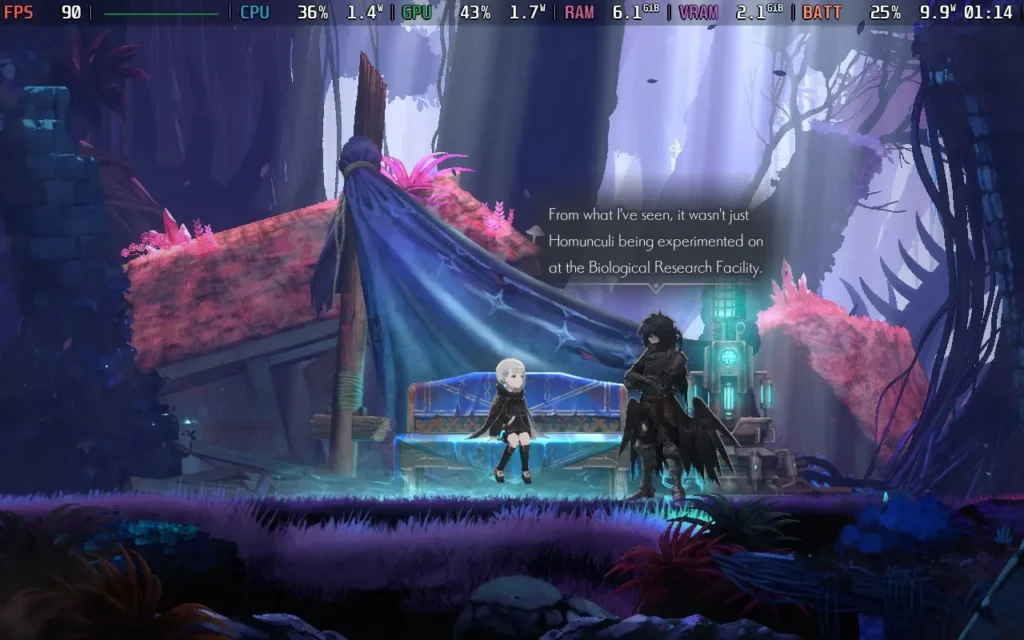
While Ender Magnolia is a sequel to Ender Lilies, it is set decades in the future. Having never played Ender Lilies myself, I feel like you can play Ender Magnolia as a stand-alone game and still find it wholly enjoyable. Apparently, Ender Lilies is a great game, though, so it might well be worth checking out, too.
In Ender Magnolia, you'll play the role of Lilac, a young "Attuner" who finds herself beneath the surface of a kingdom where "the fumes" have driven the Homunculi (artificial life forms) insane. While the vast majority of Homunculi that you meet truly are insane, some have managed to retain their sanity, such as those found in the underground havens where the last humans in the underground cling to survival.
Lilac, with her ability to Attune, can save certain Homunculi from their madness, which is one of the key gameplay mechanics in Ender Magnolia. Once a player defeats a boss, they can often form a bond with the defeated Homunculi, and they will join your team. Other times, you can simply find Homunculi in the world that have not yet gone insane and will join you on your journey to leave the underground and find out what happened to this kingdom.
This forms the basis of the game's storyline, with each rescued Homunculi boss rewarding the player with a short (often 30-60 second) drawn cutscene that portrays the distant memories of the Homunculi, allowing the player to gather a picture of what life was like before the apocalyptical setting they now find themselves in.
When it comes to the game's combat, Lilac does not participate; rather, she can summon the Homunculi she has saved, who will fight for her, using various skills you can select and unlock, each mapped to a different face button or R1. Although the system might sound strange, you play the game like Lilac is your fighter, and the summons abilities execute immediately. Lilac's position and direction determine where the attack is directed as if she were the fighter herself.
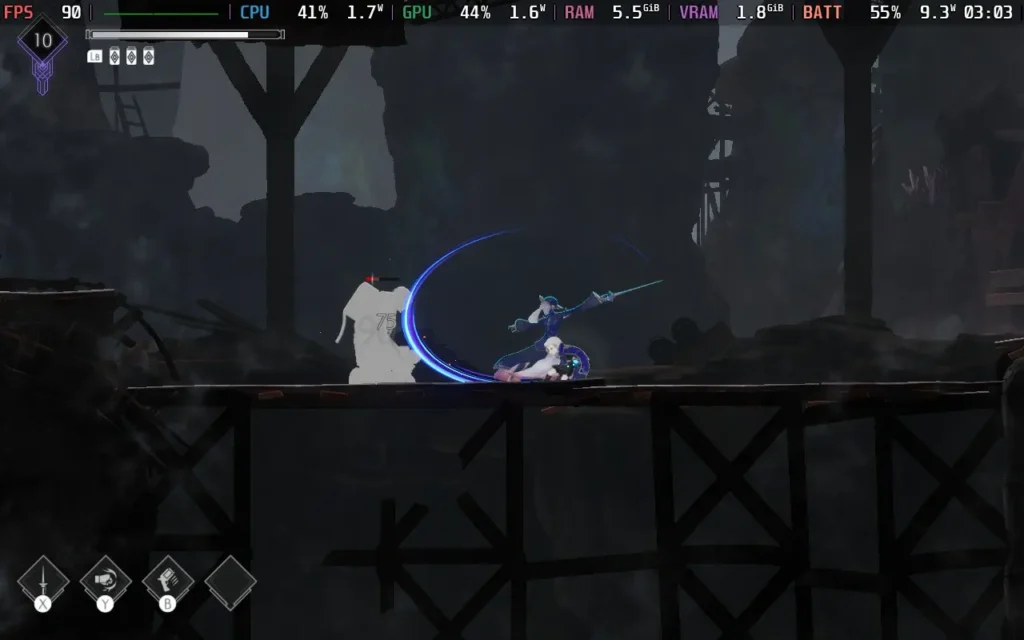
The combat is fluid and, while not particularly fast-paced, can often require quick reaction times to respond to enemy attacks. The game is classed as "souls-like" by many users, and it reasonably fits that description. Getting hit by your standard enemies generally takes 3-4 hits to defeat you, whereas bosses can often defeat you in as little as 2 hits. Thus, recognizing and dodging enemy attacks and patterns is crucial if you want to survive. The game's dodge mechanic provides a small window of invulnerability, which you can use to protect yourself from an attack or simply move far enough away to protect yourself.
Each Homunculi you attune with will offer you a basic skill that you can use, some Homunculi have a basic attack like a sword, others allow you to hold a button and they'll continuously fire for you, another one can be a simple summon that will follow you that is fire-and-forget. However, you can only have 4 Homunculi equipped, and there are more than 4 in the game, so you'll eventually have to pick and choose your desired loadout for your playstyle.
As I'm not particularly skilled, I went with a more "idle" loadout, which favored having a "familiar" summon out and one that simply required holding a button to fire while keeping the beginning "sword" summon, which functions as a basic attack.

You also have healing items that get restocked at resting places dotted around the map, which is perhaps another nod to the "souls-like" genre. Using a healing item takes a couple of seconds, which makes you vulnerable to attack, so like everything else in the combat in Ender Magnolia, you have time to use it well.
As you progress through the game, you'll be able to find items hidden around the map that will let you unlock additional skills for your Homunculi and boost Lilac's health. This rewards exploration and makes it a treat to find hidden items when you can.
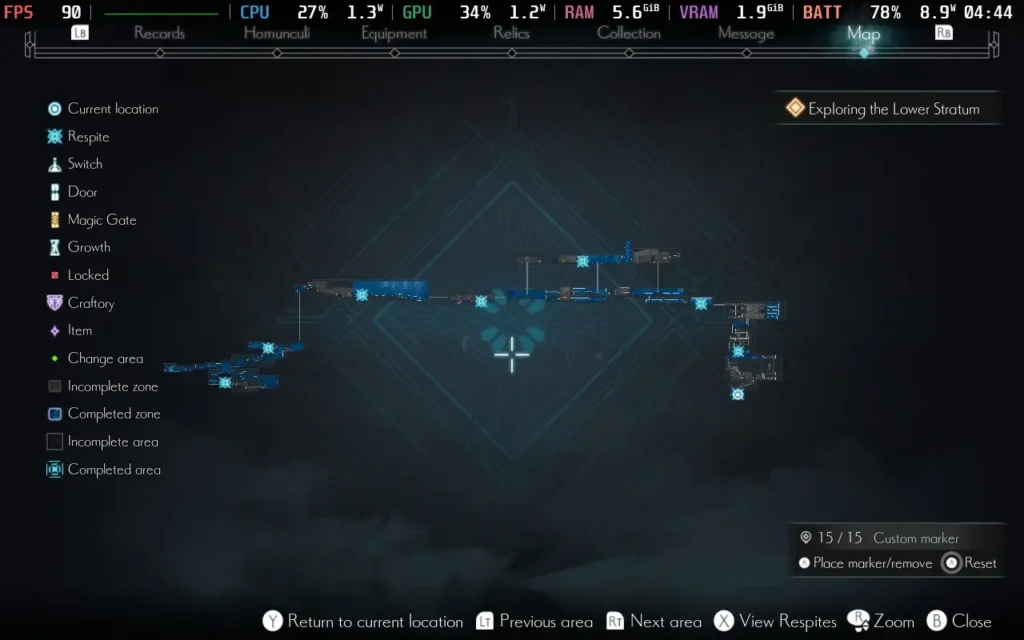
Fortunately, the map in Ender Magnolia is laid out well, with areas separated and clearly marked. Pathways between areas are signified with a line. The world is almost on a sort of "grid" where the entrance and exit of a pathway are always on a horizontal or vertical line, meaning if you need to find a way into an area, you can probably get a good idea of where you need to go. This is helpful in a Metroidvania title, especially a reasonably large one like this. You can also fast-travel between all of the "respite" points around the map that you find.
Visually, Ender Magnolia is largely subdued as a Dark Fantasy game. There's plenty of opportunity for OLED users to enjoy inky blacks, though, and on the odd occasion, certain pieces of scenery really stand out with vibrant colors. Despite this, the world blends together well, with the scenery elements detailed and fitting for the environment.
As for the game's sound, it's serviceable. Nothing stands out as far as sound design. Music tracks change per region you're in, and if you've spent a while in a region, you can notice the music getting repetitive. It's largely piano music, which I'm normally a fan of, but certain note patterns start to stick out after a while.
At the end of the day, Ender Magnolia is a Metroidvania that presents players with a challenge, which can be adjusted up and down depending on player skill, as well as having a tight combat system, all set in an interesting and unique world. If you are a fan of Metroidvanias, particularly ones on a larger scale that are more difficult, then Ender Magnolia should go near the top of your list of games to try.
Ender Magnolia performs excellently on the Steam Deck, with only a few graphical options at your disposal, and the default settings work just fine for me. The game chooses to disable Anti-Aliasing and keep the Post-Processing and Effects settings on high, which helps save a little bit of power without compromising visual quality, as Anti-Aliasing doesn't do much here. The controls work very well with a gamepad, including the Steam Deck.
A TDP Limit of 7W seemed to suit the game perfectly and gave me a locked 90 FPS framerate during gameplay, which only dropped to around 60 FPS for very brief periods when attuning to creatures, which only happens in cutscenes. If you play at 60 FPS, a TDP Limit of 6W should suffice.
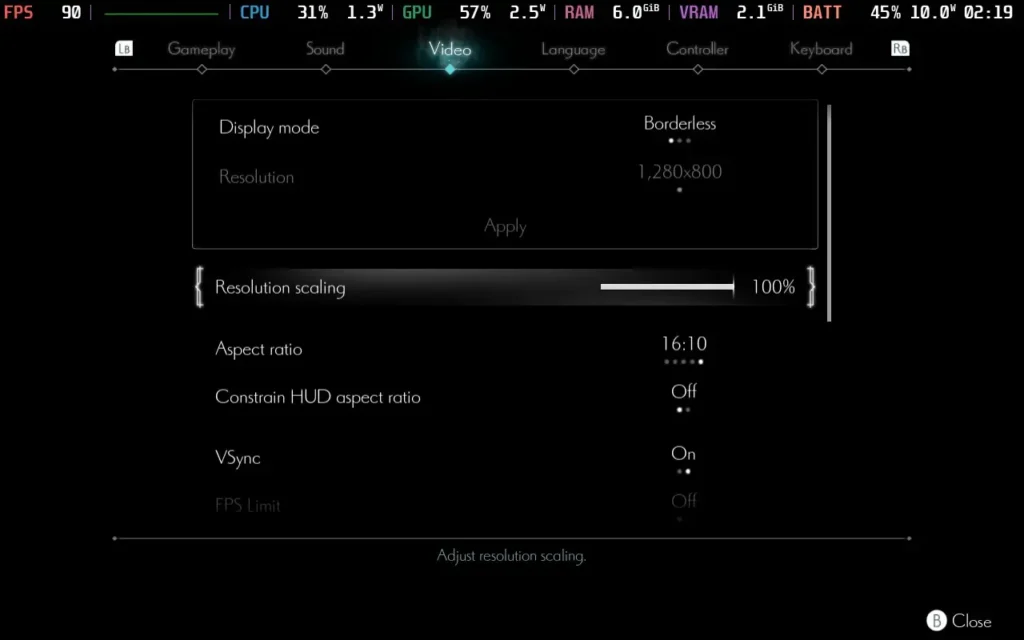
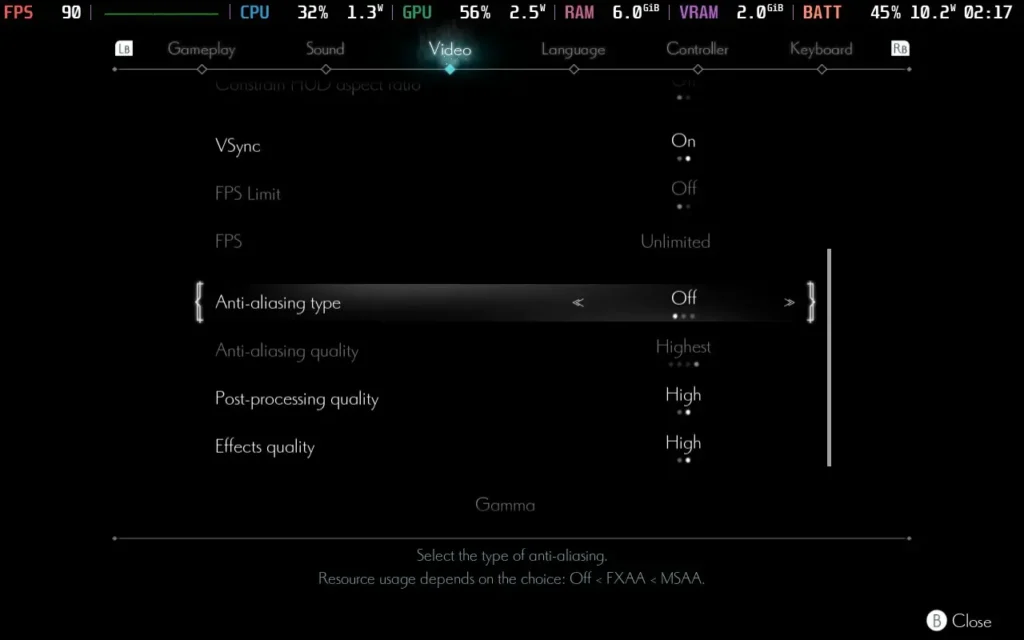
On my Steam Deck OLED, I could run the game at 90 FPS and get a power draw of around 9-11W, or you can lower that to 60 FPS to save a watt of power. Steam Deck OLED users can expect around 4.5 hours of playtime. Steam Deck LCD owners around 3-3.5 hours.
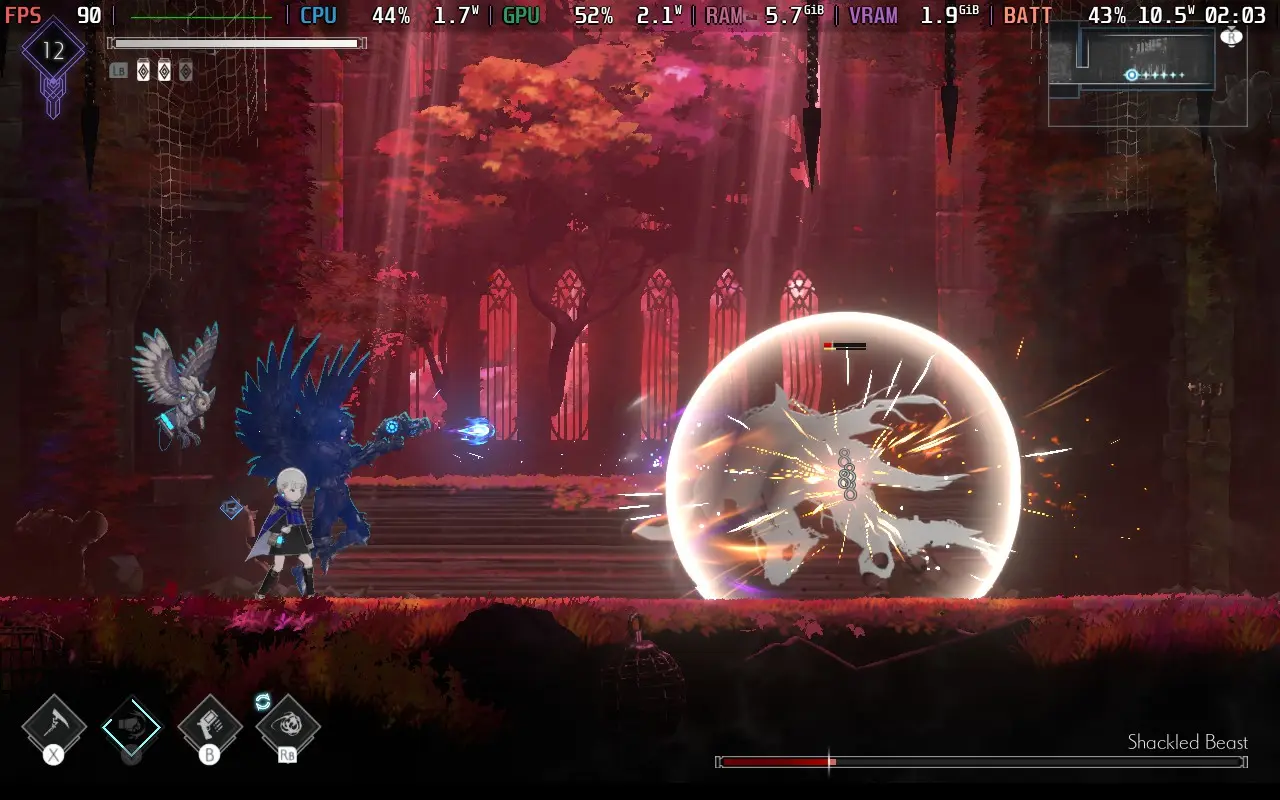
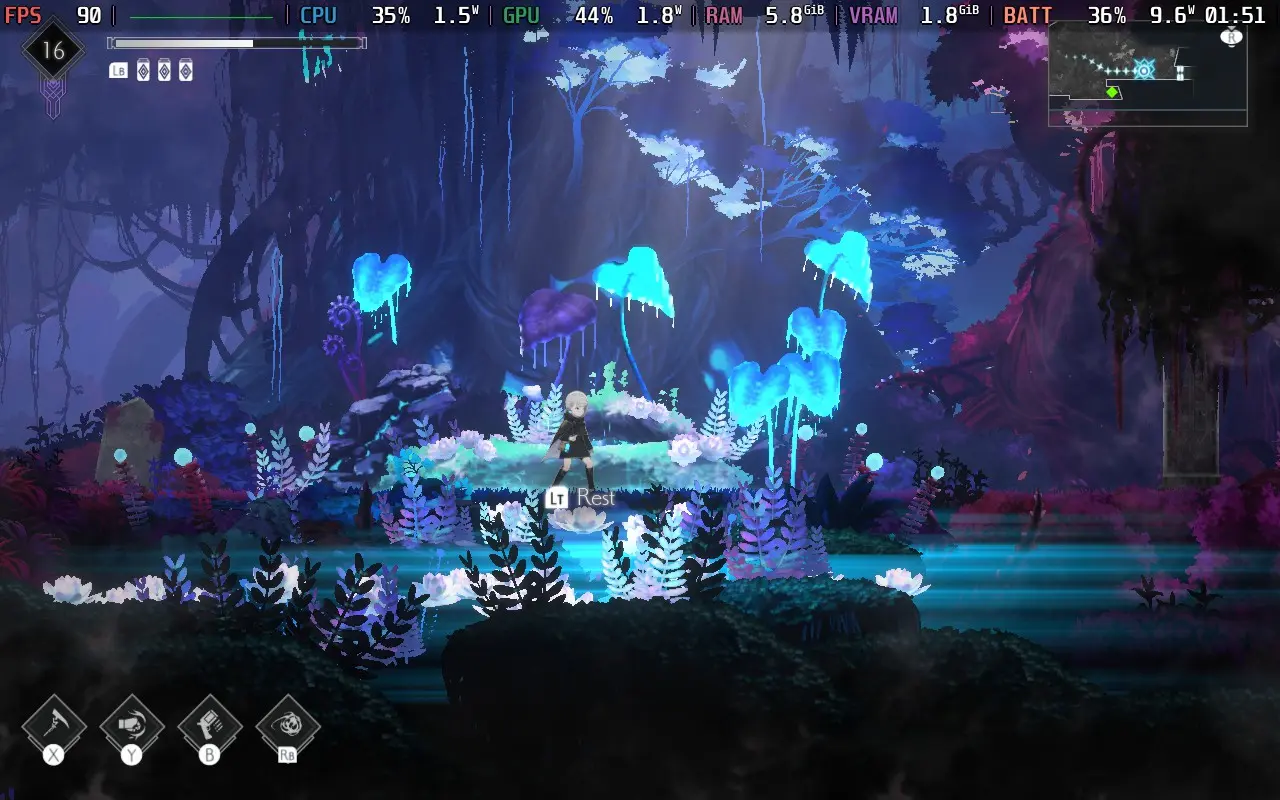
Temperatures generally ranged around 55-60C.
Ender Magnolia is a difficult game, and it has various difficulty settings you can adjust to make it easier or even harder. You can also disable the camera shake and rebind the controls.
Ender Magnolia: Bloom in the Mist is a game that Metroidvania fans won't want to miss. The tight, fluid, and challenging combat rewards skill and offers a variety of abilities that can be deployed in various ways to win a battle. Those who like to explore every nook and cranny will find that their thoroughness pays off with secret passages and items hidden away in various parts of the map, giving the adventurous player certain benefits. All of this is topped off with an intriguing story in a dark fantasy setting wrapped in a well-formed world that is as dangerous as it is mysterious.
As if that weren't good enough, the game performs brilliantly on the Steam Deck. The default settings offer great visual quality and a long battery life, and the controls also work perfectly. Ender Magnolia is a great experience on the Steam Deck.
このレビューはPC版に基づいています。
このレビューをお楽しみいただけたなら、SteamDeckHQ の他のコンテンツもぜひご覧ください!あなたのゲーム体験に役立つゲームレビューやニュースを幅広く取り揃えています。ニュース、ヒントやチュートリアル、ゲーム設定やレビューをお探しの方も、最新のトレンドを知りたい方も、ぜひご利用ください。
SWORD ART ONLINE Fractured Daydream was provided by Bandai Namco Entertainment for review. Thank you!
SWORD ART ONLINE is a franchise that has divided many. I remember when the anime aired its first episodes, which had a great response. But since then, the franchise has had ups and downs, no more so than in its video game adaptations, which often receive a mediocre response from players. But Fractured Daydream may be a big step up for the series.
It should be noted here that Fractured Daydream is primarily an online title. While you can play offline, you'll only have the game's story mode and miss out on the extra multiplayer-only modes. Also, suppose you choose to play in online mode and lose connection, such as by being inactive for some time or by putting your device in sleep mode and waking it up again. In that case, you will be sent back to the main menu, losing that current mission's progress, even in the single-player story mode.
Approaching Fractured Daydream's story from the viewpoint of someone with minimal experience with SWORD ART ONLINE is a little daunting. The game is designed for fans of the series, and because of that, you'll see references to other pieces of media that you likely won't understand if you aren't versed in the lore. Notably, characters are not introduced, and players are expected to know who they are and their relationship with Kirito, the primary protagonist of the franchise and this game's protagonist.
The game's story mode is structured into many short and sweet missions. They tend to be pretty dialogue-heavy and range in length from around 5 minutes to around 15 minutes. Some are more cutscene than gameplay, but the story is interesting and well-voiced. There is only a Japanese dub available, so there is no English voice acting. The average player will probably take 7-8 hours to play through the story mode.
The storyline involves a new feature being added to the virtual world that has caused a glitch, resulting in mass confusion for the players in the game (including amnesia because this is anime). Odd events begin occurring, such as virtual entities appearing that shouldn't be able to exist in this world. It's up to Kirito and his party to find out what happened and how to fix it.
There are 2 difficulty options, "Normal" and "Easy." However, selecting Easy will limit the kind of loot you can get. Normal is easier anyway, so I wouldn't worry about it. I played through the first chapter of the game without coming close to death, and I'm not exactly an expert at these types of games.
The combat in Fractured Daydream is pretty decent. It follows your usual hack 'n' slash formula, and you can abuse button mashing if you want to. There's no requirement for learning combo moves here. To spice things up, you can alternate between light and heavy attacks with your melee characters, and every character has special abilities that you can fire off by using RB + 1 of the face buttons. You can also use an ultimate ability by pressing RB + R3, which deals massive damage.
The variety here really comes from the different characters in the game. While you may have your favorites, you are forced to play various characters throughout the story mode (you can choose which you want in multiplayer modes). Some characters are ground melee and fight as you might expect a normal warrior to fight. However, other characters can fly, while others use ranged weapons instead, turning the game into a 3rd-person shooter.
All these combine to keep gameplay fresh, which could sometimes become monotonous button-mashing. The story mode constantly switches between weapon types, movement styles, and environments, which keeps things interesting, especially since the game's mission structure is fairly similar throughout. Thankfully, the variety of characters, weapons, and environments, plus the frequent story cutscenes/dialogue mixed with the repetitive mission structure, ease the blow.
The visuals of Fractured Daydream hold up because of its well-translated anime art style. Even at lower settings, the game maintains clarity and appeal. This, combined with well-mixed sound effects and good voice acting, means the presentation leaves a good impression.
The downside to the story mode is the friendly AI. This is one of those games where your NPC allies are there to draw fire from the enemy rather than do anything useful. The damage they deal to enemies and the damage they take is negligible. Don't expect them to do much fighting for you, but on the flip side, you don't have to worry about them dying on you, either. They are also terrible at pathfinding, so they'll usually teleport to you after a while. This means you can be alone in a combat situation until they teleport.
But all we've talked about so far is the story mode. A big feature touted for Fractured Daydream pre-release was its 20-player online battles.
The online play of Fractured Daydream was a lot of fun for me. There are a few different "Quests" that you can embark on, of varying difficulty and location, and on these quests, you'll initially be in a party of 4. Gradually, you'll meet up with 4 other parties to make a combined total of 20 players, at this point, you'll need to face off against the final boss.
It all creates a great sense of cooperation and camaraderie. Even though each party has its score and at the end of the quest, a party will be rated as the "best" party, and you're all still working together to complete the objectives and defeat the boss. It's just plain and simple fun at the end of the day, with no stressing, and no worrying about toxic teammates, this is my kind of online experience. Even if another party member falls, any of the 20 players can revive them, which lets the true cooperative nature shine through.
The only downside to the online game I found was that sometimes the game is overzealous and puts you in a match without 20 human players. Once, the game was matchmaking for nearly 2 minutes, and a full 20-player lobby was found. However, most of my subsequent games only waited around 20-30 seconds, and the player count was usually 5-8 players, meaning some parties were just 1 player. Fortunately, bots will fill empty player slots, and the bots in multiplayer are more competent than the NPCs that "help" you in the story mode.
If you want an even more casual experience, you can go into "free roam" online, which lets you explore a couple of the game's maps with other players. There is also a boss raid mode if that's your cup of tea, although you'll need to play a bit of multiplayer before that unlocks.
Fractured Daydream gets off to a good start. We have proper 1280x800 resolution support, meaning no black bars on the Steam Deck's display, and the game has excellent controller support, which is my preferred way to play it.
We can play with many graphical settings to get the game running as we want, so let's look at my recommended settings.
It's also worth noting that my settings never seemed to save, and when I rebooted the game, the settings would always default to the lowest. I'm unsure if this is a Steam Deck issue where the game is set to always run on the lowest settings on the Steam Deck, but it is annoying.
In SteamOS, I applied a 30 FPS / 60Hz frame limit; there is no TDP limit. As for the in-game settings, we have a solid mix of medium and low across the board to make it look as great as possible while getting as close to a stable 30 FPS.
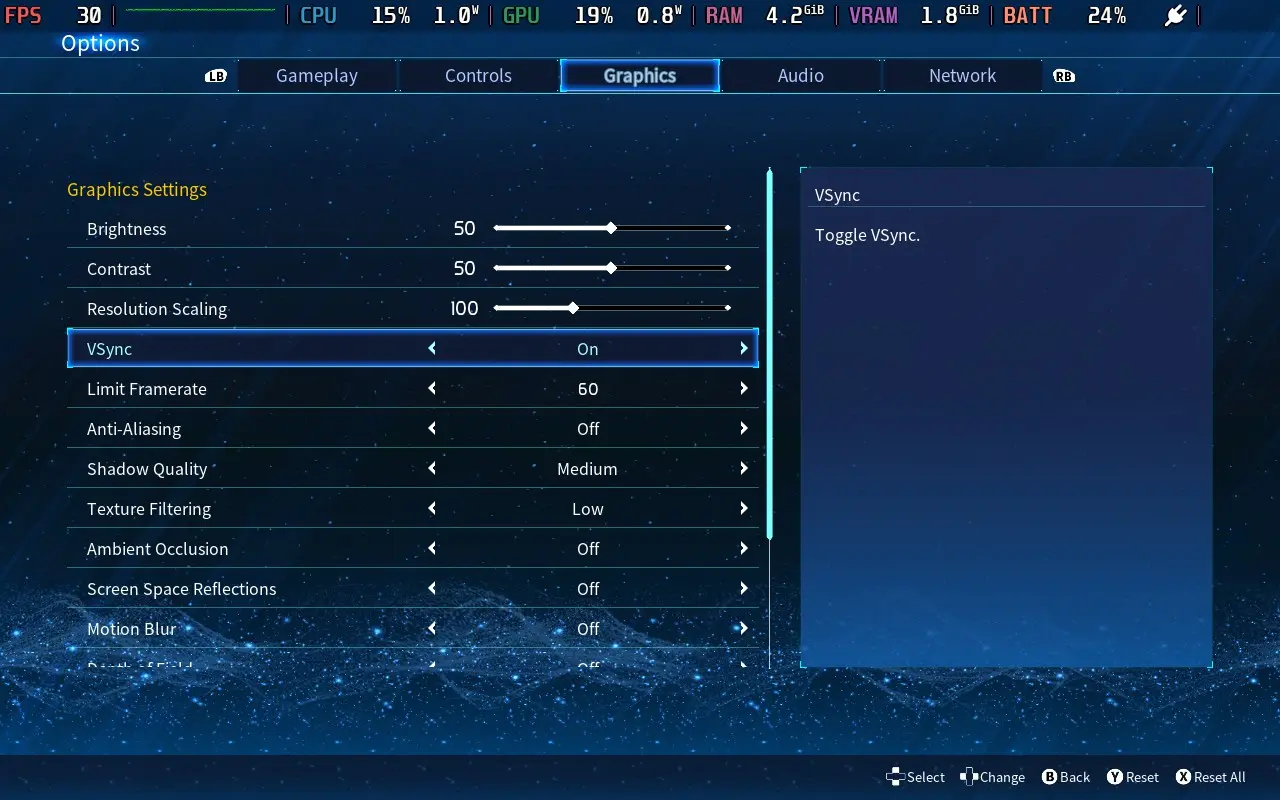
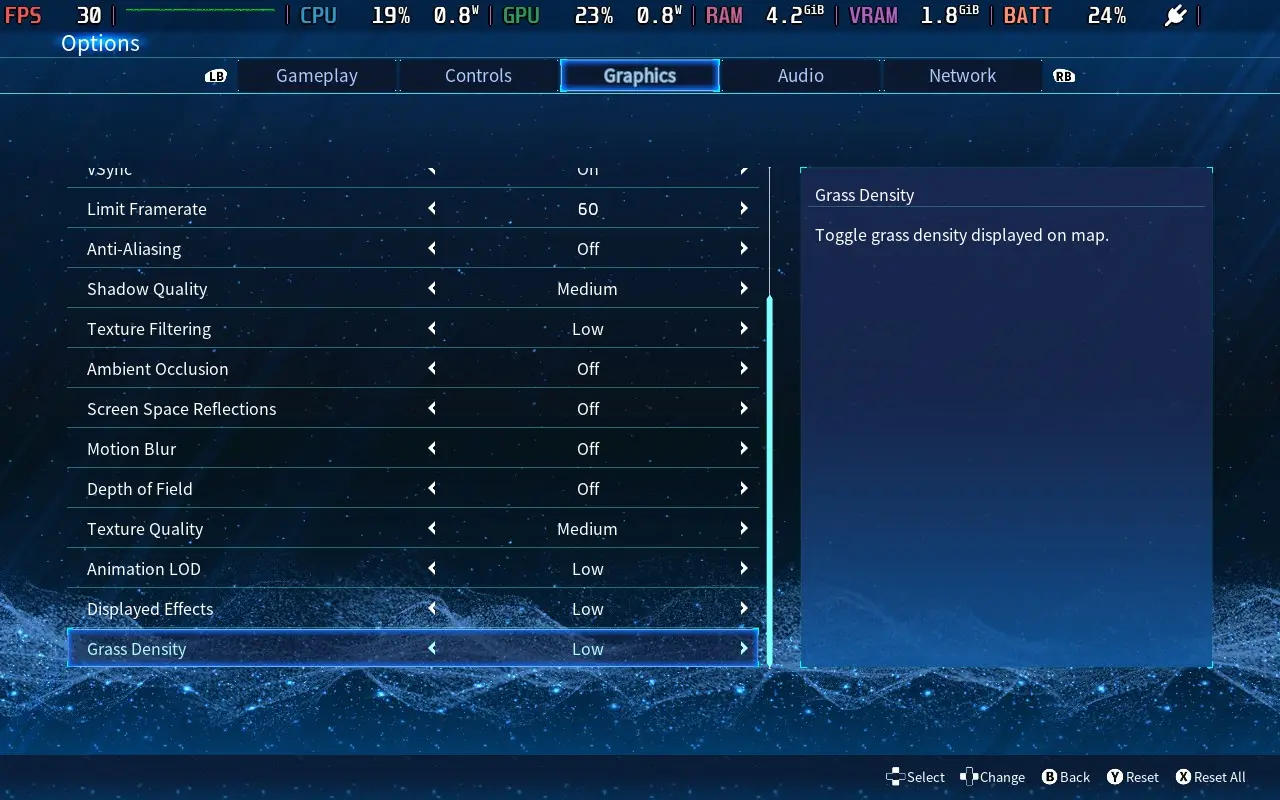
With these settings, we can have an almost completely stable 30 FPS in story mode. Some levels, such as those with dense foliage or lighting effects, have slight slowdowns. For example, an environment appearing in Chapter 2 drops to 27 FPS a few times during battle, but most environments will not drop from 30 FPS.
One problematic environment appears in Chapter 3. It has fog, which lowers the frame rate to the low 20s. Fortunately, it's a rare environment, and the combat areas tend to have less fog. However, this environment does appear in online play in some quests, which can cause issues there.
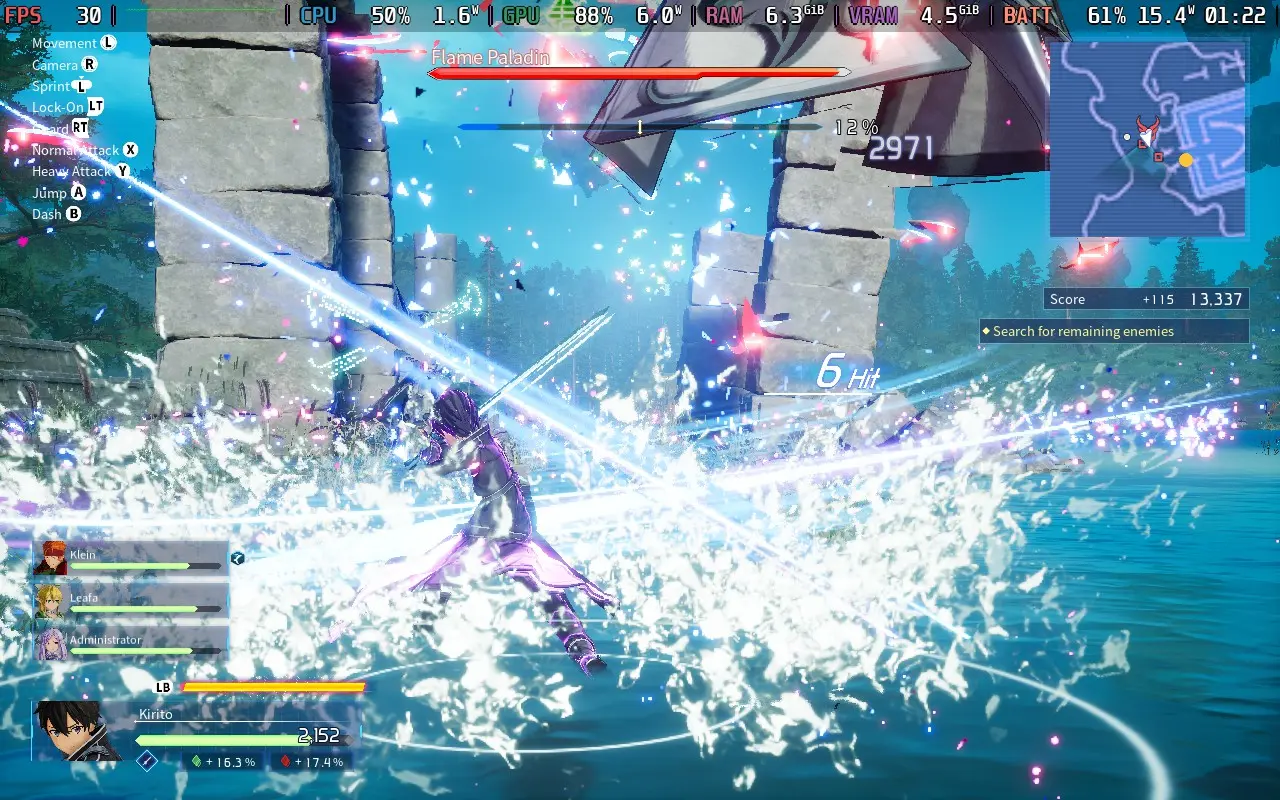
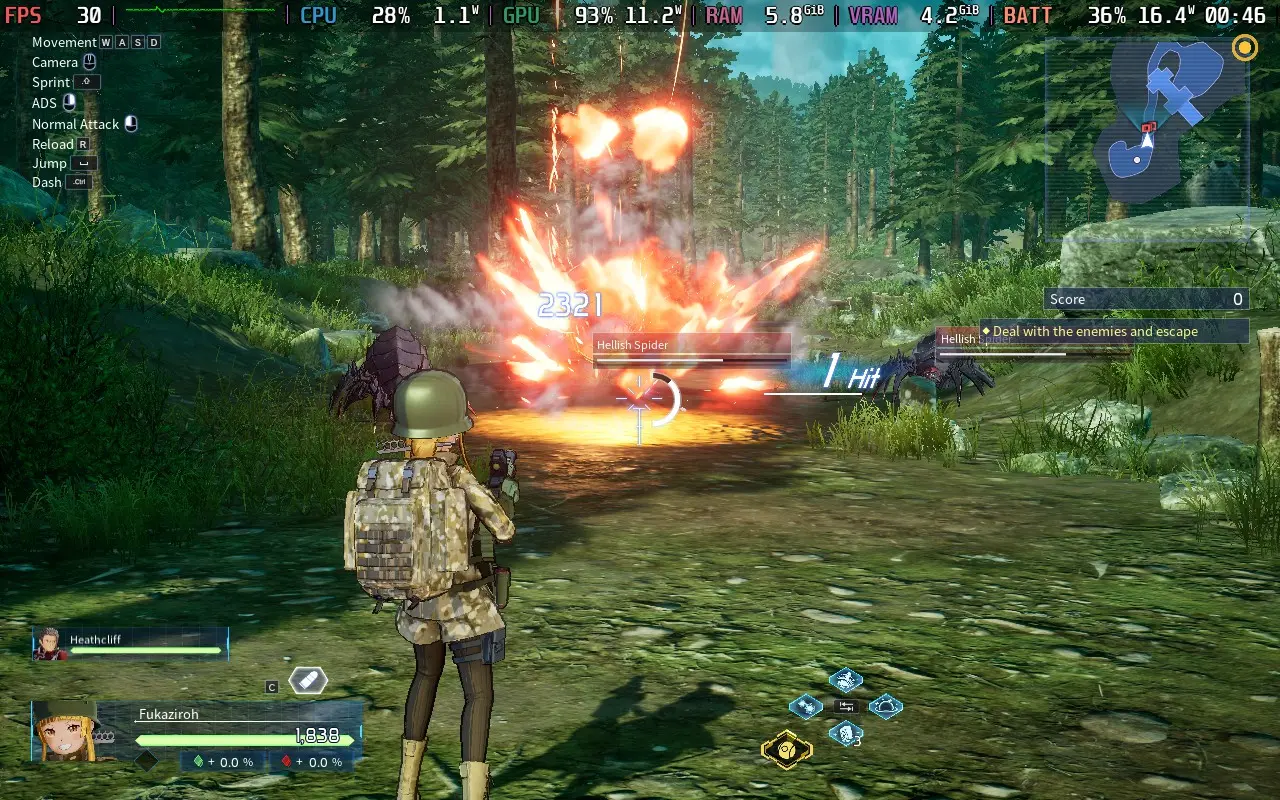
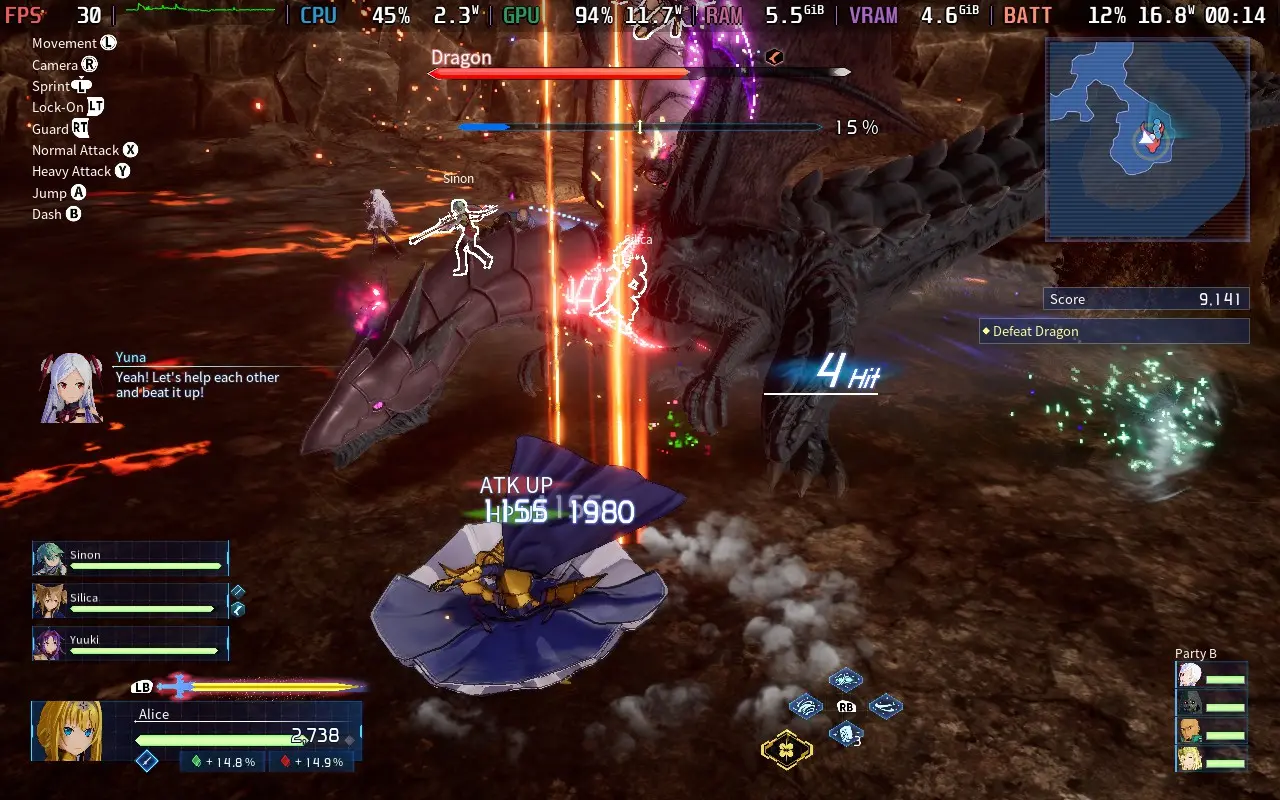
Sadly, my favorite part of the game, the online part, is the worst performing, and you'll want to turn Shadows down to "Low" to disable them. I also set my Resolution Scaling to 80%, which mitigated most of the dips in the frame rate. Even with shadows off and the 80% Scaling, you'll still see dips into the mid-20s when all 20 players are fighting a common enemy.
The saving grace here is that Fractured Daydream is not a game you "try hard" at. It's a reasonably casual experience, so even if you drop some frames, it isn't the end of the world, and it's unlikely to cause you to mess up or miss an attack, as the game is fairly forgiving.
Also, note that this isn't every map. The forest maps are often intensive. However, other maps, especially indoor ones, run at a constant 30 FPS, even online.
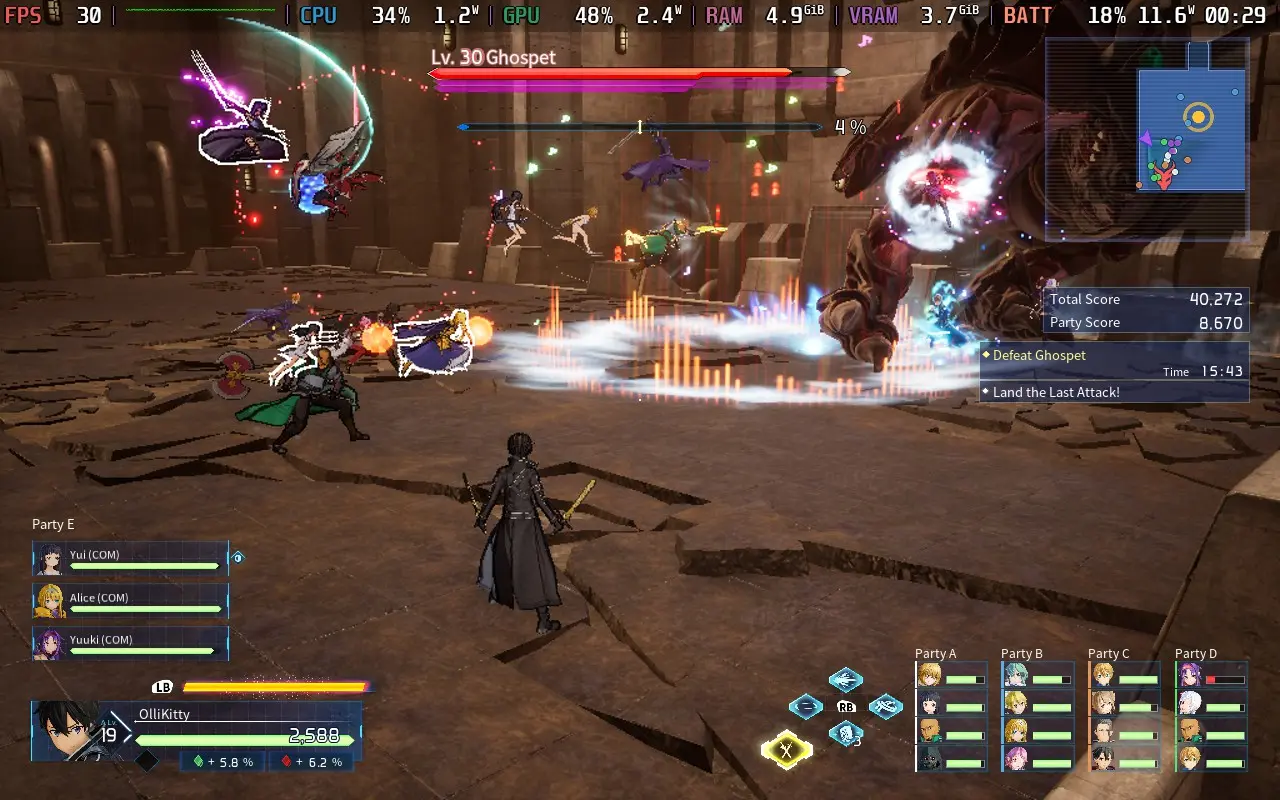
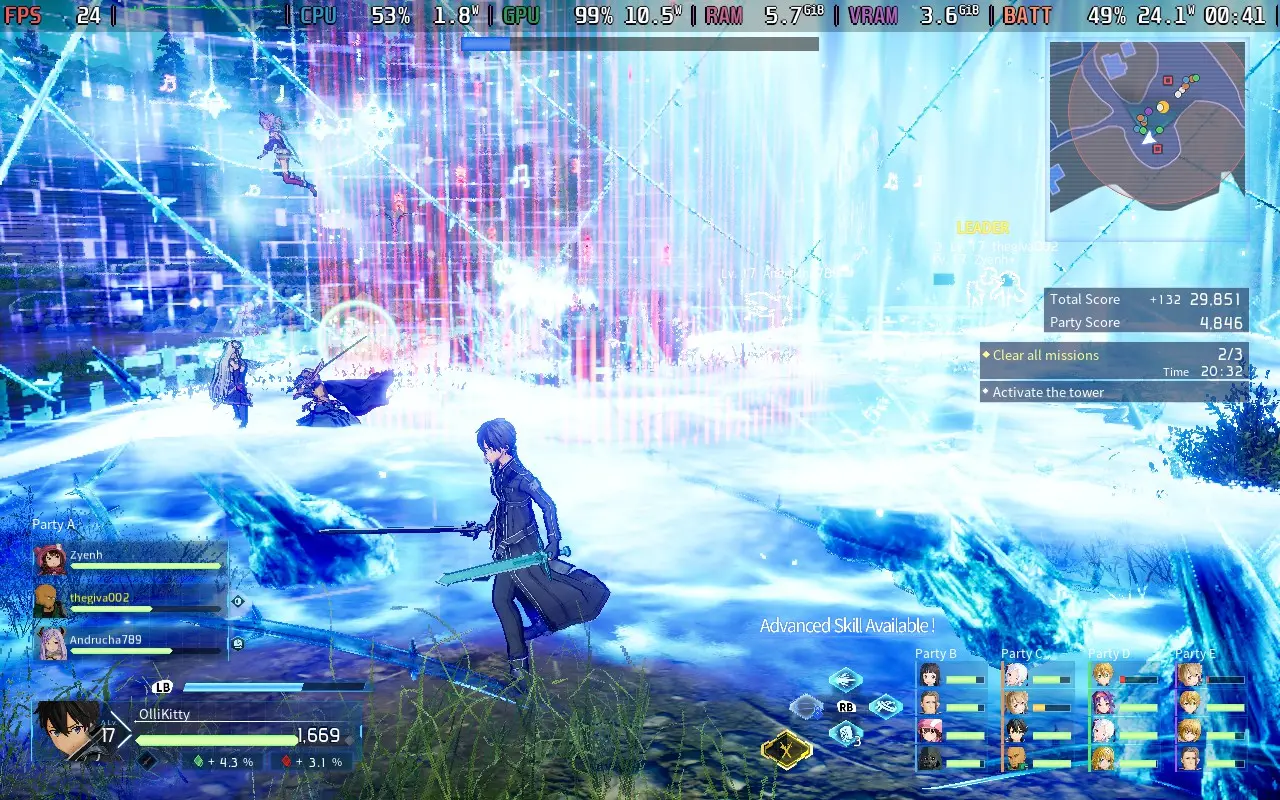
Power draw in the story mode often ranged between 13-18W, with some maps hitting 20-22W on very intensive moments. The online mode tends to stick towards the top end of these ranges. I saw mostly 16-22W during online play, with spikes to 24W. If you're playing story mode, expect 2.5 hours of battery from a Steam Deck LCD and 3 hours from a Steam Deck OLED. Online, you can knock 30 minutes off of each of those.
Temperatures are generally around 65-75C. In the environments that tax the Steam Deck, you can see temperatures up to 80C. The fan occasionally ramps up, but it isn't too bad.
You have a few accessibility options in Fractured Daydream. Namely, you can have an aim assist for ranged weapons, disable the screen shake, adjust camera sensitivity, and whether the camera controls are inverted.
You can also enable English Voice-Overs when players use quick commands in multiplayer, like pinging. This will ensure that the characters speak in English instead of Japanese when giving instructions.
SWORD ART ONLINE Fractured Daydream has a crowd that it caters to and caters to that crowd well, in my opinion. The story mode is designed with SWORD ART ONLINE fans in mind, with references to numerous anime story arcs and characters appearing with sound cues that signify that their presence is significant. Sadly, why their presence is significant isn't conveyed in the game, so your poor reviewer (who isn't an SAO fan) had to go look at a wiki to find out why this person appearing is such a big deal!
Fortunately, for non-SAO fans, the storyline is generally decent, the concept of SAO is easy enough to grasp, and you can sort of figure out what's going on as the story progresses. The gameplay also doesn't disappoint, with over-the-top visual effects firing off in every direction, making you feel like you're using weapons of mass destruction on that spider-looking thing about the size of a large dog.
Performance on Steam Deck is middling, and while the story mode largely runs well, you do have to put up with some pixelation due to the resolution scaling if you want somewhat stable performance in online play. However, the game is fully playable on the Steam Deck, with great controls and acceptable performance.
If you are a SWORD ART ONLINE fan, I don't think it would be a stretch to say that Fractured Daydream might be the best SWORD ART ONLINE video game yet.
このレビューはPC版に基づいています。
このレビューをお楽しみいただけたなら、SteamDeckHQ の他のコンテンツもぜひご覧ください!あなたのゲーム体験に役立つゲームレビューやニュースを幅広く取り揃えています。ニュース、ヒントやチュートリアル、ゲーム設定やレビューをお探しの方も、最新のトレンドを知りたい方も、ぜひご利用ください。