

11W - 16W





このゲームはスクウェア・エニックスからレビュー用に提供されたものです。ありがとうございました!
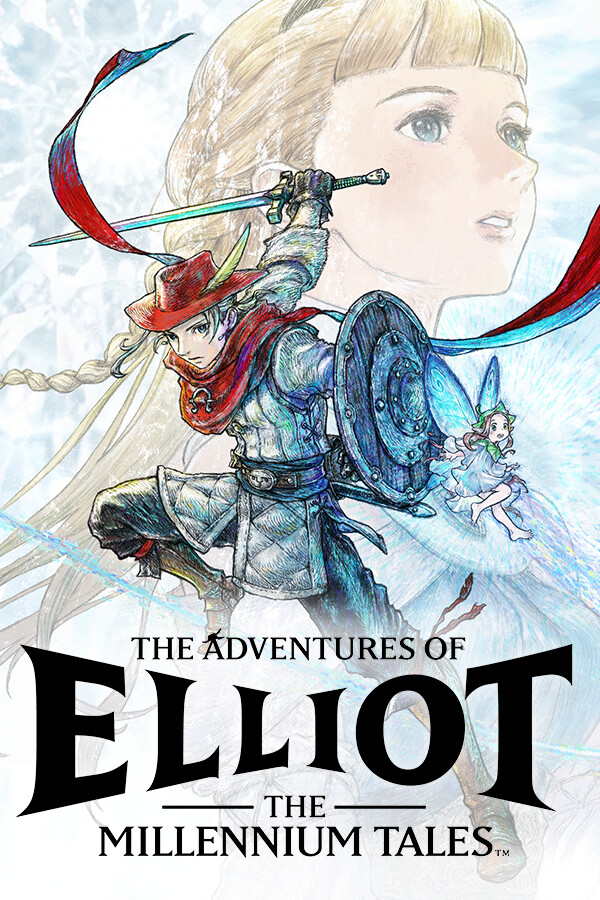
The HD-2D art style that Square Enix has coined is one of my favorite art styles for older-styled JRPGs. We first saw it for Octopath Traveler, and we most recently saw it for the Dragon Quest 1-3 remakes. However, we’ve only seen it used in turn-based titles. With The Adventures of Elliot: The Millennium Tales, this changes. This is a big shift from the usual JRPG style we have seen from this style, and moves into real-time action adventure systems. However, what comes out is an experience with interesting ideas that don’t always come together when they need to.
More specifically, it feels like with every aspect of the game, there are negatives that harm the systems in place. Some hurt more than others, but they all feel impactful when put together. Still, despite the issues, it’s still an enjoyable tale that gets better over time and can still be fun.
I would consider the strongest aspect of the game to be the story. It’s an interesting premise, where we travel across different eras to save our own. We play as Elliot, an adventurer who is initially tasked with investigating a doorway that can send us backward in time. However, after a betrayal, we are thrown into the past, where we will need to get enough power to push back and save our kingdom.
Without spoiling anything, the story takes some turns and continues further than I expected, and I found it very enjoyable. The cast of characters we made are interesting, and the mystery surrounding Elliot kept me engaged. A good chunk of the side quests were intriguing, pushing out the law further. Whether it’s getting a little bits of Leyka’s previous life before the orphanage or seeing more of Diona’s relationship with someone she cares about, it’s fulfilling and meaningful to learn about these characters. It helps that a good chunk of these side quests have great rewards, but they also tell some great stories to further the lore.
I do like our protagonist, but I’ll admit, I was a little disappointed. In the intro, he was described in a way that seemed like he was a little weird or aloof. I started to expect Elliot to have more of an interesting personality, but he ultimately felt like a cookie-cutter hero who wants to help everybody. It does the job, but he wasn’t as interesting as I expected. It felt like most of the conversations that he took part in were very predictable, with his reactions always being one of concern and wanting to help everyone involved.
The companion dialogue throughout the game also felt a little bit awkward. Almost the entire time, our companion was commenting on everything going on, including notifying us of enemies and combat, but Elliot never responded. It was like she was talking to the air, and it would’ve gone a long way for Elliot to make light conversation as we continued progressing through the story.
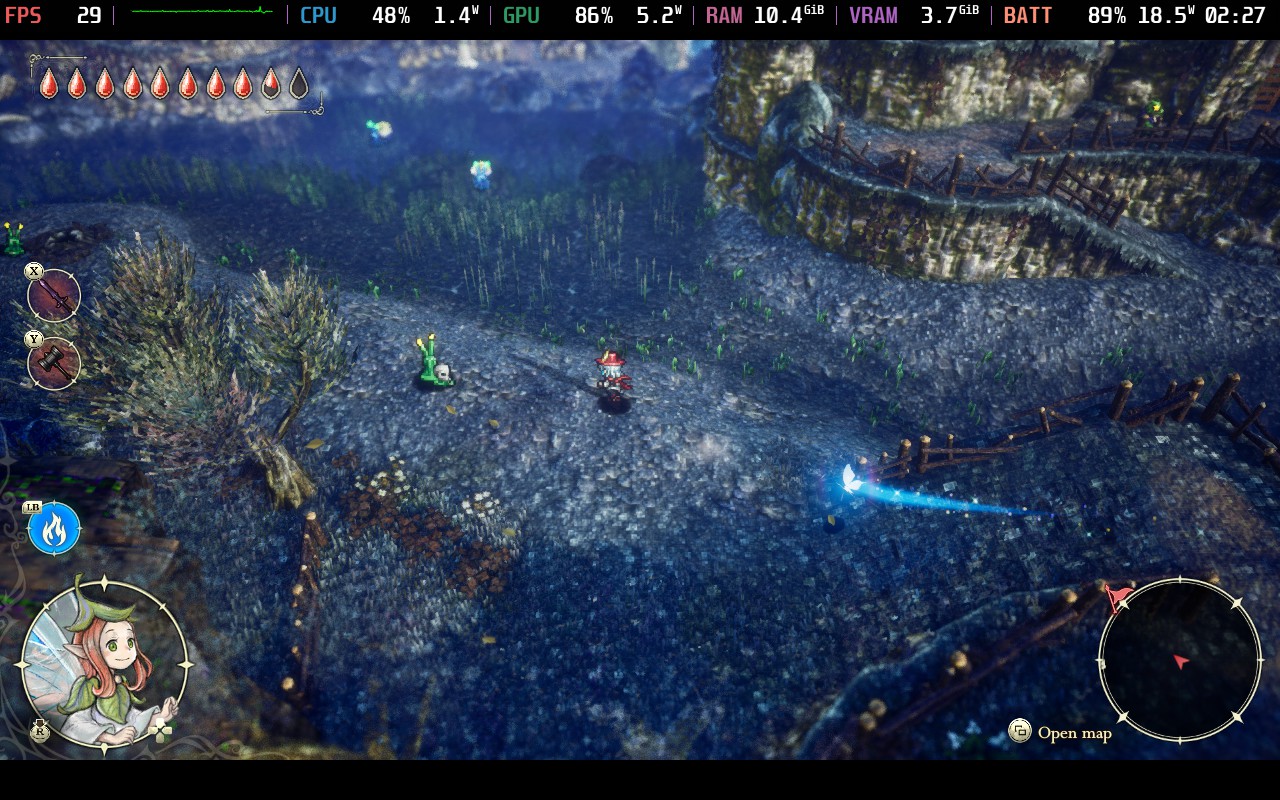
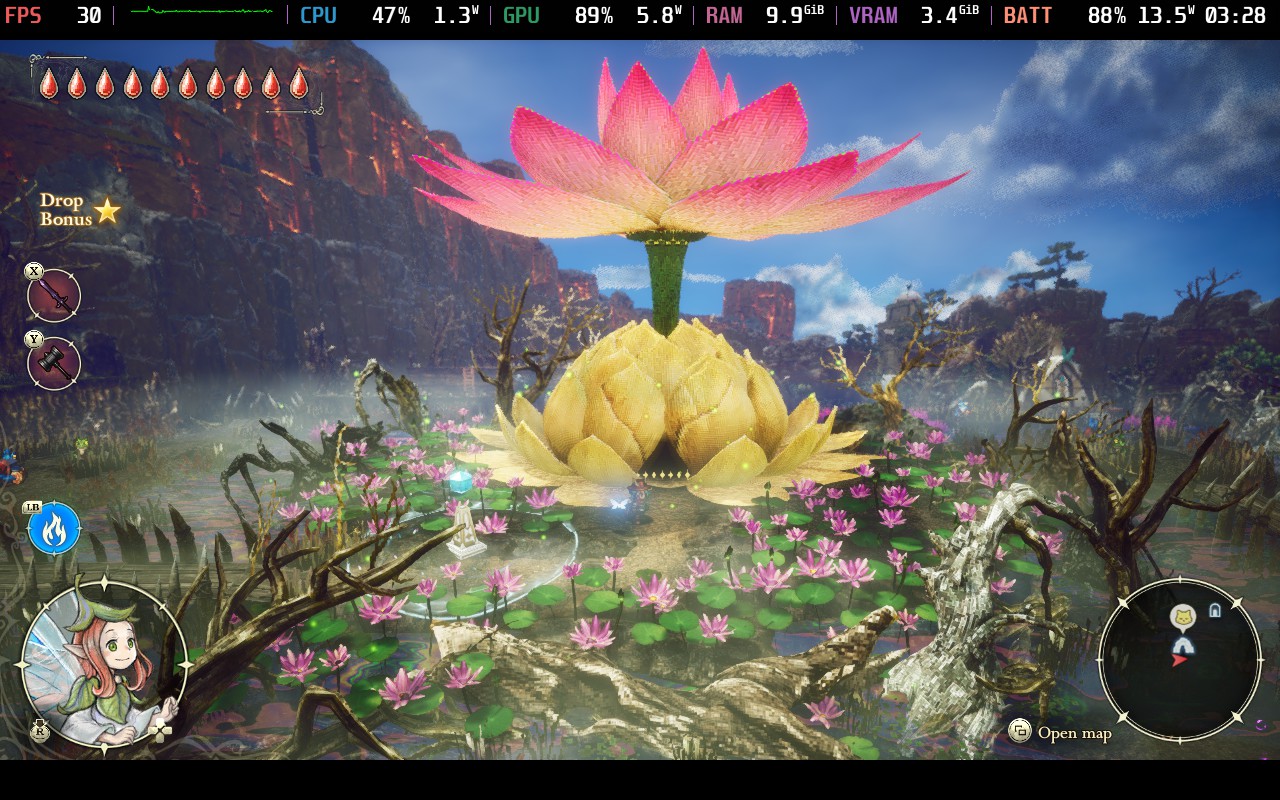
I will go on and on about the HD-2D art style and why I love it so much, and The Adventures of Elliot continues to solidify my love for it. The contrast between the pixel art of characters and foliage and the 3D backgrounds with minor pixel filters on them makes each scene pop. Each area, each biome, in each version of the kingdom in all of the eras shines vividly, popping with color and beauty throughout.
However, I do wish there was more distinction between each of the eras. Apart from the kingdom and some lighting differences, not much changes in the overall landscape of the continent. It makes sense why, but at the same time, it makes traveling around feel like a chore with little to no changes. It felt like I was going through the same areas over and over, and I would’ve loved to explore new lands.
Then we have combat, which is hit-and-miss in different ways. The shift to real-time mechanics in The Adventures of Elliot is a bold one that doesn’t always hit the mark. We have two weapons we can use at any given time and can swap out on the fly, a shield to block with, and an ability that our companion fairy can use. Each weapon has a basic and charge attack, while our fairy has five different abilities we can choose from to use.
The core of the combat is basic, and always feels that way to some degree throughout the game. You will only be using your weapons for either a weak or charged attack to deal damage and block with your shield, and it doesn’t get much deeper than that. 3 of the 5 fairy skills are meant for solving puzzles throughout the world and traversing, so there are only two that can really help in combat. And with how difficult it is to control in the midst of battle, since we have to use the right joystick to move the fairy manually, I generally didn’t touch the fairy much during battle.
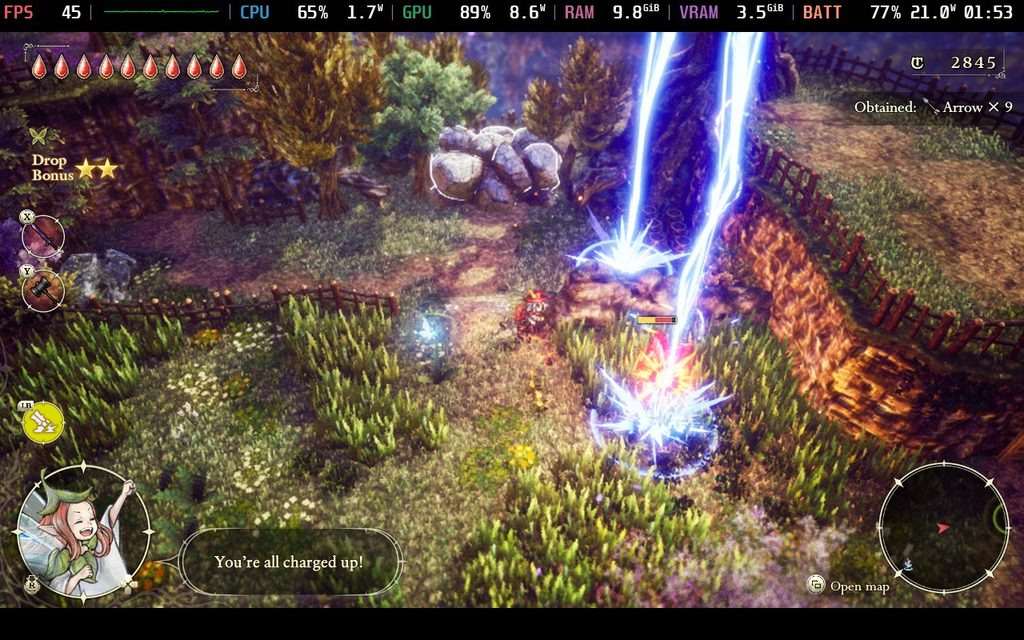
The depth of combat is supposed to come from the Magicite system, which does make it more enjoyable to a degree. As we fight enemies and kill bosses, we will pick up shards that we can use to form Magicite. These are abilities that we can attach to each weapon type, influencing it and its stats to some degree. Some of these will be simple, like increasing attack or critical rate, while others could change up how the weapon is used, like fireworks coming out of the bomb before it explodes or lightning coming down from the heavens after using the charged hammer attack. Each Magicite has a number value attached to it, so you can only equip a specific number at any given time.
I like this system a lot, and it can really change up how we use the weapons we have. They do more than just make them more powerful, adding special effects that sometimes have negative trade-offs for significant boosts. The value system gives us a lot of room to experiment, especially as we use the currency we get from killing enemies to increase the amount of Magicite we can equip. And the more Magicite we form, the chance of getting super rare Magicite grows. It’s like a gacha system, where we have to keep rolling and hope to get great items; the chance of getting better items goes up the more we do it.
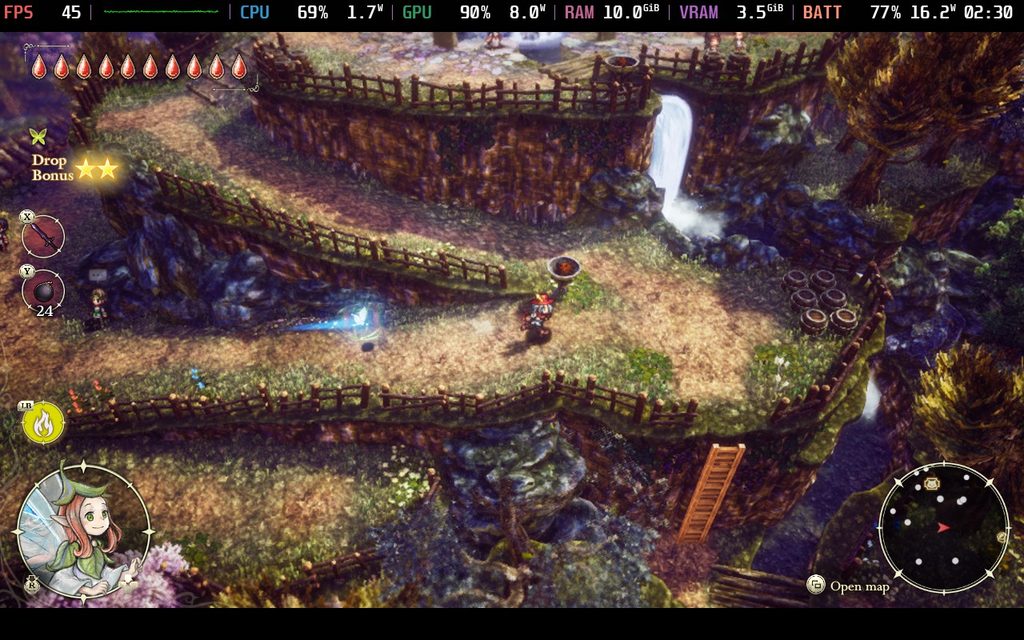
However, it doesn’t take away from the core basic combat, which can still bring down the enjoyment of slaying enemies. The currency we have is also quite limited in its use, only being used to buy accessories to equip or potions to fill up our glass phials, other than Magicite improvement. The Magicite system adds more depth, but not enough to change up the core system to keep the experience enjoyable for the long-term.
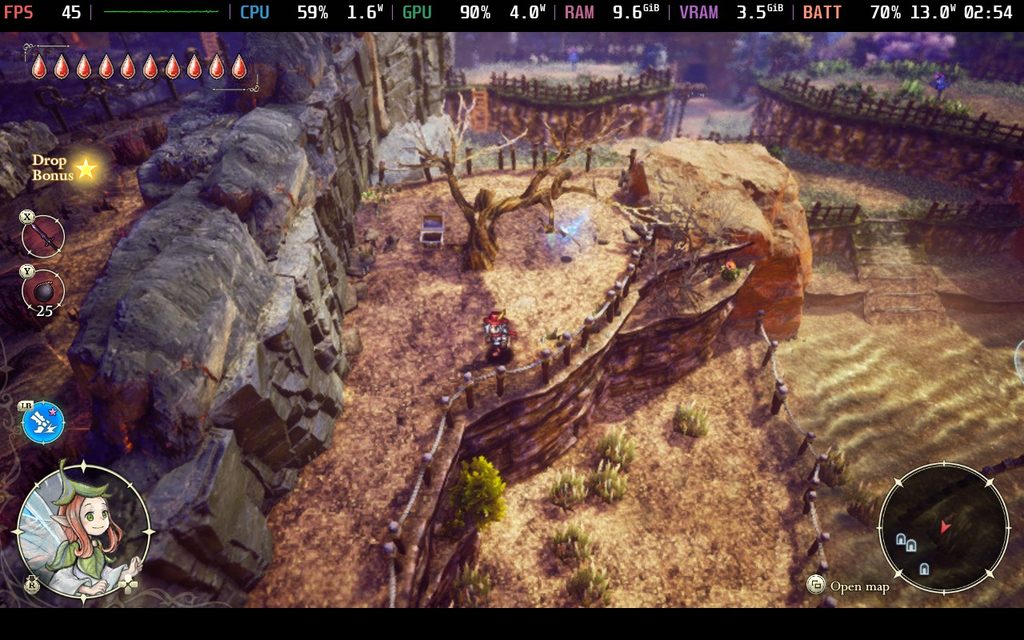
Outside of combat, there are going to be challenges that we can find throughout the map. These can range from finding new Shards of Life to increase our maximum health, get new powers for our fairy, and participate in challenges to get more Magicite Shards and accessory slots. There are also loads of treasure chests spread throughout the map, which will be a nice little way to get more currency and shards. Exploring around the world can be fun and fulfilling, but as I mentioned before, it does get tiresome when it feels like we are seeing the same environments and layouts over and over.
The Adventures of Elliot is a joy to play on the Steam Deck, and it can actually be quite malleable to configure. I had a tough time deciding what my favorite way to play the game would be, especially since I played half the game on the High quality setting at 30 FPS and got used to it. However, after a lot of back-and-forth testing, I know which way I would recommend playing this game.
After going back-and-forth with which way I preferred to play, I settled on a mix; they gave me the best of both worlds. I loved how the game looked on high settings, especially with the shadows, but I also loved how the game felt with a smoother framerate. So, by keeping the game on the high-quality preset and bringing down the resolution scale to 65%, we can get a great-looking game that feels smooth at a 45 FPS lock.
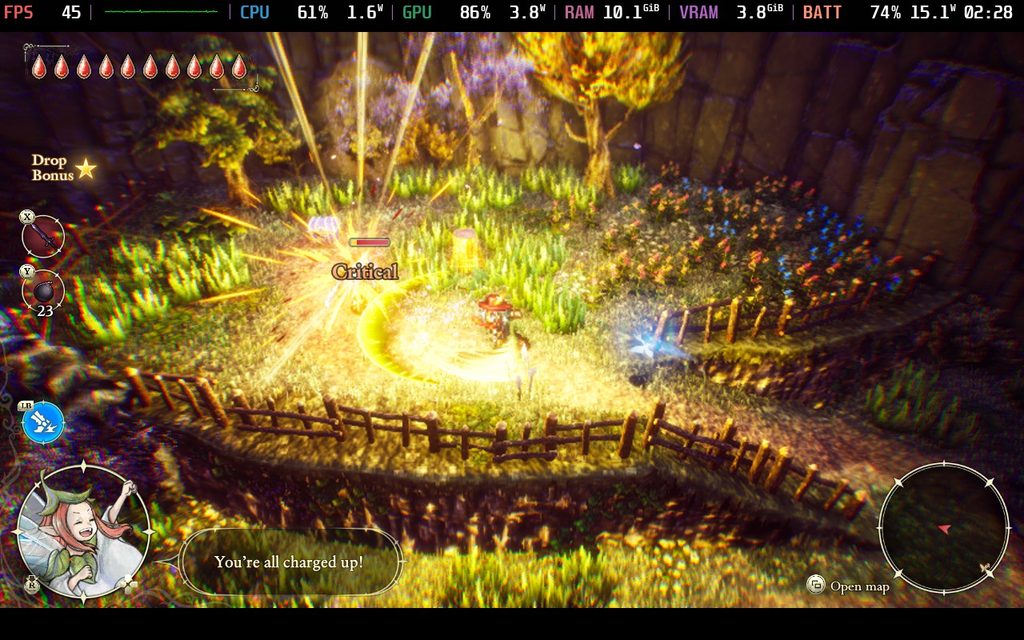
Some might see 65% resolution scaling and think that’s a little low, but not only is it necessary for a stable high framerate, but because of the pixel art style, it doesn’t make the game look awful. In the end, this was by far my favorite way to play the game, thanks to how much better it looked, while still keeping the high framerate.
I didn’t try to change many settings more specifically here because I was able to keep everything at the high preset. I preferred to have the game look good at high settings with the resolution scale dropped down, since it didn’t hurt the overall quality as much as other settings did.
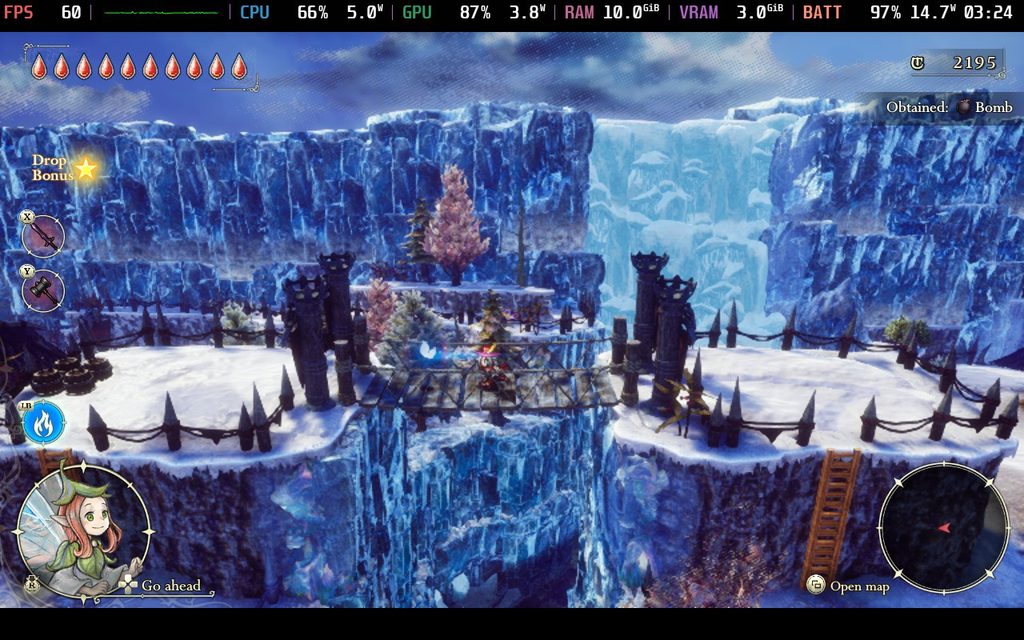
If you wanna play at 60 FPS, it is possible, and it’s actually the way I enjoyed playing the game the most right behind the recommended settings. By turning the graphical quality settings to low and setting the resolution scale to 60%, we can get a solid 60 FPS with some pretty low battery drain and a decent-looking experience. The only reason this isn’t my recommended settings is purely that 45 FPS feels wonderfully smooth, and we can keep the game at the high preset for its gorgeous visuals.
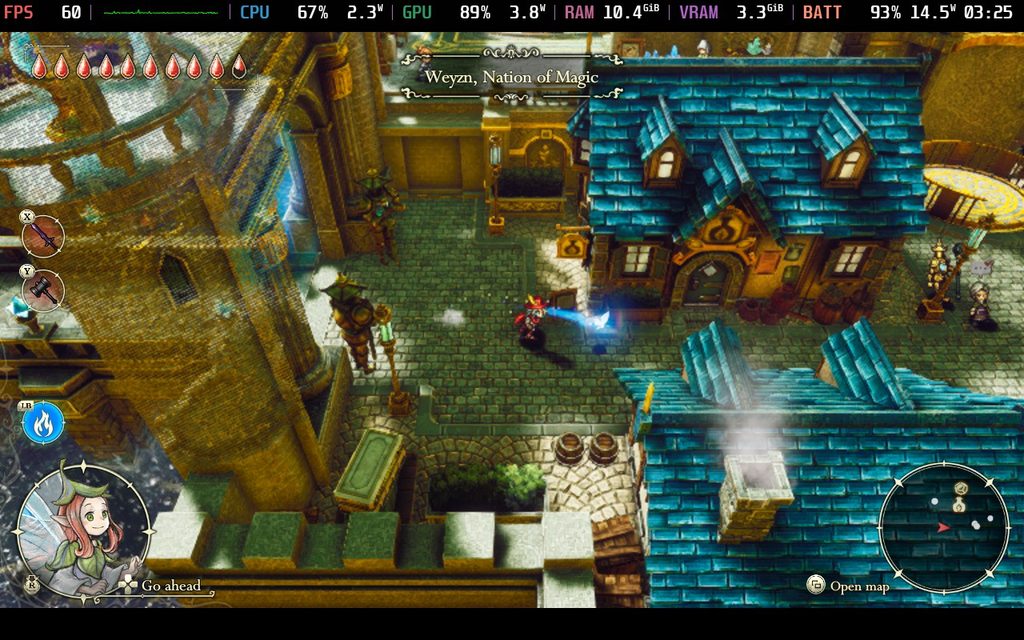
The contrast between low and high settings isn’t as apparent in the open world, but as soon as you head into caves, it becomes very noticeable. It actually didn’t bug me as much until I saw the difference before and after; it was just how much I was missing from the high preset. This is what led me to try finding a middle ground, which I ultimately ended up doing, and that became my recommended settings. Still, this is an option for those who don’t care about the visuals and want the smoothest possible framerate.
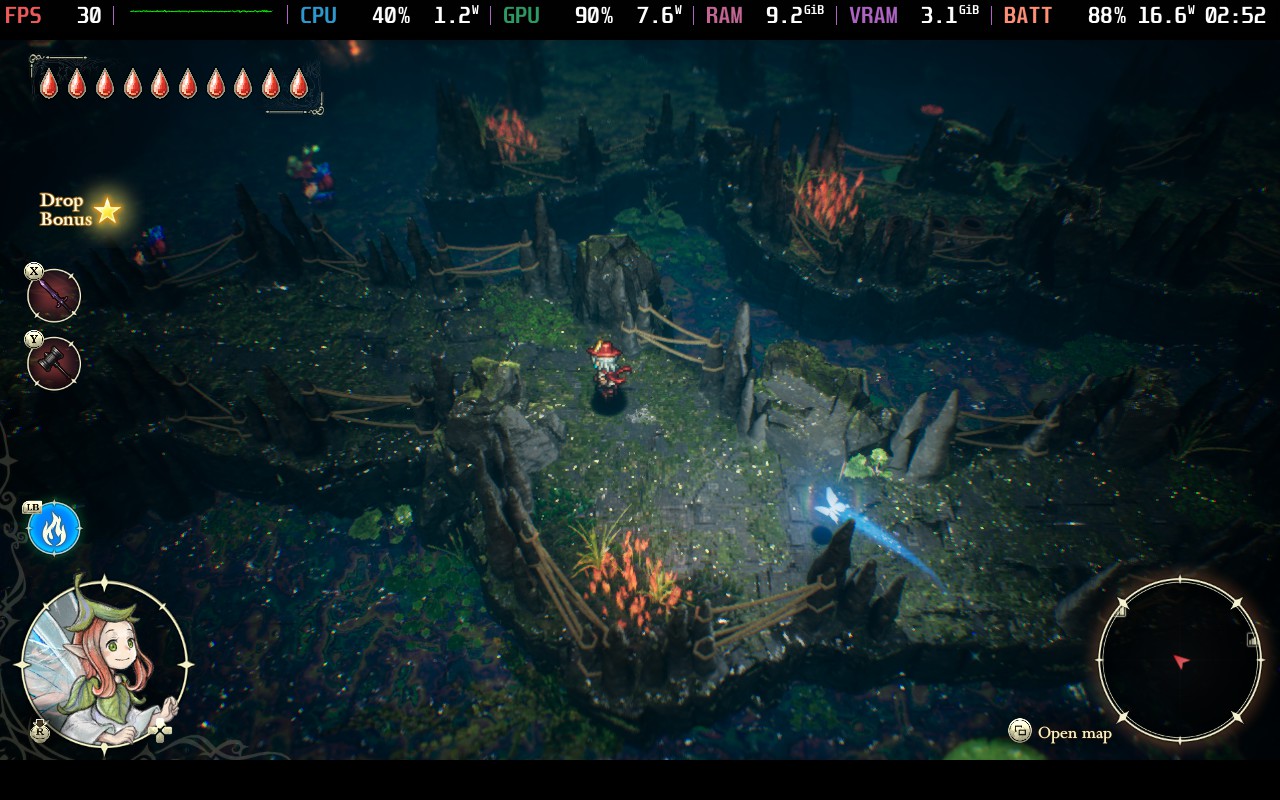
Finally, for those who wanna play at the maximum quality settings, it will be possible, but you will need a 30 FPS cap. There’s no way that we could play at any higher, as there are regular drops below 40 FPS, but not really any drops below 30. It looks and feels great, and this is actually the way I played a good chunk of the game initially. However, as soon as I got a taste of higher framerates, there was no going back.
The Adventures of Elliot: The Millennium Tales shows Square Enix taking some bold new directions, but they aren’t fleshed out enough. The overall story and side quests are great, and the Magicite system gives us some nice customization on how we use our weapons. However, it doesn’t stop the combat from feeling basic and repetitive, and there are some little holes here and there in the story experience. And while I love the visual style, there wasn’t enough distinction between the eras to make it feel unique the longer we play. There is still a fun game here, but each part of the game feels like there’s something missing.
However, the game runs perfectly on the Steam Deck, and with various ways to customize the experience, there will be an enjoyable way to play for everyone.
このレビューはPC版に基づいています。
このレビューをお楽しみいただけたなら、SteamDeckHQ の他のコンテンツもぜひご覧ください!あなたのゲーム体験に役立つゲームレビューやニュースを幅広く取り揃えています。ニュース、ヒントやチュートリアル、ゲーム設定やレビューをお探しの方も、最新のトレンドを知りたい方も、ぜひご利用ください。
The Adventures of Elliot: The Millennium Tales has a lot of great ideas and a wonderful story, but the basic combat and minor issues here and there hold it back from greatness. However, the game is fantastic to play on the Steam Deck.
制限
60
リフレッシュ・レート
60
HRS
ノー
TDPリミット
いいえ
スケーリング・フィルター
リニア
GPUクロック
無効
強制的な互換性はない
Low Quality Settings
60% Resolution Scaling
11W - 16W
55C - 60C
3~3.5時間
制限
30
リフレッシュ・レート
90
HRS
ノー
TDPリミット
いいえ
スケーリング・フィルター
リニア
GPUクロック
無効
強制的な互換性はない
High Quality Settings
100% Resolution Scaling
11W - 117W
55C - 65C
3~3.5時間