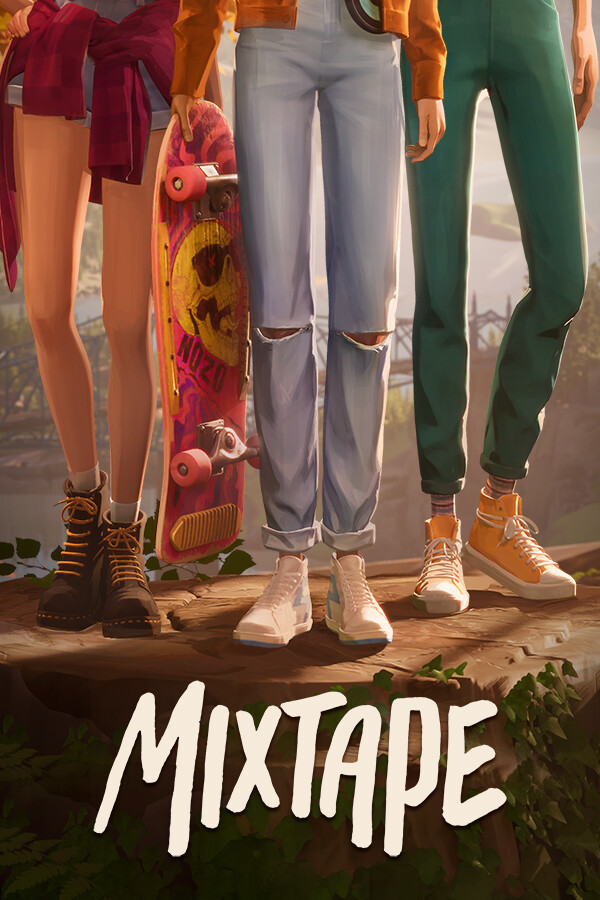
Mixtape doesn’t adhere to what defines a video game in a traditional sense. In fact, it almost ignores the question entirely, and that’s what gives it its own unique identity.
This is a relatively interactive, relatively indie experience published by Annapurna Interactive, a publisher known for its unconventional take on video games from within the industry, such as Stray and People of Note. As someone who enjoys artistry in games and walking sim-esque experiences, I was immediately intrigued the moment the game was announced. After a surprisingly short three-hour binge session, the credits rolled, and I was left with mixed feelings that deserve a thorough unpacking.
Mixtape is a coming-of-age story centered around three teenagers standing at the edge of adulthood, trying to figure out who they are while slowly drifting apart from the world they grew up in. Set against a backdrop of the 90's rebel culture, the game captures that raw, restless energy of youth where everything feels loud, chaotic, and ironically temporary.
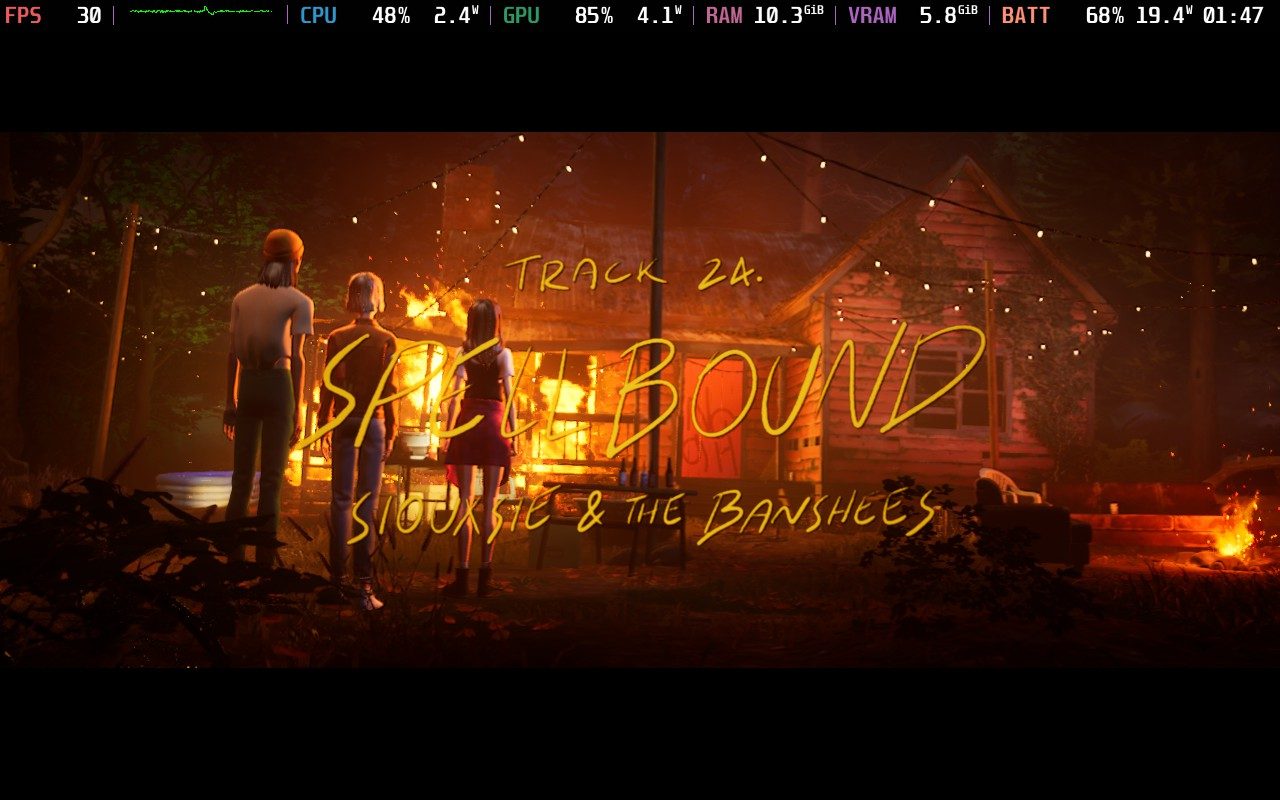
The story structure is uniquely categorized by song tracks, aka a mixtape, as the name suggests. While experiencing the characters' past adventures, they all have corresponding songs that represent the reflective ambiance of the scene or environment. That makes music not just a background element; it is the backbone of its storytelling. Each track defines each scene meticulously, shaping how each memory captures the character's emotion.
When it comes to these types of narrative-focused, visual novel-like games, story is everything. And honestly, I really liked it. The characters and their issues feel extremely real, and it connects to the player both on a heartbreaking and nostalgic level.
The main character, Stacy Rockford, is grappling with their deeply flawed traits while also capturing common human pitfalls like jealousy, ego, greed, and selfishness. Those reflections allowed me to empathize with her and care for both her and other distinctive characters' narratives.
What I disliked about this was the inconsistent flow of the story. After an emotional scene, a radio-like character introducing the next song, “our next track is this, it was a hit in bla bla,” feels slightly jarring, creating a slight pacing issue that hurts the overall immersion felt by the scene just before it.
After making my way through Mixtape, the story felt extremely short, and all the powerful cutscenes felt rushed and lacking an emotional “punch” that was to be expected. In many ways, it needed a bit more time to build up and properly connect with the characters. That being said, this isn’t a case of bad writing or poor execution. It feels more like a game that simply didn’t give itself enough space and time to fully land its emotional weight and poise. The foundation is strong, but the impact never quite reaches its expected heights.
Nonetheless, I really loved what was accomplished with its narrative direction. Fresh, artistic, and overall like a unique, bittersweet little experience that lingers more than it explodes.
Let's dive into the most controversial and weakest part of the game, the “gameplay” of it all. Honestly, I would say there is barely any gameplay in this game whatsoever. It feels more like a physics showcase demo, or a visual novel with an artistic edge, rather than an actual game.
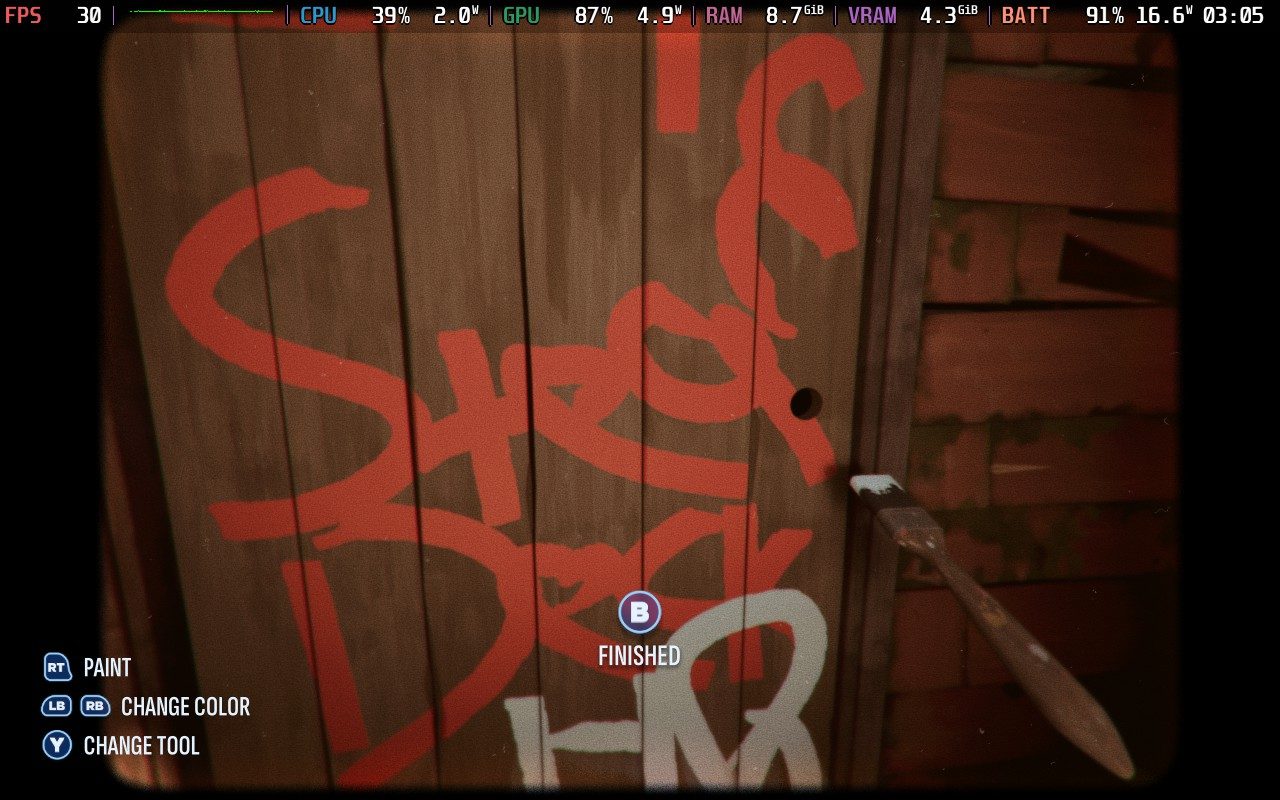
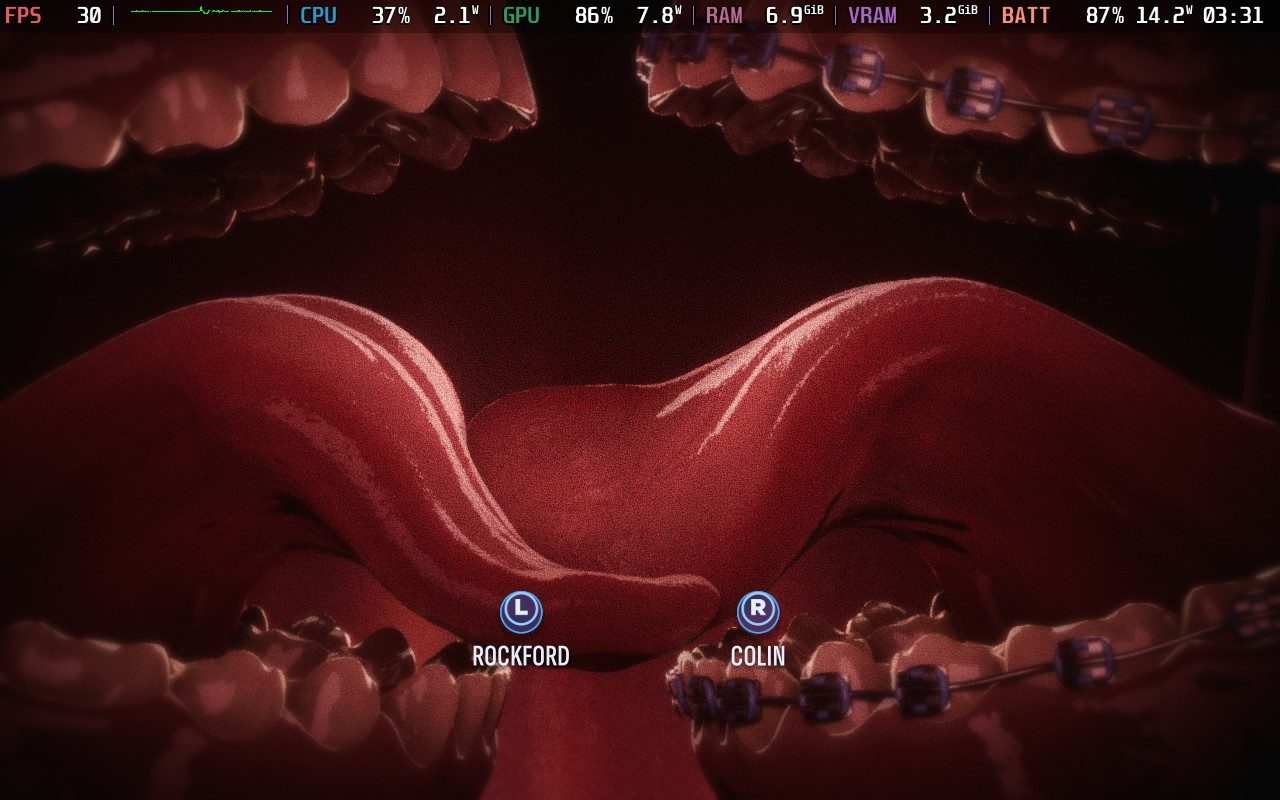
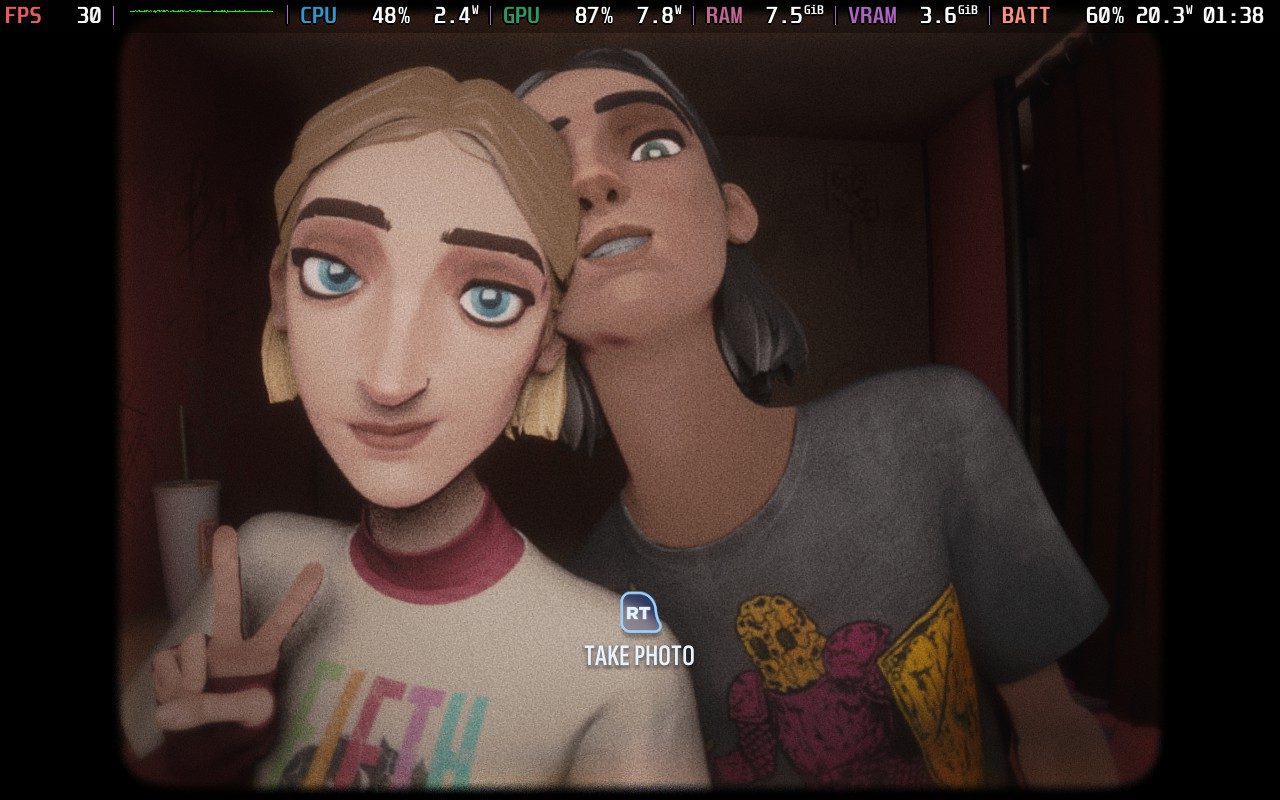
Every gameplay section consists of either walking or quick time events. You press buttons at a moment's notice, carry objects, take photos, flip the bird, bang your head in-sync with music, perform stylish skating moves, and go through a close-up, slightly disturbing French kiss sequence. Exciting stuff.
Beethoven & Dinosaur have done an excellent job with what they are trying to achieve. The physics interactions and overall quality are some of the best I’ve ever seen, but it feels lacking as a video game, something I'm meant to interact with.
In most games, I can find a “game” aspect because your choices matter, you can actually fail certain moments, and the player remains engaged. Here, there are no choices whatsoever. You can’t really fail, change, or influence anything. You are essentially watching a movie while occasionally pressing buttons or walking.
These may present themselves as flaws, but in reality, they are design choices meant to force the player to focus on the narrative, music, and a relaxed emotional flow without stress. However, some of these “gameplay” sections feel so long and stretched out that they start to contradict that intention and become extremely boring.
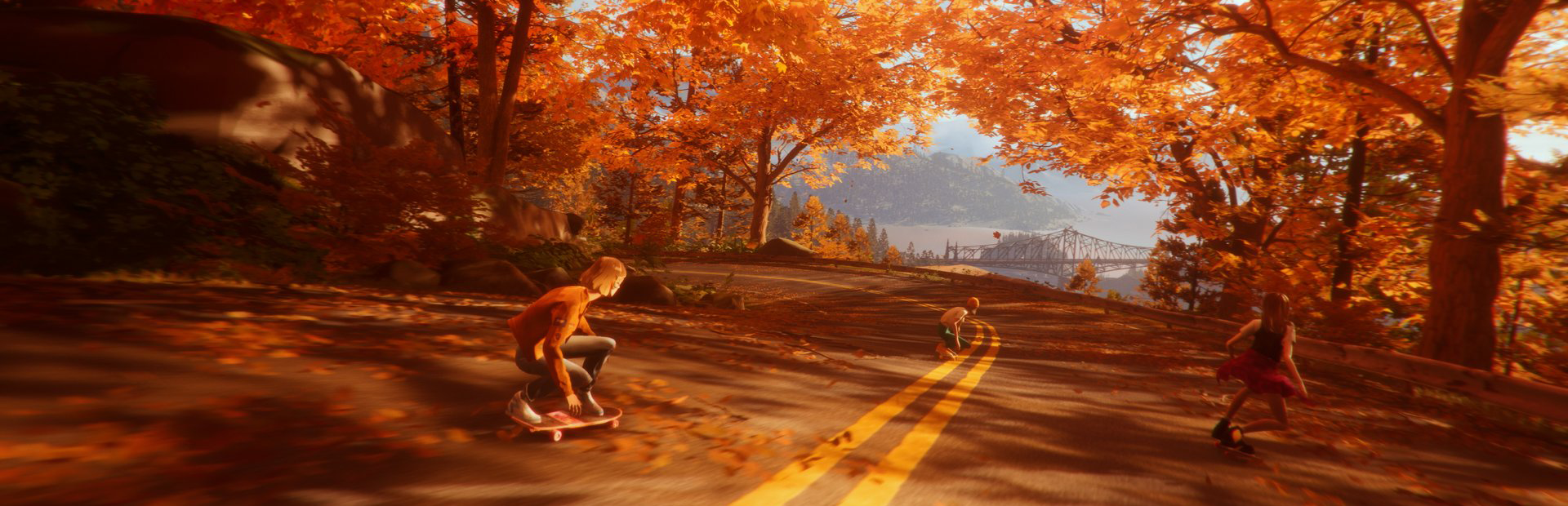
When it comes to graphics and artistic direction, Mixtape is simply breathtaking. It masterfully blends a stylish surreal art style with modern, beautiful lighting and image quality. Incredible lighting and image quality, combined with awesome physics interactions, creates something that looks breathtaking.
Character movement in particular is inspired by stop motion animation such as Corpse Bride or Wallace and Gromit. And when it’s a game based purely on 90s nostalgia, it's hard to imagine any other way. Though I must admit, at first it made the game feel a bit laggy, but you get used to its style pretty quickly.
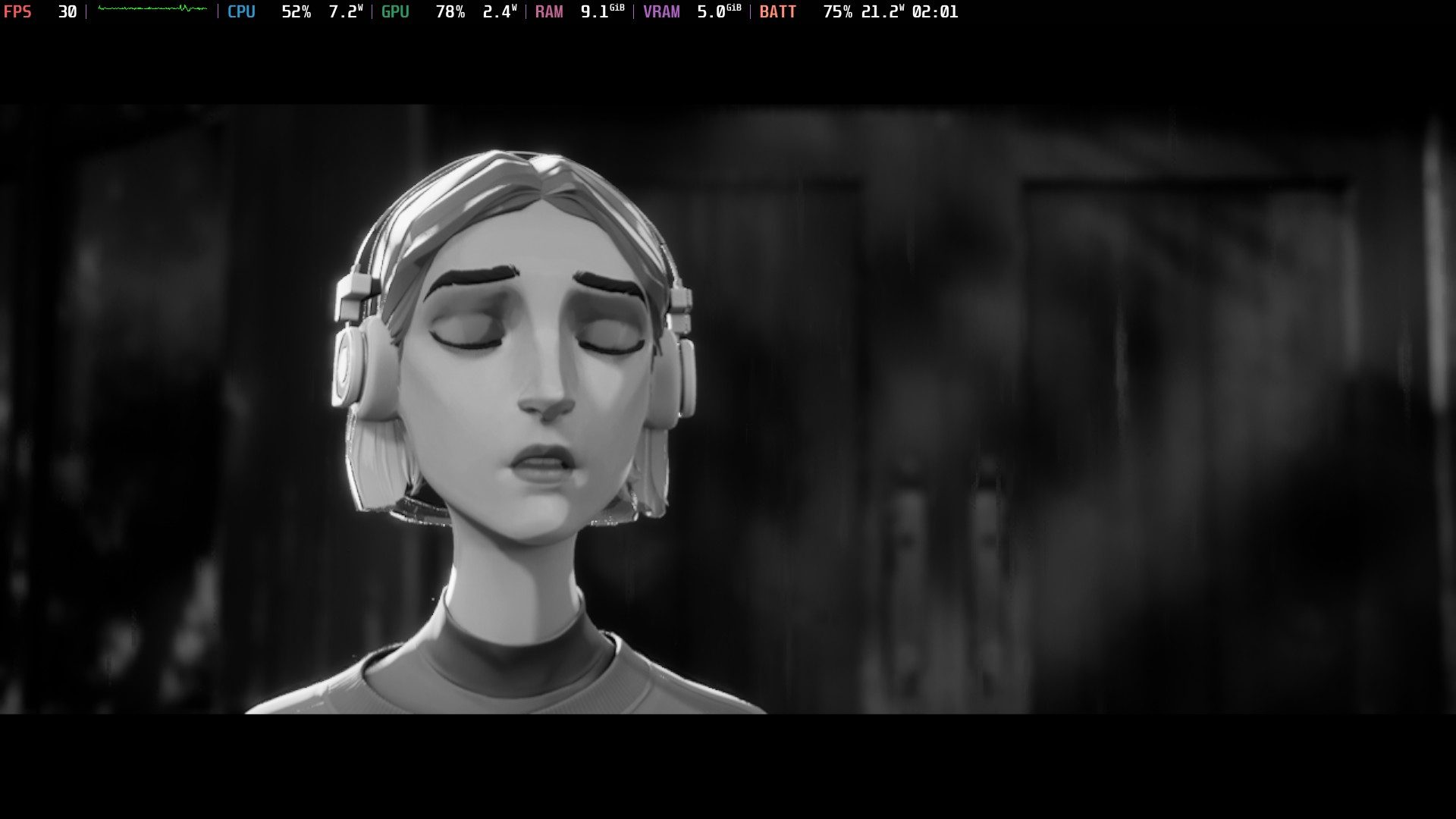
The greatest part of the visuals, though, is the colors. The game is so beautifully vibrant and colorful during positive narrative moments, and it shifts to darker, grittier tones with more artistic lighting when dramatic events unfold. That way, the game hooks the audience through its artistic direction directly, with little built around it.
If a game called Mixtape had issues with its sound and music department, it would be catastrophic. Luckily, it truly does it justice.
Both the 25 licensed tracks and the original OST sound amazing in-game. It introduced me, as someone not familiar with the bulk of the music, to tons of bangers that I added to my personal playlist. The sheer quality of the soundtrack is not the only strong point; it’s how perfectly it is matched with the narrative that makes it so special and memorable.
Voice acting and sound effects also work flawlessly. The overall game is really an ear feast, and I highly recommend playing it with headphones to enjoy the full depth of what the game is aiming to deliver.
Mixtape - Steam Deck Performance
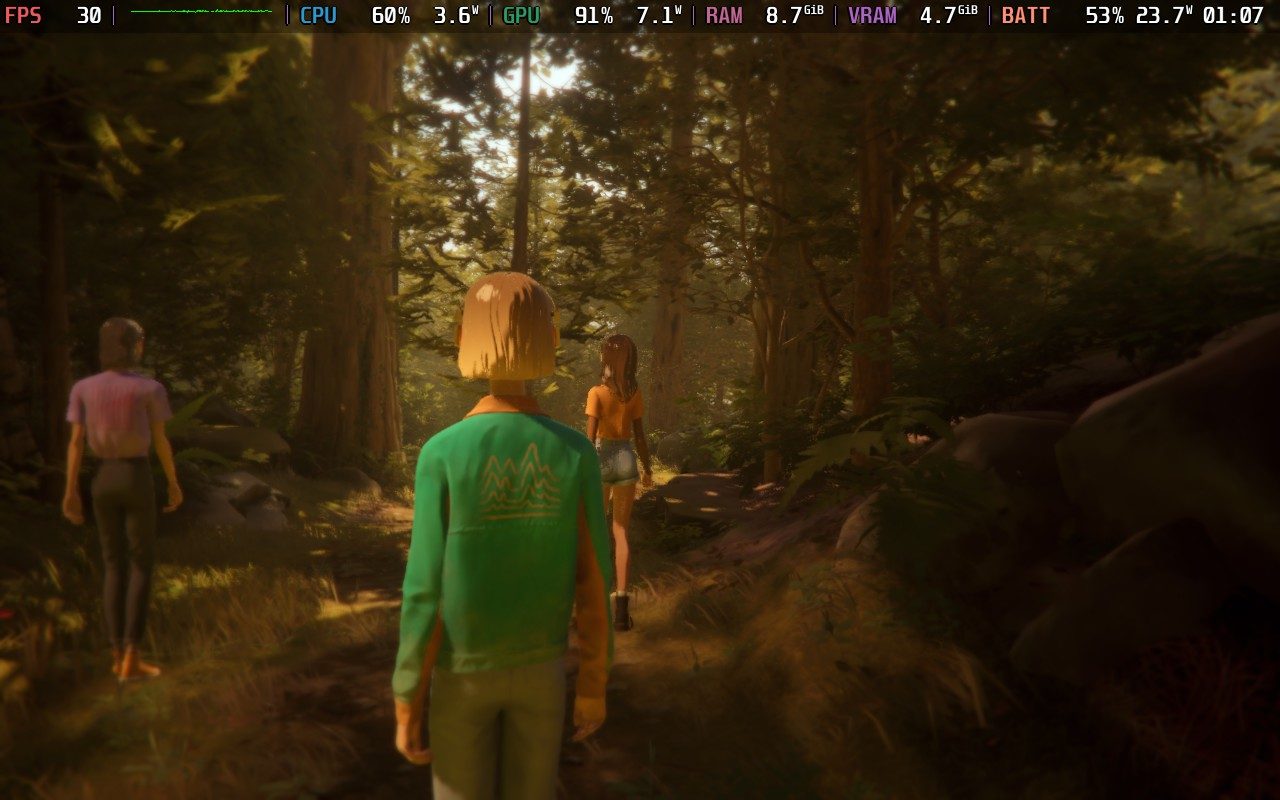
When it comes to indie games, they usually feel right at home on the Steam Deck. Unfortunately, Mixtape uses the Unreal Engine 5, so running the game at 60 FPS with higher settings was never really realistic on a Steam Deck.
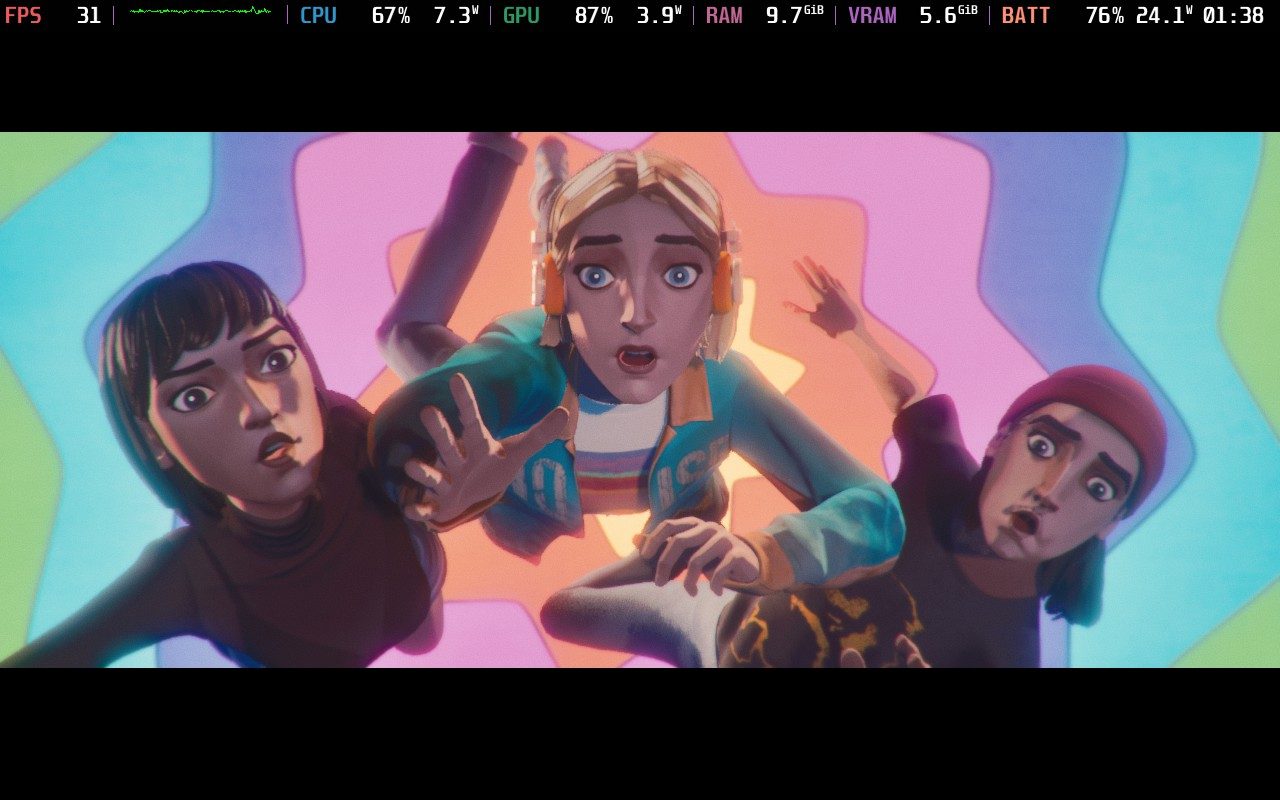
Fortunately, the game is a cinematic visual novel-style experience that doesn’t really need 60 FPS to be fully enjoyed. When testing the game on my desktop, the fluid 60 FPS camera movement actually felt a bit out of place because of the game’s stop-motion-inspired character animations. Locking the game to 30 FPS gives it a much more cinematic feel overall.
The game comes with a default Steam Deck Verified preset, and thankfully the settings aren’t locked, so you still have freedom to tweak things if you want. But honestly, I wouldn’t recommend it. Even at the lowest settings, increasing the frame rate results in unstable 40 to 50 FPS gameplay with noticeably worse image quality.
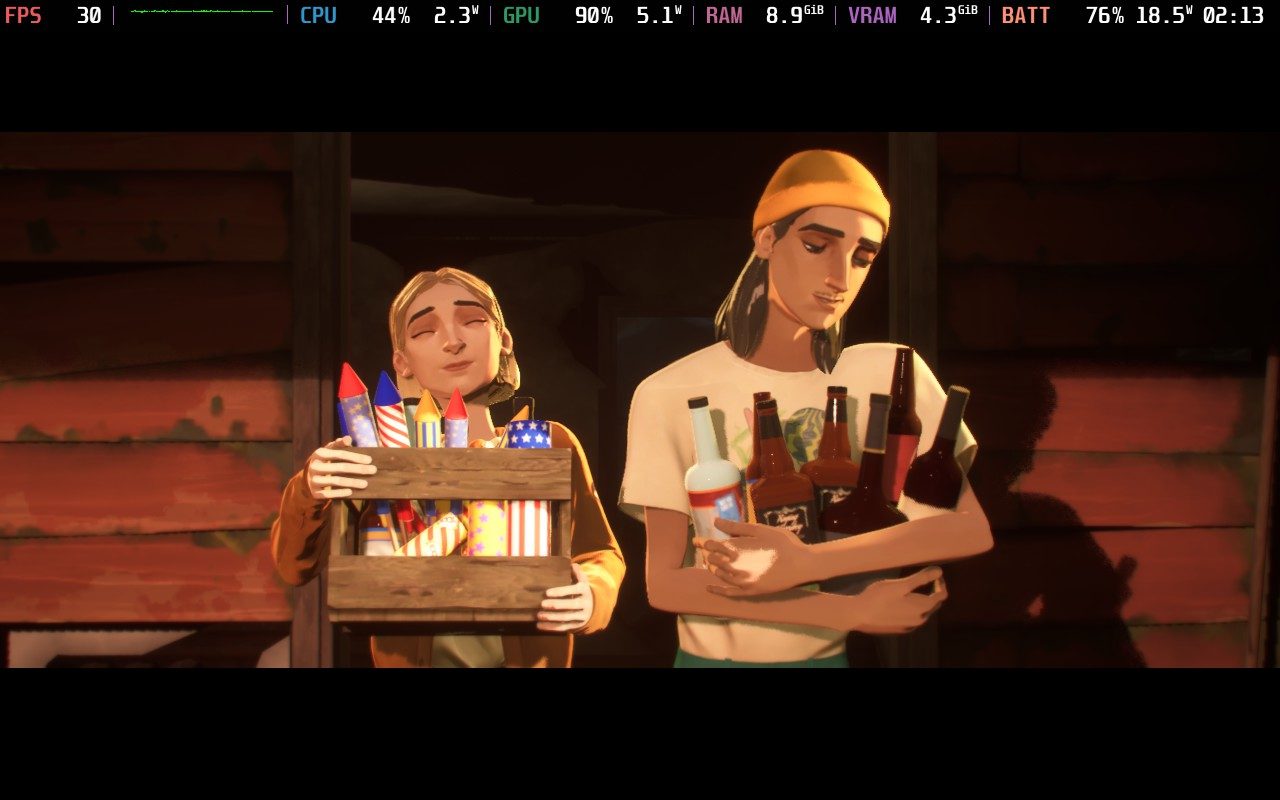
Thankfully, Beethoven & Dinosaur did a really solid job optimizing the default Steam Deck settings. Throughout the entire game, I didn’t experience a single drop below 30 FPS, and visually, Mixtape looks surprisingly gorgeous for an Unreal Engine 5 title running on the Deck.
Of course, compared to desktop or console, some of the more advanced lighting effects lose a bit of their impact. Reflections and sunlight bouncing off characters and environments look significantly better on higher-end hardware, but the Steam Deck version still looks more than acceptable.
Overall, Mixtape was a fantastic out-of-the-box Steam Deck experience.
結論
Honestly, I don’t really see Mixtape as a traditional video game. It feels more like a beautiful little art project that accomplishes exactly what it sets out to do.If you appreciate strong artistic direction and want to experience something that feels like a gorgeous 3-hour interactive movie, you’ll have a fantastic time with Mixtape. But at the same time, it's definitely not going to be everyone’s cup of tea.
It’s slow, heavily cinematic, and far more focused on atmosphere and emotions than gameplay depth. But for the audience it’s trying to reach, Mixtape absolutely succeeds.
Mixtape isn't a traditional video game, but this beautiful experience accomplishes exactly what it sets out to do: tell a great coming-of-age story that has an amazing presetntation and soundtrack.
Onat has been immersed in gaming since childhood, witnessing the industry evolve across generations of hardware. Over time, his curiosity shifted from simply playing games to understanding how they run. A former competitive fighting game player, he developed a deep appreciation for performance precision, responsiveness, and mechanical depth. Today, he specializes in handheld performance optimization, particularly on the Steam Deck, analyzing frame pacing, power efficiency, and graphics scaling to push portable hardware to its limits.