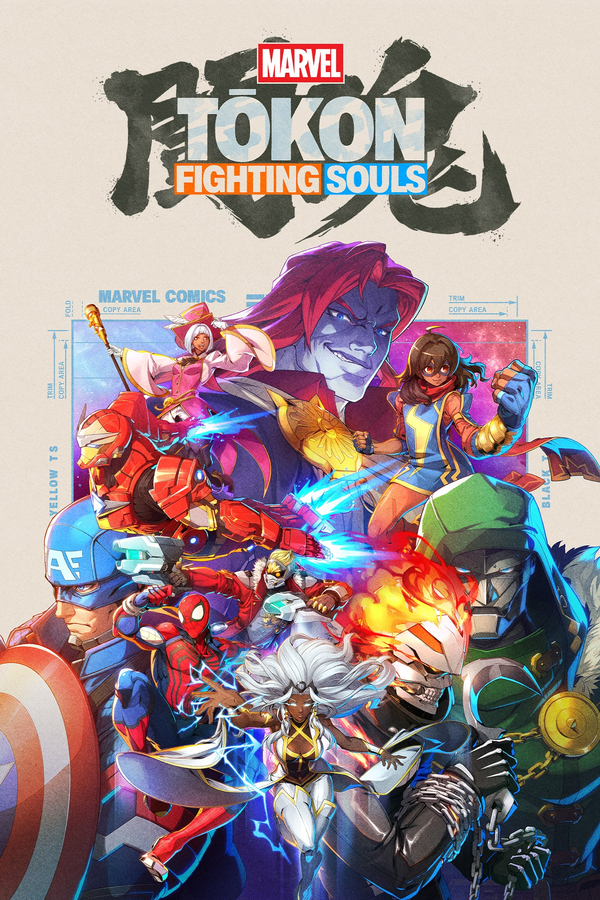
MARVEL Tōkon: Fighting Souls was provided by PlayStation for review. Thank you!
When it comes to 2D anime fighters, few names carry as much weight as Arc System Works (ArcSys). Over the decades, the Japanese studio has established itself as one of the industry's giants, delivering some of the genre's most recognizable and mechanically rich fighting games through franchises like Guilty Gear and BlazBlue, while also bringing its signature style to massive licensed properties with games like Dragon Ball FighterZ.
But MARVEL Tōkon: Fighting Souls represents something much bigger. Teaming up with Sony Interactive Entertainment and Marvel Games, Arc System Works has rolled up its sleeves for what is easily one of the most ambitious projects in the studio's history: a full-scale AAA Marvel fighting game. With an enormous license behind it, Sony's backing, and a developer that has spent decades mastering the genre, expectations were understandably sky-high.
And after spending a considerable amount of time throwing hands with Marvel's finest, there's one big question left to answer: does MARVEL Tōkon: Fighting Souls live up to those expectations? In some ways, yes, but in others, it falters.
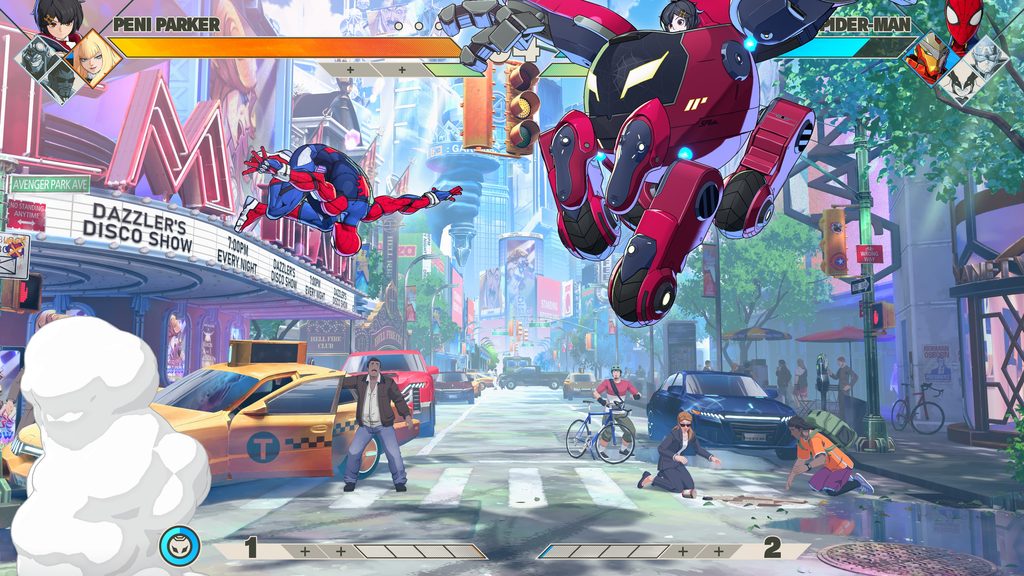
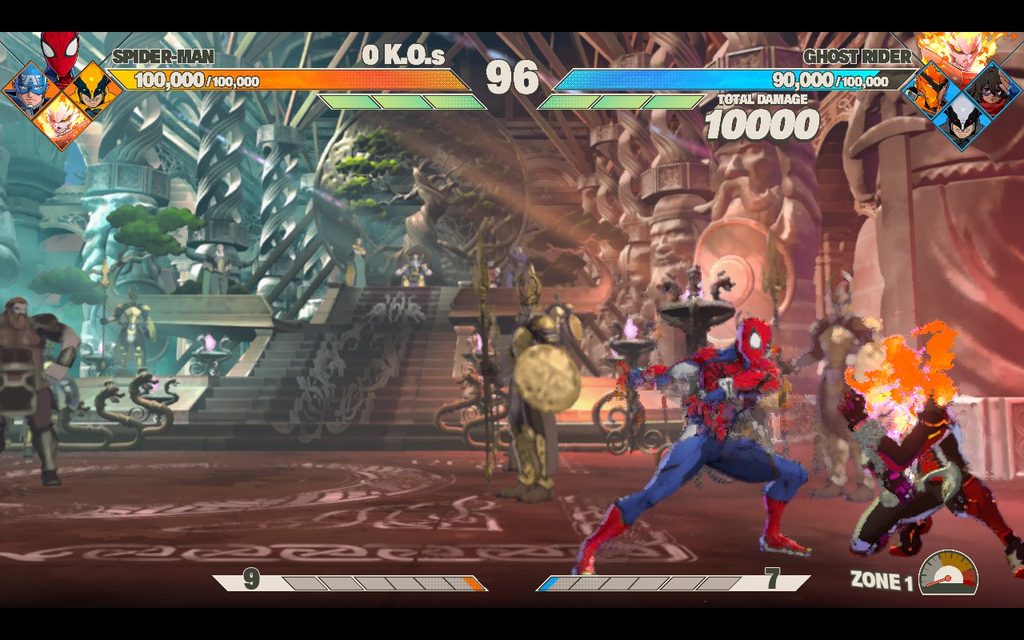
At its core, MARVEL Tōkon: Fighting Souls feels like a modern spiritual successor to the legendary Marvel vs. Capcom series, taking the chaotic team-based formula that defined those games and reimagining it through Arc System Works' own design philosophy. It's a fast-paced 4v4 tag fighter that puts a heavy emphasis on team synergy, assists, and explosive offensive pressure.
That Marvel vs. Capcom DNA is immediately apparent, but Tōkon isn't simply trying to recreate it. Assists can be crucial to your offense to extend combos, maintain pressure, or cover an unsafe approach, while tagging between fighters allows your entire team to become part of a single offensive sequence. There's also plenty of Dragon Ball FighterZ in its blood, particularly in how Arc System Works encourages aggressive movement, long combo conversions, and assists that can turn small openings into extended sequences involving multiple characters.
Tōkon begins to carve out an identity of its own through its unusual approach to the traditional tag formula. Four fighters may appear on each team, but they aren't simply four separate health bars waiting to be cycled through. Your squad shares a single health pool, and access to your teammates evolves throughout the match through the Assembly system. As more of your team enters the fight, your offensive possibilities expand with them, gradually turning what begins as a relatively focused confrontation into the kind of wonderfully chaotic Marvel spectacle you'd expect from having eight superheroes throwing hands on the same stage.
The shared health pool was actually one of the mechanics that initially excited me the most. On paper, it sounded like a genuinely different approach to the traditional tag fighter formula, and I was curious to see how Arc System Works would build an entire 4v4 system around it. Unfortunately, after spending more time with the game, it became one of my biggest issues with Tōkon.
In traditional tag fighters, swapping characters isn't just about bringing another moveset onto the screen. Managing recoverable health, pulling an injured fighter out of danger, and deciding when to sacrifice pressure to let them recover create an entire strategic layer around tagging. Tōkon's shared health pool effectively removes that decision-making altogether. There is no wounded teammate to protect or recovering character you're desperately trying to keep on the bench, because every hit ultimately comes out of the same resource.
As a result, I rarely felt encouraged to think about my team as four individual fighters that I needed to carefully rotate throughout a match. Instead, teammates often felt more like additional offensive resources to call upon, shifting the focus heavily toward spamming assists rather than meaningful character management. For me, that strips away much of the creativity, tension, and tactical decision-making that make tag fighters so satisfying in the first place. It's certainly different, but unfortunately, not in a way I enjoyed.
Movement was another major issue for me. After playing Arc System Works fighters like BlazBlue and Guilty Gear, where movement is fast, smooth, and one of the best parts of the combat, Tōkon simply didn't feel like an ArcSys game to me.
Dashing into attacks feels awkward, aerial approaches don't flow as well as I expected, and characters can feel surprisingly clunky both in the air and on the ground. I often knew exactly what I wanted to do, but executing it never felt as smooth or natural as I wanted it to.
This became even more noticeable because Tōkon is such an aggressive game. You're constantly moving in, calling assists, and looking for an opening, so having movement that feels this stiff hurts the overall flow of combat quite a bit. It's not at a level that completely ruins the fighting for me, but it consistently makes it less satisfying than I expected.
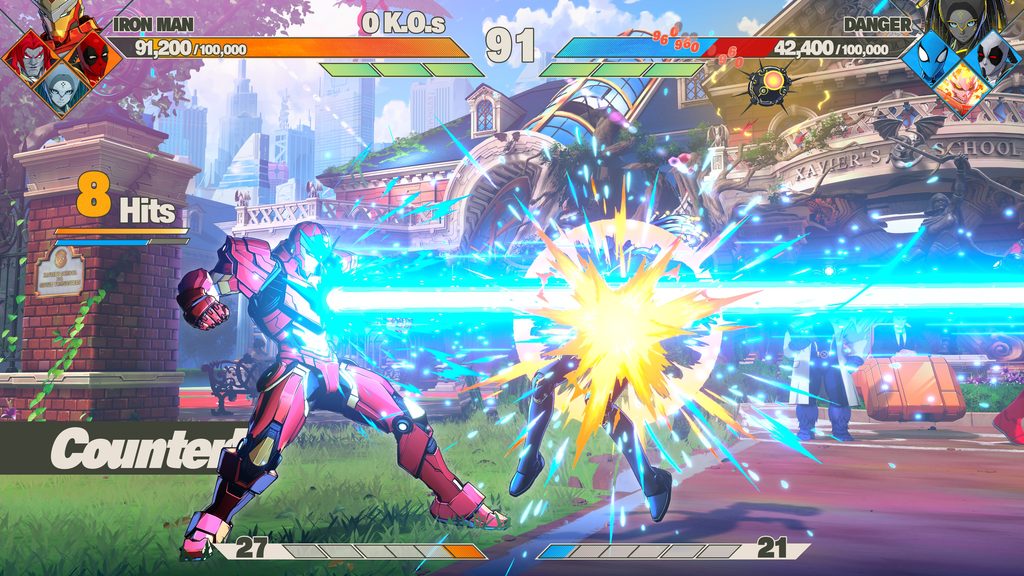
While I had my issues with movement and the way Tōkon handles tagging, the combo system itself is easily my favorite part of the gameplay. Combos are incredibly flashy and satisfying to pull off, but more importantly, there's plenty of room to get creative with them.
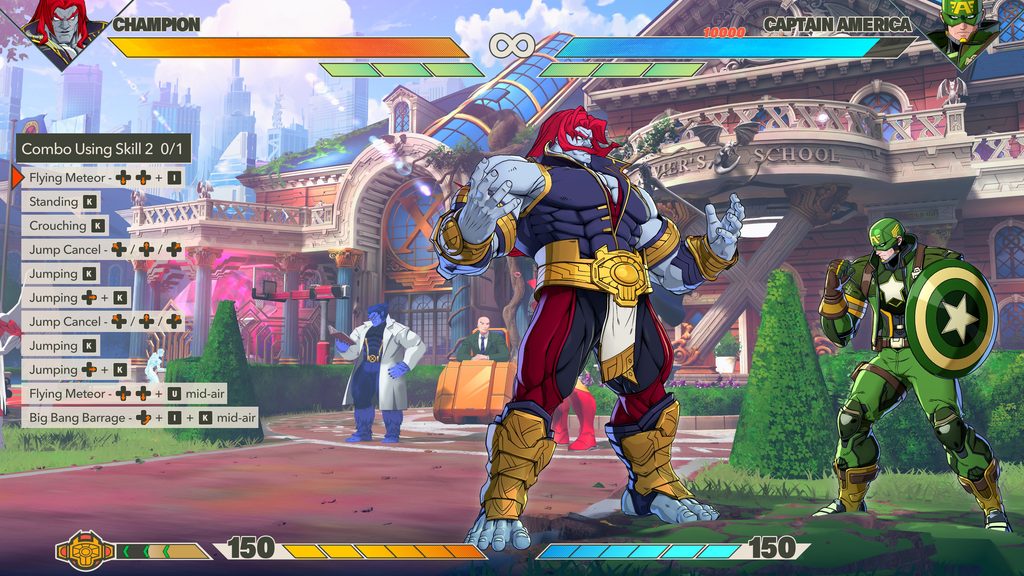
The basic combo system is easy to understand, but once you start mixing in Skills, assists, launches, wall interactions, and character switches, you can take a combo in a ridiculous number of directions. Different assists can completely change how you extend a combo, and switching characters midway through one opens up even more routes depending on your team composition.
It creates a really nice balance where putting together something cool doesn't require you to spend hours in training mode, but players who do want to lab still have plenty to experiment with. I constantly found myself trying different assists or slightly changing a route just to see how much further I could push it, and watching four Marvel characters jump in and out of a massive combo never really stopped looking awesome.
For all my complaints about Tōkon's tag system, this is the only occasion where having four characters on a team shines.
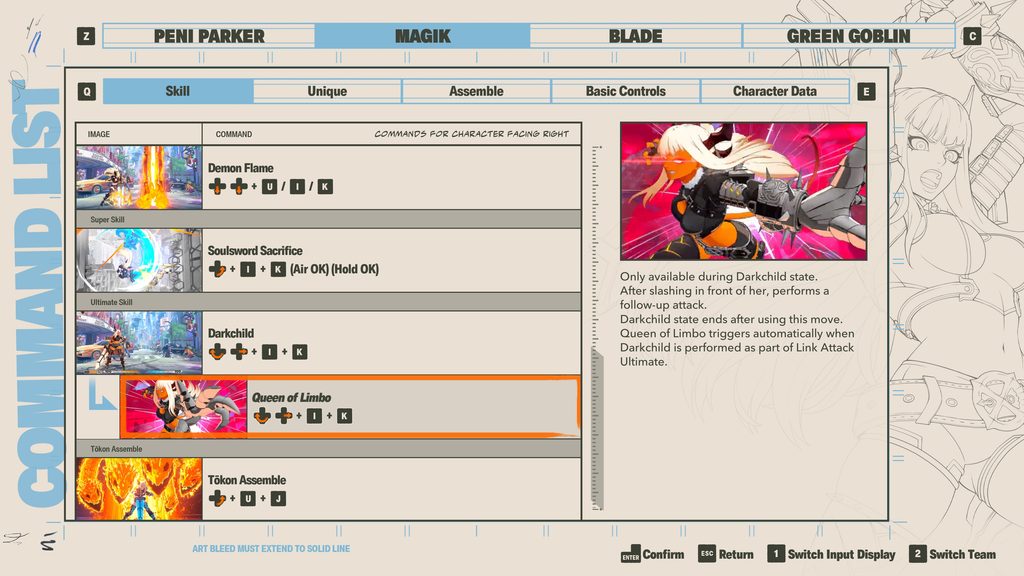
Unfortunately, this experience is held back by Tōkon's control scheme. Special moves can be performed in two ways: either through traditional motion inputs or via a simple shortcut. Using the shortcut slightly reduces the damage of the move, which sounds like a fair trade-off, and during combos, I rarely found it to be a major problem.
Neutrals are a different story. Having access to one-button anti-airs and reaction punishes makes situations that would normally require execution much easier to handle, and the damage penalty doesn't really solve that problem either. If I need to react to a jump-in, being able to instantly throw out an anti-air special with a single button is still a huge advantage regardless of whether the move deals slightly less damage.
Tōkon also goes much further with auto combos than I would have liked. Making fighting games easier to pick up is a good thing for newcomers, but there are so many automatic routes here, and some of them are effective enough that I started questioning how much the game actually rewards learning more difficult options. When the easier route gets you too close to what an experienced player can achieve manually, the gap between learning the game and mastering it starts to feel smaller.
Accessibility shouldn't come at the cost of giving players reasons to improve. Learning execution, spending time in training mode, and eventually being able to do something that you couldn't do when you first started are some of the most rewarding parts of fighting games. Tōkon still has plenty of depth beneath its accessible controls, but I think it goes a little too far in removing the barrier to execution.
The frustrating part is that the alternative isn't particularly well designed either. I prefer having traditional motion inputs in fighting games, but some of Tōkon's input choices feel unnecessarily awkward. Command grabs being tied to a DP-style Shoryuken motion already feels like a strange choice, but my biggest issue is how frequently the game uses down-down inputs for attacks and special moves.
Double-tapping down might sound simple on paper, but doing it consistently in the middle of a fast match feels incredibly clunky on an analog stick or fight stick. Almost every character has some variation of a down-down attack or input, and using them quickly can be a nightmare on these controllers. At a time when Hitbox and keyboard already have such a clear competitive advantage when it comes to certain inputs, as a fightstick player, I really question the decision to use down-down inputs this frequently.
Thankfully, I have almost nothing negative to say about Tōkon's defensive mechanics. In fact, I think this might be the best defensive system I've ever seen in a tag fighter.
There are so many ways to deal with pressure without making defense feel easy. Just Defense rewards you for timing your blocks properly, while Assemble Counter gives you a defensive backstep that automatically counters the opponent if they attack into it. It's incredibly useful against aggressive players, but it's also very punishable if your opponent reads it, so you can't just throw it out whenever you're under pressure.
Then there's Crossover, which might be my favorite addition. While blocking, you can call one of your teammates to break the opponent's onslaught and give yourself a chance to fight back. In a 4v4 game where assists can keep you blocking for what feels like an eternity, having your own team become part of your defense feels like the perfect answer.
What I love most is that none of these mechanics replace normal blocking. They give you different answers depending on what your opponent is doing, and knowing when to keep blocking, attempt a Just Defense, risk an Assemble Counter, or spend your team resources on a Crossover becomes its own little mind game.
This is masterful work from Arc System Works. Tag fighters are usually known for ridiculous offense, assists, and never-ending pressure, but Tōkon gives the defending player just as many interesting decisions to make. I had problems with several parts of the combat, but the defensive side is easily one of the game's biggest strengths and, for me, the best one I've played in a tag fighter.
Moving on to the game modes, the first thing that stands out is Episode Mode, Tōkon's main story mode. And I genuinely think this might be one of the worst story modes I've ever played in a fighting game.
Marvel has over 80 years of lore. Thousands of characters, iconic villains, legendary storylines, alternate universes, massive crossover events, and decades' worth of material that writers could only dream of having access to. And somehow, with all of that sitting right in front of them, the best idea they could come up with was... a tournament. It's basically the same tired setup we've seen countless times in games like Dead or Alive or Tekken. Find an excuse to throw the entire cast together, make everyone fight each other, introduce some completely uninteresting made-up characters, and call it a story. Except those games don't have the entire Marvel universe sitting in their hands.
That's what makes Episode Mode so frustrating. It's not just bad; it's an unbelievable waste of potential. Every cinematic reminded me of what they could have done instead. Every boring conversation, every forced reason for another fight, and every time one of these characters appeared just made me wonder how this was the story they settled on.
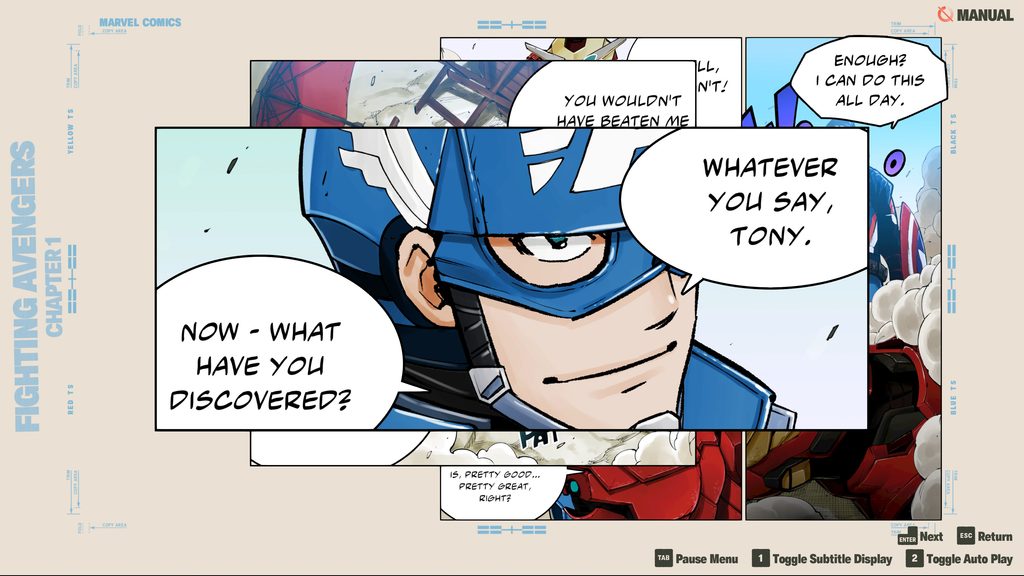
As if the story itself wasn't bad enough, the presentation somehow manages to be even worse. Around 30% of Episode Mode is told through beautifully animated cinematics that look exactly as good as you'd expect from Arc System Works. The rest is presented in generic, poorly drawn, comic-book-style chapters, and the difference between the two is honestly jarring.
The cinematics will sometimes just randomly end and throw you into one of those ugly comic book sections, almost as if they ran out of budget halfway through the scene and couldn't afford to animate the rest of it. Going from gorgeous ArcSys animation to staring at cheap-looking static panels completely killed the presentation for me. Combined with the cliché writing, it eventually reached a point where I did something I seriously don't remember ever doing while reviewing a game: I started wanting to skip story sections.
Outside of the story, Tōkon has two more pieces of content under what it calls “Arcade,” although calling some of this an Arcade Mode feels pretty generous.
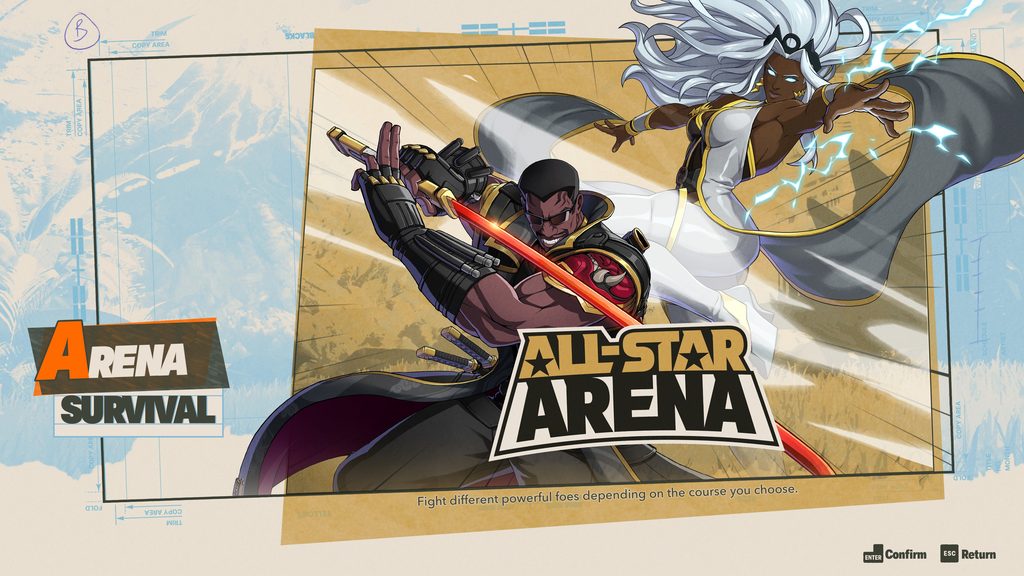
The first is All-Star Arena, which is split into Arena and Survival. Survival is exactly what you'd expect from old-school fighting games: you fight through a series of opponents while trying to survive for as long as possible. Nothing special, but it does what it needs to do.
Arena, on the other hand, seems to be Tōkon's replacement for a traditional Arcade Mode, and it's disappointing. You simply fight your way through a series of matches until you reach the end. That's it. There are no intro cinematics, no unique character interactions, and nothing that makes picking a different fighter feel like you're seeing their own little story. It feels like they wanted to check “Arcade Mode” off the list without actually putting any of the personality into it that makes these modes worth playing.
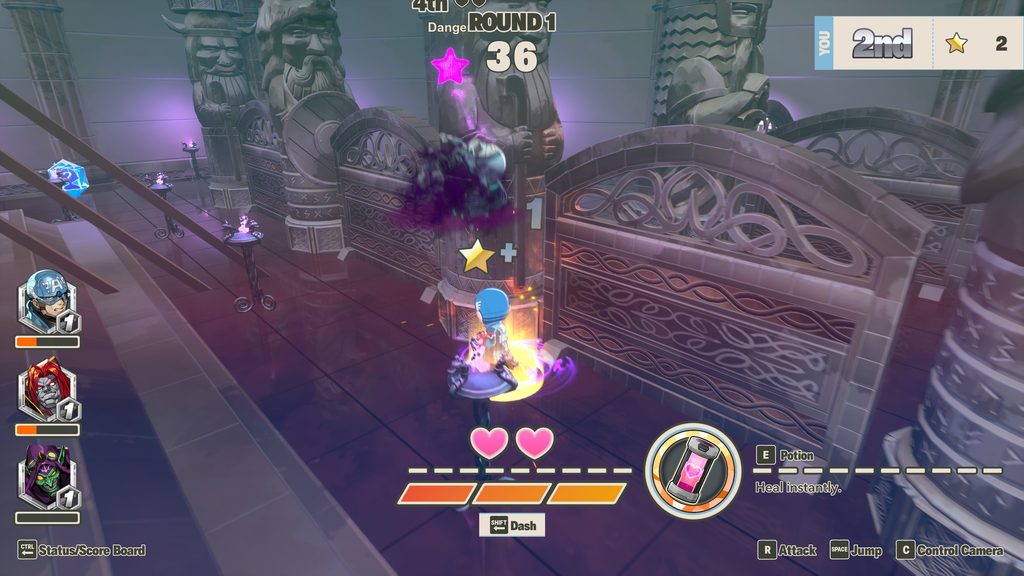
And then there's Arcadia Rumble, a third-person, Smash Bros.-style mode that feels completely out of place. You run around as chibi versions of the characters, collecting orbs, jumping around, attacking other players, and trying to deplete their hearts to finish in first place. There are some roguelite elements thrown in, and you can play either online or single-player.
I found the whole thing childish, silly, and disconnected from the reason I'm playing a fighting game in the first place. It feels like a random party game that somehow ended up inside Tōkon rather than a mode designed around what the game actually does well. Considering how bare-bones Arena and Episodes already feel, seeing development time go into Arcadia Rumble instead only made its inclusion even more frustrating.
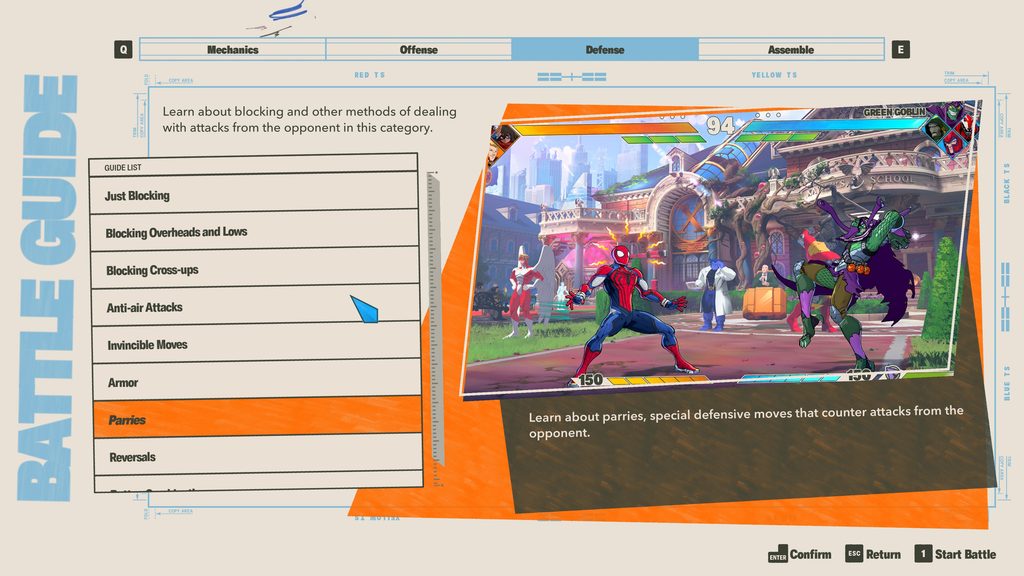
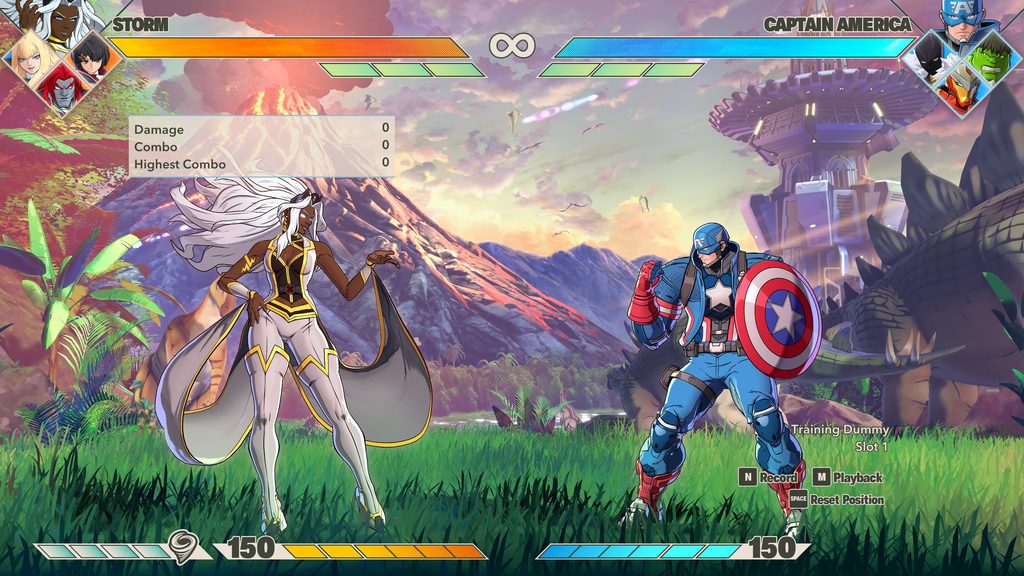
One area where Tōkon absolutely delivers is its tutorials. They do an excellent job of teaching the game's offensive, defensive, and control mechanics without simply throwing walls of text at you. The game explains each mechanic, makes you actually perform it, and presents everything in a way that's easy to remember and surprisingly fun to go through.
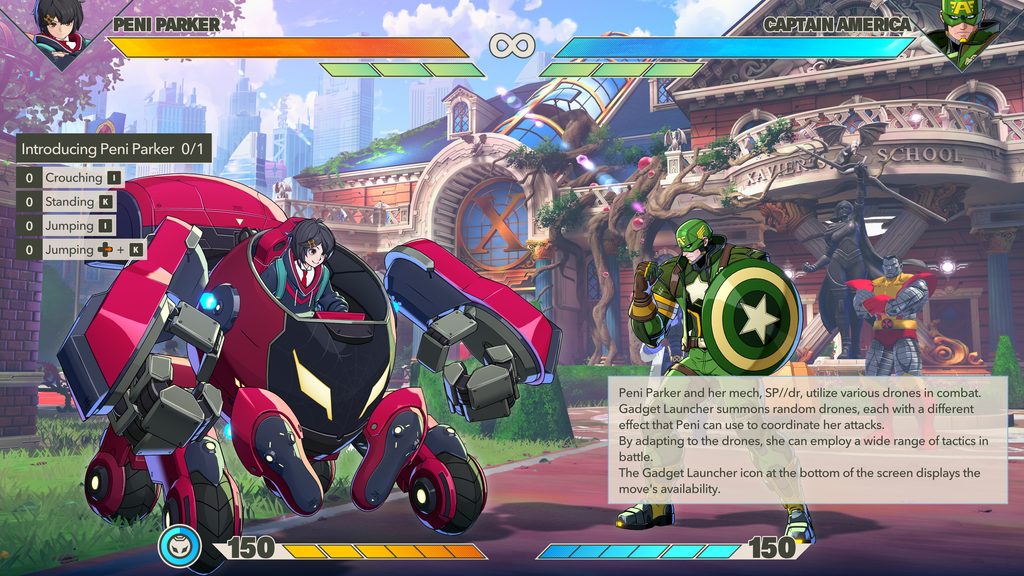
There are also dedicated guides for every character that explain their unique mechanics and how you're actually supposed to use them. This is especially useful in a game where characters can play so differently from one another, and I found these guides genuinely helpful when trying someone new.
The combo trials are also really well designed. They're fun to complete while giving you a good idea of what each character can actually do, rather than feeling like a random checklist of combos you'll never use again.
It doesn't quite reach the level of Avatar Legends for me, which still has my favorite tutorial systems in a fighting game, but Tōkon comes surprisingly close. Between the tutorials, character guides, and combo trials, this is easily one of the strongest parts of its single-player content.
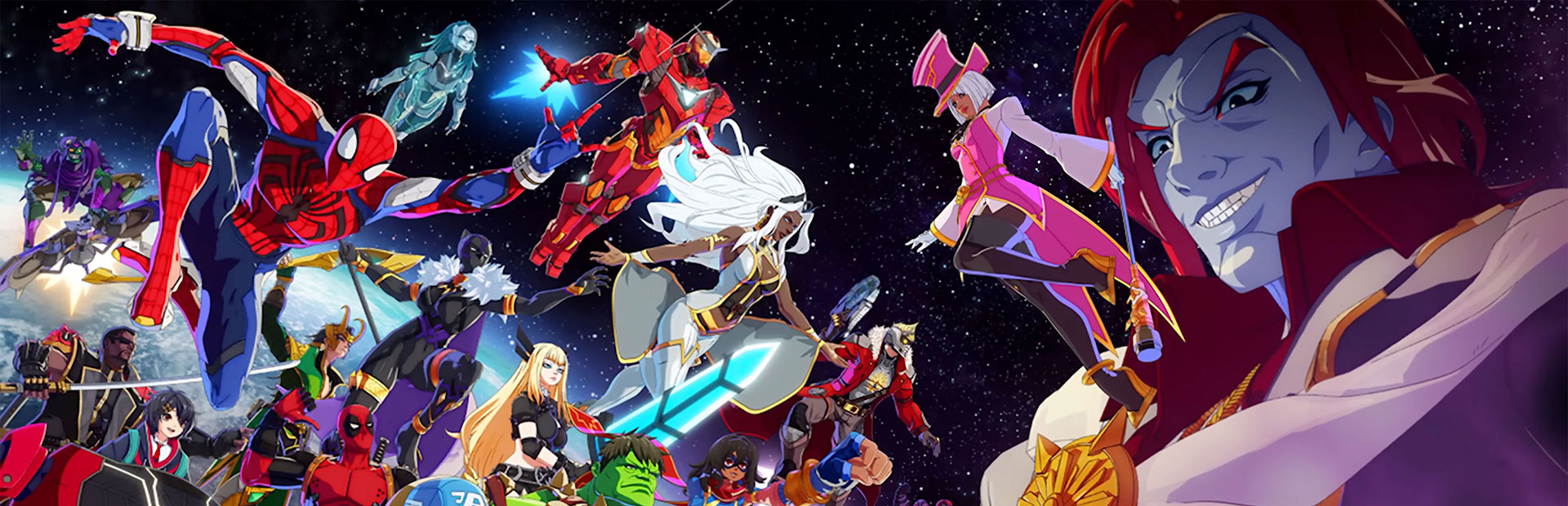
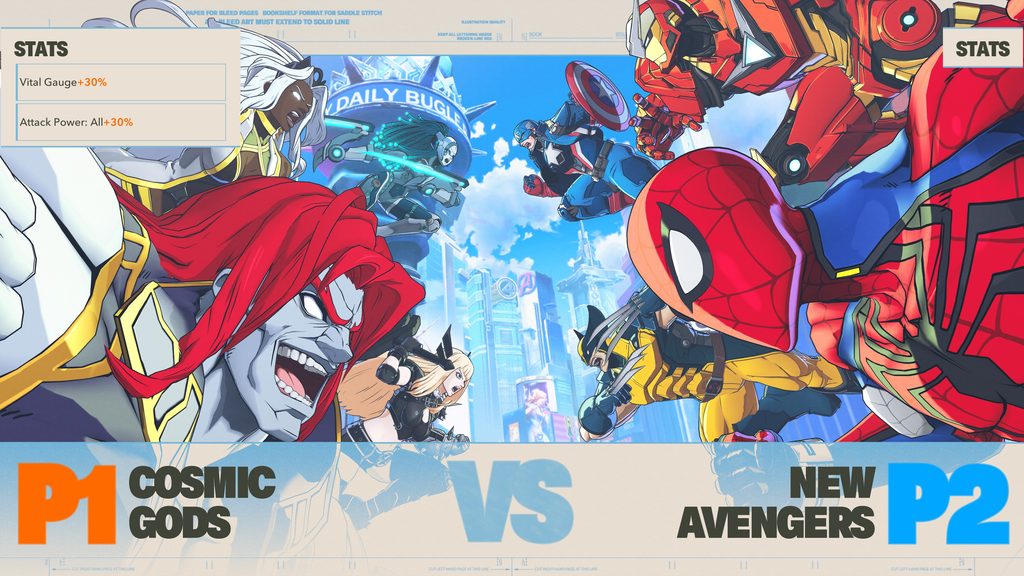
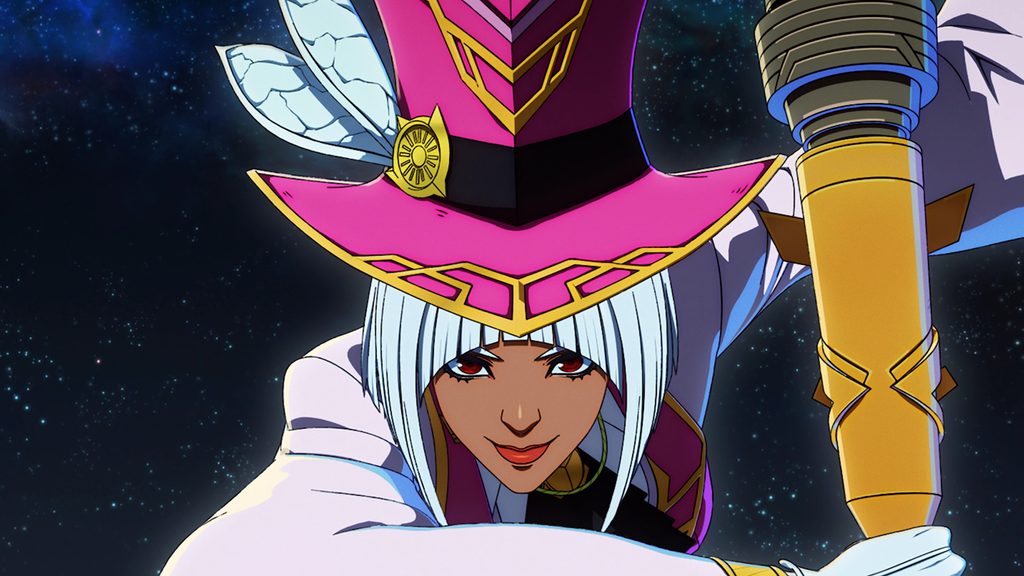
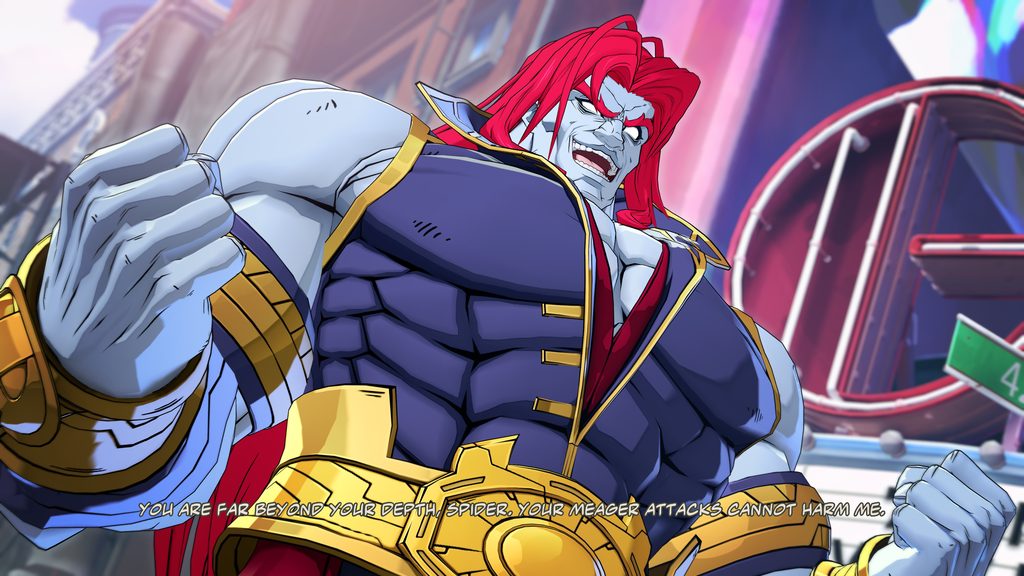
I've always been a huge fanboy of Arc System Works when it comes to visuals and 2D art, and for the most part, Tōkon didn't disappoint me here. The characters look fantastic, with that signature ArcSys style making almost every member of the Marvel roster look like they were made for an anime fighter.
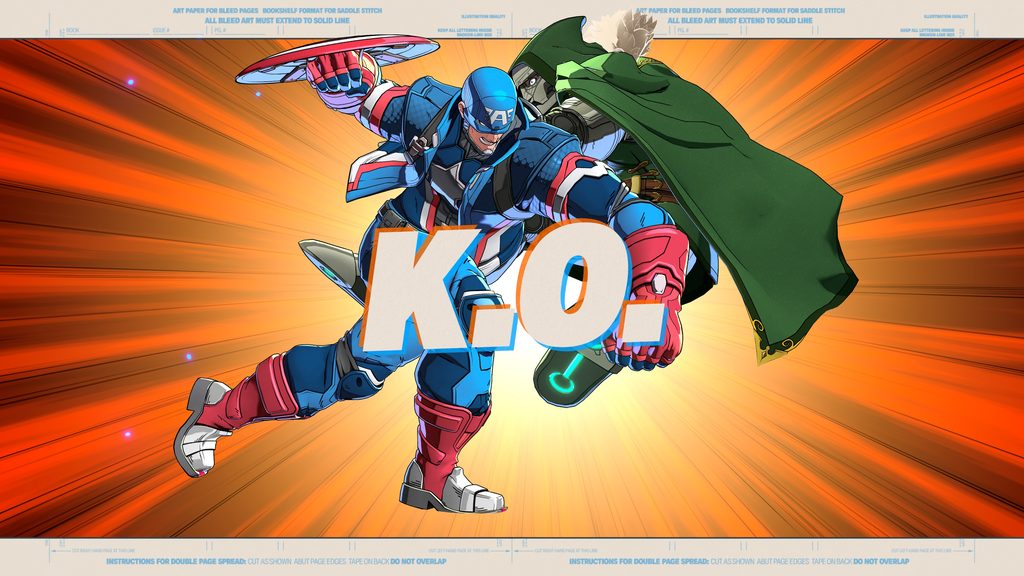
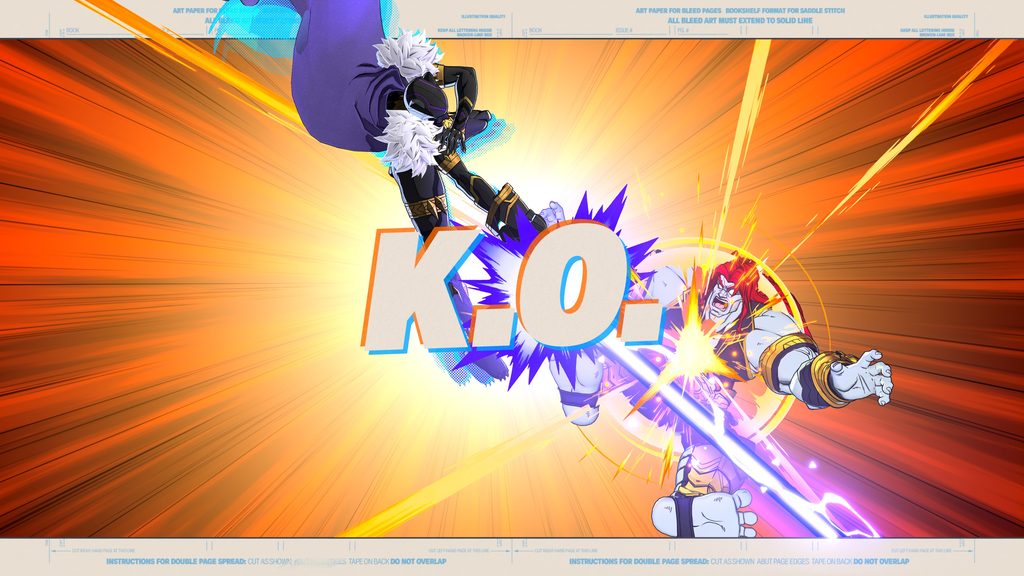
Skill effects and animations are equally impressive. Special moves are flashy, colorful, and genuinely hype-inducing, especially when multiple characters and assists start flying around the screen at once. From the menu designs to the beautifully animated cinematics, almost everything does a great job of selling this futuristic Marvel anime aesthetic the game is going for.
The stages, however, were a major disappointment. Compared to the amount of detail put into the characters, many of the environments look noticeably lower quality and surprisingly bland. The difference can be pretty distracting, with these gorgeous character models fighting against backgrounds that simply don't feel on the same visual level.
The music is absolutely fantastic. It brought back some of that old Marvel vs. Capcom feeling for me, especially with every character having their own unique theme like the old-school fighters used to do. The soundtrack fits the overall anime fighter tone perfectly and adds a lot to Tōkon's personality.
Unfortunately, I can't say the same about the voice acting. I found it surprisingly bad, especially for characters like Deadpool, Loki, and Iron Man whose voices and personalities have become so recognizable over the years. A lot of their delivery just sounds out of place, both during the story and the pre-fight intros, and I never really got used to it.
The sound effects are more of a mixed bag. Faster and more acrobatic characters sound great, especially when you're chaining attacks together and everything starts moving at full speed. But the bigger characters are missing that same impact. When someone like Hulk or Champion lands a massive hit, I want to hear that heavy 'THUNK'' that makes it feel like someone just got absolutely destroyed. Tōkon never quite delivers that weight, and some of their strongest attacks end up sounding much weaker than they look.
MARVEL Tōkon: Fighting Souls - PC Performance & Issues
Unfortunately, we can't talk about Steam Deck performance this time around. MARVEL Tōkon: Fighting Souls uses a kernel-level anti-cheat system, which prevents the game from launching on SteamOS entirely.
But that's far from the only issue with the PC version. Since this is the version we're reviewing, I want to discuss the general performance when playing on PC.
I reviewed Tōkon on an RTX 5090, and even on one of the most powerful GPUs available, the game is filled with noticeable stutters. For a fighting game, where maintaining a stable experience is more important than in almost any other genre, that's simply not acceptable. The game looks great, but nothing happening on screen comes close to explaining why a system this powerful should struggle with stuttering.
No matter how powerful your PC is, Tōkon is currently in a terrible technical state, and for many players, I would consider it borderline unplayable. Even brute-forcing the game with high-end hardware doesn't guarantee the smooth and consistent experience a fighting game needs.
I also want to make it clear that none of the issues or personal complaints I mentioned in this section will affect the final score. Since we're reviewing the PC version, however, I felt they needed to be addressed. Consider this section more of a warning: in its current state, you simply shouldn't expect the fluid fighting game experience that Tōkon is supposed to provide on PC.
MARVEL Tōkon: Fighting Souls - Steam Deck Performance on Windows
MARVEL Tōkon: Fighting Souls is unfortunately not playable on the Steam Deck through SteamOS due to the anti-cheat, which is a bummer. However, if you do have Windows installed on the Deck, the game does run and can be played, though it doesn’t perform well.
Even at the lowest possible settings, the game will not hit 60 FPS. Visually, it still looks okay at the lowest settings, but it will stick between 40 to 50 FPS. For a fighter like this, we really need a solid 60 FPS, so it’s not something I would recommend, especially if you want to play online.
結論
MARVEL Tōkon: Fighting Souls is a disappointment. Its fantastic combo system, excellent defensive mechanics, and beautiful ArcSys visuals show flashes of what could have been a worthy Marvel vs. Capcom spiritual successor. Unfortunately, stiff movement, questionable controls, a disappointing tag system, and terrible single-player content drag the whole experience down. With the Marvel license and Arc System Works behind it, Tōkon simply should have been much more.
The PC version makes things even worse. Kernel-level anti-cheat completely locks SteamOS users out, while severe stuttering and optimization issues make it difficult to get the smooth experience a fighting game requires even on high-end hardware. These issues don't affect my final score, but PC players should absolutely keep them in mind before buying.
MARVEL Tōkon: Fighting Souls doesn't live up to the heights of other Arc System Works games, though it still has some highlights. However, it won't be one we can easily enjoy on the Steam Deck.
Onat has been immersed in gaming since childhood, witnessing the industry evolve across generations of hardware. Over time, his curiosity shifted from simply playing games to understanding how they run. A former competitive fighting game player, he developed a deep appreciation for performance precision, responsiveness, and mechanical depth. Today, he specializes in handheld performance optimization, particularly on the Steam Deck, analyzing frame pacing, power efficiency, and graphics scaling to push portable hardware to its limits.
Let us know what level of playability you consider MARVEL Tōkon: Fighting Souls to be. Help our community determine the viability of playing this game on Steam Deck!