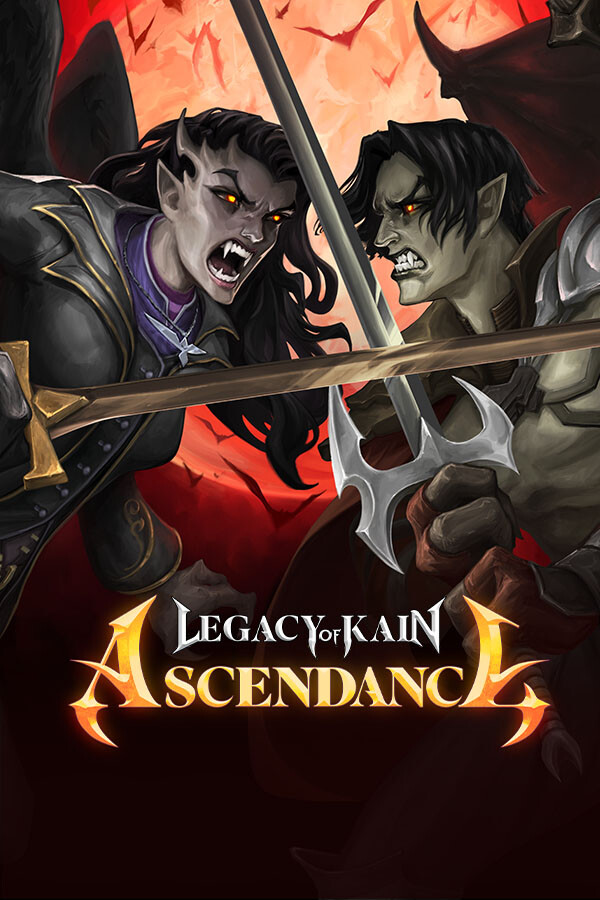




Legacy of Kain: Ascendance was provided by Crystal Dynamics for review. Thank you!
There’s a certain weight that comes with reviving a name like Legacy of Kain. This is a series that didn’t just exist in its era; it lingered. It was grim, wordy, theatrical in a way games rarely dared to be, and utterly committed to its gothic identity. So when Legacy of Kain: Ascendance arrives as the first entirely new, non-remastered entry in well over a decade, it doesn’t just carry expectations, it carries memory.
And for some of us, that memory runs deep. I still remember booting up Legacy of Kain: Soul Reaver as a kid back in 1999, probably far too young to fully grasp what it was doing, but completely captivated all the same. The opening alone, Raziel’s fall, the voice acting, that oppressive, almost suffocating atmosphere, felt unlike anything else at the time. It was dark in a way that didn’t feel edgy or forced, but deliberate. Even if I didn’t understand every word being said, I felt it. That sense of a world steeped in history, decay, and tragedy stuck with me long after I’d put the controller down.
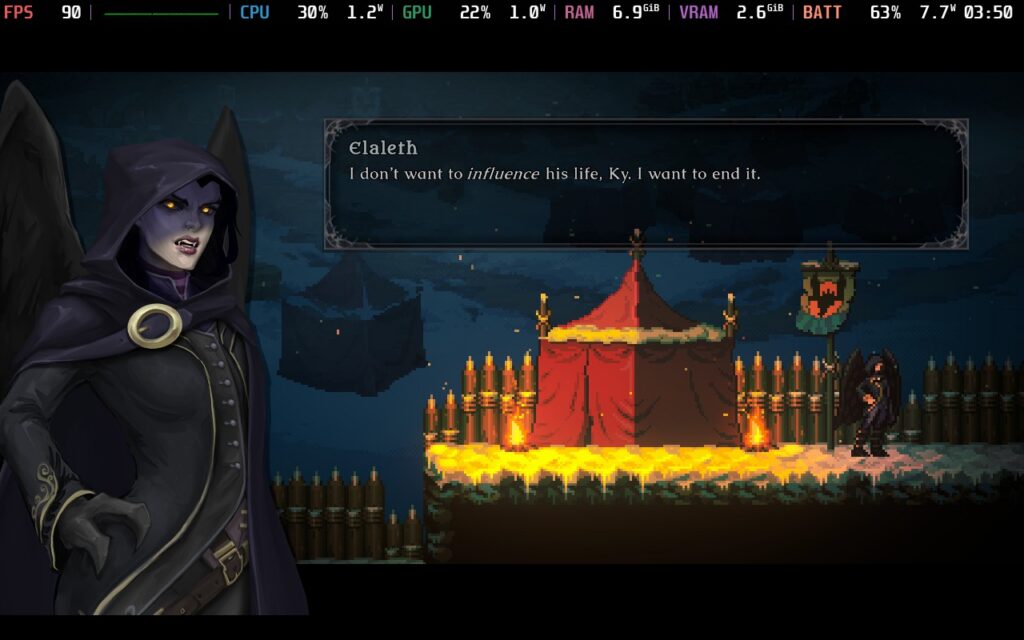
Ascendance clearly wants to tap into that same vein. There are flashes where it gets close, where the world feels suitably bleak, and the tone hints at something deeper beneath the surface. But more often than not, it feels like it’s imitating the shape of Legacy of Kain rather than truly understanding what made it resonate. It’s gothic by design, but not always by conviction.
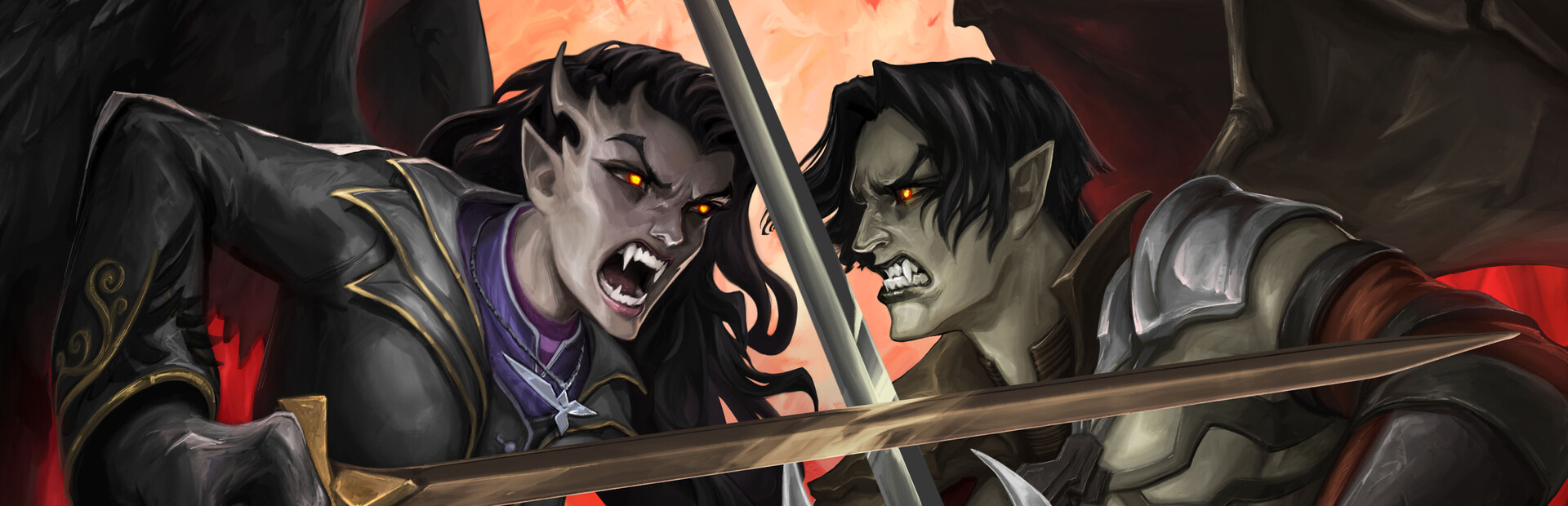
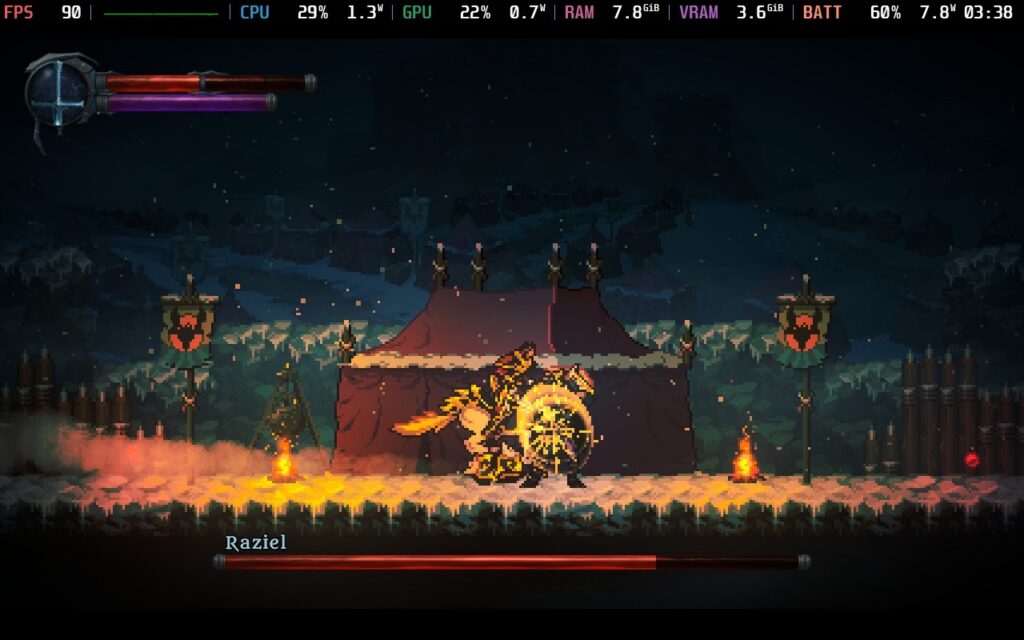
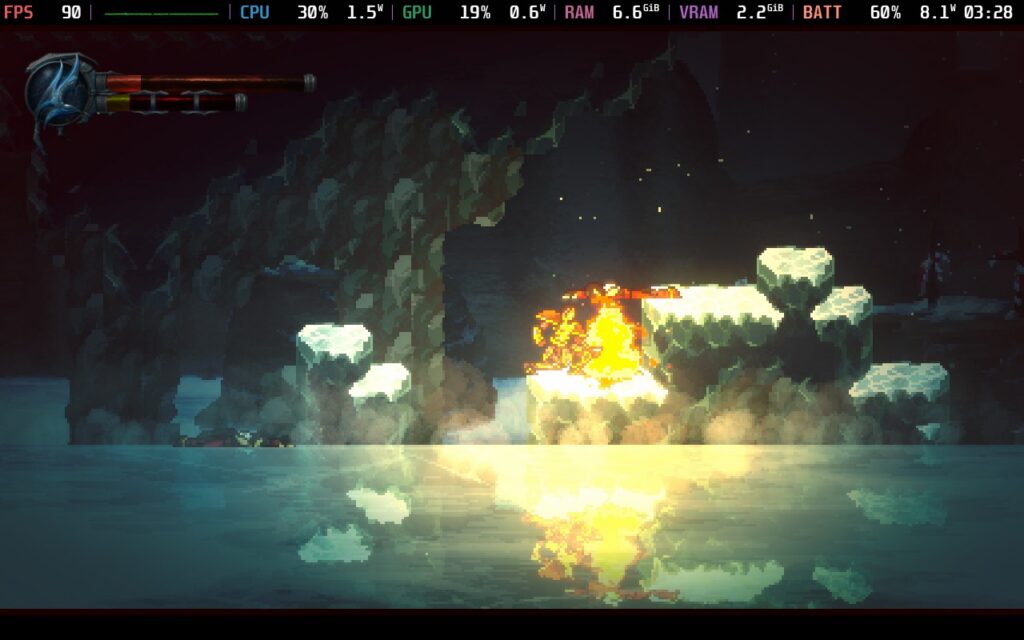
Visually, the game is a bit of a mixed bag. The environments are sharp, cleanly rendered in a pixel-art style that, on paper, fits the tone well. There’s detail here, and a clear effort to make the world feel cohesive and readable. But then there's the character art itself, and that’s where things start to fall apart. Designs lean oddly cartoonish, with exaggerated features and a particular smooth sheen that feels out of step with the bleak, oppressive world they inhabit. It creates a strange disconnect, like the game can’t quite decide whether it wants to be a moody gothic tale or something a bit lighter and more stylised. Either direction could have worked, but straddling both ends just weakens the overall identity.
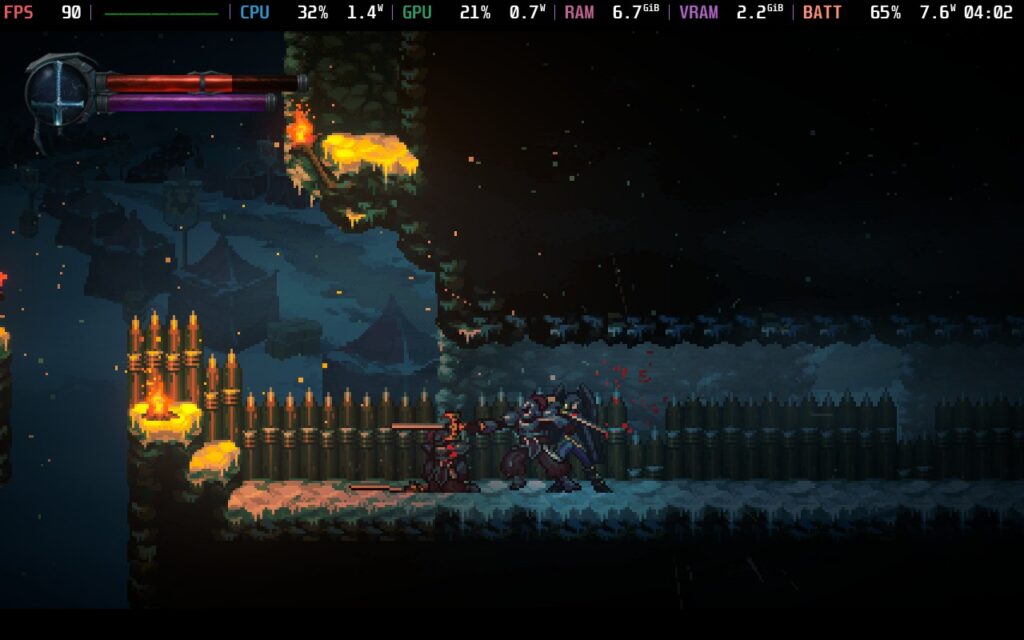
That same lack of cohesion bleeds into the gameplay. Movement is rigid in a way that’s immediately noticeable, and not in a deliberate, weighty sense. It’s stiff, slightly awkward, and often feels like it’s working against you. In a post-Shovel Knight world, where 2D platforming has been refined to an almost art form, and with decades of Super Mario Bros. setting the gold standard for responsiveness, Ascendance feels stuck in the past for all the wrong reasons. Jumps lack fluidity, traversal feels laboured, and there’s a persistent friction to simply moving through the world that makes it harder to fully engage with what the game is trying to do.
Combat also somewhat sits in an interesting middle ground - it’s perfectly serviceable, and at times even hints at something more engaging, but never quite blossoms into a real standout. The inclusion of a parry mechanic is a genuinely welcome addition, and in the context of a 2D side-scroller, it feels like a thoughtful attempt to add a bit of texture and timing to encounters. When it clicks, there’s a brief moment of satisfaction, a sense that you’re engaging with the system rather than just going through the motions. But those moments are a little fleeting. There’s still an underlying awkwardness to the flow of combat, where swings don’t always feel as impactful as they should, and encounters can blur together over time. Playing as Raziel brings its own quirks too - particularly the need to burn the undead, which starts as a neat, thematic touch but gradually settles into a bit of a repetitive rhythm. It’s not frustrating, and it never outright detracts from the experience, but it does leave you wishing it had just a bit more bite.
The story, meanwhile, reaches for a kind of grandeur that doesn’t always feel entirely earned. There’s a heavy, almost theatrical tone to the writing, dense with lore, weighty dialogue, and a clear desire to echo the series’ past, but it rarely takes the time to properly ground newcomers in what’s going on. For long-time fans, especially those who’ve revisited the recent remasters that have nudged Legacy of Kain back into the spotlight, there’s something familiar to latch onto. But for everyone else, it can feel like being dropped into the middle of a conversation that’s been going on for years. Names, events, and motivations are introduced with an expectation of prior knowledge, and while that sense of history is part of the series’ identity, Ascendance doesn’t do enough to make it inviting. The result is a narrative that sounds important, and often feels important, but doesn’t always make it easy to care in the way it clearly wants you to.
And that’s the most frustrating part of it all. You can see what Ascendance wants to be. There are moments where the tone clicks, where the world briefly feels like it has that same oppressive magic that made Soul Reaver so memorable. But those moments are fleeting, and they’re too often undercut by design choices that feel at odds with the very legacy the game is trying to honour.
On the Steam Deck, Legacy of Kain: Ascendance is, unsurprisingly, an absolute dream. Performance is rock-solid from the outset, comfortably maintaining a consistent 90 fps with no noticeable dips or instability. It’s the kind of smoothness that immediately elevates the experience, especially in a game where precision and timing should matter—making it all the more ironic that the game’s inherent rigidity still holds it back elsewhere.
Even more impressive is how efficient it is on the battery. Ascendance sips power at an average of just 7.5W, which is remarkably low, and translates into just over six hours of playtime on a full charge. In an era where many titles push the Deck far harder than they need to, this feels refreshingly considerate. It’s easily one of the most battery-friendly experiences you’ll find, and for portable play, that alone makes it a compelling way to experience the game.
Accessibility options are nigh-on nonexistent, with only a toggle for screen shake and subtitles.
After all this time, this should have felt like a return - something that rekindles what made the series special while confidently pushing it forward. Instead, Legacy of Kain: Ascendance feels like it’s caught between reverence and reinvention, never fully committing to either. For those of us who grew up with Legacy of Kain, it’s hard not to feel a twinge of disappointment. Not because it’s outright bad, but because it comes so close, so often, to reminding you just how special that world once was, without ever quite reaching it again.
このレビューはPC版に基づいています。
このレビューをお楽しみいただけたなら、SteamDeckHQ の他のコンテンツもぜひご覧ください!あなたのゲーム体験に役立つゲームレビューやニュースを幅広く取り揃えています。ニュース、ヒントやチュートリアル、ゲーム設定やレビューをお探しの方も、最新のトレンドを知りたい方も、ぜひご利用ください。
Legacy of Kain: Ascendance feels like it's caught between reverence and reinventing without fully committing to either, making it less of an enjoyable time than it should be.