Gothic 1 Remake was provded by THQ Nordic for review. Thank you!
At the start of 2019, I had yet to play a Gothic game before, but I always knew about the franchise and how influential it was for the larger RPG genre. When a playable teaser was released for a possible remake, I thought it looked promising. All the hype around that teaser made me install the original Gothic, and before long, I fell in love with its world.
Now, 7 years later, it's finally here. After all the waiting, delays, trailers, and previews, the question still remains: did Alkimia Studios deliver a game as impactful and forward-thinking as its original inspiration? Well, after getting lost in the Colony for way too many hours, I think I have some remnant of an answer.
The kingdom of Myrtana was at war and desperately needed magical ore to forge powerful weapons. To keep the mines running, King Rhobar began sending criminals into a massive penal colony where they would spend the rest of their lives mining for ore.
To prevent anyone from escaping, a group of powerful mages created a magical barrier around the colony. However, something went horribly wrong during the ritual. The barrier expanded far beyond its intended size, trapping not only the prisoners, but also the mages themselves, inside. While people could still be thrown into the colony from the outside, nobody could leave.
Years later, the colony has become a lawless world of its own ruin, ruled by rival factions, mercenaries, criminals, and opportunists. And as the game begins, you are thrown into the Barrier with nothing but the clothes on your back, forced to survive in a place where your past no longer holds any weight.
The story structure of Gothic 1 Remake is incredibly well balanced. Instead of offering a linear, cinematic story, similar to games like Elden Ring, it focuses more on exploration, worldbuilding, and general story lore. At the same time, there are still plenty of memorable characters, interesting twists, and engaging story moments throughout the adventure to keep players intrigued.
You are constantly given important choices that can massively affect the story. You make friends, create enemies, pick sides, and come across quests that can be tackled in different ways. All of this creates a genuine "build your own adventure" feeling that we see take a firm stronghold in modern RPG titles.
Similar to Kingdom Come: Deliverance and the Mount & Blade series, Gothic follows the classic "zero to hero" formula. You start as a presumed nobody. You don't know how to fight, you have no money, no allies, no reputation, and even the weakest enemies can feel like boss fights because of how slow and inexperienced your character is at the start.
I decided to take the easy route and started my journey as a thief. I spent my time pickpocketing people, lockpicking chests, and making money through dastardly means. Financially, it worked. I became surprisingly rich early on. The problem was that money alone couldn't solve everything. I quickly realized I had neglected Learning Points, which meant I couldn't properly improve my character. I had good armor, good weapons, and a full coin purse, but I barely knew how to use any of it.
Some quests offered alternative solutions, including bribing people if you had enough gold. I used that option a few times, earned some Learning Points, and started investing in one-handed weapon training. Then I remembered a hunter I had befriended near the beginning of the game told me about skinning animals, collecting trophies, and making a living from hunting. So I tracked him down, learned how to harvest materials from creatures, and decided to continue my journey as a hunter.
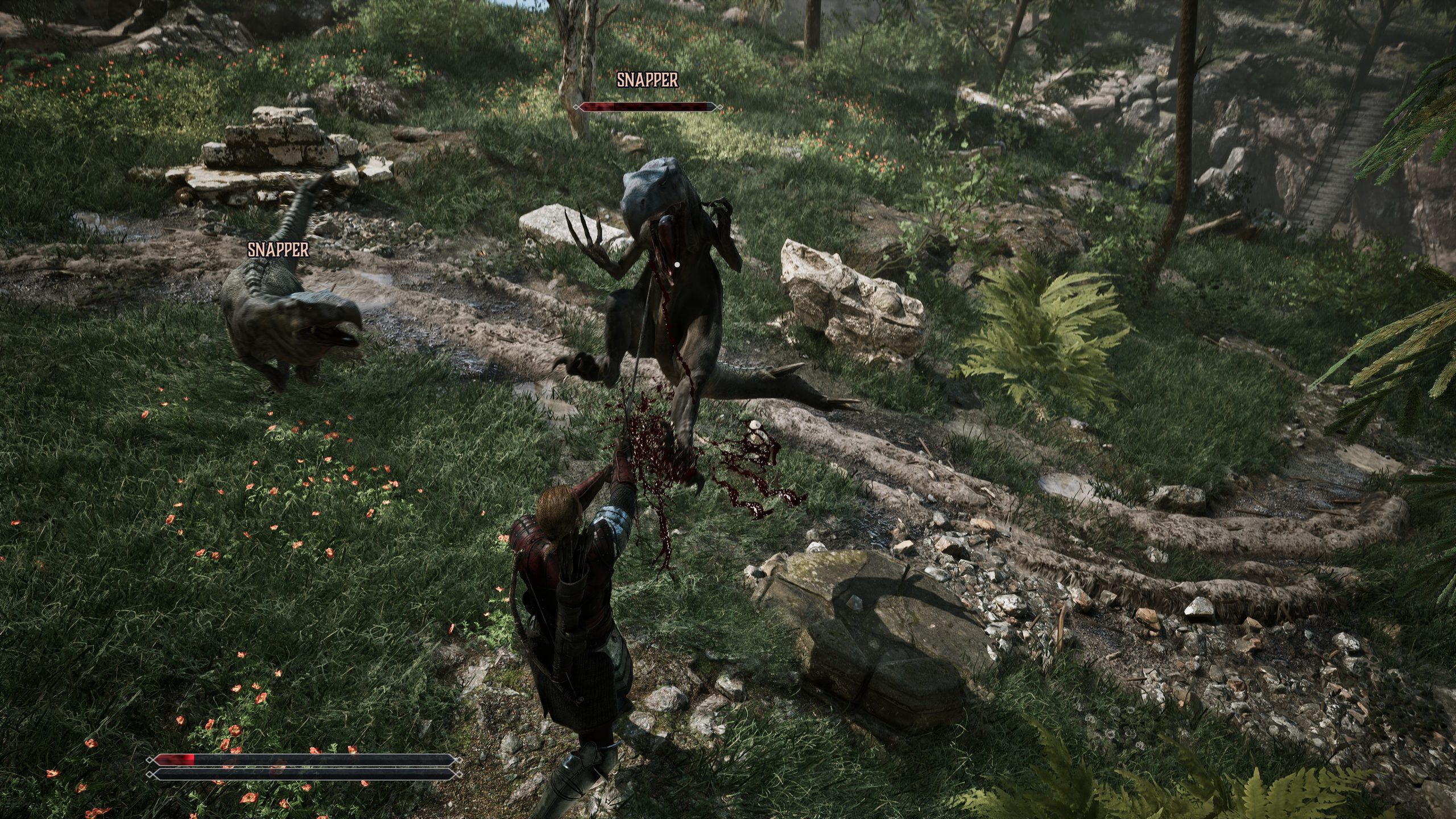
The first time I approached a pack of wolves, they completely devastated me. But instead of giving up, I took the necessary time to learn their attack patterns, figure out when to dodge, when to parry, and when to strike. Eventually, it clicked. What started as an impossible encounter became a reliable source of both money and experience.
This was just a small part of my experience trying to find my place in the Colony. The game fundamentally encourages you to explore and adventure into different potential play styles. There are no quest markers telling you exactly where to go, very few tutorials, and the game does almost nothing to hold your hand.
At first, it can feel frustrating and even punishing, but once everything starts to click, the payoff is immensely satisfying. Every victory feels earned, every improvement feels meaningful, and before long, the gameplay loop becomes incredibly addicting.
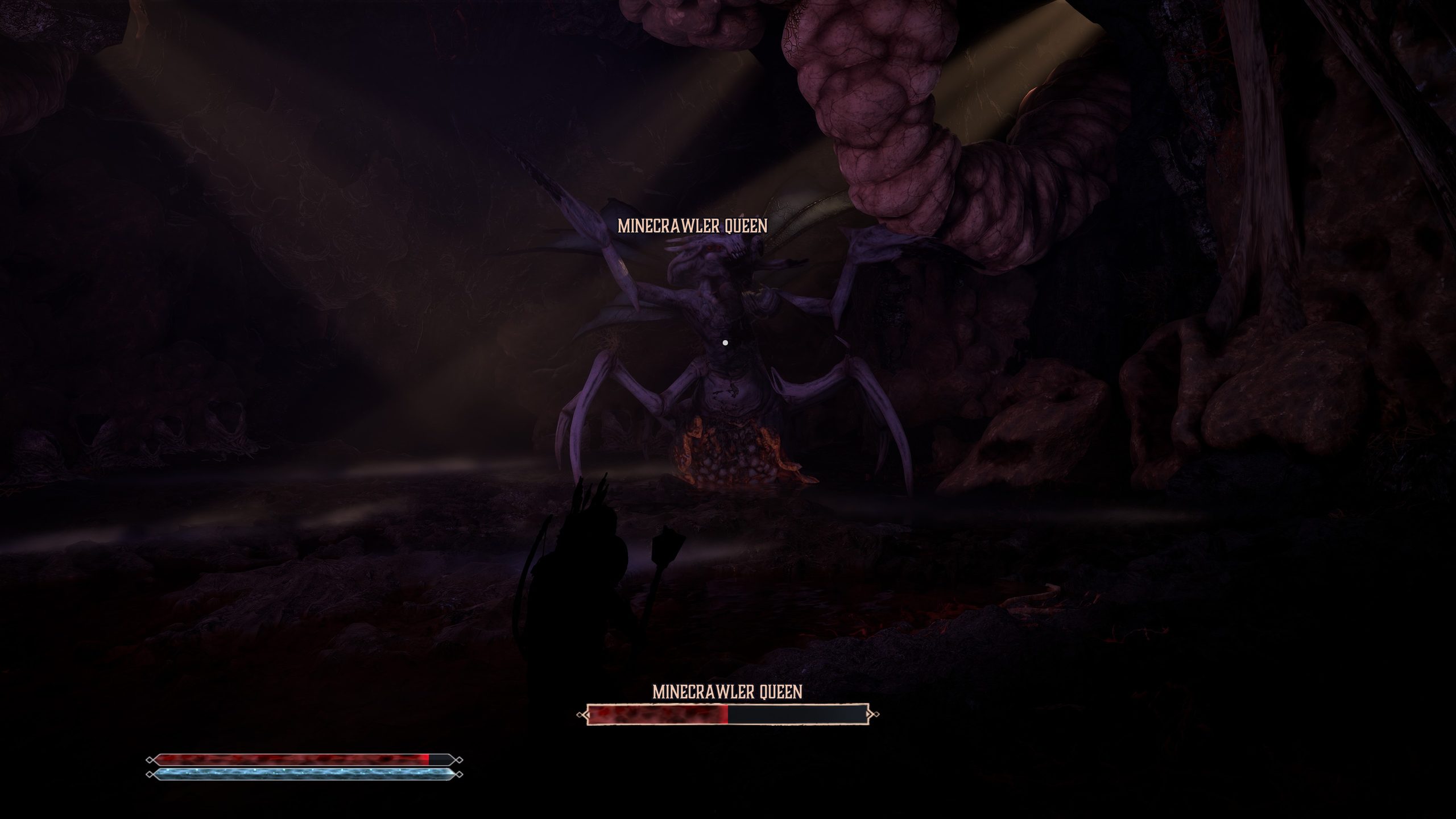
When it comes to combat, you have three options: melee, magic, and ranged. You can focus on one of them or mix them however you want. I want to start with melee combat since that was the most interesting one for me.
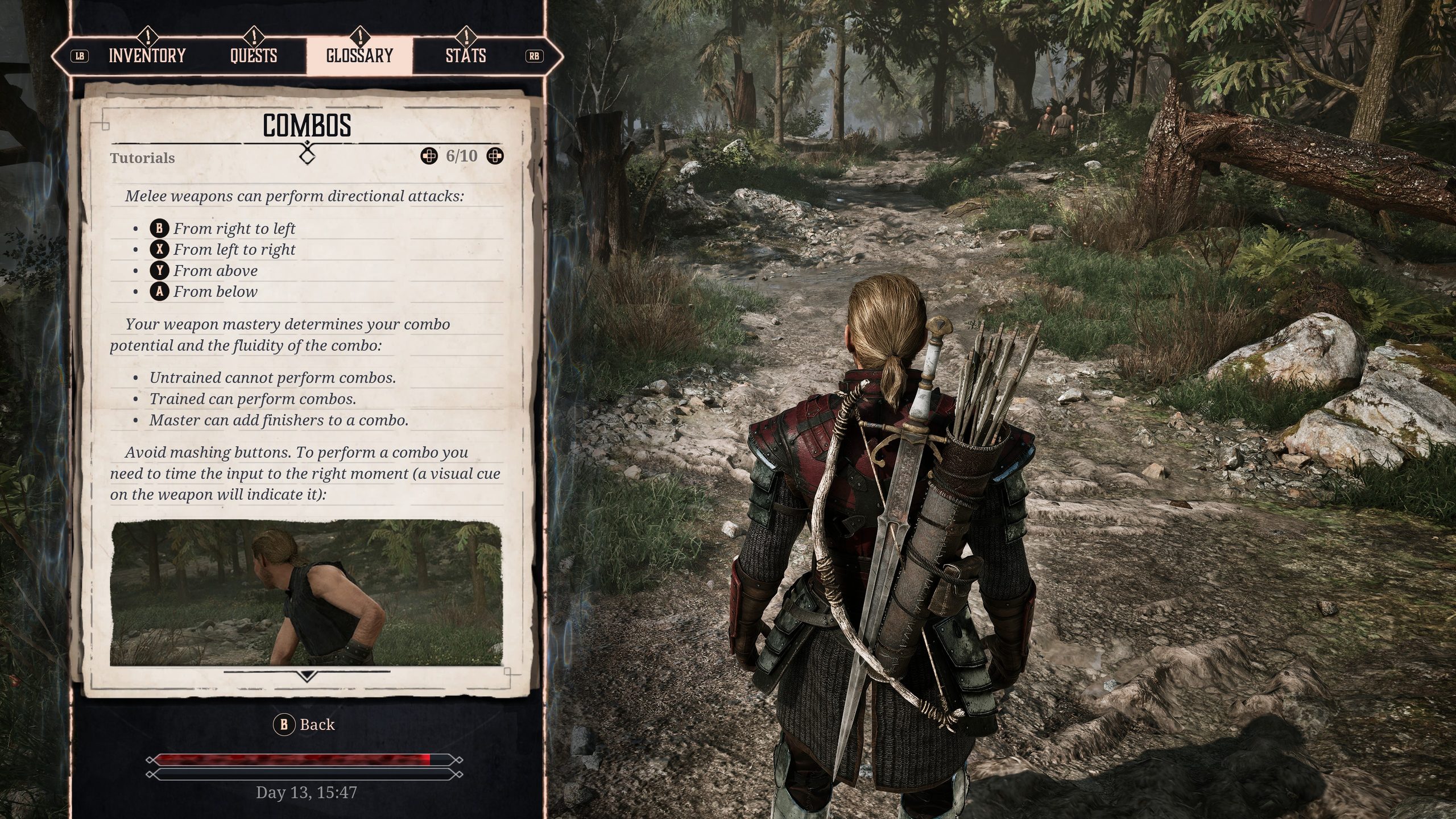
You have four melee attacks that change how your character swings. You can attack from the left, from the right, perform a long-range thrust, or use a heavy overhead attack that can knock enemies down. The coolest part, however, is the combo system.
Once you learn One-Handed or Two-Handed Mastery, your glossary gets updated with combo instructions and combat techniques. By combining these four attacks and timing your button presses correctly, you can chain attacks together and perform finishers.
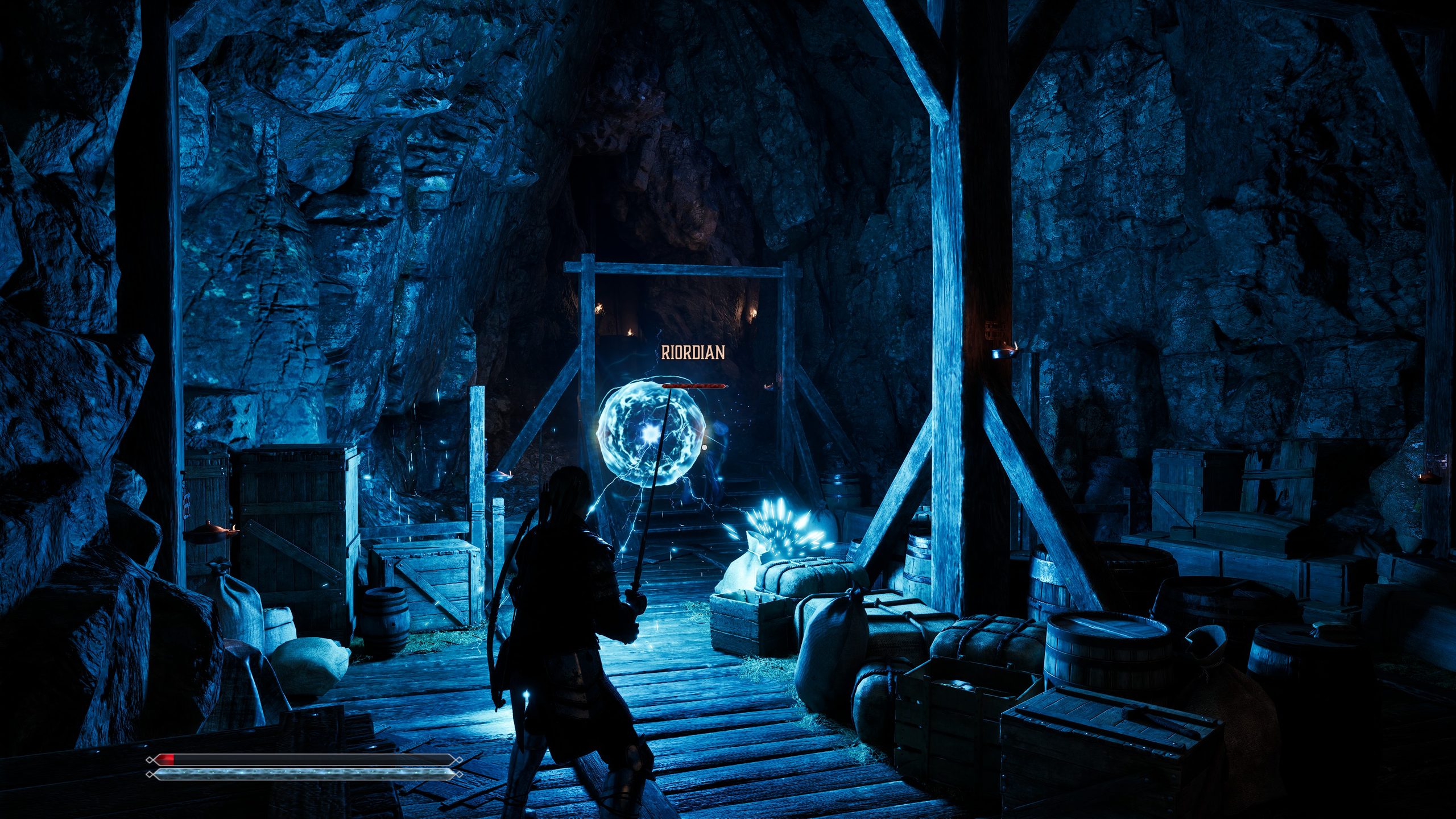
Ranged combat with bows and crossbows is much more straightforward. You can still train and unlock useful upgrades like faster draw speeds, headshots, and other perks, but it is far easier to understand than melee combat. While I haven't fully committed to a mage build yet, magic proves to be impressive as well. Depending on which camp you join, you gain access to different schools of magic, and with enough investment into mana, you can become an absolute powerhouse.
Defense is fairly simple. You can dodge and parry attacks, and investing points into weapon skills unlocks ripostes and counterattacks after successful parries. Acrobatics also gives you the ability to roll. Personally, I wasn't a huge fan of that mechanic since it made some encounters feel a bit too much like a Dark Souls rolling simulator.
Overall, the combat feels incredibly unique for an open-world RPG. Once you start discovering different trainers and skill paths, you have the freedom to specialize in a single playstyle or create a hybrid build that suits you.
The biggest issue I have with Gothic is how old and outdated parts of the game can feel. You could argue that Alkimia wanted to preserve the spirit of the 2001 original, but in some areas I think they played it a little too safe. Earlier, I praised the game for not holding your hand, but there were plenty of moments where I felt they took that philosophy too far. Getting lost and figuring things out on your own can be fun, but spending an hour running around a crowded camp looking for a specific NPC starts feeling less like immersion and more like busywork. Something as simple as displaying NPC names on the map after you've met them would have saved a lot of unnecessary wandering.
Crafting, sneaking, alchemy, and NPC reactions also felt fairly basic. They get the job done, but they never really stood out. Outside of the game's incredible sense of immersion and progression, most of these systems have been done better in other RPGs.
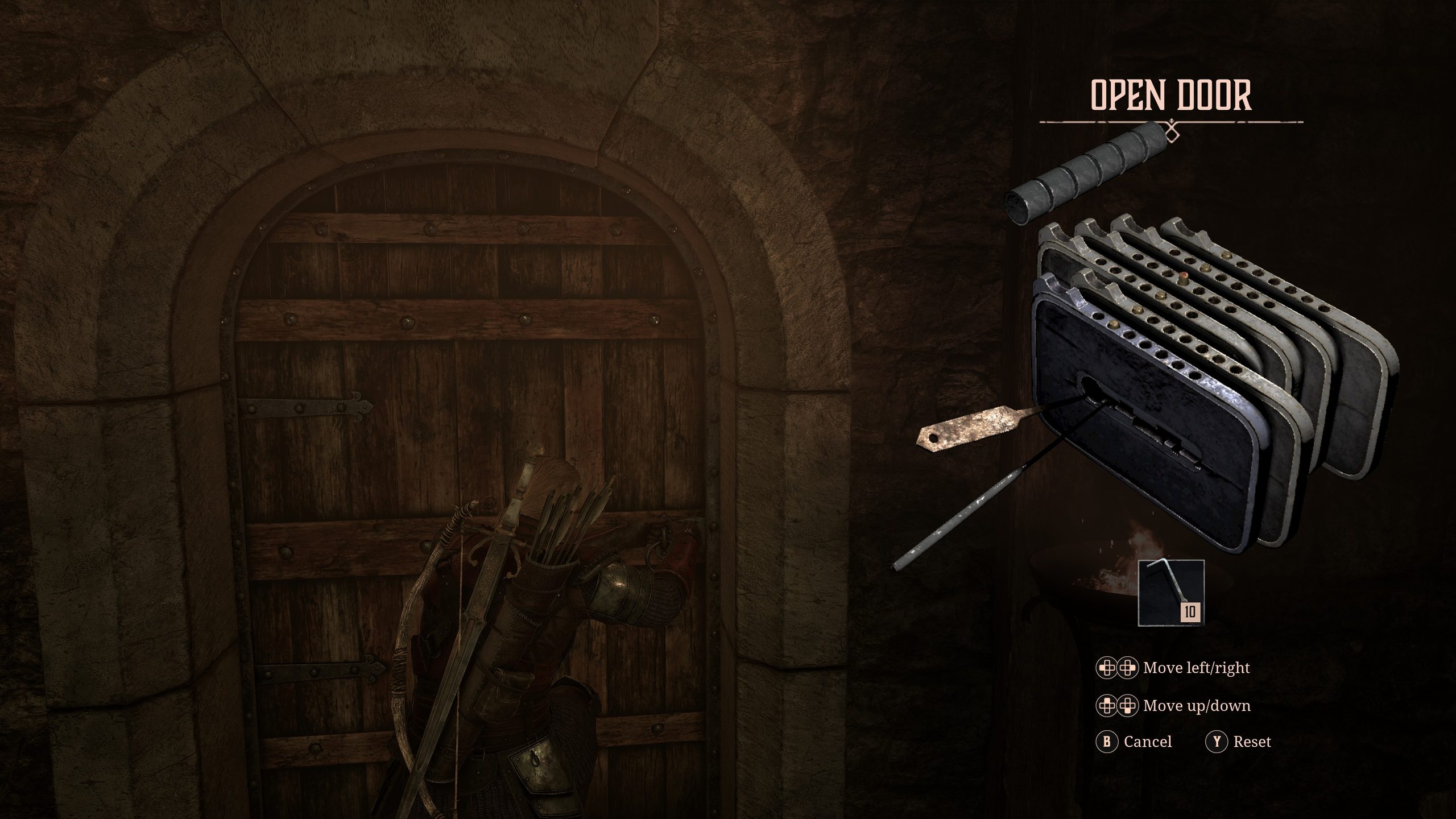
However, lockpicking was one of the most divisive mechanics in my experience. Instead of using a traditional lockpicking system, the game turns it into a fairly complex puzzle. At first I thought it was a creative idea, but the more I interacted with it, the more frustrated I became. The frustration felt by these momentary puzzles left such a bad taste that some play sessions were cut short.
You can invest Learning Points to make lockpicking easier and more forgiving, but Learning Points are incredibly valuable, and being forced to spend them on making a puzzle minigame less frustrating instead of improving my combat, crafting, or character build never felt good.
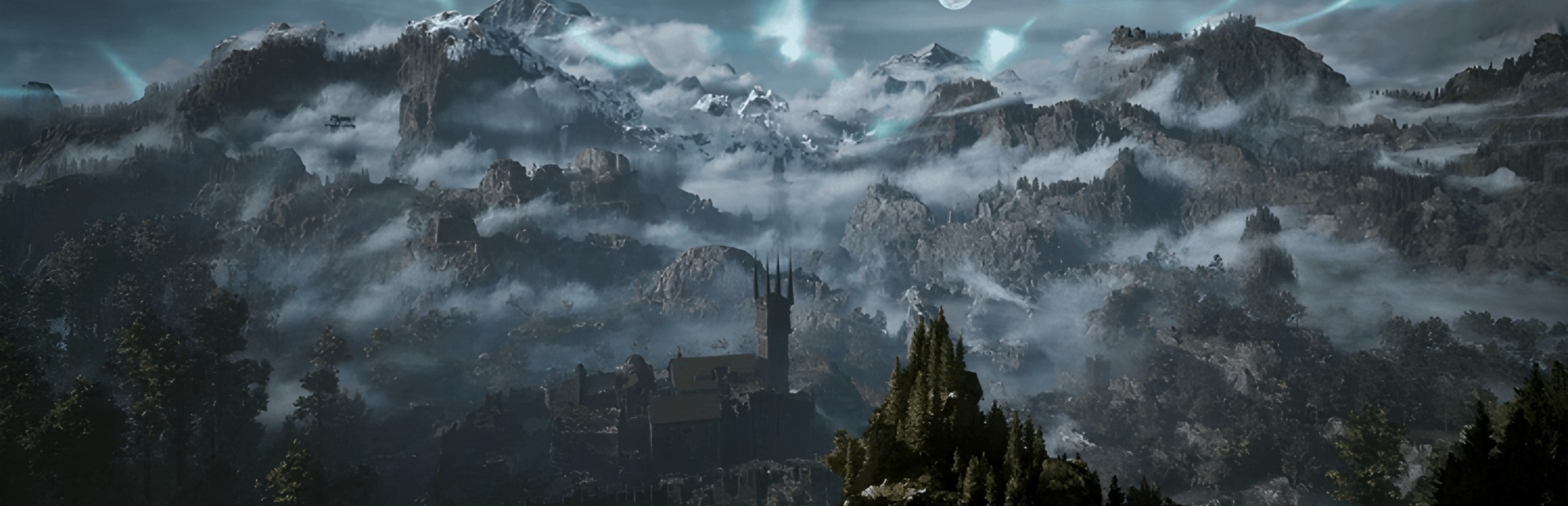
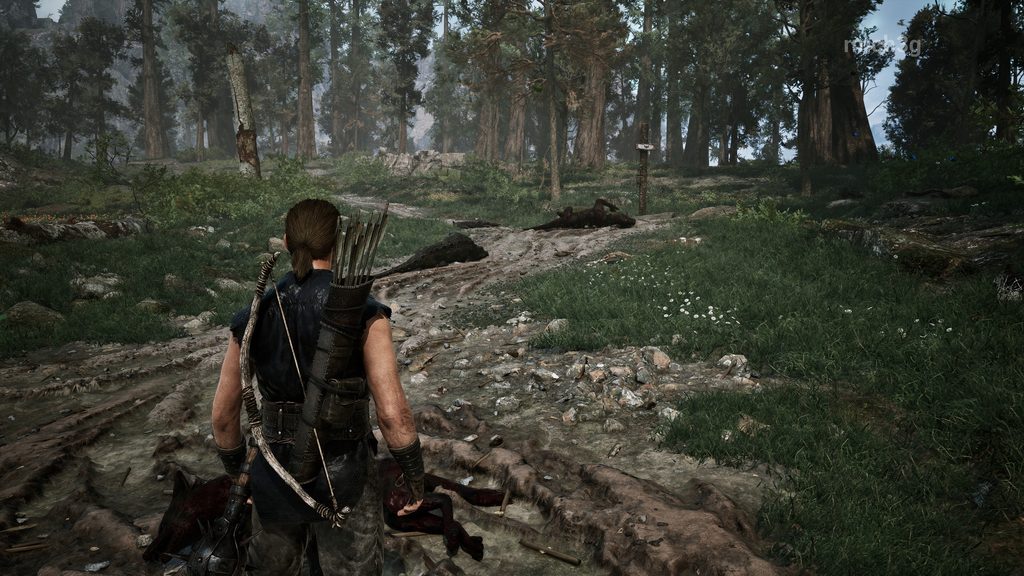
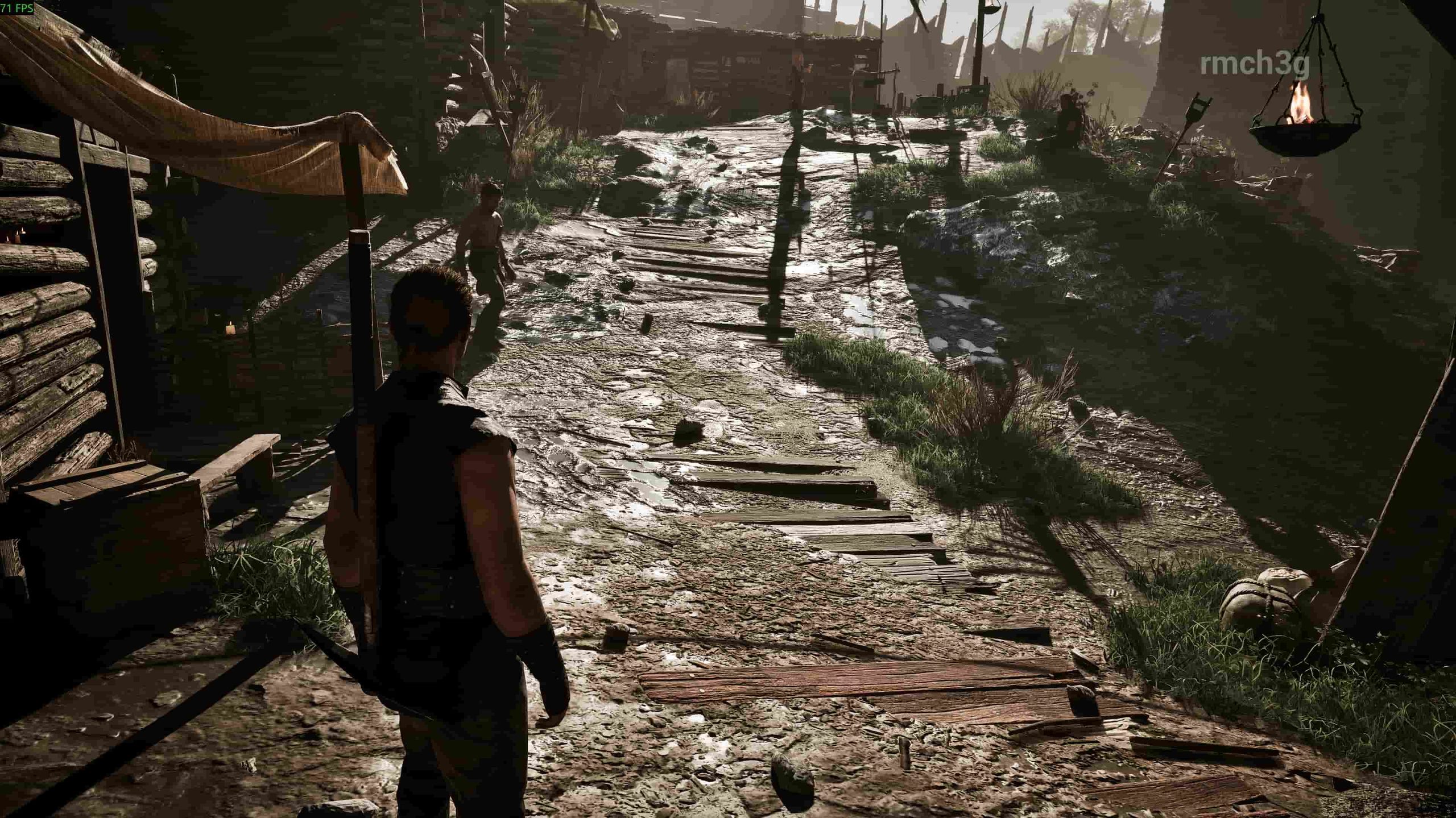
The graphics in Gothic 1 Remake are a bit of a mixed bag. On one hand, the landscapes, atmosphere, lighting, and overall environmental design look absolutely fantastic. The Colony is a beautiful place to explore, and in terms of pure terrain quality, this is easily one of the best-looking worlds I've seen in an RPG.
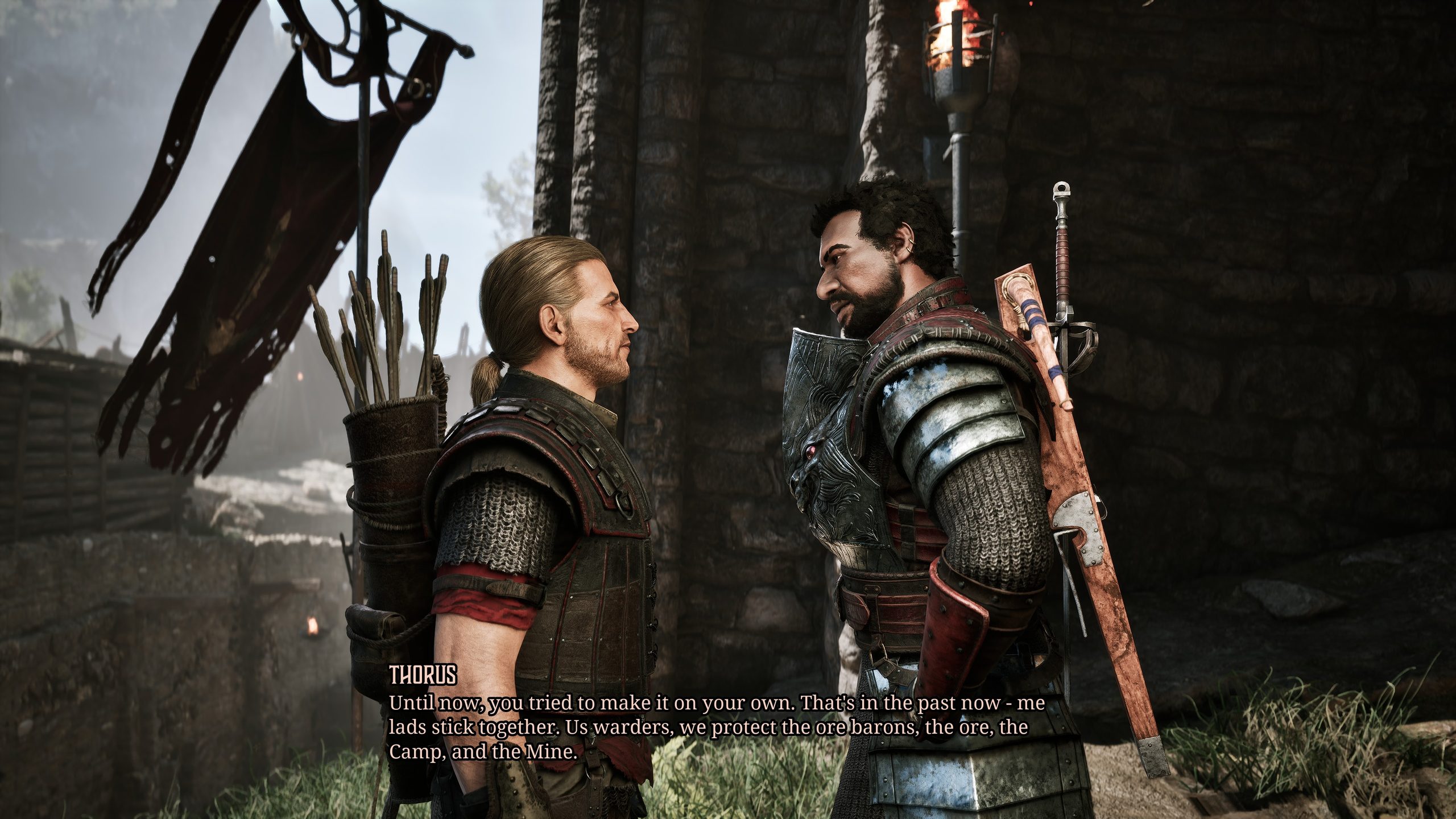
On the other hand, not everything received the same level of attention. Facial animations are extremely limited, character animations often look stiff and awkward, and interactions with the environment are almost nonexistent. While the world itself looks modern, many of the characters and animations feel like they belong to a much older game.
It feels strange to say this, but visually Gothic 1 Remake sometimes comes across more like a remaster than a full remake visually. In some ways it reminded me of Oblivion Remastered, where the environments received a massive visual upgrade while many of the underlying animations and presentation elements still feel dated.
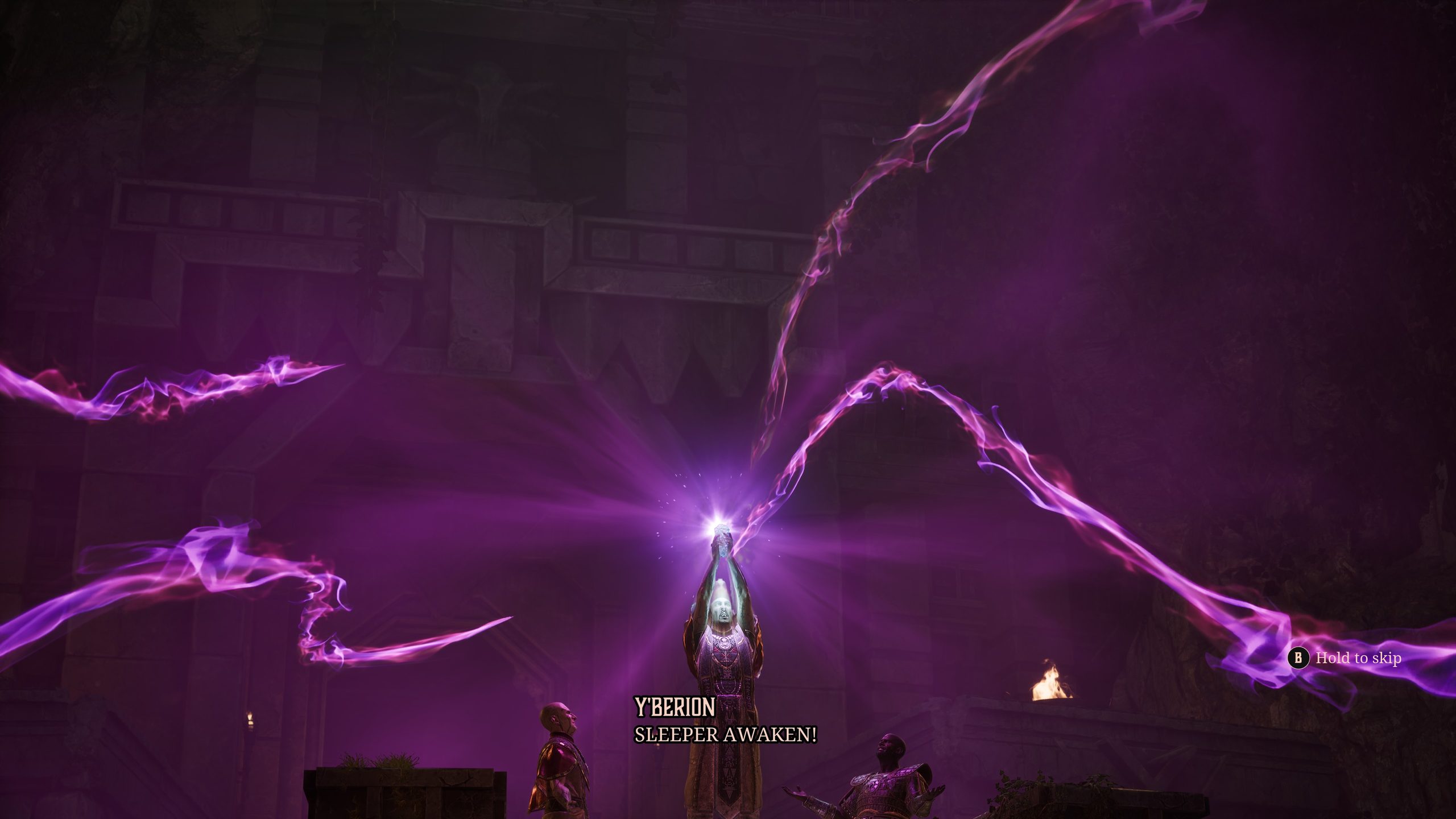
The classic soundtrack of the original game returns with more modern and orchestral arrangements, and the result is fantastic. Whether you're exploring the open world or watching an important story moment unfold, the music does a great job of enhancing the atmosphere without ever becoming distracting.
I didn't have any major issues with the voice acting either. It wasn't particularly memorable, but it was consistently solid throughout the adventure.
The sound design excels by way of the sounds used for sword clashes, parries, enemy noises, and combat effects, all of them sounding satisfying and impactful. Environmental audio stands out as well. Hearing flags wave in the wind, distant wildlife, and the ambient sounds of the Colony adds a surprising amount of realism to the experience. Combined with the strong atmosphere, it helps make the world feel far more alive and immersive.
Gothic 1 Remake - Steam Deck Performance
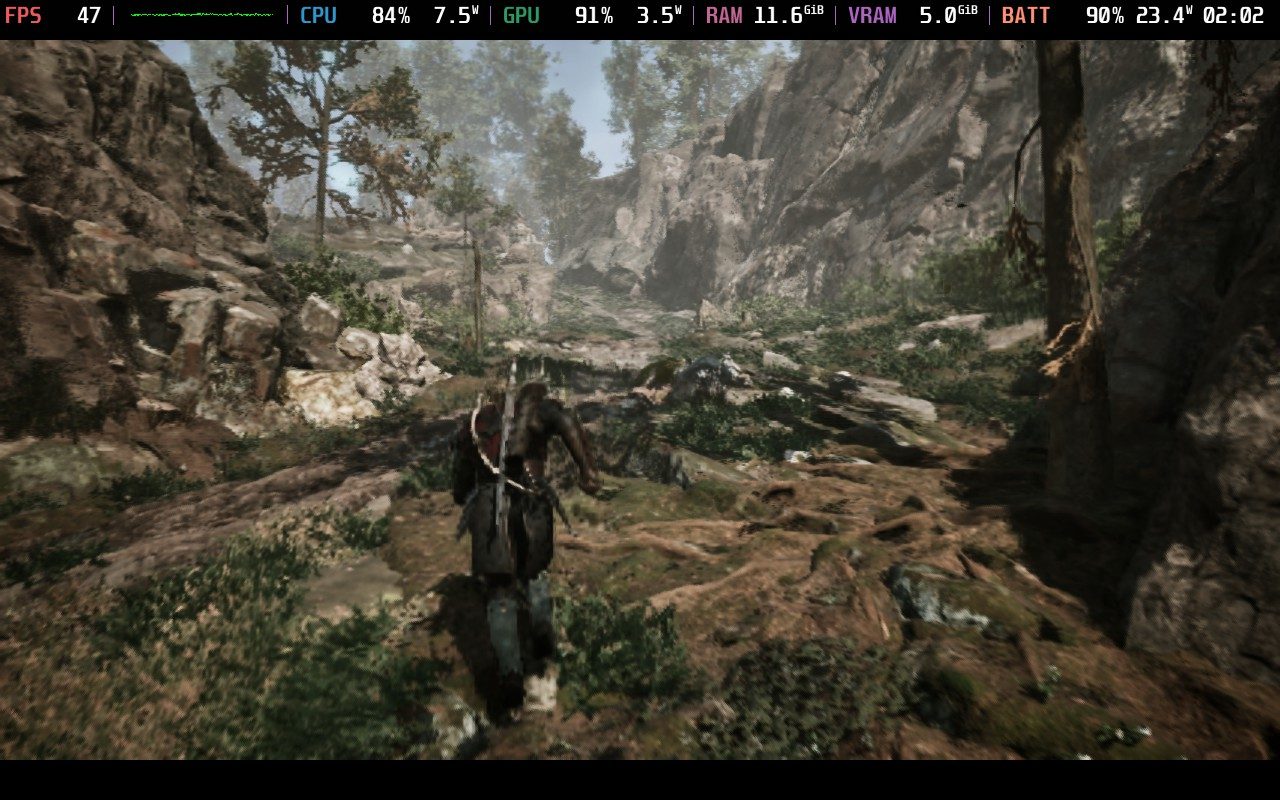
When I first tried Gothic 1 Remake on Steam Deck before the day-one patch, the experience was completely miserable. Since it was built on Unreal Engine 5, I honestly assumed no amount of patching would be enough to make it run well. The game would regularly stutter down into the 5-15 FPS range and couldn't maintain 30 FPS for any meaningful amount of time. Because of that, I ended up doing most of my review on desktop instead.
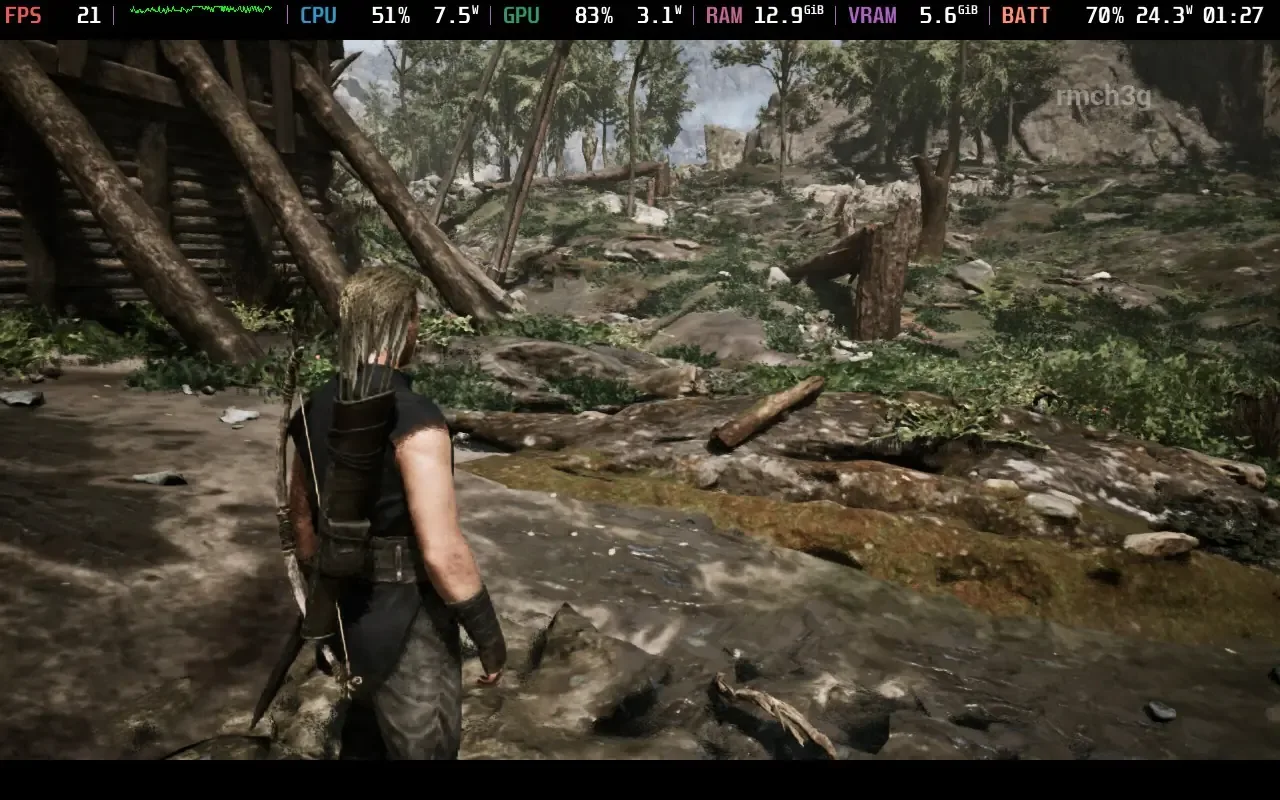
After the day 1 patch, however, things improved significantly. I spent quite a bit more time testing it on Deck, and while I still wouldn't consider it playable by my personal standards, most of the severe stuttering and massive frame drops were gone. Exploring the open world and less populated areas now delivers a fairly consistent 30 FPS experience. The problem starts when you enter crowded camps and towns, where performance can still drop into the 20-25 FPS range, along with occasional stutters.
It's a huge improvement compared to the pre-patch version, but I still can't comfortably recommend it for Steam Deck unless you're willing to tolerate sub-30 FPS gameplay in some of the busiest areas of the game.
Sadly, all of these results come with every setting pushed to Low and FSR 3.1 set to Ultra Performance. At that point, the visual quality takes a massive hit. The image becomes extremely blurry, hair looks rough, terrain loses a lot of detail, and overall the game simply doesn't look good. In fact, there were moments where I found myself preferring the clarity of the original Gothic over what I was seeing on the Deck.
We also experimented with injecting FSR4 to clean up some of the muddy visuals. While image quality improved, performance took a noticeable hit. Stuttering became more frequent and frame drops were significantly more common, making the overall experience worse.
If you're determined to play Gothic 1 Remake on Steam Deck, I'd recommend using the FSR3.1 Balanced preset instead. The game still won't look great, but it does reduce some of the blurriness. Performance will suffer in crowded camps and towns, but with the in-game frame rate capped at 30 FPS, you can still get a mostly stable experience while exploring the open world.
The current state of the game is best described as "almost playable". The day 1 patch made a huge difference, and the game is no longer the disaster it was during my initial testing. Unfortunately, that's still not enough for me to recommend it. If you have access to a desktop PC, console, or any more powerful hardware, that's absolutely where I would suggest playing Gothic 1 Remake.
結論
Gothic 1 Remake is exactly the kind of RPG I wish we saw more often. It doesn't try to impress you with constant cutscenes or turn you into a hero within the first few hours. Instead, it drops you into a dangerous and punishing world and lets you earn everything yourself. Not every mechanic is great; some systems feel outdated, and there are definitely moments where the game tests your patience. But when everything comes together, the sense of progression and adventure is inescapable.
As for Steam Deck, the game is in a much better state than I initially expected, but I still can't recommend it. The performance is serviceable in some areas, but the visual compromises are simply too severe, and crowded zones continue to struggle. Gothic 1 Remake is a game that deserves to be experienced at its best, and right now, Steam Deck isn't capable of delivering that experience.
Gothic 1 Remake is exactly the kind of RPG I wish we saw more often, with a punishing world, little hand-holding, and an incredible sense of adventure. However, it won't be enjoyable on the Steam Deck.
Onat has been immersed in gaming since childhood, witnessing the industry evolve across generations of hardware. Over time, his curiosity shifted from simply playing games to understanding how they run. A former competitive fighting game player, he developed a deep appreciation for performance precision, responsiveness, and mechanical depth. Today, he specializes in handheld performance optimization, particularly on the Steam Deck, analyzing frame pacing, power efficiency, and graphics scaling to push portable hardware to its limits.
Let us know what level of playability you consider Gothic 1 Remake to be. Help our community determine the viability of playing this game on Steam Deck!