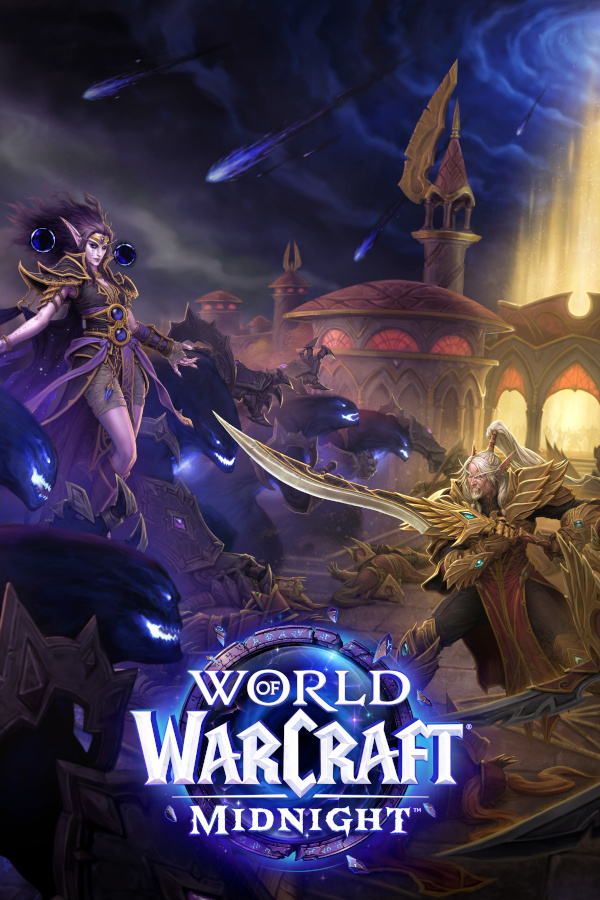
World of Warcraft: Midnight is the second chapter in the new World Soul Saga expansion. Rather than introduce an entirely new storyline, as previous expansions often have, it continues directly after the events of The War Within.
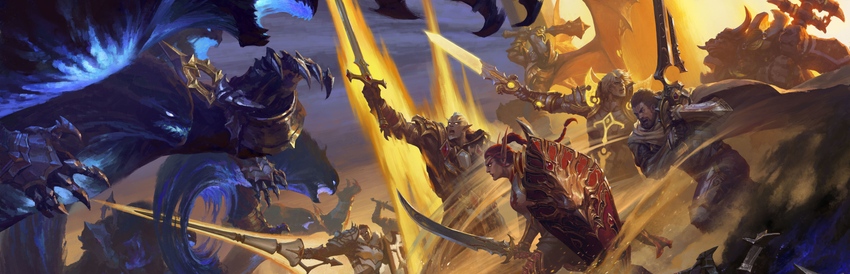
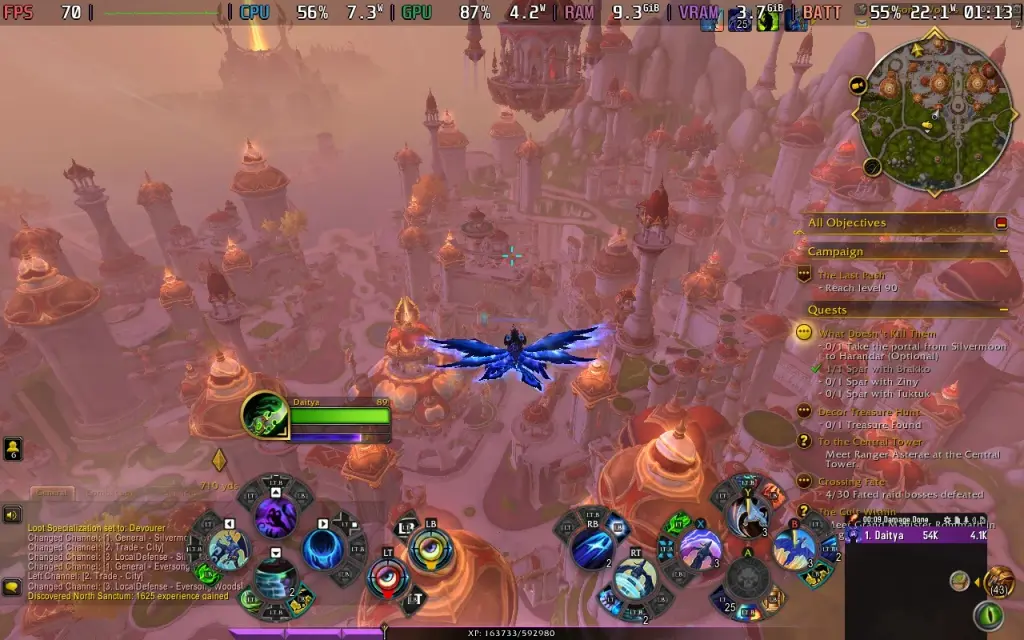
From the moment the story begins, Midnight makes a strong, lasting first impression. It opens with an epic, action-packed prologue before sending players directly into the newly revamped Silvermoon and Quel’thalas. The new Silvermoon is stunning, massive, alive, and finally worthy of the Blood Elves. It more effectively captures the fantasy and identity surrounding the Blood Elves, far better with their newly expanded storyline. After more than 20 years, this sets a new standard for the kind of visual overhaul the game has so rightfully deserved. Extending that same level of care and modernization to other capital cities would be a welcome next step for future expansions.
Light vs Void
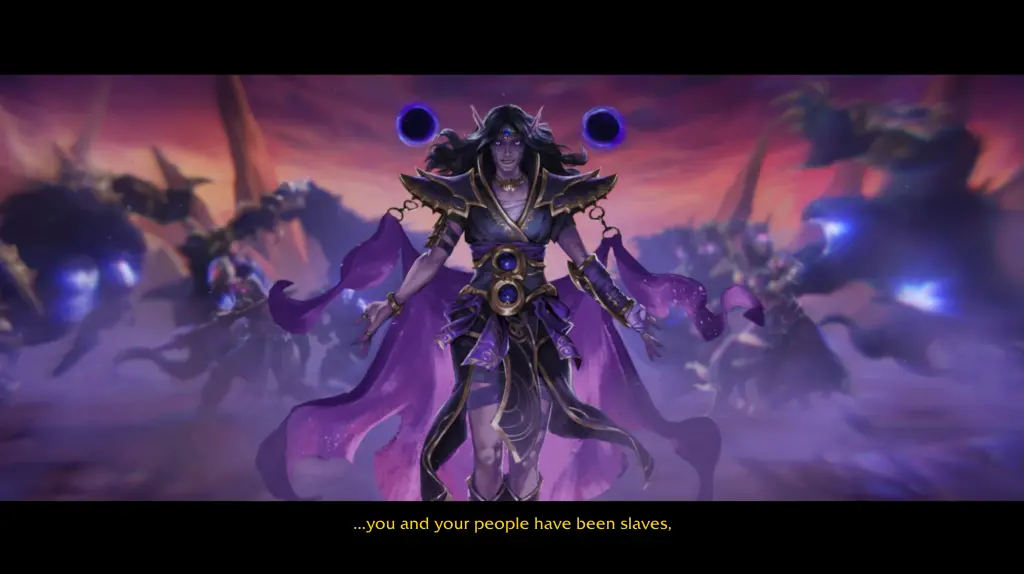
Much like its predecessor, the central conflict revolves around the struggle between the forces of Light and Void. This new chapter of the expansion takes a slightly more emotional and character-driven approach. Once again, the familiar themes are front and center by setting two thematic narratives. “Too much Light can be just as dangerous,” and “The Void isn’t inherently evil.”
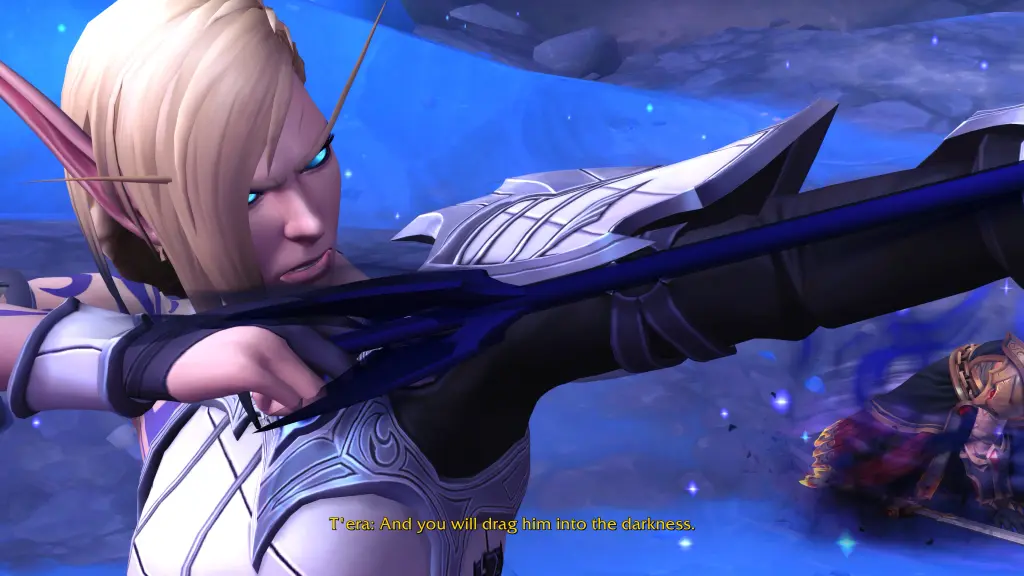
While the story starts strong, the narrative momentum unfortunately fades. After a compelling opening, the story slips into a familiar formula we’ve seen recycled since Shadowlands, filled with melodramatic character conflicts, predictable family drama, and uninspired dialogue. While the themes themselves aren’t the problem, the execution feels tired and dated. At times, the script feels overly safe and painfully cliché, lacking the boldness or ambition that once defined Warcraft’s best moments.
After multiple expansion releases, expectations for Warcraft lore have shifted slightly over the years. The universe has been stretched over two decades, and the story's continual growth is starting to show its age. Instead of feeling like an evolutionary epic, parts of the story feel mechanically assembled and forced rather than passionately and purposefully written. The drastic reduction in pre-rendered cinematics is impossible to ignore. Many of the expansion’s most climactic moments are confined to in-engine cutscenes that are somewhat shrouded by outdated visuals and horrendous animations. In a franchise once known for its breathtaking storytelling through CGI, this shift feels like a step backward rather than a leap forward.
Housing
After more than 20 years, Blizzard has finally implemented a robust housing system in World of Warcraft. Traditionally, WoW has built its reputation around being a progression-driven, competitive MMO rather than one centered on casual or social sandbox elements. In typical MMO design, player housing is often associated with casual, socially driven engagement. A dedicated space for creativity, collection, and personal expression. In that sense, this addition feels like a clear pivot in Blizzard’s priorities for World of Warcraft as gaming's underlying meta evolves.
Expecting a system as intricate as Final Fantasy XIV’s housing or as lifestyle-focused as Palia’s on a first play-through would have been unrealistic. Surprisingly, the implementation here is far more detailed and engaging than originally anticipated. There is meaningful progression, a wide variety of decor options, collectible furniture, mini games, and long-term goals for players who enjoy this style of content.
Blizzard also tied many decor items to dungeon boss drops and quest rewards to ensure that housing isn’t isolated from the rest of the game. This design choice keeps players engaged with traditional PvE content while rewarding them with cosmetic progression rewards. In many ways, it integrates more naturally into the World of Warcraft ecosystem than expected.
However, the bigger question remains whether World of Warcraft truly needed housing at all. The game’s identity has long revolved around a competitive endgame system, difficult combat, and structural progression. The social aspect, once organic and community-driven, has diminished over time. Ironically, it was the competitive direction of Warcraft that kept it relevant and thriving for over two decades of steady releases. In some ways, an argument could be made that the high cost of development for housing might have been better spent refining endgame mechanics, class design, or long-term progression systems. While housing is impressively extensive, it still feels like an optional layer rather than a necessary evolution.
Apex Talents and Devourer Demon Hunter
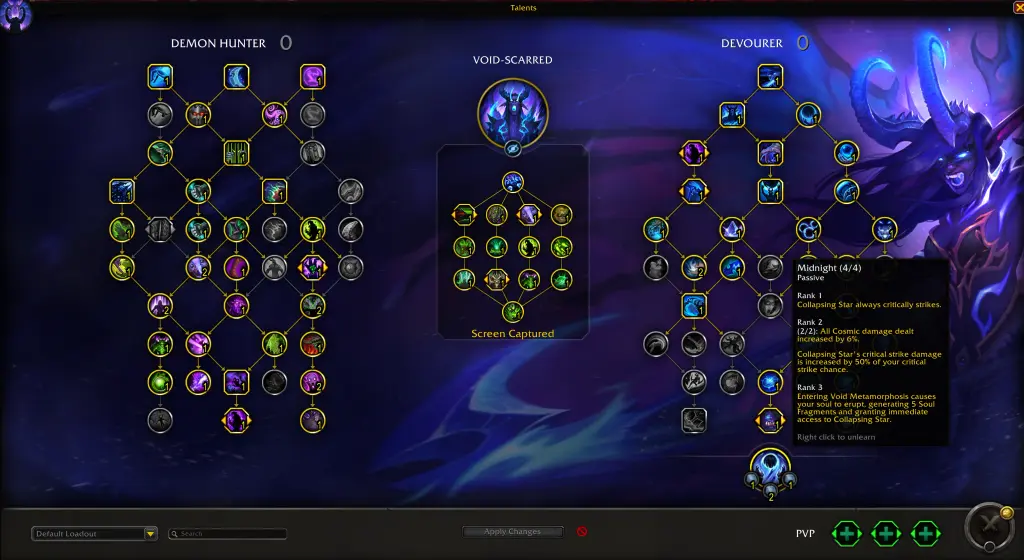
In terms of class identity, Midnight introduces Apex Talents alongside class and specialization adjustments. Although presented as a major new layer of customization, it is surprisingly simple and straightforward.
An Apex Talent grants one additional, highly powerful passive ability that scales automatically as you level. There’s no branching choice, no mechanical transformation, and no meaningful decision-making involved. It simply grows stronger over time. This feels particularly underwhelming when compared to The War Within’s Hero Talent system, which fundamentally altered how certain specs could be played, offering two distinct playstyle paths within the same specialization. Hero Talents encouraged experimentation and gave specs fresh identities. Apex Talents, however, is extremely streamlined.
Midnight also introduces a brand-new Demon Hunter specialization, Devourer. Designed to fit the expansion’s Void theme, Devourer shifts Demon Hunter into a caster-heavy archetype focused on channeling and unleashing destructive Void energy. While it sounds bold and refreshing, the execution is deeply disappointing.
The core rotation revolves around a repetitive loop of spamming the Consume ability, gathering Soul Fragments, and spending them on Eye Beam, alongside a basic three-hit melee combo. Mechanically, the spec operates with an extremely limited toolkit, effectively functioning around four core buttons. And it feels shallow and boring. The larger issue, though, lies in its resource design.
Devourer uses a Fury system that drains over time during Void Metamorphosis, forcing players to aggressively manage their Consumes before depletion. It’s meant to create a skill ceiling, but while playing, it adds frustration instead of being rewarding. World of Warcraft’s encounters are filled with movement requirements and crowd control effects. Being forced out of your burst window due to an unavoidable mechanic while your Fury drains feels like punishment rather than skill testing. The spec often feels as if it is fighting against encounter design rather than flowing with it.
After playing through the entirety of Midnight on a Devourer, frustration and boredom became recurring themes. A new specialization is meant to feel empowering and exciting. Instead, Devourer frequently feels restrictive, unsatisfying, and more stressful than rewarding.
Endgame Content & The Prey System
Historically, World of Warcraft has been regarded as the gold standard for dungeon and raid design, and Midnight continues that legacy. The new dungeons are packed with engaging boss mechanics, strong environmental storytelling, and excellent thematic immersion. It remains impressive how consistently Blizzard delivers in this department more than two decades after the initial launch of World of Warcraft.
Delves, introduced in The War Within, also make a valiant return. Players who enjoyed this solo progression system will feel right at home, as it remains a solid alternative for those who prefer structured solo challenges outside of traditional group content.
However, the true standout addition to the endgame this time is the Prey system.
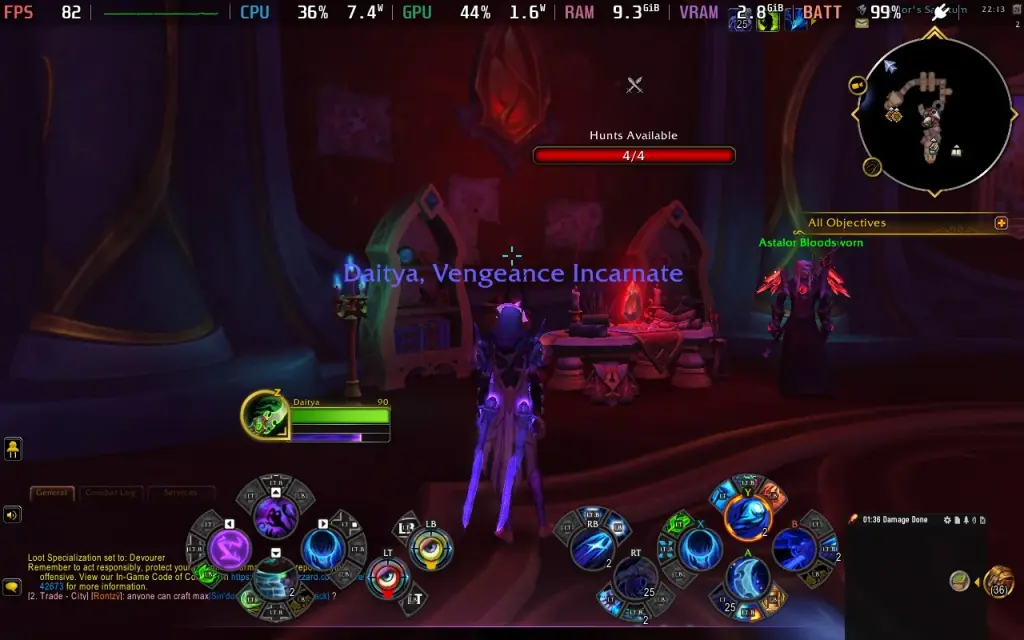
This new system places you in the role of both hunter and hunted. You accept a contract and are assigned to a specific region. where you must complete objectives, dismantle traps, and gather clues that gradually lead you closer to your target. But the twist is that your prey is simultaneously hunting you as well.
At any moment, targets can ambush you during vulnerable moments. In high-intensity scenarios, an unexpected boss encounter can occur and instantly punish players. The anxiety introduced by tracking and being tracked gives the mode a unique identity within World of Warcraft’s endgame ecosystem. Once enough objectives are completed, the hunt ends in a large-scale boss encounter. Successfully defeating your target rewards both meaningful progression upgrades and cosmetic items, making the system feel worthwhile beyond its novelty.
I had a lot of fun with this mode. It’s simple, but it works. It adds pressure and excitement without needless complication. But outside of that one small system, there isn’t much that defines Midnight as its own expansion separate from the others. Strip away the new zones, and it often feels like a continuation of The War Within. There’s no strong expansion identity. No defining mechanic that changes how the game is played moment to moment. No big thematic hook that makes you say, “This is Midnight.”
World of Warcraft - Steam Deck Performance Review
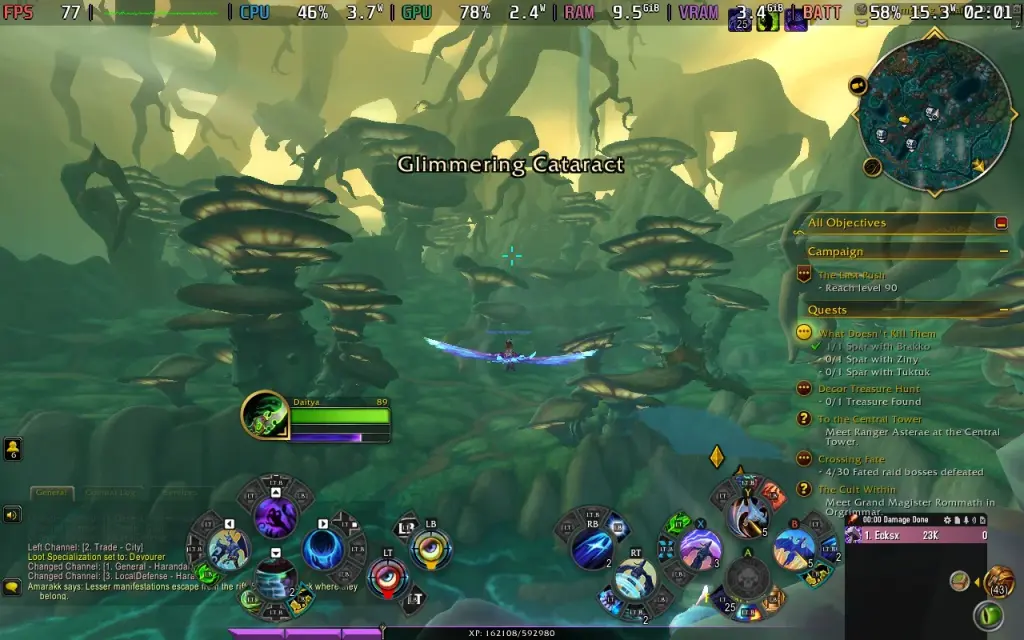
World of Warcraft isn’t officially available on Steam, but thanks to Proton Experimental, it runs similarly to a native Steam title. There are already plenty of detailed guides explaining the installation process, so for the sake of this review, focus will remain purely on performance and gameplay optimization.
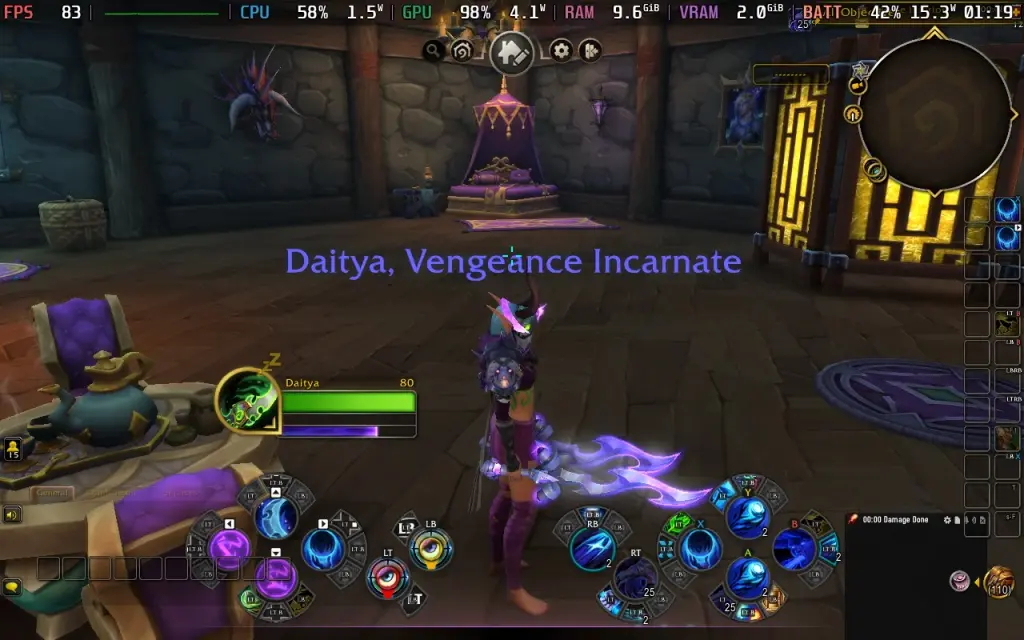
The most important aspect needed for a smooth gameplay experience is an addon called ConsolePort. This addon makes WoW fully playable with a controller. With enough time and muscle memory, you can perform near the same level as keyboard and mouse players.
It doesn’t feel like a third-party addon when utilized with World of Warcraft - it feels like proper, built-in controller support. It’s responsive, highly customizable, and once you get used to it, it’s hard to imagine playing on Deck without it.
Performance
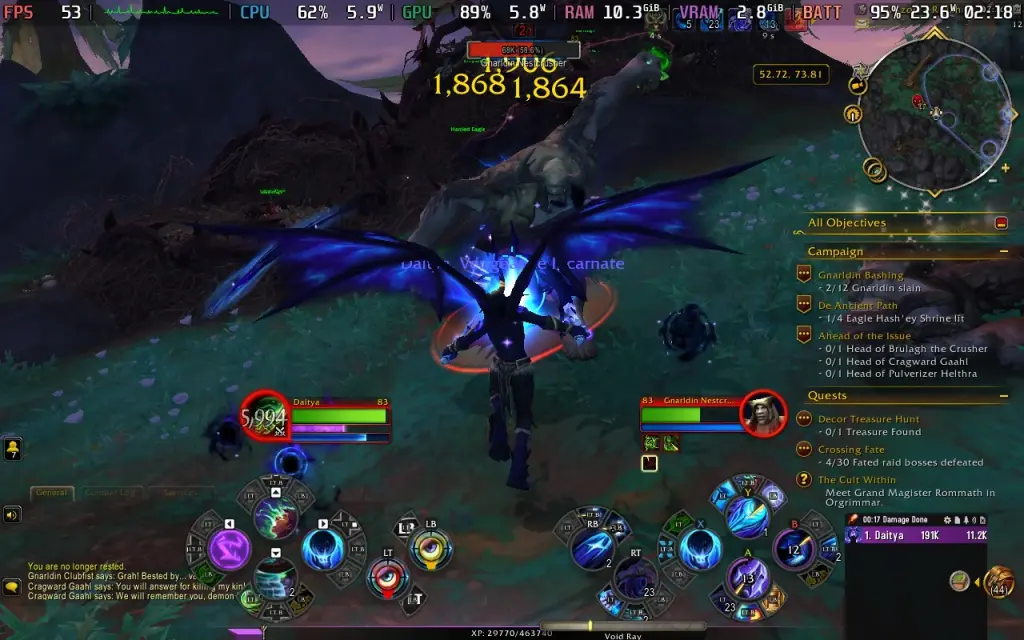
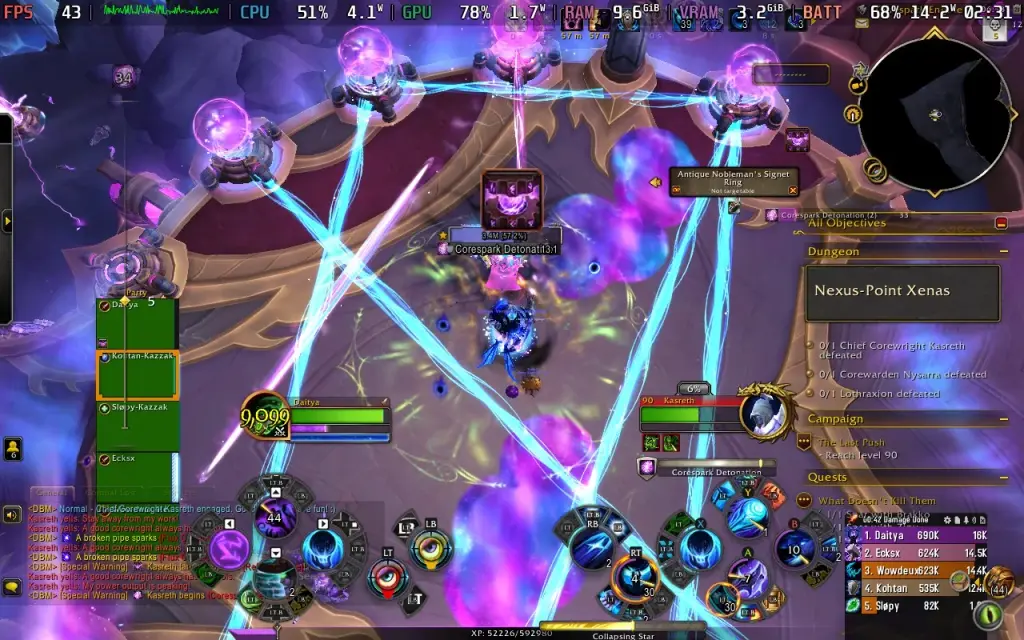
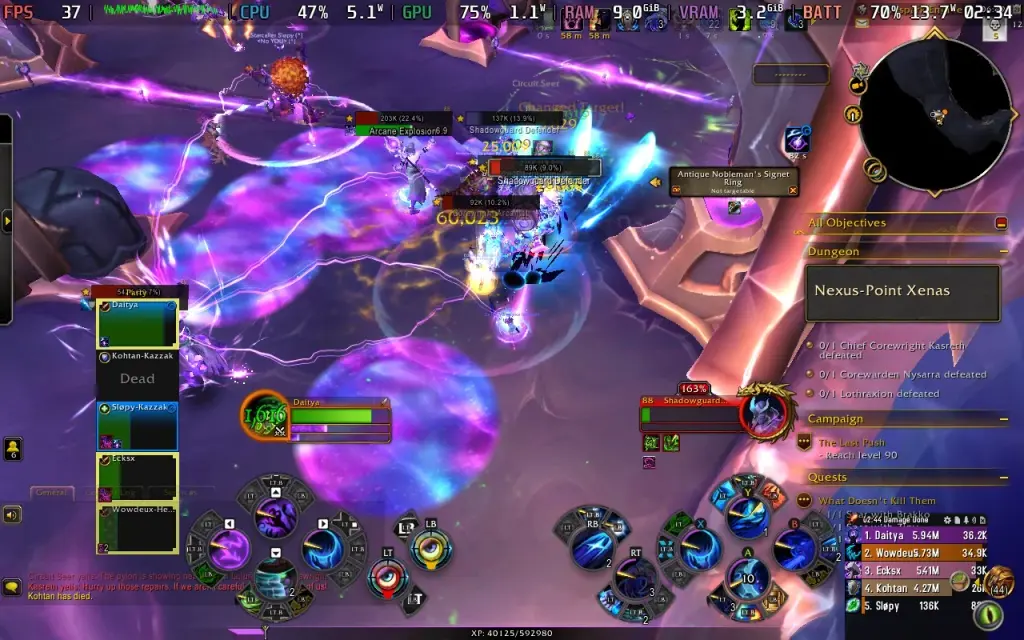
World of Warcraft is notoriously difficult to review from a performance standpoint because of its MMO nature. FPS can vary wildly depending on the zone, number of players on screen, and the type of content you’re doing. You can see anything from 90 FPS down to 20 FPS in extreme cases.
This isn’t a Steam Deck issue. Through tests of the expansion on a high-end PC, the behavior is identical. Even when CPU and GPU usage don’t exceed 50%, FPS drops still happen. It’s simply the result of a 20-year-old engine that has been rewritten and layered over countless times.
Normally, in unstable games, it's recommended to lock the FPS for consistency. But WoW is so situationally unstable that I would advise against capping FPS too aggressively. Most of the time, especially outside crowded cities and large-scale events, the game comfortably runs above 60 FPS on the Deck.
Recommended Settings
When I’m not running dungeons, raids, or crowded world events, I set the overall graphics slider (1 - 10) to 6. This is a good middle ground between visual clarity and performance, while keeping the experience smooth across most open-world content.
For heavier content, lowering the preset slightly helps stabilize performance during intense scenarios. Especially in dungeons, I keep it steadily set to 1. And while doing high-end mythic content, lowering the resolution scale to 60% helps a lot. Also, try not to install too many addons, as that increases GPU and CPU load, causing even more frequent FPS drops.
One last important thing. Steam’s device settings include a default World of Warcraft performance preset. I would disable it entirely. By default, this preset limits the TDP, which results in unnecessary FPS drops and additional stuttering - especially in crowded areas or during combat-heavy encounters. WoW already struggles with engine-related inconsistencies, so artificially limiting power can potentially make things worse.
To fix this, go into the Steam Deck’s performance settings and uncheck “Use per-game profile.” Let the system run without the preset restrictions, and performance immediately becomes more stable.
Conclusion
World of Warcraft: Midnight feels more like a DLC of The War Within than a brand new expansion. The atmosphere, redesigned Silvermoon, soundtrack, and surprisingly detailed housing system are strong highlights, however. But they aren’t enough to fully compensate for uninspired storytelling, underwhelming class additions, and a noticeable lack of a defining expansion identity.
If you’ve been enjoying The War Within, Midnight expands upon that central idea, especially in terms of dungeons and raids, which remain as WoW’s strongest pillar. For Steam Deck players, the game remains highly playable with the right configuration settings, delivering a smooth and surprisingly comfortable experience for both casual play and endgame content. But if you were hoping for a transformative leap forward, this isn’t it. Midnight isn’t bad, it’s just safe. And for a 20-year-old MMO, safe might not be enough anymore.
World of Warcraft's performance is a hit or miss on the Steam Deck, depending on what you are doing in the game, but even still, it's very playable.
Our review is based on the PC version of this game.
If you enjoyed this review, be sure to check out the rest of the content on SteamDeckHQ! We have a wide variety of game reviews and news that are sure to help your gaming experience. Whether you're looking for news, tips and tutorials, game settings and reviews, or just want to stay up-to-date on the latest trends, we've got your back.
SDHQ's Build Score Breakdown
WoW: Midnight is yet another mediocre expansion but it's still one of the best MMO's to play, especially on Steam Deck.
Onat has been immersed in gaming since childhood, witnessing the industry evolve across generations of hardware. Over time, his curiosity shifted from simply playing games to understanding how they run. A former competitive fighting game player, he developed a deep appreciation for performance precision, responsiveness, and mechanical depth. Today, he specializes in handheld performance optimization, particularly on the Steam Deck, analyzing frame pacing, power efficiency, and graphics scaling to push portable hardware to its limits.
Let us know what level of playability you consider World of Warcraft: Midnight to be. Help our community determine the viability of playing this game on Steam Deck!
We use cookies on our website to give you the most relevant experience by remembering your preferences and repeat visits. By clicking “Accept”, you consent to the use of ALL the cookies.
This website uses cookies to improve your experience while you navigate through the website. Out of these, the cookies that are categorized as necessary are stored on your browser as they are essential for the working of basic functionalities of the website. We also use third-party cookies that help us analyze and understand how you use this website. These cookies will be stored in your browser only with your consent. You also have the option to opt-out of these cookies. But opting out of some of these cookies may affect your browsing experience.
Necessary cookies are absolutely essential for the website to function properly. These cookies ensure basic functionalities and security features of the website, anonymously.
Cookie
Duration
Description
cookielawinfo-checkbox-advertisement
1 year
Set by the GDPR Cookie Consent plugin, this cookie is used to record the user consent for the cookies in the "Advertisement" category .
cookielawinfo-checkbox-analytics
11 months
This cookie is set by GDPR Cookie Consent plugin. The cookie is used to store the user consent for the cookies in the category "Analytics".
cookielawinfo-checkbox-functional
11 months
The cookie is set by GDPR cookie consent to record the user consent for the cookies in the category "Functional".
cookielawinfo-checkbox-necessary
11 months
This cookie is set by GDPR Cookie Consent plugin. The cookies is used to store the user consent for the cookies in the category "Necessary".
cookielawinfo-checkbox-others
11 months
This cookie is set by GDPR Cookie Consent plugin. The cookie is used to store the user consent for the cookies in the category "Other.
cookielawinfo-checkbox-performance
11 months
This cookie is set by GDPR Cookie Consent plugin. The cookie is used to store the user consent for the cookies in the category "Performance".
CookieLawInfoConsent
1 year
Records the default button state of the corresponding category & the status of CCPA. It works only in coordination with the primary cookie.
viewed_cookie_policy
11 months
The cookie is set by the GDPR Cookie Consent plugin and is used to store whether or not user has consented to the use of cookies. It does not store any personal data.
Functional cookies help to perform certain functionalities like sharing the content of the website on social media platforms, collect feedbacks, and other third-party features.
Cookie
Duration
Description
loid
2 years
This cookie is set by the Reddit. The cookie enables the sharing of content from the website onto the social media platform.
Performance cookies are used to understand and analyze the key performance indexes of the website which helps in delivering a better user experience for the visitors.
Analytical cookies are used to understand how visitors interact with the website. These cookies help provide information on metrics the number of visitors, bounce rate, traffic source, etc.
Cookie
Duration
Description
__gads
1 year 24 days
The __gads cookie, set by Google, is stored under DoubleClick domain and tracks the number of times users see an advert, measures the success of the campaign and calculates its revenue. This cookie can only be read from the domain they are set on and will not track any data while browsing through other sites.
_ga
2 years
The _ga cookie, installed by Google Analytics, calculates visitor, session and campaign data and also keeps track of site usage for the site's analytics report. The cookie stores information anonymously and assigns a randomly generated number to recognize unique visitors.
_ga_VF6TNG7YS7
2 years
This cookie is installed by Google Analytics.
_gat_gtag_UA_232930512_1
1 minute
Set by Google to distinguish users.
_gid
1 day
Installed by Google Analytics, _gid cookie stores information on how visitors use a website, while also creating an analytics report of the website's performance. Some of the data that are collected include the number of visitors, their source, and the pages they visit anonymously.
CONSENT
2 years
YouTube sets this cookie via embedded youtube-videos and registers anonymous statistical data.
Advertisement cookies are used to provide visitors with relevant ads and marketing campaigns. These cookies track visitors across websites and collect information to provide customized ads.
Cookie
Duration
Description
__gpi
1 year 24 days
Google Ads Service uses this cookie to collect information about from multiple websites for retargeting ads.
edgebucket
session
Reddit sets this cookie to save the information about a log-on Reddit user, for the purpose of advertisement recommendations and updating the content.
IDE
1 year 24 days
Google DoubleClick IDE cookies are used to store information about how the user uses the website to present them with relevant ads and according to the user profile.
session_tracker
2 hours
This cookie is set by the Reddit. This cookie is used to identify trusted web traffic. It also helps in adverstising on the website.
test_cookie
15 minutes
The test_cookie is set by doubleclick.net and is used to determine if the user's browser supports cookies.
VISITOR_INFO1_LIVE
5 months 27 days
A cookie set by YouTube to measure bandwidth that determines whether the user gets the new or old player interface.
YSC
session
YSC cookie is set by Youtube and is used to track the views of embedded videos on Youtube pages.
yt-remote-connected-devices
never
YouTube sets this cookie to store the video preferences of the user using embedded YouTube video.
yt-remote-device-id
never
YouTube sets this cookie to store the video preferences of the user using embedded YouTube video.